


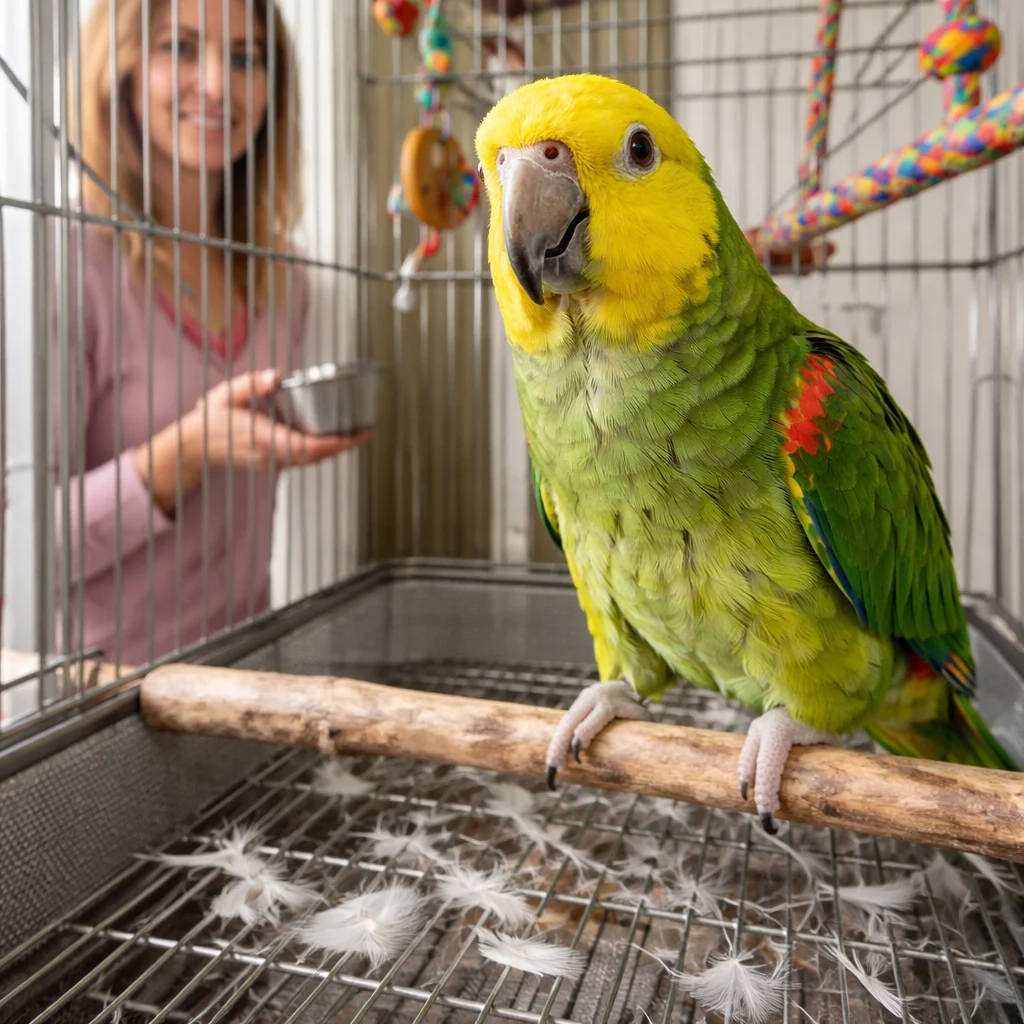
The sight of a cage floor littered with feathers can be a deeply alarming experience for any bird owner, often triggering immediate concern about the pet’s health and well-being. This common scenario frequently leads to the mistaken belief that a bird is severely ill or engaging in self-destructive behavior. However, while feather loss can indeed signal underlying health issues or behavioral problems like plucking, it is more often a natural and vital biological process known as molting. Understanding the critical distinctions between a healthy molt and problematic feather plucking is paramount for ensuring avian welfare and avoiding unnecessary distress for both bird and owner. This article delves into the biological intricacies of feather loss, providing a journalistic overview of diagnostic methods, underlying causes, and expert recommendations for managing these common avian occurrences.
The Biological Imperative: Understanding Avian Molt
Molting is a natural physiological process wherein birds periodically shed old, worn-out feathers and replace them with new ones. This cycle is essential for maintaining feather integrity, insulation, waterproofing, and flight efficiency. Feathers, composed primarily of keratin, are non-living structures that undergo wear and tear from daily activities, environmental exposure, and preening. Unlike fur or hair, feathers cannot repair themselves once damaged, necessitating their complete replacement.
The timing and intensity of molting vary significantly across species, influenced by factors such as age, season, diet, hormonal cycles, and environmental conditions. Most adult birds undergo at least one complete molt annually, often after the breeding season, to prepare for migration or the colder months. Some species, particularly those in temperate climates, may experience two molts per year—a pre-nuptial molt for breeding plumage and a post-nuptial molt after breeding. Juvenile birds often undergo a "juvenile molt" shortly after fledging, replacing their initial downy or immature feathers with adult plumage. This initial molt can sometimes be quite dramatic, leading to increased feather fall.
During a normal molt, feathers are shed in a symmetrical and staggered pattern to ensure the bird retains sufficient flight capability and insulation throughout the process. Primary flight feathers, for instance, are usually replaced one or two at a time from the innermost outwards, allowing for continuous flight. This methodical replacement contrasts sharply with the often chaotic and localized feather loss observed in plucking. The entire molting process can last several weeks to a few months, depending on the species and individual bird.
The Alarming Reality: Feather Plucking and Its Etiologies
Feather plucking, also known as pterotillomania, is a self-mutilating behavior where a bird intentionally damages or removes its own feathers. Unlike molting, which is a natural physiological process, plucking is a behavioral or medical disorder that can have severe implications for a bird’s health and psychological well-being. It is often a symptom of an underlying problem rather than a primary disease itself. Avian veterinarians report that feather plucking is one of the most common and frustrating behavioral issues presented in companion birds, particularly in psittacine species like African Greys, Cockatoos, and Cockatiels. Incidence rates can be as high as 10-15% in certain captive parrot populations.
The causes of feather plucking are complex and multifactorial, often categorized into medical, environmental, and behavioral/psychological factors:
-
Medical Causes: These are often the first to be ruled out by an avian veterinarian.
- Parasites: External parasites like mites or lice can cause intense itching, leading to over-preening and feather damage. Internal parasites are less common but can contribute to overall poor health.
- Infections: Bacterial, fungal, or viral infections (e.g., Psittacine Beak and Feather Disease – PBFD, Polyomavirus) can cause skin irritation, feather follicle damage, and abnormal feather growth, prompting plucking.
- Allergies: Environmental allergens (dust, pollen, mold) or food allergies can manifest as pruritus (itching) and skin inflammation, leading to feather destruction.
- Nutritional Deficiencies: Diets poor in essential amino acids, vitamins (especially Vitamin A), and minerals (e.g., calcium, zinc) can result in poor feather quality, dry skin, and increased susceptibility to irritation.
- Organ Disease: Liver disease, kidney disease, or thyroid imbalances can affect skin health and feather production, leading to discomfort and plucking.
- Cysts and Tumors: Follicular cysts or skin tumors can be painful or irritating, causing a bird to target the affected area.
- Heavy Metal Toxicity: Exposure to lead, zinc, or other heavy metals can lead to a range of symptoms, including skin irritation and plucking.
-
Environmental Causes:
- Low Humidity: Many pet bird species, especially parrots, originate from tropical or subtropical environments and require higher humidity than typically found in indoor homes. Dry skin and brittle feathers can lead to discomfort and plucking.
- Inadequate Lighting: Lack of full-spectrum UV lighting can disrupt natural circadian rhythms, suppress vitamin D synthesis, and contribute to hormonal imbalances and stress.
- Poor Air Quality: Exposure to cigarette smoke, aerosols, harsh cleaning chemicals, or strong fragrances can irritate the respiratory system and skin.
- Cage Size and Enrichment: An undersized cage restricts movement and promotes boredom. A lack of stimulating toys, foraging opportunities, and social interaction can lead to chronic boredom and frustration, manifesting as plucking.
- Temperature Extremes: Constant exposure to drafts or excessively hot/cold conditions can cause discomfort.
-
Behavioral/Psychological Causes: These are often the most challenging to diagnose and treat.
- Stress and Anxiety: Changes in routine, new pets, household conflict, loneliness, or perceived threats can induce significant stress.
- Boredom and Lack of Stimulation: Highly intelligent and social birds require constant mental engagement. Without it, they may turn to self-mutilation as a coping mechanism.
- Sexual Frustration: Hormonal surges in sexually mature birds without an appropriate outlet (e.g., a mate or nesting opportunities) can lead to redirected behaviors like plucking.
- Learned Behavior: If a bird receives attention (even negative attention) when plucking, it can inadvertently reinforce the behavior.
- Past Trauma: Birds from rescue situations or those with a history of neglect or abuse may develop chronic plucking as a psychological coping mechanism.
- Attention-Seeking: Some birds learn that plucking elicits a response from their owners, reinforcing the behavior.
The 10-Second "Shaft Test": Initial Feather Forensics
Before significant concern escalates, a simple visual inspection of fallen feathers can provide crucial initial clues. This "feather forensics" approach can often differentiate between a healthy molt and problematic plucking within seconds.
-
Indications of a Normal Molt: When a feather is naturally shed during a molt, the "quill" (the calamus, or the part of the feather shaft that was embedded in the skin) will appear smooth, clear, and slightly pointed. It will exhibit a clean break from the follicle, indicating a natural detachment. Owners may also observe fine, white, flaky material (bird dander) accompanying new feathers. This dander is the remnants of the keratin sheath that protects new "pin feathers" as they emerge and unfurl. The presence of these intact quills and dander is a strong indicator of a healthy molting process.
-
Indications of Plucking: In contrast, feathers that have been plucked will show signs of deliberate removal or damage. The quill may appear chewed, jagged, or snapped off, indicating mechanical trauma. If the feather shaft is broken mid-way, or if the quill remains in the skin but the feather vane is missing or severely damaged, it points strongly to plucking. A particularly concerning sign is a quill tip that is bloody, ragged, or still contains tissue, which signifies a forceful and premature extraction from the follicle, potentially causing pain and injury.
Beyond the Feather: The 2-Step "Peace of Mind" Check
While the shaft test offers immediate insight, a more thorough examination of the bird’s body can provide additional clarity.
-
The "Mist & Part" Test: Dry feathers can obscure the underlying skin condition. Lightly misting the bird with plain water or a specialized avian aloe vera spray can help to separate the feathers, allowing for better visibility of the skin. Once damp, gently part the feathers against the grain.
- Molting Indicators: The presence of numerous "pin feathers" or "blood feathers" pushing through the skin is a definitive sign of molting. Pin feathers are new feathers encased in a waxy keratin sheath, resembling small, prickly spikes. Blood feathers are pin feathers that still have a blood supply running through their shaft, indicating active growth. Their appearance confirms that new plumage is actively developing.
- Plucking Indicators: Conversely, if the skin is bare, red, inflamed, scabbed, or scratched without the presence of new pin feathers, it is a strong indicator of plucking. Chronic plucking can lead to skin infections, thickened skin, or even scarring that permanently prevents feather regrowth.
-
The "Hot Spot" Species Check: Behavioral plucking often follows recognizable patterns, with certain species tending to target specific areas of their bodies. Understanding these common "hot spots" can aid in early identification.
- African Greys: Often target areas that are difficult for their beaks to reach directly, such as under the wings or the inner thighs. Their intelligence and sensitivity make them prone to stress-induced plucking.
- Cockatiels: Frequently pluck feathers from the shoulders or the center of the chest. Their smaller size can make damage less extensive but equally concerning.
- Cockatoos: These highly social and emotionally complex birds are notorious for severe plucking, often targeting the chest, belly, and even the head. Cockatoos are remarkably adept at using their feet to scratch and remove feathers from areas their beaks cannot directly access, making head plucking a significant concern.
- General Rule of Thumb: In a normal molt, head feathers typically appear as "spikes" (new pin feathers) rather than completely bare, raw, or scratched skin. If the head is bare or damaged, it almost always signals a plucking issue, especially for species that cannot reach their own heads with their beaks (e.g., most parrots cannot pluck their own heads unless they use their feet or rub against objects).
The Role of the Avian Veterinarian: When to Seek Professional Help
While the "feather forensics" and "peace of mind" checks provide valuable initial guidance, they are not substitutes for professional veterinary evaluation. Avian veterinarians play a critical role in accurately diagnosing the cause of feather loss and developing appropriate treatment plans.
A comprehensive veterinary examination for feather loss typically includes:
- Thorough Physical Exam: Assessing overall body condition, skin integrity, presence of parasites, and feather quality.
- Detailed History: Gathering information on diet, housing, daily routine, environmental factors, recent changes, and any observed behaviors.
- Diagnostic Tests:
- Blood Work: Complete blood count (CBC) and biochemistry panel to check for infection, inflammation, organ dysfunction (liver, kidney), and nutritional deficiencies.
- Feather Follicle Biopsy: Microscopic examination of feather follicles to identify infection, inflammation, or abnormal cell growth.
- Skin Scrapes and Cytology: Examination of skin samples for parasites, bacteria, or yeast.
- Cultures: To identify specific bacterial or fungal pathogens.
- Radiographs (X-rays): To check for internal organ enlargement or abnormalities.
- Viral Testing: For specific avian viruses like PBFD or Polyomavirus.
- Heavy Metal Screening: If toxicity is suspected.
Expert Perspectives and Broader Implications
Avian veterinarians consistently emphasize that early intervention is crucial for successful treatment of plucking. Dr. Sarah Miller, a board-certified avian specialist, notes, "Feather plucking is often a complex puzzle, and the longer it goes unaddressed, the more entrenched the behavior becomes, even if the initial medical cause is resolved. It can transition from a medical issue to a psychological habit very quickly."
The implications of misdiagnosing feather loss can be significant. Assuming a severe plucking problem when a bird is simply molting can lead to unnecessary stress for the owner and potentially unwarranted veterinary interventions. Conversely, dismissing early signs of plucking as "just a molt" can delay critical treatment for underlying medical conditions or behavioral issues, allowing the problem to escalate and become chronic. Chronic plucking can lead to:
- Skin Infections: Open wounds from plucking are highly susceptible to bacterial and fungal infections.
- Permanent Follicle Damage: Repeated trauma can destroy feather follicles, leading to permanent bald patches.
- Pain and Discomfort: Constant irritation and self-inflicted wounds cause chronic pain.
- Systemic Illness: Underlying medical causes can worsen if left untreated.
- Psychological Distress: Chronic stress and frustration can severely impact a bird’s mental well-being and quality of life.
From an economic perspective, diagnosing and treating chronic plucking can be costly, involving multiple vet visits, diagnostic tests, environmental modifications, and potentially long-term medication or behavioral therapy.
The Best Bird Molting & Skin Relief Recovery System: Supporting Health and Preventing Plucking
Whether a bird is navigating a demanding molt or struggling with the skin irritation associated with plucking, providing comprehensive support is essential. A holistic approach addresses both the physiological demands of feather growth and the potential for skin discomfort.
- Nutritional Support: A high-quality, balanced diet is fundamental. During molt, a bird’s protein requirements increase significantly as feathers are nearly 90% protein. Supplementation with essential amino acids, Omega-3 and Omega-6 fatty acids, and vitamins (especially Vitamin A, Biotin, and B vitamins) can support healthy feather growth and skin integrity. Many commercial avian diets are deficient, necessitating a balanced pellet diet supplemented with fresh vegetables, fruits, and appropriate sprouts.
- Environmental Management:
- Humidity: Regular misting, a bird bath, or a humidifier can significantly improve skin and feather health, particularly for species from humid climates.
- Lighting: Providing access to natural sunlight or full-spectrum UV-A/UV-B lighting (specifically designed for birds) is crucial for Vitamin D synthesis and regulation of circadian rhythms.
- Air Quality: Ensure the home environment is free from smoke, aerosols, strong fragrances, and chemical fumes.
- Enrichment: A stimulating environment with a variety of safe toys, foraging opportunities, and social interaction (with humans or other compatible birds) can prevent boredom and reduce stress-induced plucking. Rotate toys regularly to maintain novelty.
- Cage Size: Ensure the cage is appropriately sized for the species, allowing for full wing extension and ample space for climbing and play.
- Skin and Feather Care:
- Avian-Specific Sprays: Aloe vera-based sprays can soothe irritated skin and condition feathers. Products specifically formulated for molting or plucking birds often contain ingredients like colloidal silver for skin healing or natural anti-inflammatories.
- Bathing: Regular bathing encourages preening, which helps remove feather dust and dead skin, promoting healthy feather growth.
- Behavioral Modification (for plucking): If medical causes are ruled out, behavioral interventions are critical. This may involve:
- Identifying Triggers: Observing when and why the plucking occurs.
- Enrichment Escalation: Providing even more complex foraging and interactive toys.
- Training: Teaching new behaviors to redirect attention.
- Social Interaction: Increasing positive interaction with the owner.
- Stress Reduction: Minimizing loud noises, sudden changes, or perceived threats.
- Veterinary Behavioral Consultation: In severe cases, an avian behaviorist or veterinarian may prescribe anti-anxiety medications in conjunction with behavioral therapy.
In conclusion, while the initial shock of a "feather explosion" on the cage floor is understandable, a systematic approach to identifying the cause is crucial. By conducting simple "feather forensics," observing skin condition, and understanding species-specific tendencies, bird owners can often distinguish between a healthy molt and problematic plucking. Prompt and accurate identification, coupled with appropriate environmental management and, when necessary, professional veterinary intervention, ensures the best possible outcomes for the long-term health and well-being of companion birds.

