


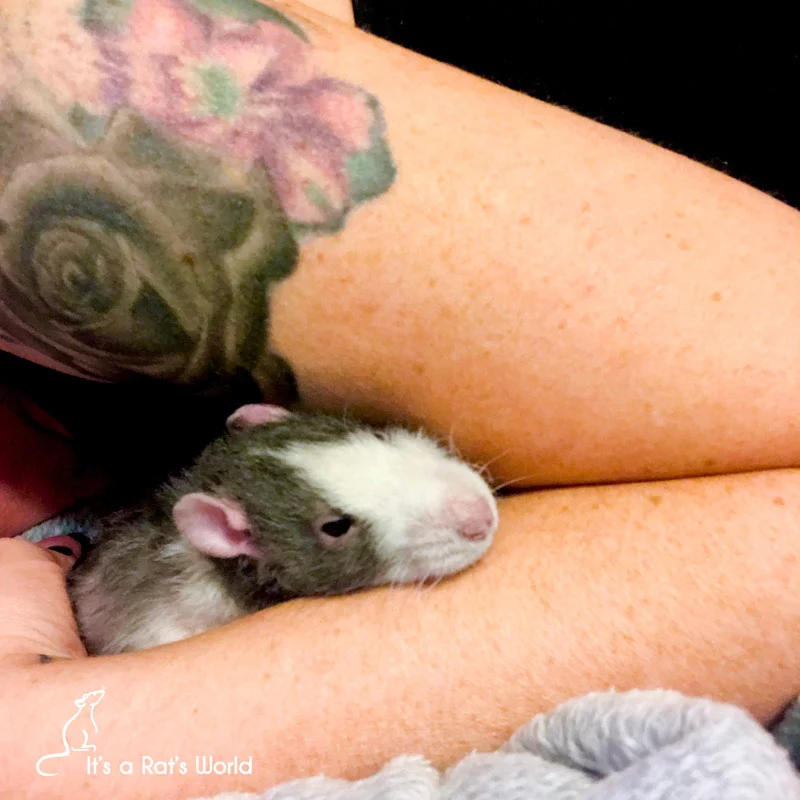
The absence of a deeply connected animal companion can leave a significant void, a sentiment keenly felt by Brandi Saxton, a prominent advocate for rat welfare and owner of "It’s A Rat’s World." Saxton describes a current state of being "ratless" as "torturous," a stark contrast to her lifelong experience of sharing profound bonds with these often-misunderstood creatures. While her household includes dogs and a cat, she emphasizes that these relationships, however cherished, do not replicate the unique emotional resonance she experienced with her rats. This introspection highlights a common human need for companionship and the distinct ways different species fulfill that desire.
The Unique Appeal of Rat Companionship
Saxton’s journey into rat ownership was transformative. Prior to welcoming rats into her life, she had formed connections with various animals. However, it was with rats that she discovered a depth of connection that, in her words, "no other animal really filled my heart quite the way they do." Ferrets, she notes, came closest to this level of intimacy. The essence of this profound bond, for Saxton, lies in the shared, everyday moments. These are not grand gestures, but rather the subtle, intimate interactions that weave the fabric of companionship.
She vividly recalls these cherished moments: "snuggling on the couch while watching movies, sweet rattie kisses and groom sessions on my hands, rats rushing to their cage door and dancing around in excitement when they saw me approach, jealousy of my attention that caused someone to push a brother out of the way so they could get the head scritches instead, or rats stretched out in my lap or next to me while I worked, and so much more." These anecdotes paint a picture of a relationship characterized by mutual affection, comfort, and a sense of being uniquely chosen. Saxton emphasizes the exclusivity of this bond, stating, "These simple, yet significant moments were mine and mine alone with these animals, and I never had to compete with another human for their affection; I was always their favorite human." This underscores the deep satisfaction derived from being the singular focus of an animal’s trust and adoration.
Navigating the Challenges of Building Trust
For new rat owners or those considering adopting these pets, Saxton’s primary aspiration is for them to achieve a similar level of closeness. She firmly believes that this deep connection is the only way to "truly experience these animals to their fullest." However, she acknowledges that the path to such a bond is not always straightforward. Some owners may find themselves struggling to connect with their rats, particularly if the animals exhibit skittishness or aloofness. This can lead to feelings of hopelessness, a sentiment Saxton directly addresses.

"What if you find it isn’t happening? What if your rats are skittish or aloof, and show little interest in interacting with you? Does this mean that forming a bond with them is hopeless?" she poses, immediately countering with a resounding, "Definitely not! You just need a new approach."
Saxton identifies a common hurdle for new owners: the fear of being bitten, which can be triggered by a rat’s timid or jumpy behavior. She explains that many rats require a period of acclimation to their new environment. Furthermore, rats that have experienced trauma may need even more patience and specialized care to settle in. A lack of understanding regarding how to facilitate this adjustment can inadvertently lead to rats becoming more withdrawn and fearful. To assist those facing these challenges, Saxton refers readers to her article, "Helping A Scared Pet Rat," which offers guidance on recognizing fear in rats, understanding its causes, and implementing strategies for earning their trust.
Differentiating Trust from True Bonding
A crucial distinction Saxton draws is between earning a rat’s trust and forging a genuine bond. While trust is a prerequisite for bonding, they are not synonymous. For a rat, trust signifies a belief that their human poses no threat. A bond, conversely, involves a mutual desire for companionship and a deeper emotional connection.
A rat’s individual personality and life experiences significantly influence the development of this bond. When a rat feels insecure or is operating under a survival instinct, their primary concern is safety, which impedes their ability to form loving attachments. However, as they begin to feel secure and at ease, they start to recognize the value of interactions with their human caretakers, opening the door for a more profound connection.
Understanding the Spectrum of Rat Personalities
Saxton categorizes rat personalities to help owners understand the varying approaches required for bonding.
-
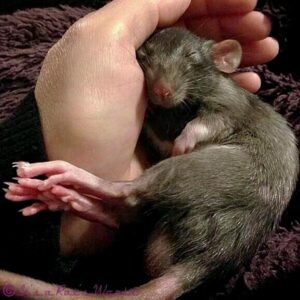
Extroverted and Brave Rats: These rats are the easiest to bond with. They adapt quickly to new environments and people, often displaying immediate trust and seeking interaction. Saxton recalls that within moments of meeting such rats, they would be "demanding to be held and climbing all over me." This innate confidence allows for an almost instantaneous connection.
-
Fearful and Apprehensive Rats: At the other end of the spectrum are rats who perceive humans as predators. Breaking through this initial barrier of fear is paramount. While some may never fully overcome their apprehension, achieving recognition and acceptance as a caregiver is a significant accomplishment. The depth of the relationship then depends on the rat’s willingness and the owner’s continued effort.
-
The Majority: Most rats fall somewhere between these two extremes. They might appear nervous initially, but with consistent daily interaction, they generally begin to feel safe.
The Cornerstone of Companionship: Quality Time
The most critical element in building a relationship with a rat is consistent, quality time. Saxton stresses the importance of being a "constant presence," talking to them, petting them, holding them, and playing with them. This sustained engagement is the only pathway to forging a genuine connection and learning each rat’s unique characteristics.
Integrating rats into daily life is highly beneficial. Keeping their enclosure in a room where the owner spends a significant amount of time allows the rats to become accustomed to the owner’s voice and scent, thereby incorporating the owner into their daily routine.

Daily out-of-cage time, ranging from one to two hours, is essential for both exercise and quality interaction. This can take place on a couch, bed, or in a safely rat-proofed room. Saxton advocates for dedicated cuddle time, suggesting activities like watching a movie, reading, or listening to music together. Understanding a rat’s preferred methods of being held and petted, and identifying their favorite spots for affection, further deepens the bond.
Bonding pouches and rat-sized blankets can be particularly helpful for skittish rats. These items cater to a rat’s natural instinct to burrow, providing a sense of security that encourages them to snuggle closer.
Regular, gentle vocalizations and petting while rats are in their cages can also foster trust. This allows them to associate the owner’s presence with positive, non-threatening experiences. The physical act of petting animals, Saxton notes, has been scientifically shown to release endorphins, stress-relieving brain chemicals, in both humans and animals. This mutual benefit highlights the therapeutic aspect of the human-animal bond.
For owners encountering resistance or struggling to connect, Saxton directs them to her article, "Honoring Your Rat’s Personal Space." She emphasizes that each rat has unique boundaries, and respecting these is vital for successful bonding.
The Power of Food and Positive Reinforcement
Food serves as a potent tool for trust-building and bonding. Saxton humorously admits that the enthusiastic greeting she received from her rats might have been as much about the anticipation of treats as about her presence. Regardless, the rats’ excitement was always a source of amusement.
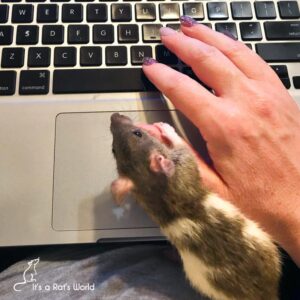
Making mealtimes a significant event helps rats associate their owner with the provision of sustenance. This establishes the owner as a valuable provider.
A consistent approach to offering healthy snacks, accompanied by a unique verbal cue or phrase delivered in a distinct tone, can train rats to associate the owner with positive feelings. Saxton’s personal cue, "Treats, Treats, Treats!" delivered with increasing pitch, elicited immediate responses from all her rats, even those who were typically standoffish. The sight of even her most introverted rats joining the "stampede" for treats was a clear indicator of progress in her bonding efforts.
Elevating the Friendship: Advanced Engagement
For those seeking to deepen their connection further, Saxton suggests activities like teaching rats tricks or creating mazes. While she has limited personal experience in these areas, she points to online resources as valuable guides. These activities offer novel ways to engage with rats and explore their intelligence and personalities.
Traveling with rats can also strengthen the bond. Saxton recounts how road trips often resulted in a more profound connection with her rats, even with the more timid ones. Being outside their familiar environment seemed to reinforce their trust in her.
Realistic Expectations for Rat Relationships
Saxton underscores that each rat offers a unique bonding experience. Some connections develop effortlessly, while others may present considerable challenges. Regardless of a rat’s individual disposition, maintaining a thriving connection requires ongoing effort from the owner. She advises against comparing one’s rats to those seen on social media, emphasizing that each rat is an individual with its own unique temperament and responsiveness.
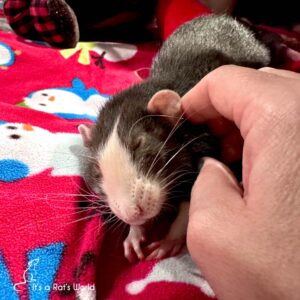
Her own experiences have spanned the spectrum from "soulmate status" to a more pragmatic "you’re the human I dislike the least, so I’m willing to tolerate you" level of connection. Even the latter, she notes, felt special due to the effort involved in achieving it. The moment a frightened rat finally lowers its guard and accepts an owner’s presence is described as a "great honor."
Ultimately, Saxton concludes that every rat is "worth the endeavor." The memories of the bonds forged and the special moments shared with them, she believes, are what endure long after their lives have passed, residing "forever in your heart." This sentiment encapsulates the profound and lasting impact that even the smallest of creatures can have on our lives.

