


The charming, side-to-side gait of penguins has long captivated observers, often leading to the impression that these flightless seabirds lack knees, with their feet appearing to emerge directly from their bodies. This perception, however, belies a complex and fascinating avian anatomy. Contrary to popular belief, penguins possess knees, a crucial component of their skeletal structure that facilitates their unique locomotion both on land and in the water. Their seemingly short legs and distinctive waddle are the result of a series of evolutionary adaptations honed over millennia, enabling them to thrive in some of the planet’s harshest environments. This exploration delves into the intricacies of penguin anatomy, revealing the presence and function of their hidden knees and the evolutionary pressures that shape their iconic waddle.
The Hidden Structure: Unpacking Penguin Leg Anatomy
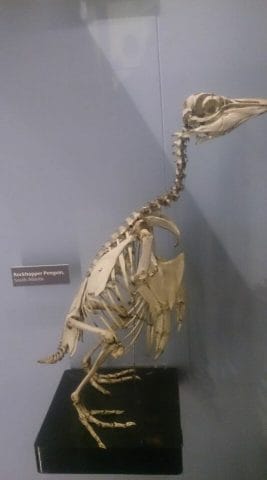
At first glance, penguins present an image of comically short legs, their stout bodies appearing to sit directly atop their large, webbed feet. This visual illusion is largely due to the significant portion of their legs, including the knees and upper leg bones, being concealed beneath their dense layer of waterproof feathers and blubber. When a penguin’s skeleton is examined, a different picture emerges: these birds possess legs that, relative to their torsos, are quite long, mirroring the general structure found in many other bird species.
A penguin’s leg comprises the same fundamental bones as a human leg: a femur (thigh bone), a tibia and fibula (lower leg bones), and the bones of the foot and ankle. Crucially, like most vertebrates, penguins have a knee joint that connects the femur to the tibia and fibula, allowing for articulation. They also possess a patella, or kneecap, which plays a vital role in stabilizing the knee joint and enabling smooth movement. The unique placement and function of these bones, particularly the knees, are directly linked to the penguin’s aquatic lifestyle and terrestrial ambulation.
Do Penguins Have Knees and Kneecaps? The Skeletal Reality
The question of whether penguins have knees is unequivocally answered with a resounding yes. All penguin species are equipped with knees, a fundamental requirement for bipedal locomotion. What makes their knees less obvious to the casual observer is their anatomical positioning and the dense plumage that covers them. The penguin’s knee joint is situated high up within its body, often close to the torso, and is completely obscured by feathers. This high placement is a key factor contributing to their characteristic waddle.
Furthermore, penguins possess kneecaps (patellae), a feature not universal among all bird species. The patella in penguins is adapted to fit snugly within the knee joint’s tendon, providing crucial stability and support. This adaptation is particularly important given the stresses placed on their legs during swimming, diving, and navigating icy terrains. The shape of the penguin’s patella, often described as cube-like, allows for efficient flexion and extension of the knee within the confined space afforded by their body structure.
Evolutionary Adaptations: The Science Behind the Waddle
The distinctive waddle of a penguin is not merely an aesthetic quirk but a sophisticated adaptation driven by evolutionary pressures. Several factors contribute to this unique gait, all intertwined with their skeletal structure and lifestyle.
Upper Legs and Hip Joints: The Foundation of Posture
The femur, or thigh bone, of a penguin is relatively short and connects to the pelvis, forming a hip joint. This joint allows for the characteristic upright posture observed in penguins. Unlike their longer-legged counterparts, the penguin’s femur is angled to support their body weight efficiently while standing. The bones of penguins are also denser and heavier than those of flying birds. This increased bone mass serves a critical purpose in their aquatic environment. Flying birds have lightweight, hollow bones to aid in flight. Penguins, having abandoned flight for mastery of the ocean, benefit from heavier bones that reduce buoyancy, allowing them to dive deeper and swim more effectively with less effort. This denser bone structure contributes to their stability in the water and influences their terrestrial movement.
The Knee’s Role in Movement and Stability
The penguin’s knee joint, though hidden, is essential for both terrestrial and aquatic movement. When walking on land, the knees are kept in a semi-flexed position, enabling them to maintain balance and propel themselves forward. This constant flexion is a direct result of the high placement of the knee and the length of their lower leg bones. The ability to flex and extend the knee, aided by the patella, allows them to navigate uneven icy surfaces, slide down snowbanks, and maintain a stable stance.
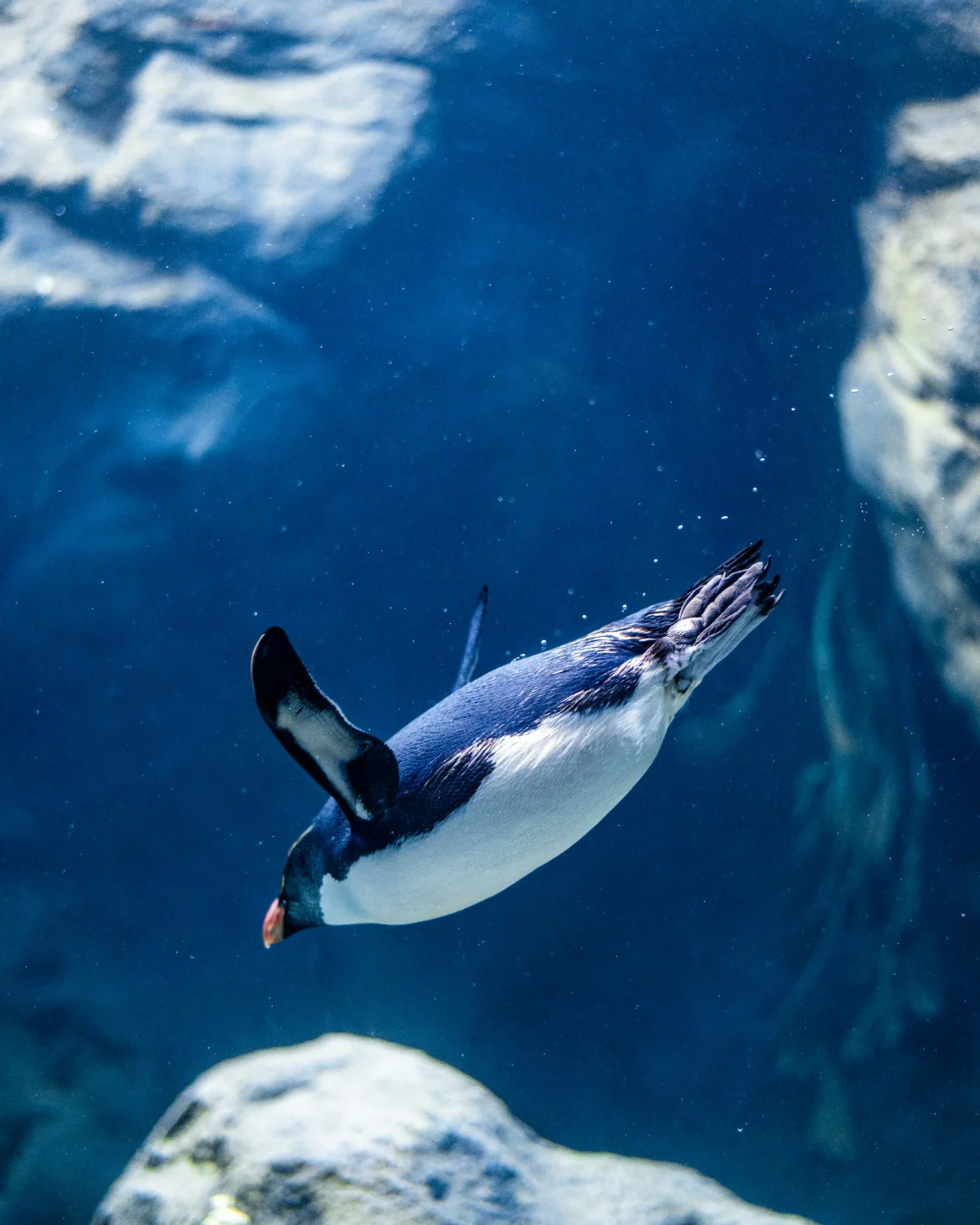
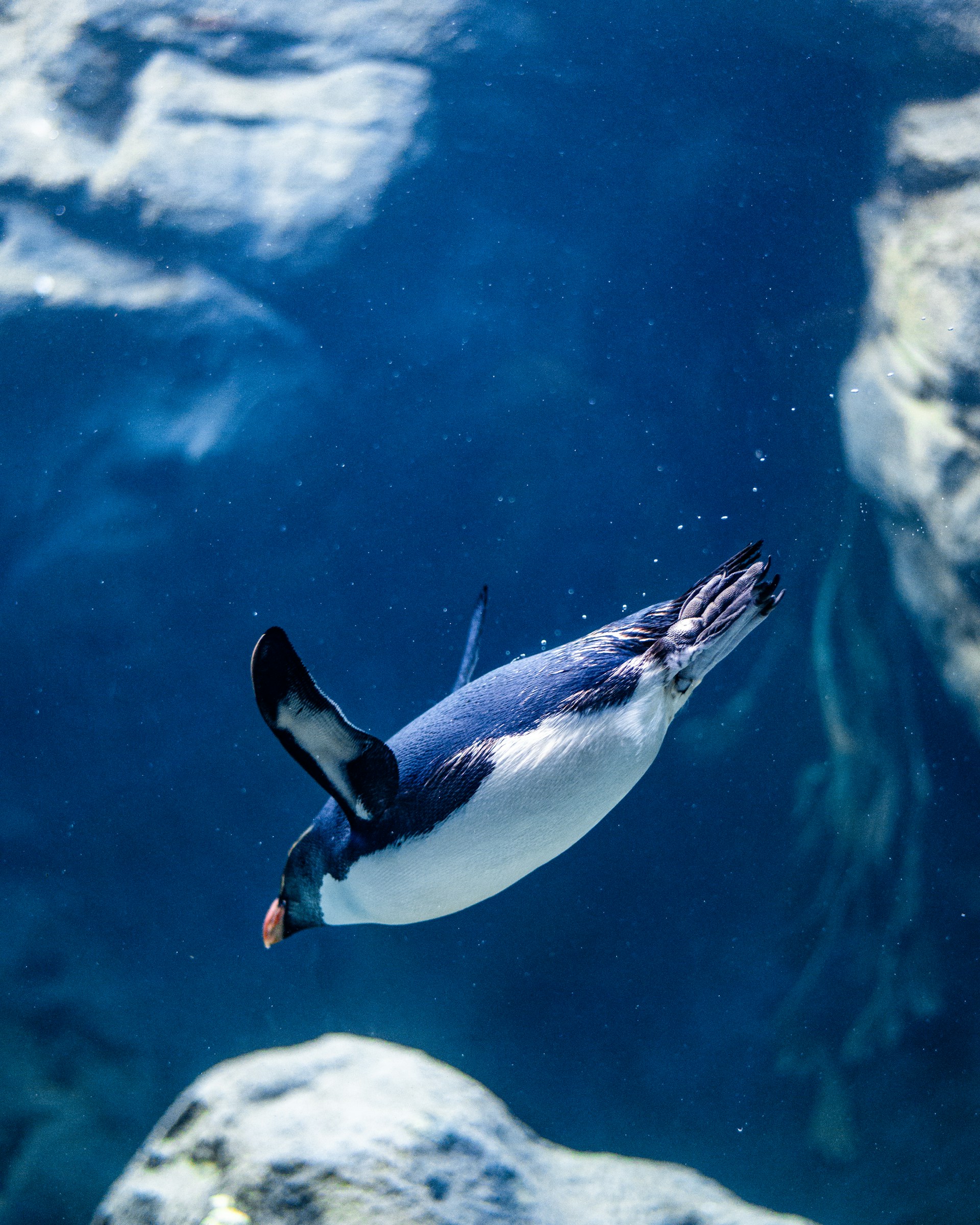
In the water, the powerful, paddle-like flippers do the primary work for propulsion. However, the legs and knees play a crucial supporting role. The bent knee position contributes to a more streamlined body profile in the water, reducing drag and enhancing swimming efficiency. This streamlined form is vital for chasing agile prey and evading predators. Furthermore, the ability to adjust their leg and knee position allows penguins to maneuver with surprising agility underwater.
Lower Legs and Ankles: The Visible Extremities
The lower leg bones, the tibiotarsus (a fusion of tibia and fibula), are proportionally longer in penguins compared to their upper legs and torso. This elongation contributes to the overall length of their legs, which, when combined with the high knee placement, creates the illusion of very short legs. The ankles of penguins are robust and powerful. It is often the ankle joint, situated just above the prominent feet, that is mistaken for the knee by observers. These strong ankles provide stability and act as a shock absorber when landing after a jump or navigating slippery surfaces.
Feet: The Anchors of Terrestrial and Aquatic Life
Penguin feet are perhaps their most recognizable feature after their distinctive tuxedo-like plumage. Large, webbed, and equipped with strong claws, these feet are perfectly adapted for their dual life. The webbing between the toes aids in steering and propulsion while swimming, acting like a paddle. The large surface area of the feet provides excellent traction on slippery ice and snow, preventing them from sliding uncontrollably. The claws are essential for gripping prey, climbing rocky outcrops, and even for grooming.
The Functional Significance: Why Knees Matter for Penguins
The presence and function of knees are integral to several key aspects of a penguin’s life. Beyond basic locomotion, these joints are vital for survival and reproduction.
Movement: Land and Sea Navigation
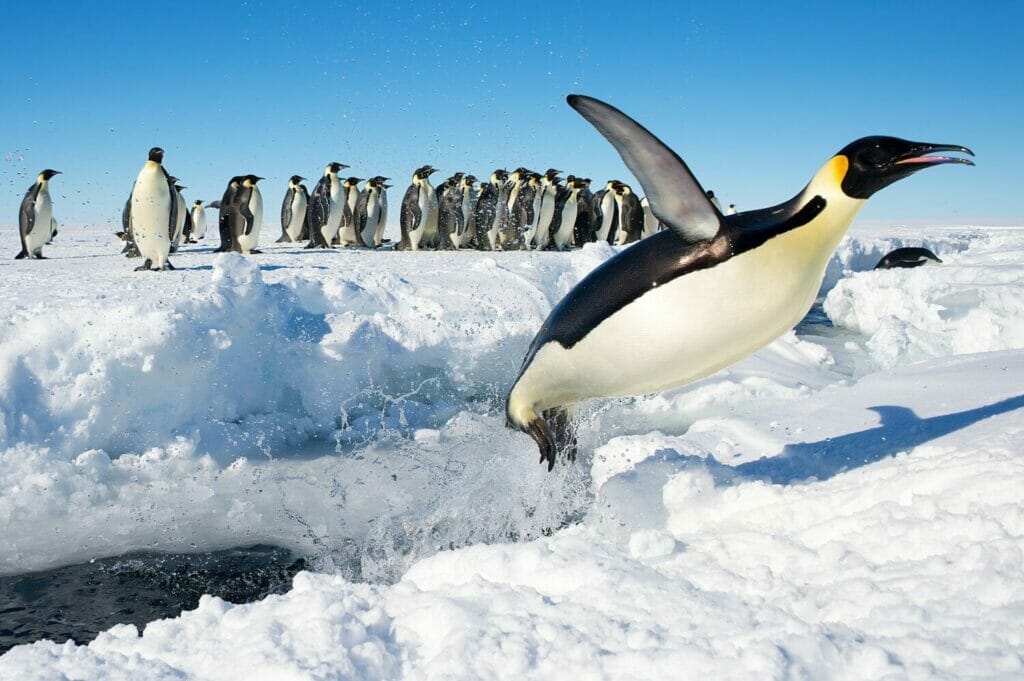
The primary function of a penguin’s knees is to facilitate movement. On land, the semi-flexed knees allow for their characteristic waddle, a gait that, while appearing cumbersome, is an energy-efficient method of locomotion for their body type. This waddle helps them conserve energy during long treks across icy landscapes or when returning to their colonies. In the water, the ability to bend and extend the knees contributes to their powerful swimming strokes and their ability to make sharp turns and dives. The streamlined body shape, facilitated by the tucked-in legs and bent knees, minimizes drag, allowing them to pursue fish and squid with speed and agility.
Incubation and Nesting Behavior
Remarkably, a penguin’s knees play a critical role in reproduction, specifically during egg incubation. Many penguin species, particularly those in colder climates like the Emperor penguin, incubate their single egg by carefully balancing it on their feet and tucking it beneath a brood pouch formed by a fold of abdominal skin. This position, held between the feet and lower abdomen, is stabilized by the bird’s ability to adjust its leg and knee positions. This ingenious method keeps the precious egg elevated off the frigid ground and protected from extreme temperatures, ensuring the survival of the next generation. The precise control over their leg and knee joints is paramount to successfully safeguarding the egg during long periods of incubation, often amidst harsh weather conditions.
Standing and Resting
Even for seemingly simple actions like standing and resting, penguin knees are essential. Their upright posture requires constant adjustments, and the ability to flex and extend their knees allows them to maintain balance and stability. When resting, penguins can adopt various positions, including standing or even sitting, utilizing the flexibility of their knee joints to achieve a comfortable and secure resting posture. This adaptability is crucial for conserving energy when not actively foraging or engaged in other demanding activities.
The Enigma of the Waddling Gait: Unpacking the Why
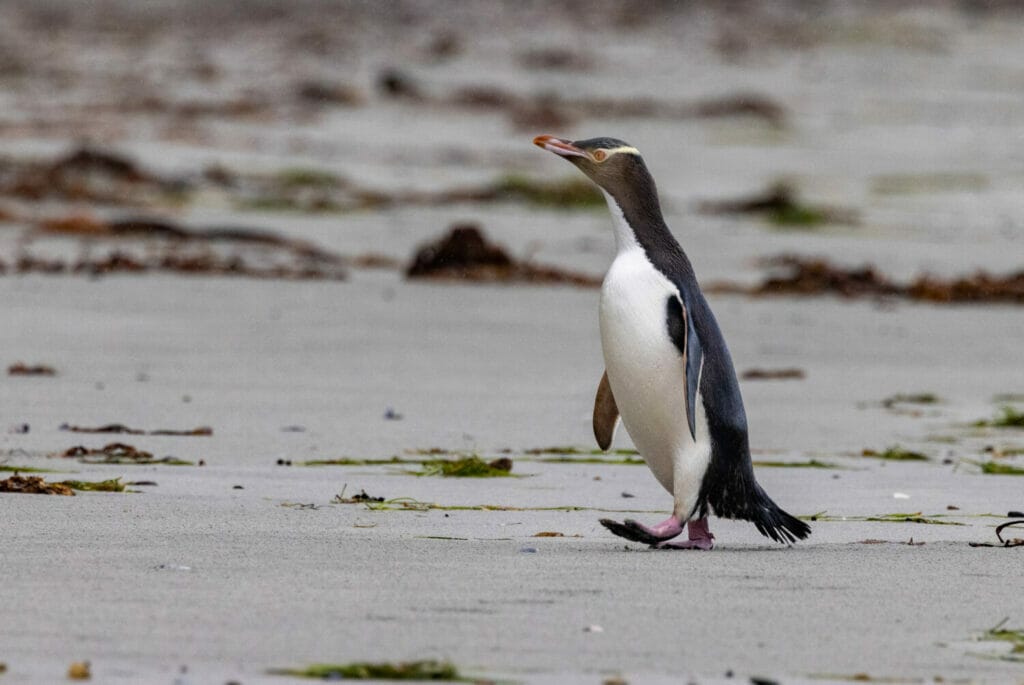
The question of "why do penguins waddle?" has intrigued scientists and the public alike. While their knees are functional, the peculiar gait stems from a confluence of anatomical and physiological factors.
Large Feet and Body Proportions
The disproportionately large size of penguin feet, essential for traction and swimming, presents a challenge for graceful terrestrial movement. Shifting such large appendages with each step requires a specific gait. The waddle allows them to move their large feet from side to side, minimizing the effort required to lift and reposition them. This side-to-side motion also helps distribute their weight more evenly, providing stability on slippery surfaces.
High Knee Placement and Leg Structure
As previously discussed, the high placement of penguin knees, coupled with their relatively long lower legs, forces a characteristic bent-knee posture. This anatomical arrangement, while advantageous for swimming, results in a shorter apparent leg length when viewed from the side. To compensate for this, penguins shift their weight from side to side with each step, creating the characteristic waddle. This motion helps them maintain balance and forward momentum without expending excessive energy.
Body Shape and Center of Gravity
Penguins possess a torpedo-shaped or oval body, which is highly efficient for aquatic movement. This body shape, combined with their upright stance and the placement of their legs, results in a high center of gravity. The waddling gait helps them to constantly adjust their center of gravity, preventing them from toppling over, especially on uneven or slippery terrain. It’s a controlled, albeit visually amusing, method of maintaining equilibrium.
Energy Conservation Strategies
For bipeds, walking can be an energy-intensive activity, particularly for animals with significant body mass. Penguins, especially larger species like the Emperor penguin, have a considerable body mass relative to their leg length. Waddling is a highly efficient method of terrestrial locomotion for them. Instead of taking long, energy-demanding strides, they employ a more economical side-to-side motion. This strategy conserves vital energy, which can then be allocated to essential activities such as foraging, breeding, and surviving in their demanding environment. The energy saved through efficient waddling can be the difference between life and death in the harsh Antarctic conditions.
Broader Implications and Conservation Context
Understanding the intricate anatomy of penguins, including the function of their hidden knees, offers valuable insights into the power of evolutionary adaptation. These adaptations have allowed penguins to colonize diverse habitats across the Southern Hemisphere, from the icy expanses of Antarctica to the temperate coasts of South America, Africa, Australia, and New Zealand.
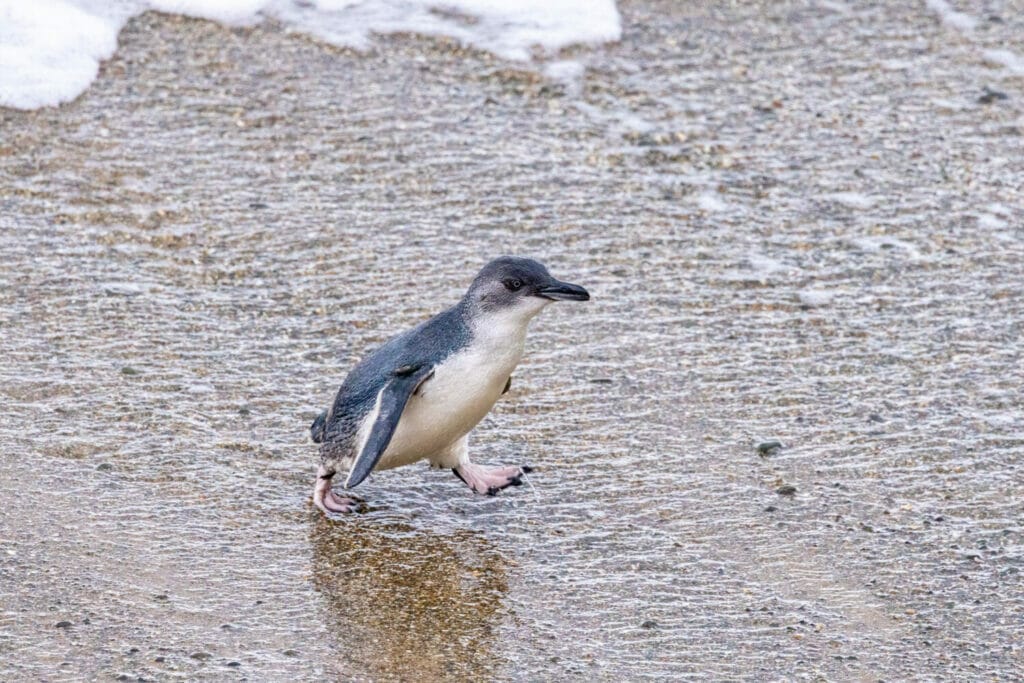
The existence of 18 recognized penguin species, each with its own specific ecological niche and adaptations, underscores the success of this avian lineage. From the colossal Emperor penguin, known for its remarkable breeding cycle in the depths of Antarctic winter, to the diminutive Little Blue penguin, the smallest of all species, each has evolved unique strategies for survival.
However, these specialized adaptations also make penguins particularly vulnerable to environmental changes. Climate change, with its impact on sea ice, prey availability, and breeding grounds, poses a significant threat to many penguin populations. Understanding their biological needs, including the biomechanics of their movement and reproductive strategies, is crucial for developing effective conservation efforts. Research into penguin anatomy and physiology can inform habitat protection measures, identify critical breeding sites, and guide strategies to mitigate the impacts of human activities such as fishing and pollution.

The study of penguin knees, therefore, transcends mere curiosity about a beloved animal’s gait. It is a window into the remarkable process of evolution, highlighting how form follows function and how even the most seemingly simple movements are the result of complex biological machinery honed over millions of years. As we continue to observe and learn from these captivating birds, a deeper appreciation for their unique anatomy and the challenges they face in a changing world is paramount. The future of these flightless wonders hinges on our ability to understand and protect the delicate balance of their environment, a balance intrinsically linked to their evolutionary journey.

