


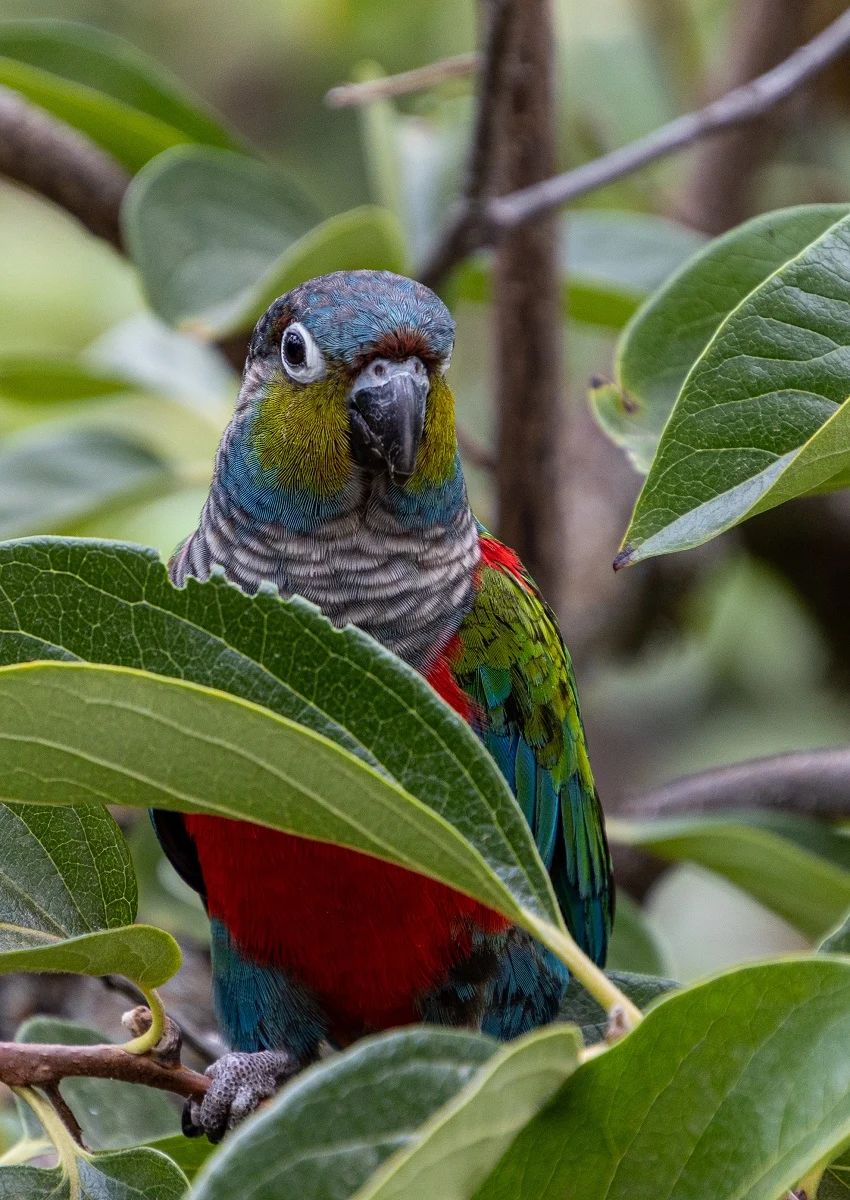
For those considering a small parrot to integrate into their family dynamic, the crimson-bellied conure (Pyrrhura perlata) presents itself as a captivating option. Known for its striking coloration and often described as clownish yet friendly, this South American species offers a unique blend of personality and visual appeal. However, prospective owners are advised to undertake thorough research, understanding the intricate requirements for its care, ranging from its natural history and wild diet to the specific conditions necessary for thriving in a domestic environment.
Species Overview and Distinctive Appearance
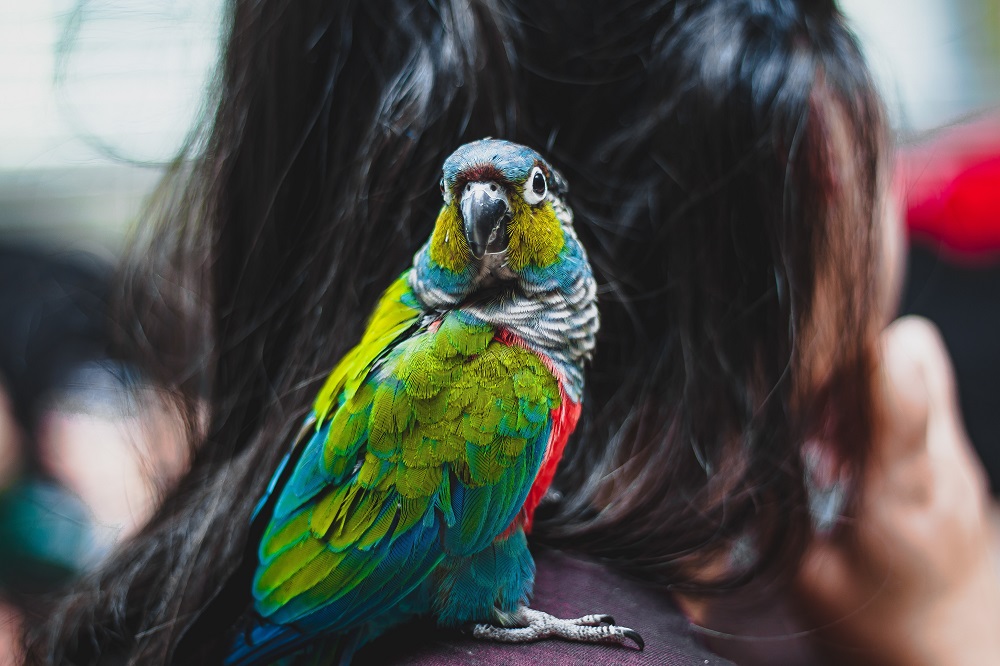
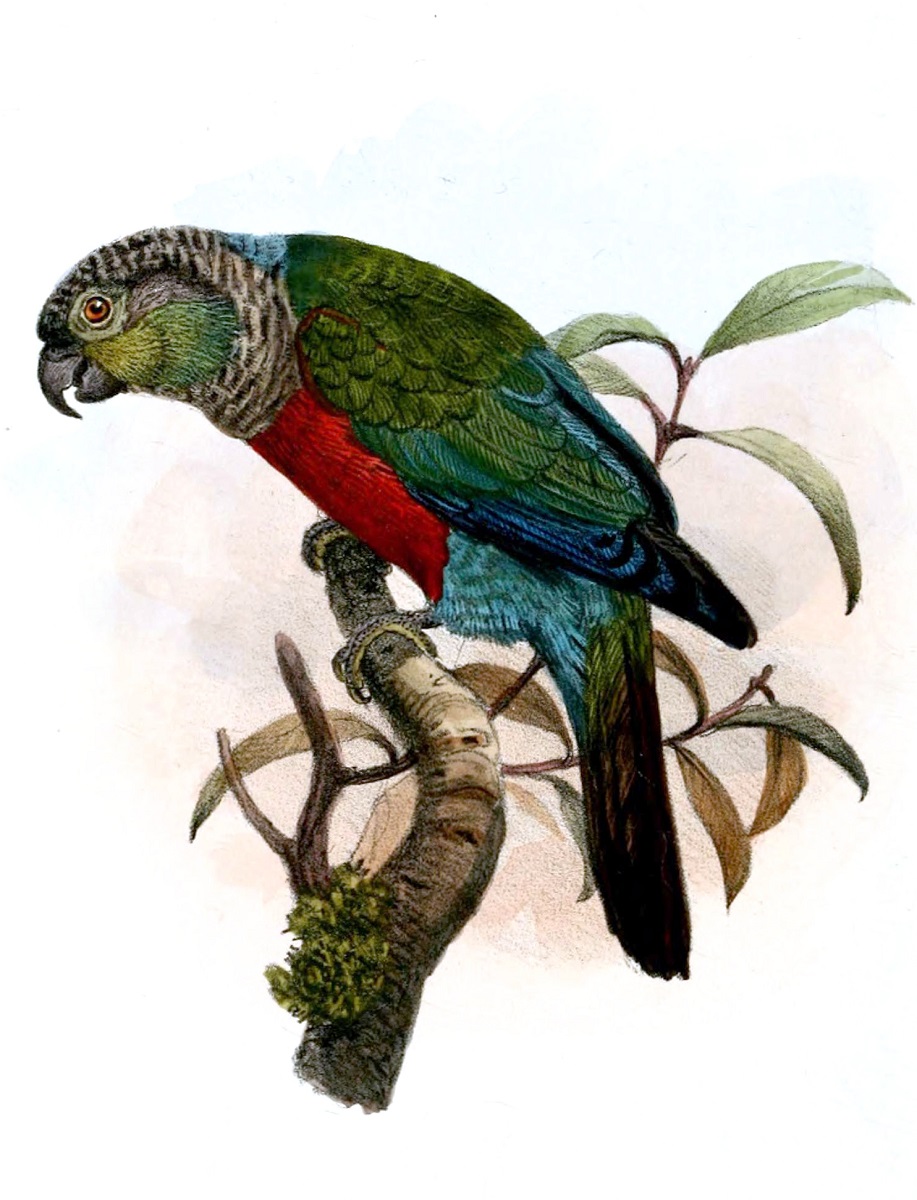
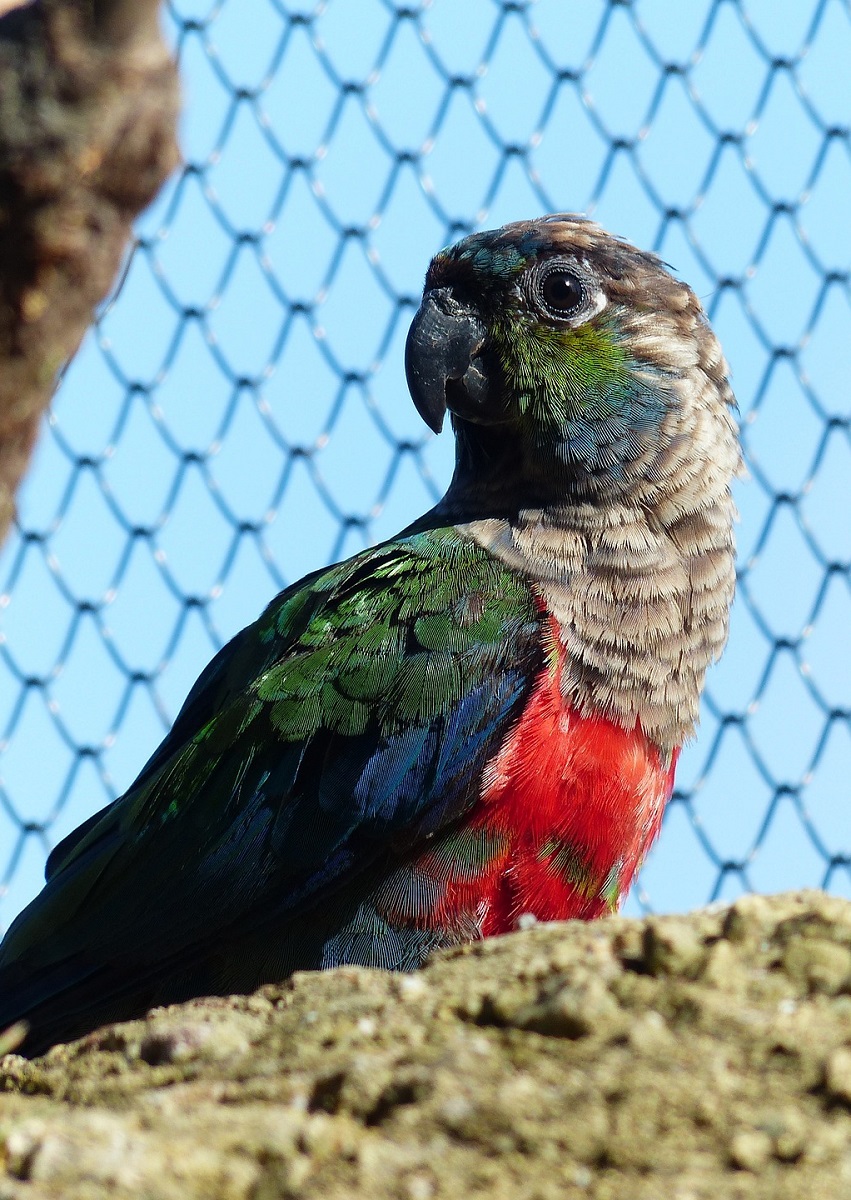
The crimson-bellied conure, also occasionally referred to as the crimson-bellied parakeet, is an exquisitely colorful avian species, even among the diverse parrot family. Its most notable feature, as its common name suggests, is a vibrant shade of crimson across its abdomen. This striking red is complemented by a rich tapestry of other hues: deep green on its back and wings, a blue crown and nape, and a distinctive greyish-brown chest adorned with scalloped white edges. The tail feathers are a deep maroon, almost black, and contrast beautifully with the brighter body plumage. White eye rings encircle intelligent dark eyes, set against a black beak.
This species is characterized by its relatively small size and long tail, typically reaching lengths of up to 10 inches (25 cm) and weighing approximately 90 grams. While males and females are visually indistinguishable, a feature common among many parrot species, it is important for owners to note that the signature bright red belly may take up to a year to fully develop in juvenile birds, appearing more muted in their early months.
The vibrant plumage of Pyrrhura perlata is not merely for aesthetic appeal; in their natural habitat, these colors likely serve functions such as camouflage amidst the dense rainforest foliage, species recognition, and potentially mate selection. Compared to other Pyrrhura conures, such as the widely popular Green-cheeked Conure (Pyrrhura molinae), the crimson-bellied conure’s specific pattern of red, green, and blue makes it particularly distinctive, setting it apart visually within its genus.
Natural Habitat and Ecological Role
Crimson-bellied conures are endemic to central South America, primarily inhabiting the vast Brazilian Amazon Basin. Their range is concentrated particularly within the state of Rondônia, though populations also extend into northern Bolivia. Within this expansive territory, the species predominantly favors lush, non-seasonally flooded rainforests, known ecologically as terra firme forests. These environments provide a stable, rich habitat year-round, unlike seasonally inundated areas.
These adaptable birds are not overly selective regarding their specific forest environment, thriving in both dense, primary forest interiors and along forest edges, as well as in secondary growth forests that have undergone some level of disturbance. This adaptability suggests a degree of resilience to certain habitat changes, though not to widespread deforestation.
In their natural setting, crimson-bellied conures, much like most parrot species, exhibit strong social behaviors, typically traveling in small, cohesive flocks. These groups can range from a few individuals to more than a dozen, engaging in communal foraging and roosting. Observations have indicated that they sometimes associate with other conure species, such as the painted conure (Pyrrhura picta), forming mixed-species foraging groups. This interspecies interaction can offer benefits such as enhanced predator detection and access to diverse food sources. For nesting, these conures utilize hollow trees, seeking out natural cavities that provide protection for their eggs and chicks.
A typical day for a wild crimson-bellied conure commences with the dawn chorus, as flocks emerge from their roosting sites. The early morning hours are dedicated to active foraging, as they seek out fruits, flowers, and catkins. Mid-day might involve periods of rest, preening, and social interaction within the flock, often high in the canopy to avoid predators. As evening approaches, flocks will typically make their way back to communal roosting sites, often the same hollow trees or dense foliage, to spend the night.
Conservation Status and Threats
The International Union for Conservation of Nature (IUCN) Red List currently classifies Pyrrhura perlata as a species of "Least Concern" in its natural habitat. While this designation might suggest a stable population, the IUCN explicitly notes a decreasing population trend. This decline is primarily attributed to two significant anthropogenic pressures: deforestation and hunting.
The Brazilian Amazon, which forms the core of the crimson-bellied conure’s range, is a global hotspot for biodiversity but also a front line for environmental degradation. Data from organizations such as Brazil’s National Institute for Space Research (INPE) consistently report alarming rates of deforestation. Between 2000 and 2019, the Brazilian Amazon lost an area equivalent to the size of Spain due to logging, agriculture (particularly cattle ranching and soy cultivation), and mining. This habitat destruction directly fragments and reduces the available terra firme forest crucial for species like Pyrrhura perlata.
"While the ‘Least Concern’ status offers some reassurance, it’s a dynamic assessment," explains Dr. Elena Petrova, a conservation biologist specializing in Neotropical birds. "Even seemingly stable populations can experience rapid declines if habitat loss accelerates. The fragmented nature of remaining forests can isolate populations, reducing genetic diversity and increasing vulnerability to disease and local extinctions. Continuous monitoring and proactive conservation measures are paramount."
Hunting, though less extensively documented than deforestation for this specific species, can also pose a localized threat, particularly for the pet trade or subsistence. The implications of these threats, even for a "Least Concern" species, are significant. Persistent habitat degradation could lead to a re-evaluation of their conservation status in the future, highlighting the fragility of even seemingly common species within rapidly changing ecosystems.
The Crimson-Bellied Conure as a Companion Animal
Among the Pyrrhura genus, many conure species are highly sought-after as companion parrots due to their manageable size, intelligence, and engaging personalities. While green-cheeked conures may be more prevalent in the pet trade, crimson-bellied conures are increasingly recognized as excellent choices for the discerning owner capable of meeting their specific needs.
Temperament and Social Needs
Crimson-bellied conures are often affectionately described as "loveable rogues." Their temperament is a delightful blend of playful mischief and affectionate devotion. A well-socialized crimson-bellied conure is known for its outgoing and cheeky demeanor, enjoying interactive play and exploration. Simultaneously, these birds are highly capable of forming deep bonds with their human companions, often seeking out physical affection, such as cuddling on a shoulder or soliciting head scratches.
As intelligent beings, parrots require significant mental stimulation. Their intelligence, comparable to that of a human toddler, means they thrive on interaction and engagement. "Conures, especially, are wired for social interaction," states Dr. Marcus Thorne, a certified avian behaviorist. "Depriving them of consistent human interaction or the company of their own kind can lead to serious behavioral issues like excessive screaming, feather plucking, and even aggression. They are not merely pets; they are complex social animals requiring daily engagement."
This inherent curiosity and propensity for play mean that prospective owners must be prepared for a certain degree of "chaos." Conures are chewers by nature, and without appropriate outlets, household items can become targets. However, for those who appreciate a lively, friendly, and somewhat mischievous companion, the crimson-bellied conure can provide decades of joyful companionship.
Lifespan and Commitment
One of the most critical considerations for potential owners is the crimson-bellied conure’s impressive lifespan. With proper care, a healthy diet, and a good dose of luck, these birds can live for 20 years or more. This longevity transforms pet ownership into a profound, decades-long commitment, akin to raising a child or caring for a long-lived companion animal.
"Many people underestimate the long-term commitment involved in owning a parrot," warns Dr. Anya Sharma, an avian veterinarian with over two decades of experience. "A 20-year lifespan means planning for their care through various life stages, including potential changes in the owner’s living situation. It’s crucial to consider who would care for the bird if the primary owner becomes unable to, as these animals become deeply attached and rehoming can be traumatic." Factors influencing longevity include a species-appropriate diet, regular veterinary check-ups, a stimulating environment, and consistent social interaction.
Comprehensive Care Guidelines for Captive Crimson-Bellied Conures
Providing optimal care for a captive crimson-bellied conure involves addressing their complex dietary, housing, and psychological needs.

Dietary Requirements
The wild diet of crimson-bellied conures, thriving in the biodiverse Amazon, is remarkably varied. They primarily consume wild figs and other fruits, flowers, and catkins. A fascinating aspect of their wild diet is their visitation to clay licks, where they ingest soil. This behavior is understood to be crucial for obtaining vital micronutrients and minerals often lacking in their fruit-heavy diet, and potentially to neutralize plant toxins.
In captivity, a varied and nutritionally complete diet is paramount for the health and longevity of a crimson-bellied conure. Avian veterinarians, including Psittacology’s resident expert Dr. Daisy, strongly advocate against a seed-based diet as the primary food source. "A diet consisting predominantly of seeds is akin to a human living on fast food," states Dr. Sharma. "It leads to severe nutritional deficiencies, particularly in vitamins A and D, calcium, and essential amino acids, resulting in conditions like liver disease, kidney failure, and weakened immune systems."
The cornerstone of a captive conure’s diet should be high-quality, formulated pellets, which provide balanced nutrition. This pellet base should be supplemented daily with a wide array of fresh vegetables, such as leafy greens (kale, spinach), bell peppers, carrots, and broccoli. Fresh fruits, including berries, apples, and bananas, can be offered regularly in moderation due to their sugar content. Other suitable additions include cooked whole grains (e.g., quinoa, brown rice), pesticide-free foraged grasses, and occasional treats like a few sunflower seeds, given sparingly. Access to fresh, clean water from multiple sources should be available 24/7.
Housing and Environment
Despite their relatively small stature among parrots, crimson-bellied conures are highly active and energetic birds. Therefore, providing the largest possible cage is a critical aspect of their welfare, particularly if the bird will not have extensive periods of supervised free-flight outside the cage. A minimum cage width of 36 inches (90 cm) is generally recommended, but an even larger enclosure or an indoor aviary is ideal if free-flight time is limited.
The cage interior must be thoughtfully furnished. Plastic and single-diameter dowel perches should be avoided, as they can lead to foot problems such as bumblefoot over time. Instead, a variety of natural wood perches of differing diameters and textures should be provided. These promote foot health by exercising different muscles and preventing pressure sores. The cage should also be equipped with plenty of toys, foraging opportunities, and multiple food and water dishes. Furthermore, the placement of the cage is important; it should be in a central, active part of the home but also offer a quiet corner for rest and security.
Enrichment and Mental Stimulation
All parrots are highly intelligent, inquisitive creatures with a profound need for mental stimulation and physical activity. For crimson-bellied conures, enrichment is not merely a luxury but a fundamental component of their well-being. A lack of adequate stimulation can result in severe stress, manifesting as destructive behaviors such as excessive screaming, feather plucking, self-mutilation, aggression, and obesity due to inactivity.
Effective enrichment strategies include:
- Foraging Toys: These mimic natural foraging behaviors, requiring the bird to work for its food.
- Chew Toys: Parrots have a natural need to chew to maintain beak health and for mental stimulation. Providing safe, destructible toys (e.g., natural wood, untreated leather, paper) is essential.
- Puzzle Toys: These challenge a bird’s cognitive abilities.
- Social Interaction: Daily, positive interaction with human family members is crucial. This can include talking, playing, training sessions, and quiet cuddle time.
- Exposure to Novelty: Rotating toys, introducing new safe objects, and providing varied sensory experiences (e.g., bird-safe music, supervised outdoor time) can keep them engaged.
- Flight Opportunities: Regular opportunities for flight, even within a bird-proofed room, are vital for physical health and mental well-being.
- Bathing Opportunities: Many conures enjoy misting or shallow water baths, which are important for feather health.
"Enrichment is a dynamic process," notes Dr. Thorne. "What excites a bird one day might be ignored the next. Owners need to be creative and observant, constantly offering new challenges and opportunities for exploration to prevent boredom and stimulate natural behaviors." Any area accessible to the conure should be thoroughly bird-proofed, removing potential hazards such as toxic plants, exposed electrical wires, open toilets, and accessible cleaning products.
Vocalization and Communication
While conures are generally known for their vocal nature, crimson-bellied conures are considered to be on the lower end of the noise spectrum compared to some of their louder cousins, such as sun conures. However, no parrot is truly "quiet." Owners can anticipate periods of loud vocalization, particularly when the bird is excited, startled, seeking attention, or communicating distress. Their calls are often described as sharp, high-pitched screeches or squawks.
Prospective owners should make an effort to experience the vocalizations of a crimson-bellied conure firsthand, perhaps by visiting an owner or listening to recordings on platforms like xeno-canto. This allows for a realistic assessment of whether their noise level is compatible with the owner’s living situation and tolerance.
Regarding speech capabilities, most parrots possess an innate knack for imitation. However, Pyrrhura conures, including the crimson-bellied, are not renowned for their extensive talking abilities. While some individuals may learn to mimic a few words or phrases, their vocalizations are more often characterized by the imitation of household sounds, such as phone rings, microwave beeps, or car alarms. True conversational ability is rare, and it should not be a primary expectation for ownership.
Health and Veterinary Care
Maintaining the health of a crimson-bellied conure requires proactive measures and regular veterinary attention. Regular check-ups with an avian veterinarian are essential, ideally annually, to monitor overall health, conduct preventative screenings, and address any potential issues early.
Common signs of illness in parrots can be subtle and include changes in appetite or droppings, lethargy, fluffed feathers, discharge from nares or eyes, or changes in vocalization. Parrots are masters at hiding illness, a survival instinct in the wild, so any deviation from normal behavior warrants immediate veterinary consultation. "Early detection is critical with parrots," emphasizes Dr. Sharma. "By the time a parrot shows obvious signs of sickness, they are often gravely ill. Routine check-ups help us catch issues before they become emergencies."
Owners should also be prepared for potential emergencies by knowing the location of their nearest emergency avian vet and having a basic bird first-aid kit. Common ailments can include respiratory infections, psittacosis (parrot fever), gastrointestinal issues, and nutritional deficiencies if the diet is not optimal. Providing a clean environment, proper diet, and stress-free living conditions are the best preventative measures.
Ethical Considerations and Responsible Ownership
Adopting a crimson-bellied conure, or any parrot, is a profound commitment that extends beyond providing food and shelter. It involves embracing the responsibility for a highly intelligent, social, and long-lived creature with complex needs. Ethical ownership demands thorough pre-adoption research, selecting birds from reputable breeders or rescue organizations that prioritize the welfare of their animals, and being prepared for the significant financial and time investment required.
While Pyrrhura perlata is not currently listed under CITES (Convention on International Trade in Endangered Species of Wild Fauna and Flora) Appendix I or II, and is not a primary target of the illegal pet trade like some more endangered species, the broader implications of the exotic pet trade remain a concern. Responsible ownership includes supporting ethical breeding practices that do not deplete wild populations or contribute to animal suffering.
In conclusion, the crimson-bellied conure stands out as a vibrant and engaging companion parrot for individuals or families prepared for the commitment. Its striking appearance, intelligent mind, and affectionate nature make it a rewarding addition to a home. However, understanding and meeting its comprehensive needs—from a balanced diet and spacious, enriched housing to consistent social interaction and proactive veterinary care—are paramount to ensuring a healthy, happy life for these captivating Amazonian gems for many decades to come.

