


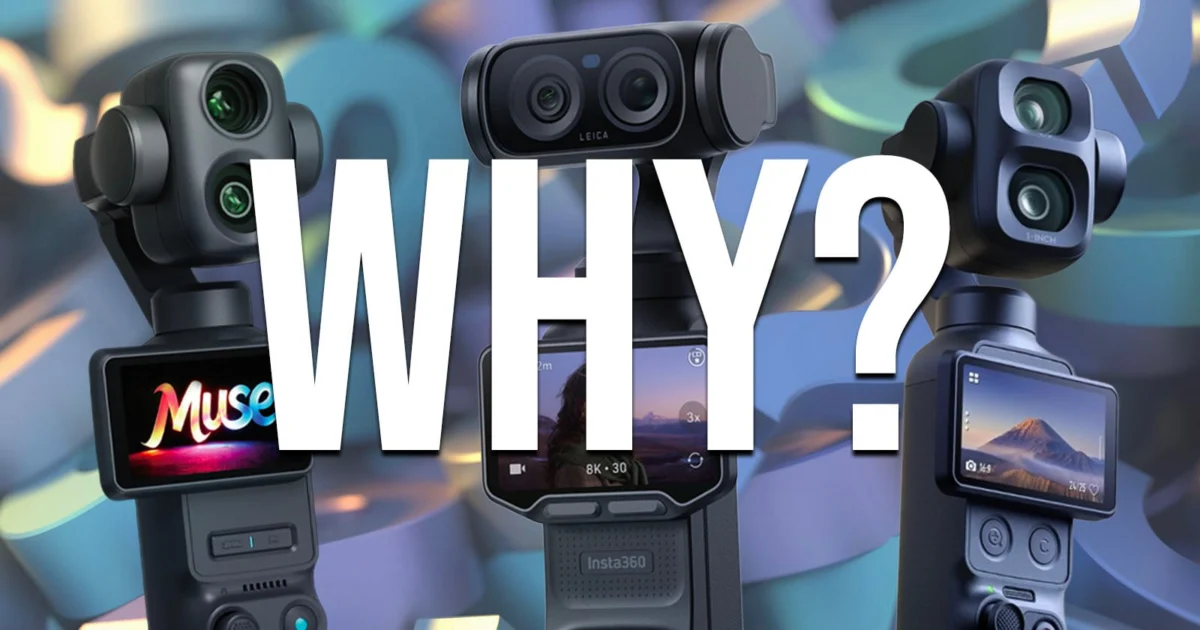
The consumer electronics industry is currently witnessing a transformative and highly competitive era in the handheld imaging sector, specifically within the niche of stabilized gimbal cameras. Over the second quarter of 2024, the photography and content creation communities have been the focus of an unconventional series of product rollouts from three primary manufacturers: DJI, Insta360, and the newcomer Xtra. These companies are vying for dominance in the "next-generation" category of dual-sensor gimbal cameras, a hardware evolution that seeks to provide creators with multiple focal lengths in a pocketable form factor. However, the nature of these launches—characterized by staggered regional availability, opaque pricing structures, and complex legal maneuverings—has raised significant questions regarding the current state of marketing transparency in the tech industry.
The Rise of the Dual-Sensor Gimbal Architecture
The transition toward dual-sensor systems in handheld gimbals represents the most significant hardware shift since DJI introduced the original Osmo Pocket in late 2018. Following the massive commercial success of the DJI Osmo Pocket 3, which utilized a 1-inch Type sensor, the market has moved toward a "Pro" or "Ultra" tier of devices. The three flagship models currently at the center of industry attention are the DJI Pocket 4P, the Insta360 Luna Ultra, and the Xtra Muse 2 Pro.
The engineering logic behind the dual-sensor approach mirrors the evolution of the modern smartphone. By incorporating two separate camera modules—typically a wide-angle lens for environmental shots and a longer focal length for portraits or cinematic depth—manufacturers can offer a level of versatility previously reserved for interchangeable lens cameras. Technical data suggests that these devices are aiming for a professional-grade output, with teased specifications for the DJI Pocket 4P including a Type 1 sensor, 10-bit D-Log color profiles, and a claimed 17 stops of dynamic range. If these figures hold true under independent testing, it would place the dynamic range of a handheld pocket camera on par with high-end cinema cameras like the ARRI Alexa or Sony VENICE, a feat achieved through advanced computational photography and sensor stacking.
A Chronology of Uncertainty: The 2024 Launch Cycle
The timeline of these product releases has been anything but traditional, leading to what industry analysts describe as "market fatigue." The cycle began in April 2024, when rumors of a "Pocket 4" successor began to circulate. However, rather than a single global unveiling, the industry was met with a series of fragmented announcements.
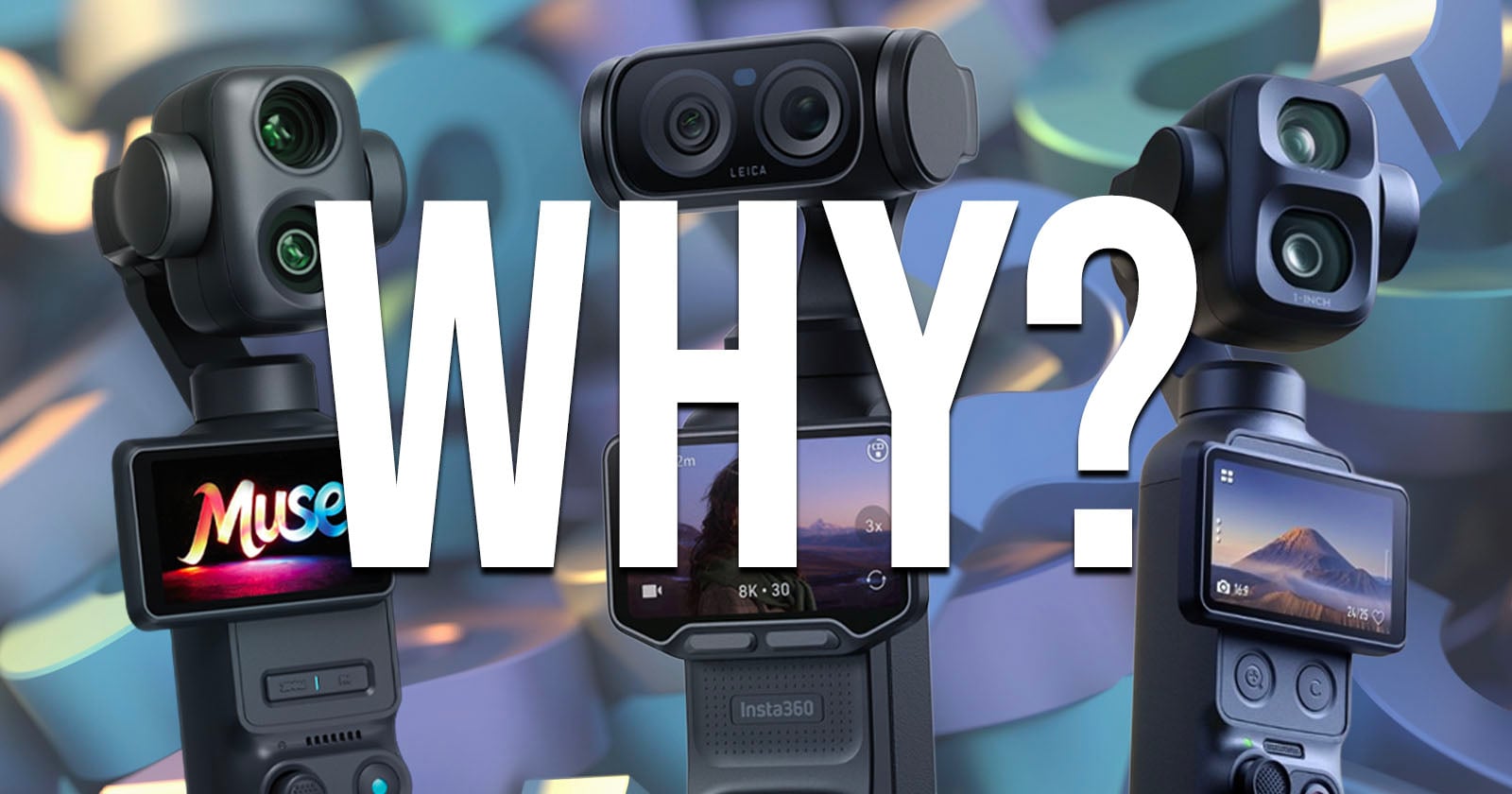
In early May, DJI held an event at the Cannes Film Festival where it showcased the Osmo Pocket 4P. Despite the high-profile venue, the company limited its disclosures to high-level sensor specifications, withholding final pricing and a firm release date for the Western market. Shortly thereafter, the camera was fully launched in mainland China, creating a regional information vacuum where international consumers had to rely on translated reviews and third-party grey-market listings to understand the product they were expected to wait for.
Concurrently, Insta360 prepared its response with the Luna Ultra. The launch of this device was marred by a premature listing on the B&H Photo Video website in mid-June, which effectively forced the company’s hand. Until that leak, Insta360 had utilized a marketing strategy involving "frosted glass" teasers and NDAs (non-disclosure agreements) that allowed certain influencers to show the product while others remained silenced.
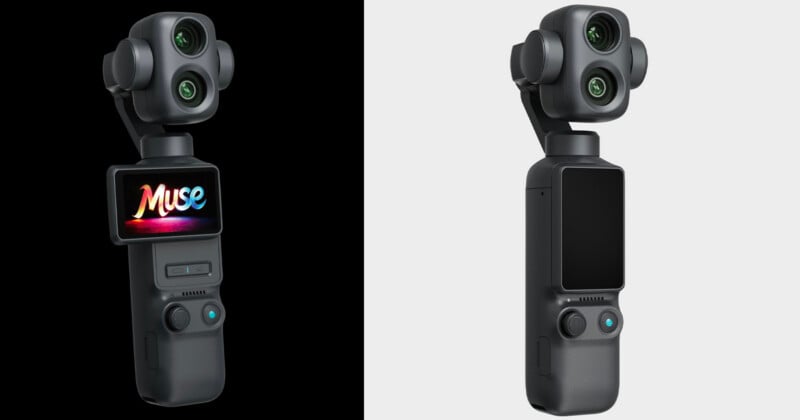
The third player, Xtra, entered the fray with the Muse 2 Pro. Its strategy has proven the most controversial among consumer advocates. Xtra introduced an "Early Access" reservation system that required potential buyers to place a monetary deposit to secure a place in line. Critically, this was done without confirming the final retail price, which was only vaguely described as "$6XX," or providing a definitive shipping window.
Geopolitical Implications and the DJI-Xtra Connection
A significant portion of the current market confusion stems from the complex geopolitical landscape surrounding Chinese technology companies. DJI, the market leader, has faced increasing scrutiny and legislative pressure in the United States, including potential import bans under proposed federal acts. This has led to speculation regarding the emergence of Xtra, a brand whose product line—including the Muse 2 Pro—bears a striking physical and technical resemblance to DJI’s Osmo series.
Industry observers have noted that while DJI is currently engaged in aggressive patent litigation against Insta360—alleging violations of multiple gimbal and sensor technologies—it has remained silent regarding Xtra’s nearly identical designs. This has fueled theories that Xtra may serve as a U.S.-based proxy or a licensed partner for DJI, allowing the technology to remain available in the American market even if DJI-branded products face regulatory hurdles. While no official shell company structure has been publicly confirmed, the "carbon copy" nature of the hardware suggests a deep level of technological cooperation that complicates the competitive landscape.
Supporting Data: The Economic Stakes of the "Pocket" Segment
The intensity of these "marketing wars" is driven by the lucrative nature of the standalone camera market. As smartphones have decimated the entry-level point-and-shoot camera segment, high-end "vlogging" cameras have become one of the few growth sectors in imaging.
Market data from 2023 indicated that the DJI Osmo Pocket 3 was one of the fastest-selling standalone cameras in the world, frequently going out of stock at major retailers for months after its release. For manufacturers, the stakes involve millions of dollars in potential revenue and the capture of the "influencer" demographic, which prioritizes portability, stabilization, and high dynamic range for vertical video platforms like TikTok and Instagram Reels.
The competitive pricing of the Xtra Muse 2 Pro, positioned in the sub-$700 range, is a direct attempt to undercut Insta360’s Luna Ultra, which is expected to retail at a higher premium. This price war, however, is being conducted in the shadows of "placeholders" and "reservations," rather than transparent retail competition.
Analysis of Consumer Sentiment and Market Impact
The current strategy of staggered releases and "obfuscated launches" represents a significant risk to brand loyalty. In the digital age, the concept of a "regional bubble" is largely obsolete. When a product launches in China or Japan weeks before it reaches the U.S. or Europe, the "hype cycle" often peaks and fades before the product is even available for purchase in the latter regions.
Furthermore, the use of "early access" deposits for unpriced products is a departure from traditional consumer electronics norms. While common in the automotive industry (e.g., Tesla reservations) or in crowdfunding (Kickstarter), it is rare for established consumer electronics brands. This approach shifts the financial risk onto the consumer and can lead to frustration if the final product specifications or price do not meet the expectations set during the "hype" phase.
Professional photographers and content creators have expressed growing dissatisfaction with these tactics. The lack of substantive information regarding battery life, thermal management in 4K/120fps recording, and software ecosystem compatibility—details often omitted in favor of "dynamic range" buzzwords—makes it difficult for professionals to make informed purchasing decisions or plan their equipment upgrades.
Future Outlook for the Gimbal Camera Industry
Despite the "weird and frankly stupid" nature of the current launch cycle, as some critics have described it, the technological advancements in the DJI Pocket 4P, Insta360 Luna Ultra, and Xtra Muse 2 Pro are undeniable. The move to dual-sensor arrays marks a point of no return for the industry; single-lens gimbal cameras may soon be relegated to the budget tier.
As we move toward the third quarter of 2024, it is expected that the "fog of war" will lift as all three products reach full global availability. However, the precedent set by this launch cycle may have long-term effects. If the "reservation without pricing" model proves successful for Xtra, other manufacturers may adopt similar strategies to gauge market demand before committing to final production runs.
For the consumer, the advice from industry experts remains consistent: exercise caution. Until independent reviews are available and final pricing is locked in, the "early access" and "staggered launch" systems serve the interests of corporate chess matches more than the needs of the end-user. The evolution of the pocket camera is an exciting technological frontier, but the pathway to market in 2024 has become a cautionary tale of how competition, litigation, and geopolitical tension can complicate the simple act of buying a camera.

