


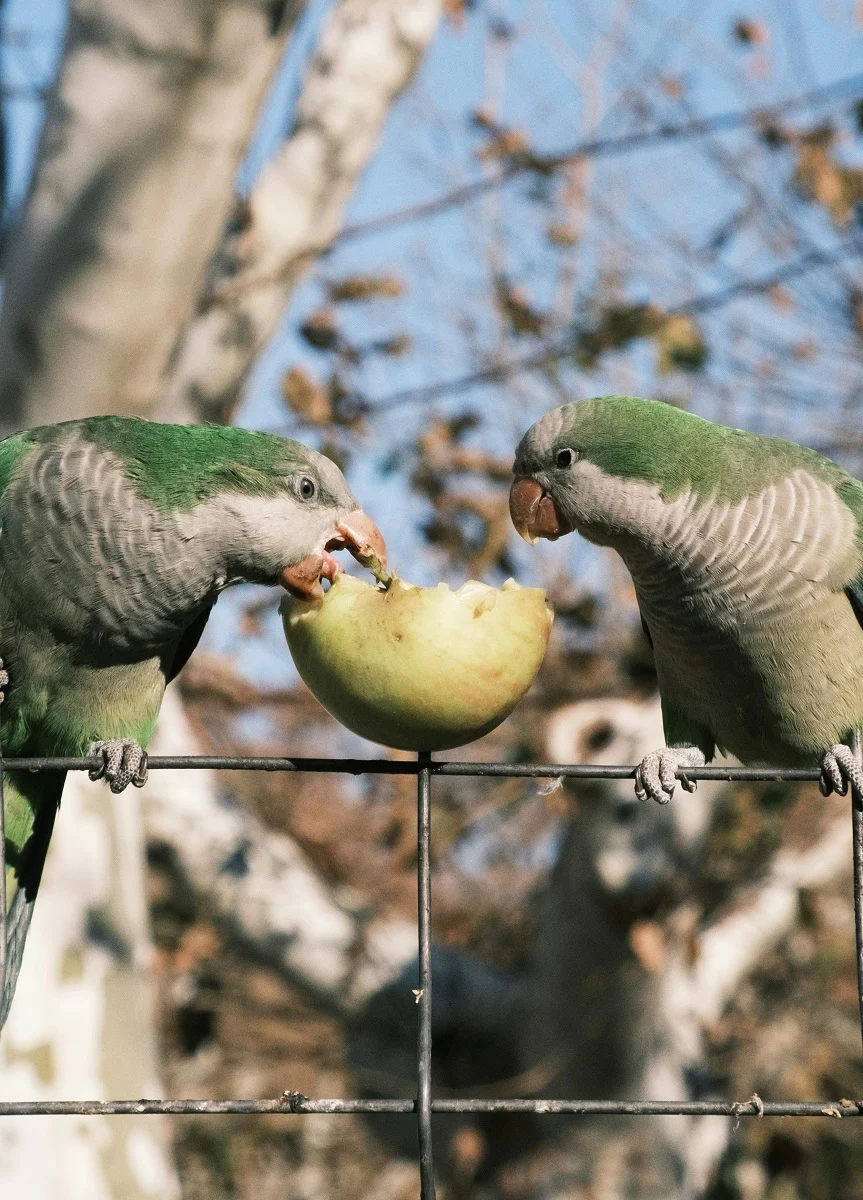
For prospective avian enthusiasts considering a companion, the Myiopsitta monachus, widely known as the Quaker parrot or Monk parakeet, frequently emerges as an appealing option. These vibrant, highly intelligent parrots, native to South America, possess a unique blend of cheerfulness and complexity that makes them suitable pets for dedicated owners, while simultaneously presenting significant ecological challenges in non-native environments. This comprehensive guide delves into their natural history, characteristics, care requirements, and broader societal implications.
Origins and Distinctive Characteristics
The Quaker parrot’s journey begins in the lowlands of South America, specifically inhabiting a considerable portion of Argentina, Uruguay, Paraguay, eastern Bolivia, and southern Brazil. This species thrives in diverse wooded and sparsely wooded areas, including palm forests, savannas, and increasingly, urban parks, typically at elevations up to 3,300 feet (approximately 1,000 meters). Their adaptability to varied landscapes, including human-modified environments, is a key factor in their success, both in their native range and as an invasive species globally.
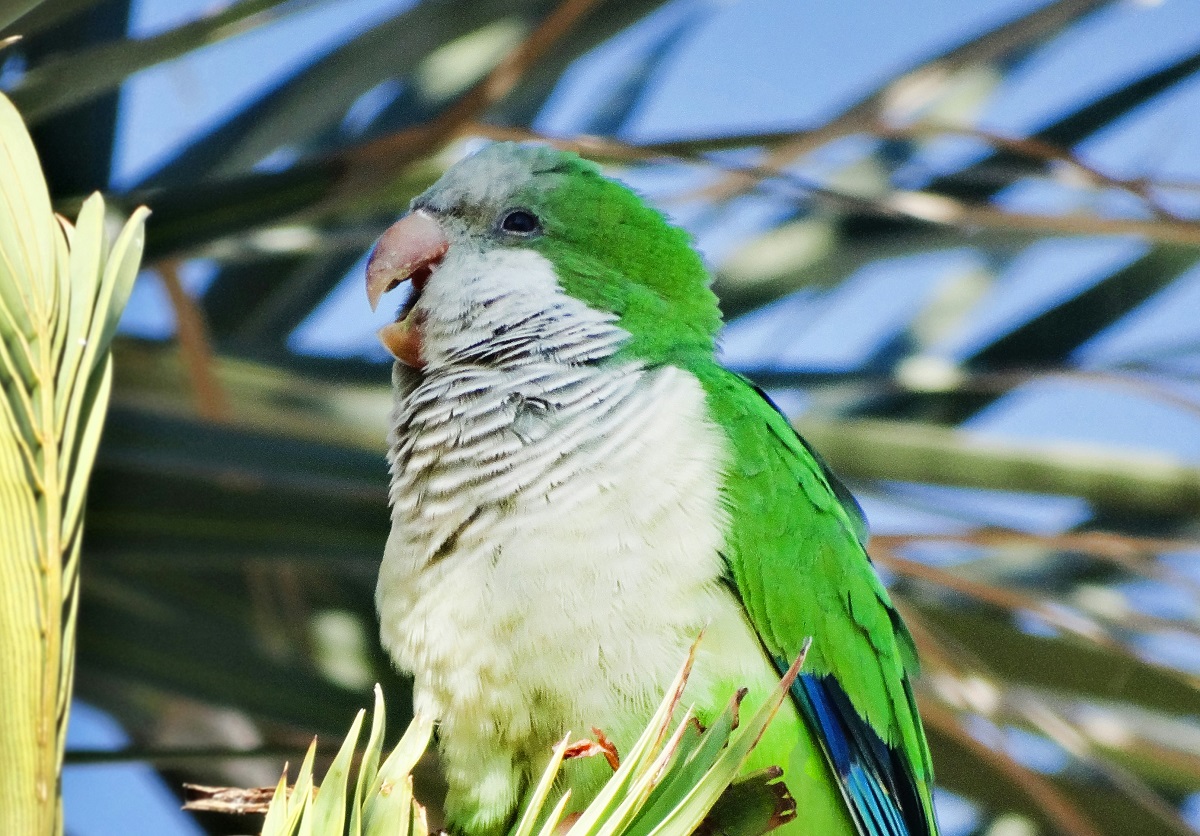
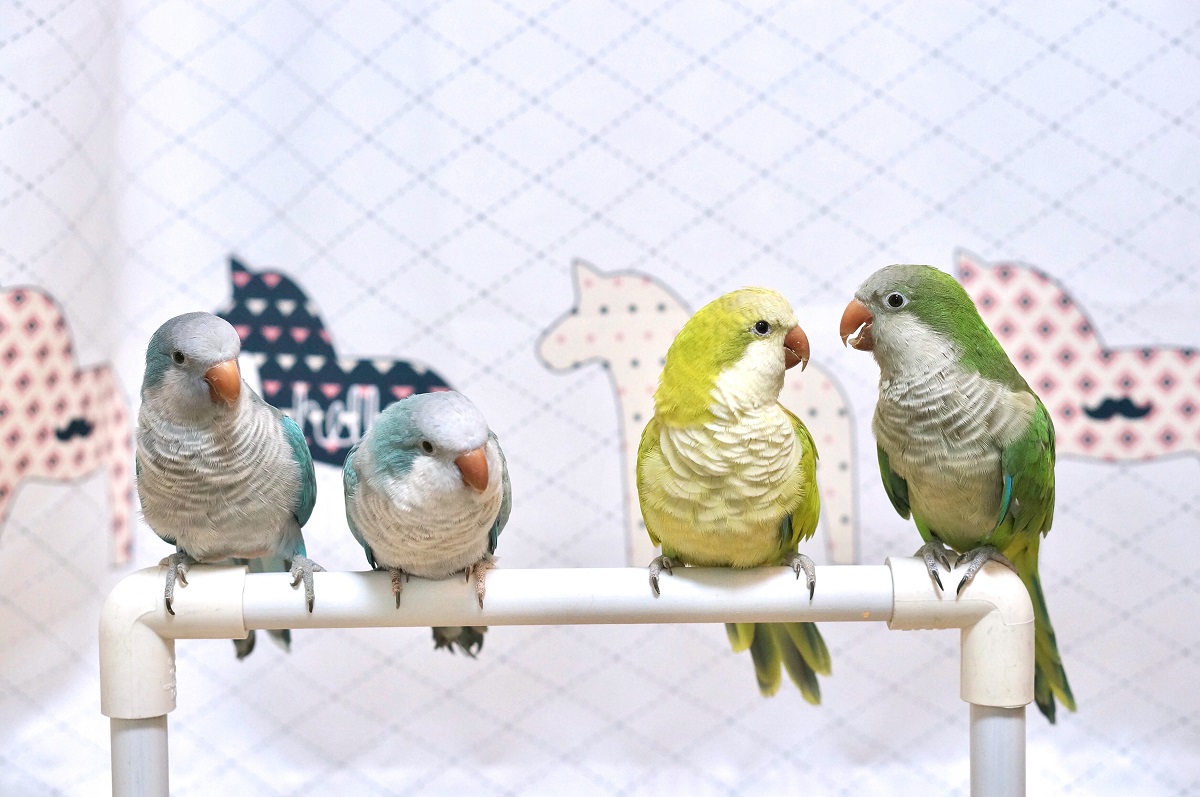
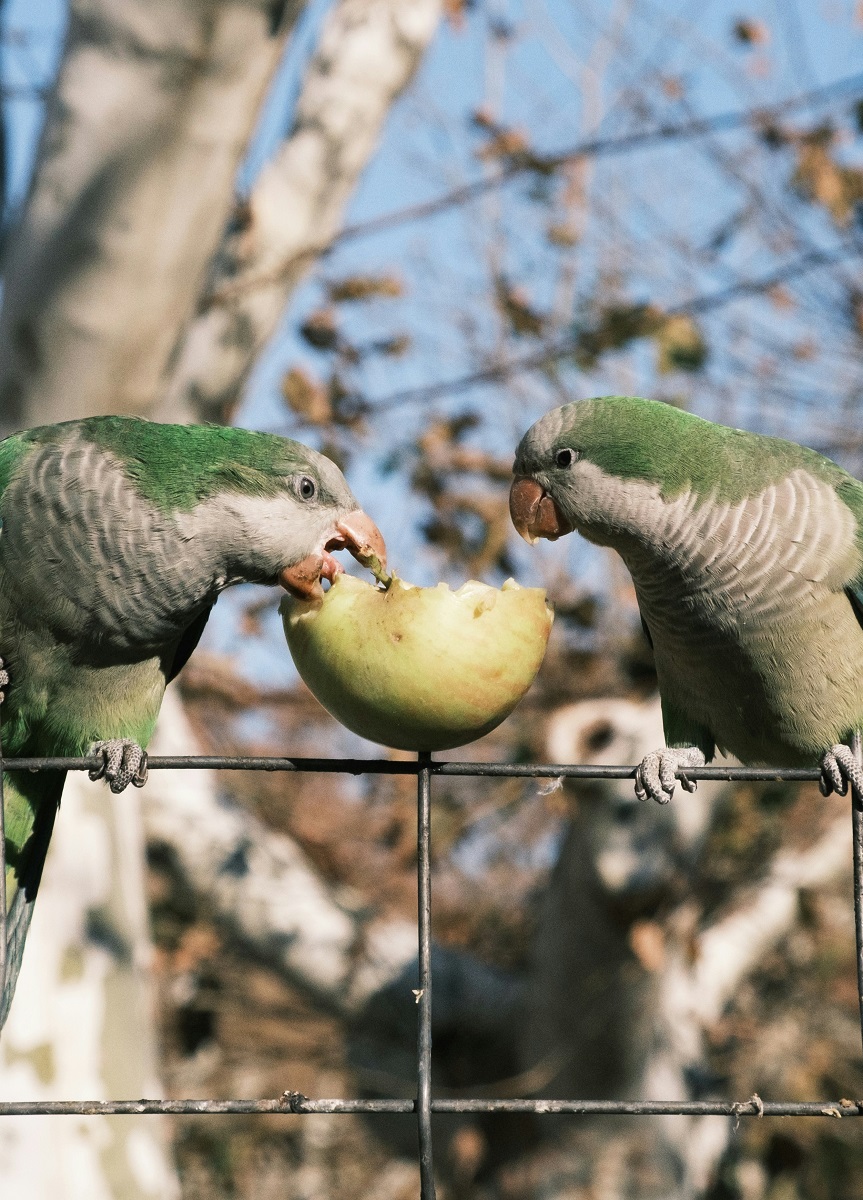
Physically, Myiopsitta monachus is a small to medium-sized parrot, typically reaching an adult length of up to 13 inches (33 cm) from beak to tail tip and weighing around 140 grams (approximately 5 ounces). Wild specimens are characterized by a striking mossy green plumage on their back, a contrasting gray front, vibrant blue flight feathers, and a distinctive skin-colored beak. Their tails are notably long, contributing to their streamlined appearance. While wild coloration is predominantly green, selective breeding in captivity has led to a remarkable array of color mutations or "morphs," including blue, yellow (lutino), gray, white (albino), and various combinations thereof, offering a wide aesthetic choice for pet owners.
A notable aspect of their physical characteristics is the subtle sexual dimorphism. While female Quaker parrots tend to be marginally smaller than males, this difference is often imperceptible to the naked eye. Accurate sex determination typically requires DNA testing, a common practice for breeders and owners seeking definitive identification. The species exhibits a remarkable longevity, with individuals capable of living up to 30 years in captivity with proper care, underscoring the significant long-term commitment required for ownership.
Ecological Status and Invasive Potential
The conservation status of Myiopsitta monachus is assessed by the IUCN Red List as "Least Concern." This designation reflects their robust and often expanding populations within their native range. Paradoxically, human activities, particularly habitat modification, have inadvertently benefited the species. The conversion of natural habitats for agriculture, especially the planting of crops like maize, provides an abundant food source. Furthermore, the establishment of Eucalyptus forests for paper pulp production offers numerous additional nesting sites, contributing to their proliferation. This resilience stands in contrast to Myiopsitta luchsi, the only other species within the Myiopsitta genus, which is classified as "Near Threatened," highlighting the divergent fates within closely related species.
However, the Quaker parrot’s adaptability and reproductive success also contribute to its significant invasive potential outside its natural range. Like several other parrot species, such as the Indian ringneck parakeet (Psittacula kramer), self-sustaining populations of Quaker parrots have become established in numerous countries worldwide, including a substantial presence across various states in the United States and major European cities like Valencia and Madrid in Spain. These feral populations originate primarily from escaped or intentionally released pet birds.
The ecological implications of these invasive populations are considerable. They can exert pressure on native bird species through competition for food resources and nesting cavities. Their large, communal stick nests, a unique trait among parrots, can also pose structural risks to utility poles and other infrastructure. Economically, they are known to damage agricultural crops, mirroring their "farm pest" status in their native South America. Furthermore, concerns exist regarding their potential to transmit diseases to native wildlife or poultry.
These environmental and economic impacts have prompted various governmental responses. In many jurisdictions, the ownership, breeding, or sale of Quaker parrots is either heavily regulated or outright banned. For example, several U.S. states have prohibited their ownership, and certain European Union regulations aim to control their spread. These measures reflect a growing recognition of the severe consequences invasive species can have on biodiversity and human interests, necessitating strict oversight and responsible pet ownership practices.
The Quaker Parrot as a Companion Animal
Despite their ecological challenges as an invasive species, Quaker parrots remain highly sought after as companion animals due to their engaging personalities and intelligence.
Temperament and Social Behavior: Quaker parrots are renowned for their confident, boisterous, and playful nature, often described as having a zest for life. A well-socialized Quaker parrot can be a clownish and affectionate companion, bringing immense joy to a household. They are highly social creatures and thrive on human interaction, often developing strong bonds with their owners. Some individuals can be remarkably cuddly, enjoying close physical contact. However, this strong bonding can also lead to challenges, as Quakers may become intensely attached to a single person, potentially exhibiting territorial or aggressive behavior towards other family members.
A particularly notable aspect of their temperament is their territoriality regarding their cage. Quaker parrots consider their enclosure their personal domain, and attempts to interact with them within this space, such as changing food or water bowls, can sometimes be met with defensive displays. Owners must learn to navigate this behavior with patience and understanding, often employing strategies to minimize perceived threats within the cage environment.
Vocalization and Mimicry: While not the loudest parrot species, Quaker parrots are far from silent. Their noise level can be categorized as low to moderate, but their flock calls can be quite sharp and grating. Beyond these louder vocalizations, they produce a steady stream of whistles, chirps, and chatter. A distinguishing feature of Quaker parrots is their impressive ability to mimic human speech and household sounds. Their "voices" are often described as squeaky, but they are highly motivated to learn and can develop extensive vocabularies. Consistent repetition and positive reinforcement are key to teaching them words, phrases, or even short tunes. A content Quaker parrot may also produce a soft "purring" sound and engage in beak grinding, common indicators of relaxation and happiness in many parrot species. Prospective owners are strongly advised to experience a Quaker parrot’s typical vocalizations firsthand to ensure their ability to tolerate the noise level.
Dietary Requirements for Optimal Health: Providing a healthy and varied diet is paramount to ensuring a long and happy life for a captive Quaker parrot. Veterinarians and avian nutritionists widely agree that a seed-heavy diet, historically common, can lead to malnutrition and associated health issues.
The cornerstone of a healthy captive Quaker parrot diet should be a high-quality formulated pellet food. These pellets are scientifically designed to provide a balanced intake of essential vitamins, minerals, and nutrients. While pellets may appear monotonous, they form the nutritional foundation. This base should be supplemented daily with a wide variety of fresh foods:
- Fresh Vegetables: Leafy greens (kale, spinach, romaine lettuce), broccoli, carrots, bell peppers (all colors), zucchini, sweet potato, green beans. Avoid avocado, which is toxic.
- Fruits: Apples (seeds removed), berries (blueberries, raspberries, strawberries), melons, oranges, bananas, mango, papaya. Offer fruits in moderation due to their sugar content.
- Legumes: Cooked lentils, chickpeas, and beans (e.g., kidney, pinto – ensure they are thoroughly cooked and never served raw).
- Grains (cooked): Quinoa, brown rice, whole-wheat pasta.
- Small amounts of lean protein: Cooked chicken or fish, hard-boiled egg.
- Healthy Fats (sparingly): A few unsalted nuts like almonds or walnuts.
- Mineral Block: Access to a calcium or mineral block is crucial for bone health and beak conditioning.
- Fresh Water: Multiple sources of clean, fresh water must always be available.
It is critical to research and understand which foods are toxic to parrots (e.g., avocado, chocolate, caffeine, alcohol, fruit seeds/pits, onion, garlic). A balanced diet is a complex subject, and new owners should consult comprehensive guides on parrot nutrition to ensure they meet their bird’s specific needs.
Housing and Enrichment: Quaker parrots, despite their moderate size, require ample space to move, climb, and stretch their wings comfortably. A cage with minimum dimensions of 30 inches (76 cm) wide by 24 inches (61 cm) deep by 36 inches (91 cm) high is generally considered the absolute minimum. However, larger is always better, particularly if the bird will not have several hours of supervised out-of-cage time daily. It’s important to note that cage length and width are often more crucial than height, as parrots predominantly utilize the upper half of their enclosure.
The cage setup should include a variety of natural wood perches of differing diameters to promote foot health, strategically placed at varying heights, with particular emphasis on the upper sections. A diverse selection of parrot-safe toys is essential for mental stimulation and preventing boredom. Clean food and water bowls, ideally made of stainless steel or ceramic, should be securely mounted and easily accessible for cleaning.
Enrichment is Non-Negotiable: Parrots are highly intelligent creatures that bore easily, and Quaker parrots are no exception. Without sufficient mental and physical stimulation, they can develop stress, behavioral issues (such as feather plucking), excessive loudness, or aggression. Enrichment strategies include:
- Toys: Provide a rotating selection of shreddable, foraging, puzzle, and chewing toys made from safe materials.
- Foraging Opportunities: Integrate foraging boxes and toys that encourage natural foraging behaviors, making the bird "work" for its food.
- Climbing Structures: Offer various climbing opportunities within and outside the cage.
- Daily Interaction: Spend significant time interacting with the parrot through play, training, and simply "hanging out." A solitary Quaker parrot without consistent human attention can quickly become lonely and stressed.
- Out-of-Cage Time: Daily supervised out-of-cage time is vital for physical exercise and mental well-being, especially for birds not housed in large aviaries. A dedicated parrot play gym on top of the cage can serve as an excellent "birdie hang-out spot."
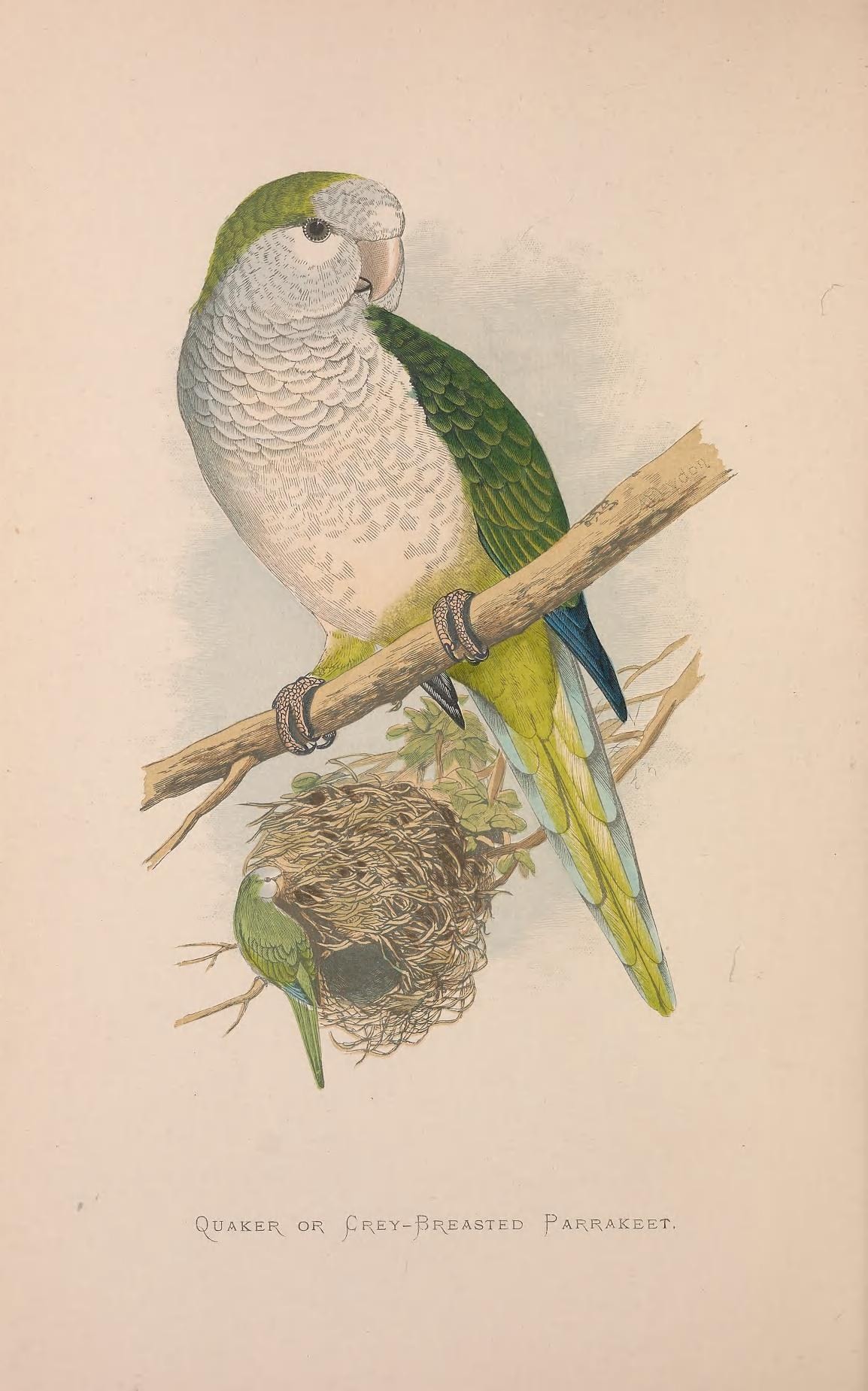
A fascinating and unique behavioral trait of Quaker parrots is their strong nest-building instinct. Unlike most other parrot species that nest in tree cavities, Quakers construct elaborate, multi-chambered communal stick nests. In a home environment, if small, elongated items like sticks, paper strips, or even pens are left within reach, a Quaker parrot may meticulously collect and stack them, attempting to build a nest. While this behavior is captivating to observe, it can sometimes trigger hormonal responses in the bird, potentially leading to increased territoriality or aggression. Managing this instinct requires careful observation and sometimes strategic removal of potential nesting materials.
Bird-Proofing and Emergency Preparedness: Any room a Quaker parrot has access to must be thoroughly "bird-proofed." Common household items can pose severe threats: open toilets, hot stovetops, whirling ceiling fans, toxic plants, electrical cords, and cleaning chemicals are just a few examples. Owners must be vigilant in creating a safe environment.
Furthermore, responsible ownership includes preparedness for avian emergencies. This involves knowing basic first aid for common parrot injuries (e.g., bleeding, minor cuts), having essential tools on hand, and crucially, maintaining the contact information for an experienced avian veterinarian. Regular veterinary check-ups are also essential for preventative care and early detection of health issues.
Conclusion
The Quaker parrot, or Monk parakeet, is a species of remarkable duality. In its native South American range, it thrives, often benefiting from human agricultural expansion, yet is considered an agricultural pest. Globally, it represents a significant invasive species, capable of disrupting local ecosystems and incurring economic costs, leading to bans and restrictions in many regions.
Concurrently, as a companion animal, the Quaker parrot offers a unique and rewarding experience. Its intelligence, social nature, impressive vocal abilities, and long lifespan make it a deeply engaging pet. However, these very traits demand an equally significant commitment from owners in terms of time, resources, and dedication to providing appropriate housing, a nutritious diet, and constant mental and physical enrichment. Understanding both the charm and the challenges associated with Myiopsitta monachus is crucial for anyone considering inviting this cheerful yet complex avian companion into their home, and for societies grappling with its ecological impact. Responsible ownership, encompassing thorough research, legal compliance, and a profound understanding of the species’ needs, remains paramount for the well-being of the individual bird and the broader environment.

