


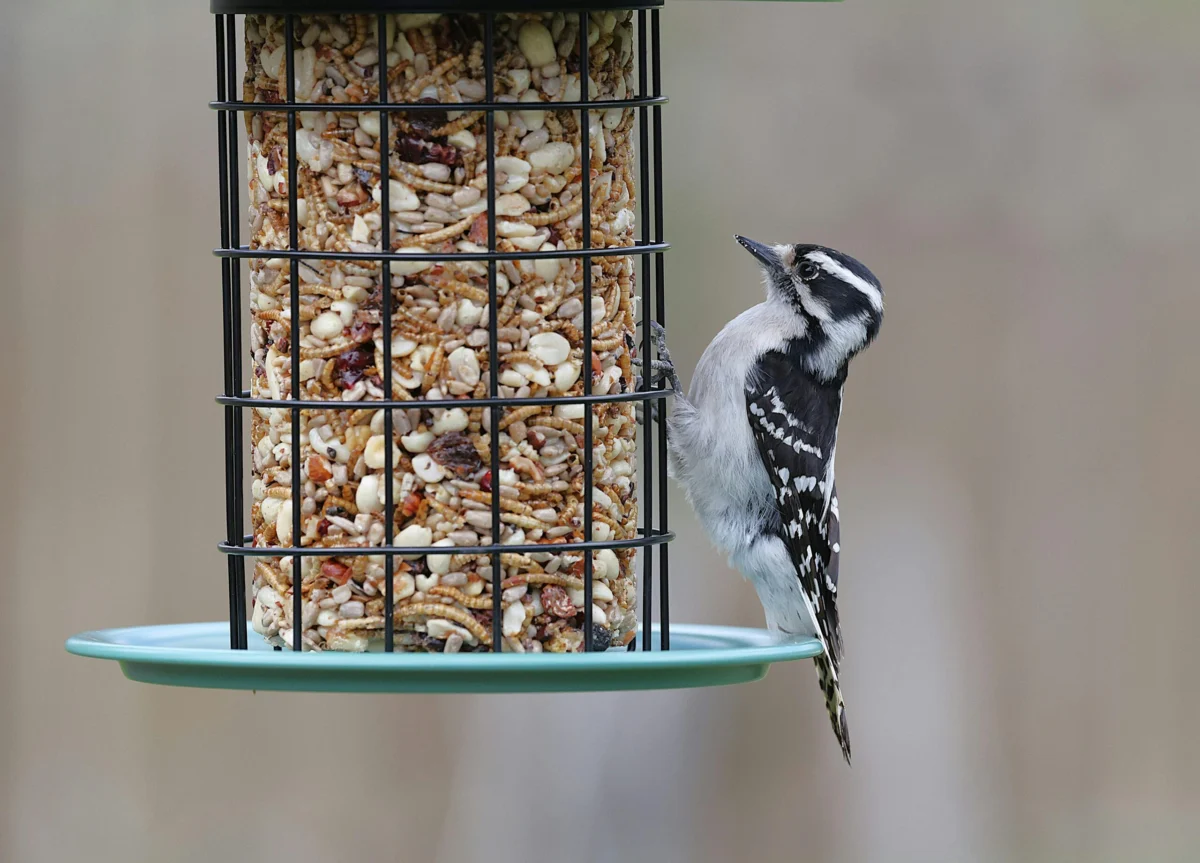
Squirrels, those agile acrobats of the suburban landscape, possess an undeniable charm. Their insatiable appetite for birdseed and nuts, however, often pits them in a constant struggle with well-intentioned bird enthusiasts aiming to cultivate avian havens. While the visual spectacle of a squirrel’s daring raids on bird feeders can be entertaining, for many, it transforms these furry creatures into formidable adversaries in the quest for peaceful birdwatching. The fundamental question that arises for many is: do birds and squirrels genuinely coexist, or is their relationship primarily defined by competition?
The reality is nuanced. Birds and squirrels share a common culinary preference, with birdseed and nuts being highly coveted by both. This shared taste frequently ignites territorial disputes, particularly around bird feeders where food is abundant. These encounters are rarely a fair fight. Squirrels, generally larger and more robust than most backyard birds, often possess a significant advantage. Their superior climbing, jumping, and digging abilities, coupled with remarkable intelligence and persistence, allow them to overcome even seemingly insurmountable obstacles. They are known to chew through plastic and gnaw at wooden feeders, demonstrating a level of determination that can leave bird feeders in disrepair.
The Squirrel Menace: Understanding the Competition
The appeal of bird feeders to squirrels is undeniable. High-quality birdseed, particularly black oil sunflower seeds, nuts, and suet, are as enticing to squirrels as they are to their feathered counterparts. While some individuals may find the presence of squirrels endearing and welcome their occasional visits, for dedicated bird watchers, they are often perceived as unwelcome pests that disrupt the delicate ecosystem of their backyard feeders.
Birds, by nature, tend to be more communal, often sharing feeding spaces with a variety of species. Squirrels, on the other hand, exhibit a more dominant and often aggressive approach to food acquisition. Their voracious appetites and territorial nature mean they will frequently chase away birds, consuming the entire contents of a feeder, leaving nothing for the intended avian visitors. This predatory behavior extends beyond mere seed theft; squirrels are also known to raid nests, preying on bird eggs and vulnerable nestlings. This predatory aspect can significantly deter nesting birds from establishing themselves in gardens with a high squirrel population.
The ingenuity of squirrels in their quest for sustenance is well-documented. Their ability to jump over ten feet, coupled with their exceptional climbing and digging skills, makes them formidable opponents. They learn quickly and are persistent in their efforts, often finding ways to access feeders that seem secure. The author’s note highlights the destructive potential of squirrels, with many feeders becoming unusable after persistent clawing and gnawing. This destructive tendency underscores the need for robust deterrent strategies.
Strategies for Squirrel-Proofing Your Bird Feeders
Effectively deterring squirrels from bird feeders requires a multi-faceted approach, often involving a combination of strategic placement, specialized equipment, and a keen understanding of squirrel behavior. The methods employed can vary depending on the feeder type and garden layout.
Strategic Location: The First Line of Defense
The placement of a bird feeder is arguably the most critical factor in preventing squirrel intrusion. Feeders should be situated far from any potential launch points, including porches, trees, gutters, and overhead wires. This physical distance significantly increases the challenge for squirrels, forcing them to make longer, more difficult leaps. Mounting feeders on smooth metal poles, at least six feet off the ground, is a common recommendation. Furthermore, maintaining a clear perimeter around the feeder by pruning bushes and branches within a 12-foot radius can eliminate crucial stepping stones for persistent squirrels.
Physical Barriers: Caging and Feeder Design
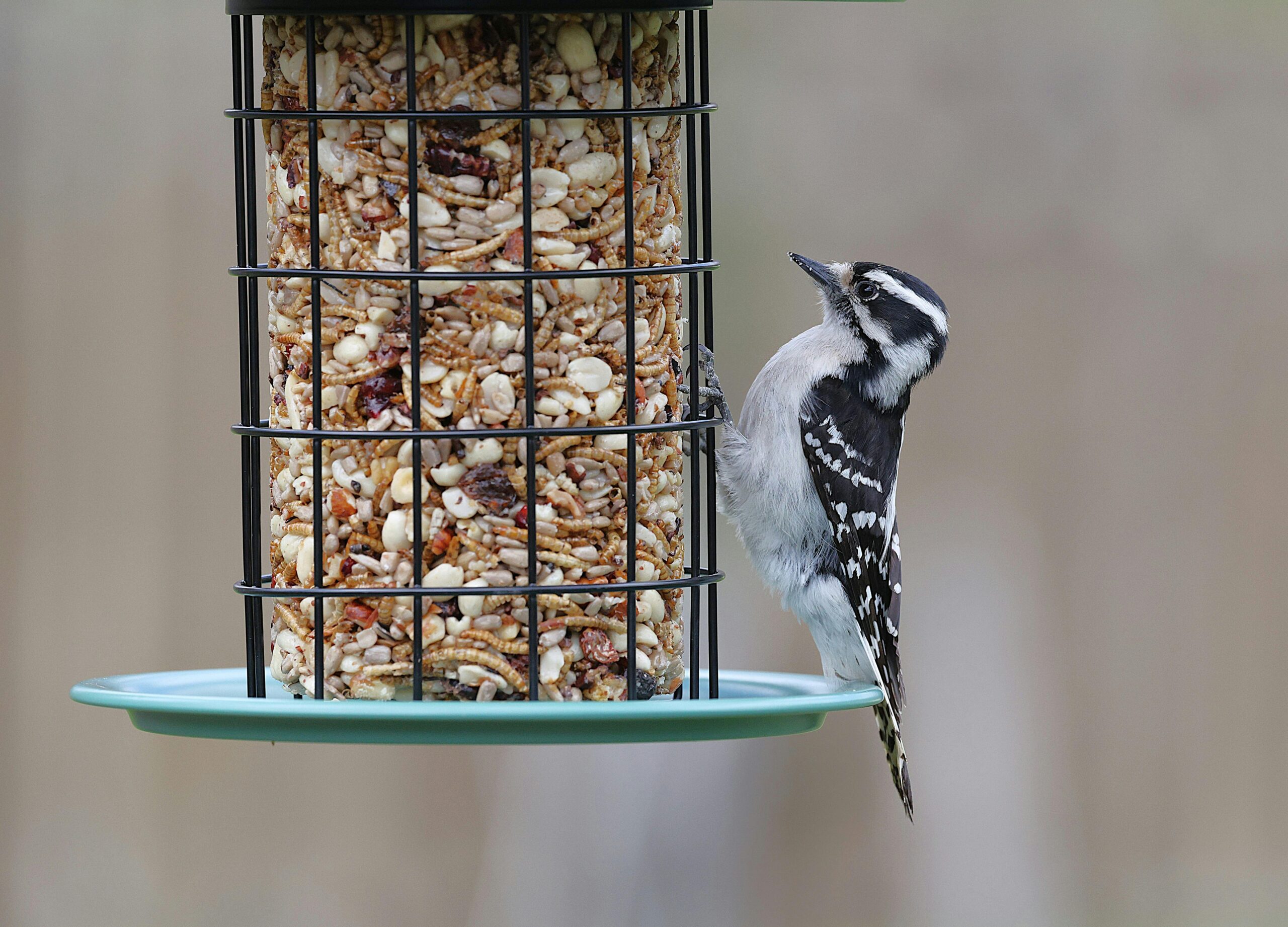
For smaller backyards where isolating feeders is impractical, physical barriers offer a viable solution. Enclosing the feeder in a cage made of chicken wire is a popular method. The key is to select wire with mesh holes small enough to exclude squirrels but large enough to allow smaller birds to access the food. This strategy also serves the dual purpose of deterring larger, more aggressive bird species like pigeons and starlings, ensuring that smaller birds have a fair chance at the bounty. Commercially available "squirrel-proof" feeders often incorporate similar caging mechanisms or other inventive designs.
Dynamic Deterrents: Tilting and Spinning Feeders
Innovative feeder designs incorporate mechanisms that exploit a squirrel’s weight and agility. Tilting feeders are engineered to spin or tip when a squirrel attempts to climb onto them, unbalancing the intruder and making it difficult to reach the seed. These feeders can provide an entertaining spectacle for observers, turning the squirrel’s attempts into a comical display of aerial acrobatics.
Spinners, another ingenious solution, involve hanging feeders from a thin horizontal wire. Short pieces of pipe, old sewing spools, or even empty soda bottles can be threaded onto the wire as spinners. When a squirrel attempts to traverse the wire, these spinners rotate, causing the squirrel to lose its footing and fall. This method requires careful installation and a bit of DIY spirit, but it can be highly effective in frustrating persistent climbers.
The Power of Baffles: A Dome of Defense
Baffles, typically dome-shaped guards made of smooth plastic or metal, are designed to be placed either above or below a bird feeder. Their smooth surface and downward slope make it extremely difficult for squirrels to grip and climb. When a squirrel attempts to jump onto a baffle, it may spin or twirl, further destabilizing the animal and preventing access to the food. For optimal effectiveness, baffles should be at least 15 inches wide and sloped to prevent squirrels from reaching around them. Many commercially available baffles are designed with these spinning or twirling features.
Maintaining a Clean Feeding Environment
Cleanliness around the bird feeder is crucial, not only for preventing squirrel access but also for the health of the birds. Spilled seeds and debris on the ground can attract squirrels and other rodents, providing them with an easy food source and encouraging them to linger in the vicinity of the feeder. Regularly clearing the area below the feeder removes these opportunistic snacks and discourages persistent scavenging. Old or contaminated seeds can also pose health risks to birds, so maintaining a tidy feeding station is a win-win situation.
Feeder Style and Construction
The material and design of the bird feeder itself play a significant role in its squirrel-resistance. Feeders constructed from metal or exceptionally sturdy, thick plastic are more difficult for squirrels to damage. Some specialized feeders feature weight-activated doors or hatches that close when a heavier animal, like a squirrel, lands on them, while remaining open for lighter birds. This mechanism offers a direct and effective way to ensure that only the intended avian visitors can access the food.
Seed Selection: A Matter of Taste
Squirrels, like birds, are attracted to a wide variety of seeds. However, certain seeds possess a flavor profile that is less appealing to them. Nyjer seed and safflower seed, for instance, have a bitter taste that most squirrels find unpalatable, while remaining a favorite for many bird species. By incorporating these seeds into your birdseed mix, you can create a feeding station that caters to birds while effectively deterring squirrels.
The Spicy Solution: A Natural Repellent
Mammals, including squirrels, possess a heightened sensitivity to capsaicin, the compound that gives chili peppers their heat. Birds, however, are largely immune to this sensation. Sprinkling cayenne pepper or other spicy powders onto birdseed can act as a natural deterrent, making the food unappealing to squirrels without affecting the birds. This method requires consistent reapplication, especially after rain, as the spice can wash away. Pre-treated chili seeds or suet are also available from some retailers for added convenience. When handling cayenne pepper, it is advisable to wear gloves and avoid inhaling the dust to prevent irritation.
Humane Trapping and Relocation
In instances of severe squirrel infestation, engaging with local wildlife authorities for humane trapping and relocation services may be an option. These professionals can offer guidance and implement methods that comply with wildlife laws and regulations. It is crucial to understand and adhere to local ordinances regarding wildlife management to ensure responsible and ethical practices.
Removing Shelter and Habitat
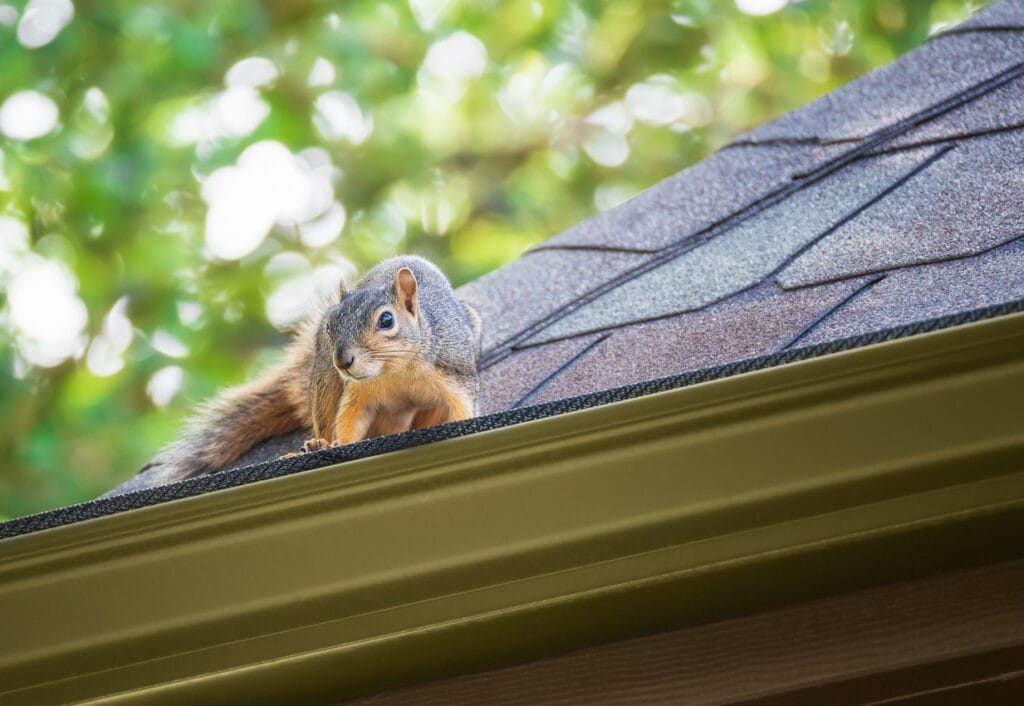
Squirrels are less likely to frequent areas where they lack adequate shelter. Removing potential nesting sites around your home, such as old sheds, attics, or spaces under eaves, can encourage them to seek habitats elsewhere. By minimizing the availability of safe havens, you can make your property less attractive to these resourceful rodents.
What Not to Do: Ethical Considerations
While the challenges posed by squirrels can be frustrating, it is imperative to approach their management ethically and responsibly. Squirrels are an integral part of the ecosystem, and their well-being should not be compromised.
- Avoid Poisoning: The use of poisoned bait is a dangerous and unethical practice. It can harm not only squirrels but also birds, domestic animals, and even larger predators like raptors that may consume poisoned prey, leading to severe injury or death.
- Refrain from Using Predators: Releasing domestic cats to hunt squirrels is not a recommended solution. Cats are indiscriminate hunters and may pose a threat to birds and other native wildlife.
- Steer Clear of Greasy Deterrents: Coating poles with oil or grease, while seemingly effective, can be harmful to birds and other animals that may come into contact with the slick surfaces, potentially causing illness or compromising their ability to fly or perch.
Conclusion: Coexistence and Compromise
Ultimately, achieving complete "squirrel-proofing" of bird feeders can be an ongoing challenge. If squirrels prove to be an overwhelming nuisance, temporarily removing feeders for a few weeks can sometimes prompt them to seek food elsewhere, though they often return once feeders are reinstated.
A more harmonious approach involves acknowledging that squirrels are a natural part of the garden ecosystem. For those struggling with persistent squirrel activity, establishing a dedicated feeding station for them, offering nuts, corn, and berries, can be an effective way to divert their attention from the bird feeders. This strategy ensures that birds can feed undisturbed while allowing squirrels to satisfy their needs in a designated area.
The fascinating skills and characteristics of squirrels highlight their place in nature. They possess the same right to inhabit your garden as any other creature. Observing their antics can be as captivating as watching birds, offering a unique perspective on the biodiversity of your backyard. While numerous methods exist to deter squirrels from bird feeders, occasional visits are often an unavoidable aspect of backyard wildlife management.
Happy feeding and watching!
Frequently Asked Questions
Do squirrels kill birds?
While squirrels are primarily vegetarian, they do not typically hunt birds for food. However, they may injure a bird if they feel threatened. In some instances, squirrels have been known to consume bird eggs or unattended nestlings if the opportunity arises.
Do birds kill squirrels?
Yes, birds of prey such as hawks, falcons, owls, and eagles regularly hunt and consume squirrels. Smaller birds competing for food at feeders are generally not capable of killing a squirrel.

