


The modern understanding of exercise extends far beyond the aesthetic pursuits of the 1980s, evolving into a crucial component for both physical and mental well-being. This principle holds true not only for humans but also for our cherished pet rats. Ensuring adequate physical activity for these intelligent and social creatures is paramount to their overall health, longevity, and happiness. This comprehensive guide explores the multifaceted benefits of exercise for rats and provides practical, engaging methods for owners to incorporate movement into their pets’ daily lives, from stimulating cage enrichment to exciting out-of-cage adventures.
The Profound Benefits of Exercise for Pet Rats
Regular physical activity plays a vital role in maintaining a rat’s bodily functions and bolstering their immune system, equipping them to better combat illness. A significant benefit is the prevention or mitigation of obesity, a condition that can lead to a cascade of health problems. Excess weight places undue stress on a rat’s delicate joints and muscles, increasing the risk of hind leg degeneration, cardiovascular issues, diabetes, and the development of lipomas. For owners concerned about their rat’s weight, a thorough evaluation of their dietary intake and daily exercise regimen is recommended. Resources are available to help assess a rat’s body condition, providing insights into the causes of weight gain and the impact of food habits.

However, the advantages of exercise for rats extend beyond weight management. It is a critical factor in promoting robust mental health and reducing stress. A lack of stimulation and physical exertion can foster boredom, leading to potential depression and the emergence of undesirable behavioral issues. This is particularly relevant given that rats, in their domestic environment, often spend a significant portion of their lives within the confines of a cage. It is important to note that this discussion pertains to healthy rats without pre-existing mobility restrictions due to conditions such as hind leg degeneration, illness, or injury. For rats facing such challenges, consultation with a veterinarian is essential to tailor exercise plans to their specific needs.
Facilitating Movement: No Gyms Required for Rats
Unlike their wild counterparts, domesticated rats tend to exhibit a more sedentary lifestyle, necessitating owner intervention to encourage activity. The notion of requiring rats to engage in strenuous workouts or utilize specialized equipment is a misconception. Rats do not perspire like humans, and their exercise needs are met through opportunities for natural movement and exploration. The objective is to foster an environment that motivates them to move beyond their resting spots, such as hammocks.
This can be achieved through a variety of engaging activities. Encouraging exploration of their surroundings, introducing interactive toys, utilizing puzzle feeders, and creating simple agility courses can all contribute to a more active lifestyle. Even "tricking" rats into exercising through clever food-based motivations can be highly effective. The key is to make these activities enjoyable and stimulating, tapping into their natural curiosity and problem-solving abilities.
Enriching the Cage Environment for Active Rats
To counteract the tendency for rats to become overly sedentary, especially as they age, owners must provide more than just basic bedding and cage accessories. While multi-level cage designs are a positive start, they are insufficient on their own to promote consistent activity. The introduction of specific items designed to encourage movement is crucial.
Exercise Wheels: The efficacy of exercise wheels can be variable, with some rats embracing them for vigorous running while others may opt to sleep in them. However, for rats, a wheel can serve as a functional equivalent of a treadmill, making it a worthwhile addition, provided it is safe and appropriately sized. Reputable brands such as the Wodent Wheel and Silent Spinner are often recommended. When selecting a wheel, it is imperative to choose one that is sufficiently large for adult rats (typically an extra-large size) and constructed from solid material, free from bars or gaps that could trap a tail or foot. The wheel must also be securely fastened to the cage or have a stable stand, ensuring no hazardous spaces exist where a rat’s head or other body parts could become ensnared. Introducing a wheel to young rats is advisable, as older rats, particularly males, may develop a preference for using it as a resting place or ignore it altogether.
Interactive Cage Decor: Many owners enhance their rats’ living spaces with interactive elements that provide mental and physical engagement. This often involves a combination of commercially available pet items and repurposed everyday objects, transformed into climbing structures, bridges, tunnels, and dig boxes. Creative enrichment can involve simple modifications, such as using a wooden bird perch as a toilet paper holder, allowing rats to engage in "redecorating" with the paper. Altering ramp access or introducing elements that require more effort to navigate can also promote activity. These modifications are particularly beneficial for younger, mobile rats, while senior rats may require adjustments to accommodate their specific needs.

Engaging Rats Beyond the Cage: Out-of-Habitat Activities
A change of environment is one of the most potent motivators for encouraging rats to become active. Their innate drive to explore, investigate, and interact with novel stimuli and spaces serves as an excellent catalyst for sustained engagement.
Free-Ranging: The opportunity to explore outside their cage is typically met with enthusiasm by most rats, even those with a more laid-back disposition. This does not necessitate unrestricted access to the entire home. Instead, owners can designate specific times and a rat-proofed room for supervised free-ranging. During these sessions, providing items that encourage continuous activity is essential. Historically, bathrooms have served as effective free-ranging spaces, equipped with igloos, tubes, cardboard boxes, and other structures for climbing and exploration. Owners can also participate by acting as a human "jungle gym." A particularly amusing and activity-inducing pastime observed has been "TPing" the bathroom, where rats engage in climbing toilet paper holders and then descending with rolls, leading to energetic play and problem-solving. These sessions not only provide exercise but also foster cooperative behavior among the rats. Comprehensive guidance on the safety and benefits of free-ranging is available for owners seeking to implement this activity.
Playpens and Designated Play Areas: Establishing a dedicated play area for rats functions much like a schoolyard recess, offering a safe, confined space where they can expend energy. These areas can be either commercially purchased structures or DIY setups on protected surfaces within the home. While some store-bought playpens exist, rats can be adept escape artists. The effectiveness of a play area is significantly enhanced by its contents. To prevent lethargy, the area should be equipped with engaging items such as puzzle toys or dig boxes, which offer both physical and mental stimulation. Items that encourage climbing and in-and-out movement, like igloos, tunnels, or a stand-mounted wheel, are also highly beneficial. Creativity is key, with everyday objects from home or dollar stores readily adaptable. For instance, a small desktop trash can filled with paper, tissues, and cardboard can provide hours of entertainment as rats empty and stash the contents. To maintain rats’ interest, it is advisable to offer a variety of items and rotate them regularly, perhaps on a weekly or bi-weekly basis, rather than presenting everything at once. For those who opt to construct their own play areas, designing structures that double as "rat gyms" is an excellent approach. One such innovative design utilized two long, shallow storage containers connected by plastic piping, with thinner pipes serving as balance beams and larger pipes acting as tunnels between the containers.

Toys and Interactive Play: Engaging directly with rats using safe, pet-appropriate toys can be highly effective. Rolling cat toys can be used for chasing games, and wand-style cat teasers, often featuring feathers, are a particular favorite for many rats, who enjoy batting and attacking them.
Agility Courses: For owners seeking a more ambitious challenge, setting up a rat agility course can provide significant exercise and cognitive engagement. Online resources offer numerous examples, and observing proficient rat agility handlers can provide inspiration for creating stimulating courses that incorporate jumping, weaving, and climbing challenges. Such activities not only promote physical fitness but also teach rats new tricks and behaviors, strengthening the bond between rat and owner.
Tricking Rats into Exercise Through Food Motivation
As rats mature, their activity levels naturally decrease, a phenomenon that mirrors human aging. Male rats, in particular, can become quite sedentary, especially after neutering. While this tendency might be perceived as endearing, it underscores the importance of employing strategic methods to maintain their activity levels. The use of food as a motivator is a highly effective, albeit indirect, approach to encourage exercise.
Making Them Work for Their Meals
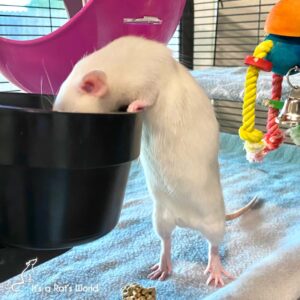
The manner in which food is presented can significantly influence a rat’s activity. Instead of simply placing food in a standard bowl on the cage floor, owners can utilize food crocks, foraging wheels, or treat dispensers that require more effort to access. If a food dish is elevated a few inches from the cage floor, rats will need to stand and stretch to reach their meals. Foraging wheels and treat dispensers demand even greater time and effort, providing a more sustained period of activity during feeding.
Pea Fishing: A simple yet highly engaging activity is "pea fishing." This involves placing frozen peas in a heavy, tip-proof container filled with water. Rats exhibit a remarkable enjoyment for "fishing" out the peas, and even if initially hesitant, they will quickly become enthusiastic participants. When multiple rats are engaged in this activity, the competitive element of trying to acquire peas from each other further enhances their physical exertion and calorie expenditure.
Understanding Individual Differences in Rats
It is a common misconception that overweight rats are necessarily inactive. Personal experience has shown that some of the heaviest rats have been those with extensive freedom to roam the house, spending minimal time confined to a cage. Even with careful dietary management, these rats remained genetically predisposed to being on the chubbier side.
In cases where a rat exhibits significant weight issues, consulting with a veterinarian is highly recommended. A professional can help determine whether the weight gain is attributable to underlying health conditions, dietary imbalances, or if a more structured exercise plan is necessary.
Balancing the demands of busy human lives with the daily exercise needs of pet rats can be challenging. However, by incorporating a variety of stimulating activities and enriching environments, owners can significantly contribute to their rats’ physical health, mental well-being, and overall quality of life. The commitment to providing adequate opportunities for movement ensures that these intelligent and endearing companions can lead longer, healthier, and happier lives.

