


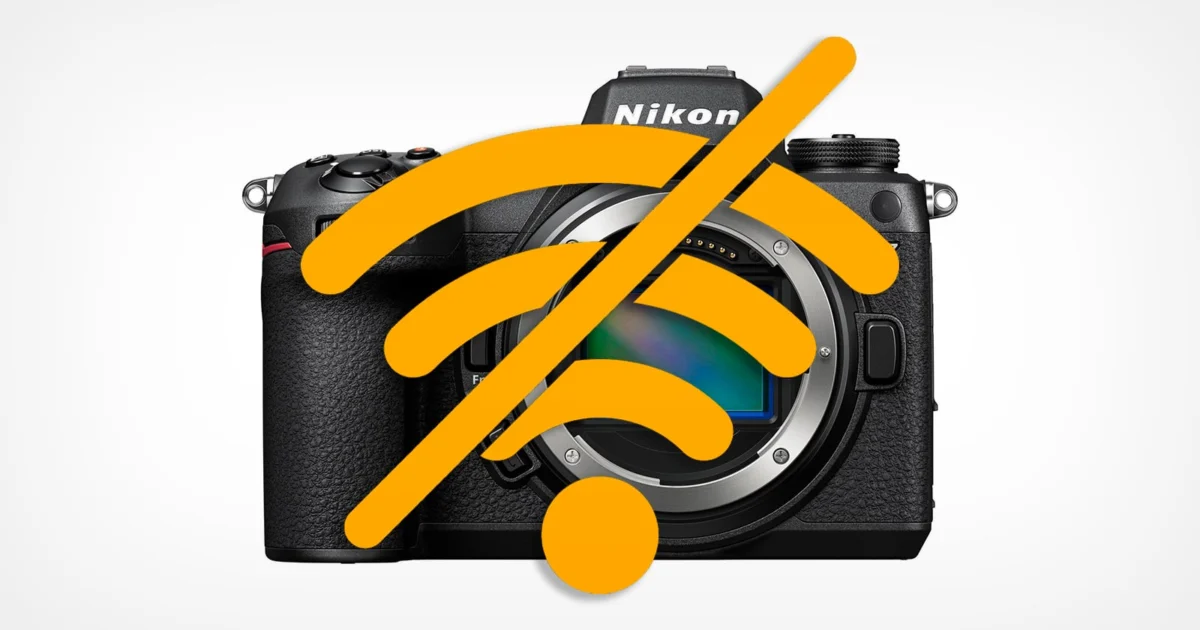
The landscape of professional imaging equipment often mirrors the complex requirements of the industries it serves, ranging from high-speed sports journalism to clandestine government operations. In a move that highlights the intersection of high-end optics and stringent digital security, a specialized variant of the Nikon Z6 III has appeared on major retail platforms, specifically designed without any wireless connectivity capabilities. The "Nikon Z6 III (No Wireless Connectivity)" was recently identified by industry observers on the B&H Photo Video website, categorized as a "New Arrival." While the camera retains the core imaging power of its standard counterpart, it arrives with a significantly higher price tag and a complete absence of the Wi-Fi and Bluetooth hardware that has become standard in modern mirrorless systems.
The standard Nikon Z6 III, which made its global debut in June 2024, was heralded as a "middleweight fighter with heavyweight dreams," featuring the world’s first partially stacked CMOS sensor. However, this new specialized version is aimed at a very different demographic: professionals working in high-security environments where radio frequency (RF) transmissions are strictly prohibited. While the standard Z6 III carries a regular MSRP of approximately $2,499.95, this "No Wireless" variant is listed with a regular price of $3,079.95. Even with current promotional discounts of $700 applied to both models, the connectivity-free version remains roughly $400 more expensive than the fully-featured consumer model.
The Technical Necessity of Hardware Removal
To the casual observer, paying a premium for a product that offers fewer features may seem counterintuitive. However, in the realm of government contracting, aerospace engineering, and corporate espionage prevention, the removal of wireless chips is a technical necessity rather than a preference. Many secure facilities, such as Sensitive Compartmented Information Facilities (SCIFs), maintain "no-wireless" policies to prevent the unauthorized transmission of data or the potential for remote hacking.
In these environments, simply disabling Wi-Fi or Bluetooth via a software menu is insufficient. Security protocols often require that the hardware itself be physically absent or permanently deactivated at a factory level to ensure that no firmware update or malicious actor can re-enable the transmission capabilities. Nikon’s decision to produce this model involves a significant modification of the camera’s internal architecture. According to Nikon USA, the process requires removing the physical Wi-Fi and Bluetooth chips from the internal circuitry and modifying the EXPEED 7 processing engine’s firmware to operate without these communication modules.
The removal of these components affects several core features that modern photographers take for granted. Users of the Nikon Z6 III (No Wireless Connectivity) will be unable to utilize Nikon’s SnapBridge app for mobile image transfer, remote camera control via smartphone, or GPS metadata tagging via a mobile link. Furthermore, wireless image sharing to FTP servers—a staple for many photojournalists—is completely eliminated. The camera must rely entirely on physical, wired connections through its USB-C, HDMI, or Ethernet ports for data transfer and tethering.
Manufacturing Logistics and the Premium Price Tag
The higher price point for the "No Wireless" Z6 III is a direct result of the complexities involved in specialized manufacturing. Standard consumer electronics benefit from the economies of scale; assembly lines are optimized to produce millions of identical units with the same components. When a manufacturer like Nikon introduces a variant that requires the removal of specific parts and the implementation of unique firmware, it disrupts the standard production flow.
These specialized units are produced in much smaller quantities, meaning the overhead costs of research, development, and testing for this specific SKU are spread across fewer units. Nikon must maintain a separate inventory of modified motherboards and conduct specific quality assurance testing to ensure that the removal of the wireless modules does not interfere with the camera’s overall stability or heat management. Furthermore, Nikon has indicated that these cameras often involve longer lead times, as they are not stocked in the same volume as the standard Z6 III.
A Shift in Distribution Strategy
Historically, Nikon has provided modified equipment directly to government agencies, military branches, and industrial partners through private procurement channels. This marks the first time that such a specialized, "security-hardened" camera has been made available to the general public through a major retail network.
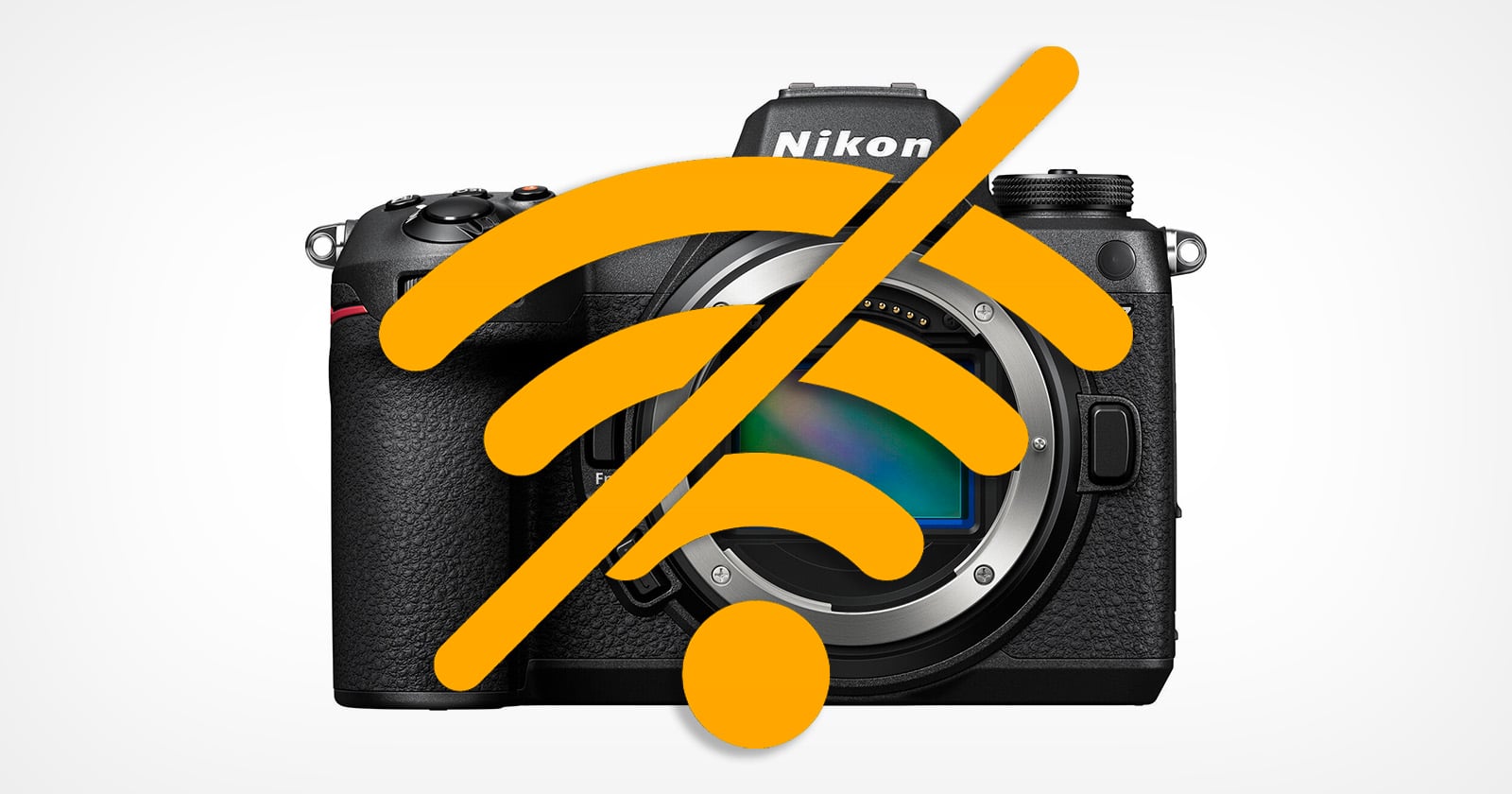
Nikon’s decision to list the Z6 III (No Wireless Connectivity) on B&H Photo Video serves as a strategic test of market demand. The company noted that its retail partners had reported inquiries from customers—likely independent contractors, private security firms, or specialized research labs—who required these modifications but did not have the direct procurement volume to deal with Nikon’s corporate or government sales divisions. By making a limited number of these units available at retail, Nikon is evaluating whether there is a sustainable niche market for "hardware-secured" imaging tools.
Chronology of the Nikon Z6 III Product Cycle
To understand the context of this release, it is helpful to look at the timeline of the Z6 III’s development and the subsequent emergence of this specialized variant:
- June 17, 2024: Nikon officially announces the Z6 III, featuring the 24.5-megapixel partially stacked CMOS sensor and high-end video capabilities like 6K/60p internal N-RAW recording.
- Late June 2024: The standard Z6 III begins shipping to consumers and professional photographers worldwide, receiving positive reviews for its autofocus performance and EVF brightness.
- July 2024: Industry reports begin to surface regarding specialized orders from industrial partners requiring modified hardware for secure facility use.
- Early 2025: Nikon identifies a trend in retail inquiries for security-compliant hardware.
- June 2026: The Nikon Z6 III (No Wireless Connectivity) is officially listed on B&H Photo Video, marking the first time a "No-Wi-Fi" model is available for public purchase.
- Present: Nikon monitors sales data to determine if other models in the Z-series, such as the flagship Z9 or the high-resolution Z8, should receive similar "No Wireless" treatments for the retail market.
Industry Implications and Security Trends
The release of this camera reflects a broader trend in the technology industry where "security by subtraction" is becoming a valued feature. In an era of pervasive connectivity, the ability to guarantee that a device cannot transmit data wirelessly is a luxury for those handling sensitive information.
Other industries have seen similar movements. For instance, some laptop manufacturers offer "enterprise" versions of their hardware with webcams and microphones physically removed or disconnected for use in high-security research environments. In the camera industry, Nikon’s move may prompt competitors like Sony and Canon to consider whether their professional lineups—such as the Alpha 1 or the EOS R3—should also feature retail-available "secure" variants.
For the vast majority of the photography community, the standard Z6 III remains the superior choice, offering more features at a lower cost. However, for a specific subset of professionals, the $3,079.95 price tag is a small price to pay for the ability to bring a high-performance, modern mirrorless camera into a facility where a standard smartphone or a connected camera would be confiscated at the door.
Core Specifications of the Nikon Z6 III (No Wireless Connectivity)
Despite the removal of wireless hardware, the camera remains a powerhouse in terms of raw performance. Its specifications, excluding connectivity, remain identical to the standard model:
- Sensor: 24.5MP Partially Stacked CMOS Sensor.
- Processor: EXPEED 7 Image Processing Engine.
- Video: 6K/60p N-RAW, 6K/30p ProRes RAW, and 4K/120p.
- Autofocus: Subject detection inherited from the Z8/Z9, capable of tracking humans, animals, and vehicles in low-light conditions down to -10 EV.
- Viewfinder: 5.76M-dot EVF with 4,000 nits of brightness and DCI-P3 color gamut support.
- Build: Magnesium alloy body with professional-grade weather sealing.
- Physical Connectivity: USB-C (Power Delivery), Full-size HDMI (Type A), 3.5mm Mic/Headphone jacks, and a 10-pin remote terminal.
Conclusion: A Niche but Necessary Innovation
The emergence of the Nikon Z6 III (No Wireless Connectivity) at retail is a testament to the diverse needs of the modern imaging professional. While the general market continues to push for faster wireless speeds and more robust cloud integration, a significant and well-funded segment of the industry is moving in the opposite direction, prioritizing physical security and RF silence.
By offering this camera through standard retail channels, Nikon is not only solving a procurement headache for specialized contractors but also positioning itself as a flexible manufacturer capable of catering to the most demanding security requirements. Whether this remains a one-off experiment or becomes a standard offering for future Z-series cameras will depend on the market’s response to this "less is more" approach. For now, the Z6 III (No Wireless Connectivity) stands as a unique tool for the few who need the world’s best imaging technology, but only if it stays strictly off the grid.

