


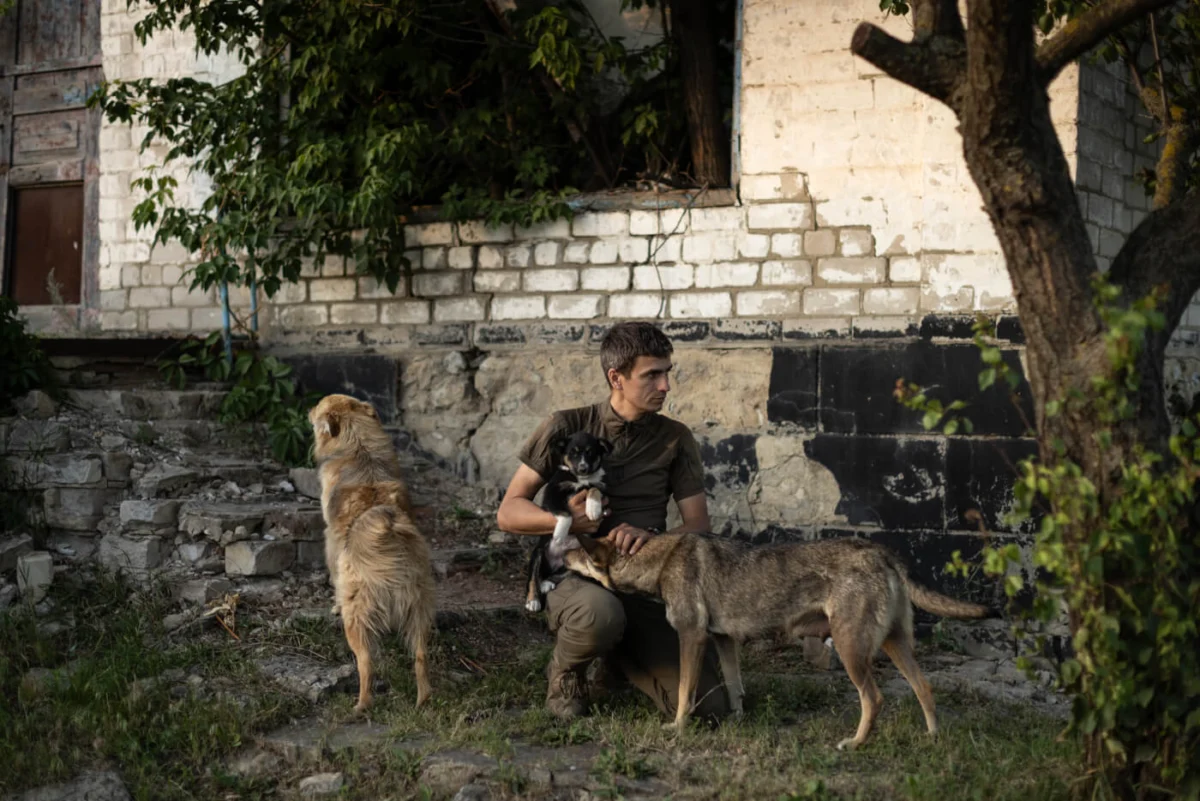
The ongoing conflict in Ukraine has created a humanitarian crisis of historic proportions, but beneath the headlines of geopolitical shifts and military maneuvers lies a secondary, often overlooked tragedy: the plight of millions of domestic and farm animals caught in the crossfire. Since the full-scale invasion began in February 2022, the landscape of animal welfare in Eastern Europe has been radically transformed. Leading this desperate charge is Animal Rescue Kharkiv (ARK), a frontline organization that, with the support of PETA’s Global Compassion Fund, has successfully evacuated and treated more than 32,500 animals. As of June 2026, the mission has evolved from emergency evacuations into a sophisticated logistical operation involving specialized sanctuaries, veterinary rehabilitation, and international adoption networks, all while operating under the constant threat of drone strikes and artillery fire.
The Evolution of Animal Welfare in Conflict Zones
The roots of the current rescue operations are found in a shifting cultural paradigm within Ukraine. For decades, particularly in rural villages, dogs and cats were often viewed through a utilitarian lens. Dogs were frequently kept on short chains or in outdoor kennels, serving as "guards" rather than companions. However, the brutality of the war has accelerated a change in public perception. As families were forced to flee their homes, the bond between humans and their animals was tested. While many were forced to leave pets behind due to evacuation constraints, the subsequent trauma of seeing these animals wander through the ruins of former neighborhoods has fostered a deeper sense of empathy and responsibility among the Ukrainian populace.
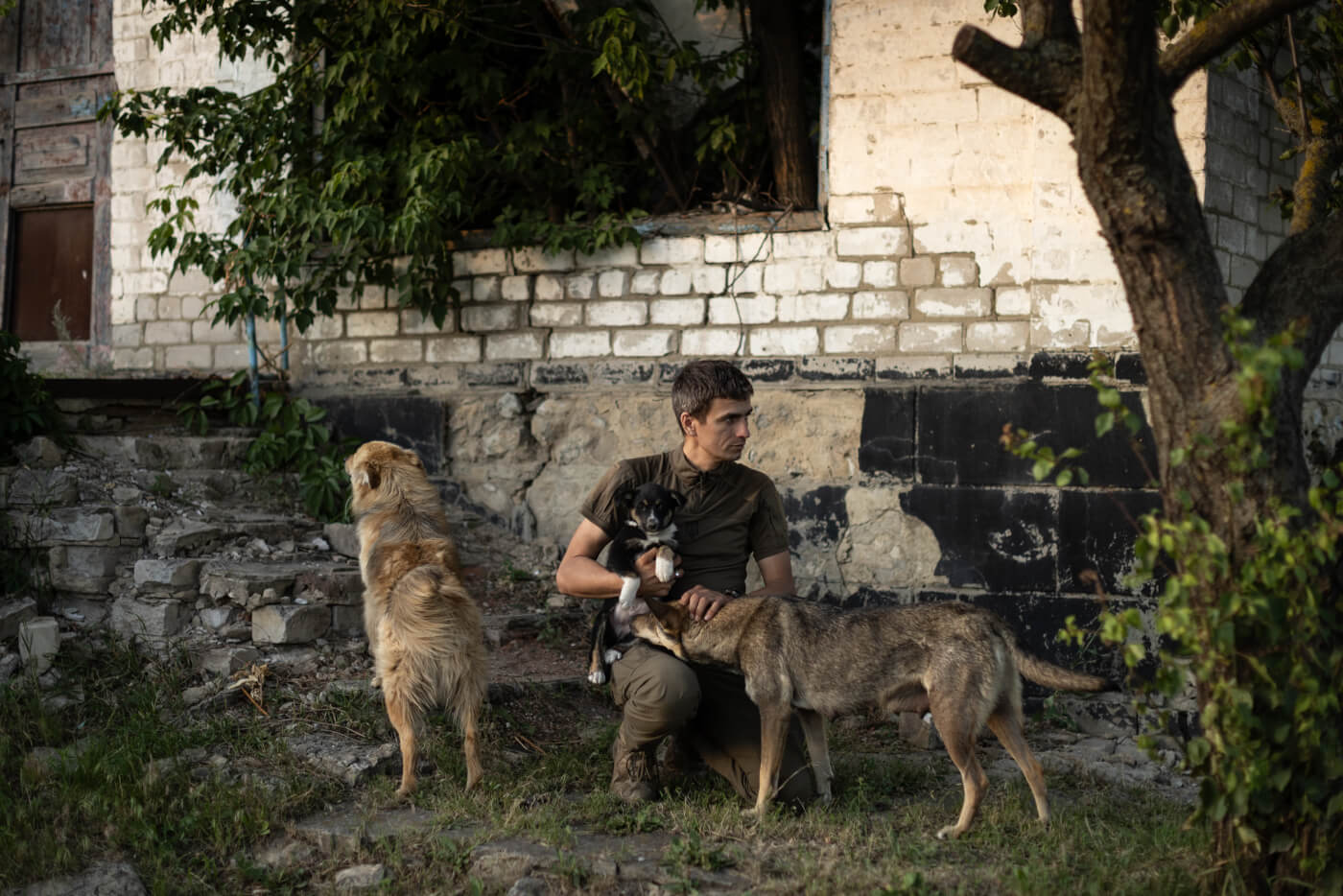
Ruslan Horbal, the Head of Rescue Operations for ARK, has been a pivotal figure in this transition. Having grown up in a traditional village environment, Horbal’s trajectory mirrors the broader societal shift. He notes that the sight of animals shivering in the snow or panting in the heat, unable to escape the confines of a chain while shells rained down, became a catalyst for change. This realization—that animals experience fear, loneliness, and relief in ways remarkably similar to humans—has become the philosophical backbone of ARK’s mission.
A Chronology of Crisis and Response
The rescue efforts can be categorized into several distinct phases, each defined by the changing nature of the conflict and the specific needs of the animal population.
Phase I: The Initial Displacement (February 2022 – late 2022)
In the early months of the invasion, the primary challenge was the sheer volume of abandoned domestic pets. As cities like Kharkiv and Bucha came under direct assault, thousands of cats and dogs were left in apartments or roaming the streets. ARK and other local groups focused on immediate extraction, often entering high-risk "grey zones" to retrieve animals from locked buildings.

Phase II: The Expansion to Livestock and Farm Animals (2023)
As the front lines stabilized and then shifted during various counter-offensives, the scope of rescue expanded. It wasn’t just pets in need; entire farms were abandoned. ARK began the complex task of evacuating larger animals, including sheep, goats, horses, donkeys, pigs, and cows. This required larger vehicles, specialized handling equipment, and significant caloric resources to sustain the animals once they reached safety.
Phase III: The Era of Drone Warfare and Infrastructure Collapse (2024 – 2025)
The introduction of widespread FPV (First-Person View) drones and increased strikes on energy infrastructure created new hazards. Rescue vans were frequently targeted or caught in the crossfire. ARK teams were forced to adopt military-style precautions, including the use of emergency defensive measures to protect their teams and the animals they carried. During this period, the destruction of bridges and roadways turned routine rescue missions into multi-day expeditions through treacherous terrain.
Phase IV: Rehabilitation and Long-term Sanctuary (2025 – Present)
By mid-2026, the focus has shifted toward the "ARK Peace Sanctuary." This facility serves as a haven for the most traumatized animals—those who cannot be immediately rehomed due to physical injuries or psychological scarring. The sanctuary provides a controlled environment where veterinarians and behaviorists work to "wash the dust of war" from the animals, helping them relearn trust after years of survival in a combat zone.
Operational Logistics and Supporting Data
The scale of the operation is supported by significant data provided by PETA Germany and the Global Compassion Fund. The collaboration has resulted in a highly efficient pipeline for animal care:
- Rescue Volume: Over 32,500 animals have been brought to safety since the start of the conflict. This includes a diverse range of species, from domestic house pets to heavy livestock.
- Reunification Rates: Against significant odds, ARK has managed to reunite approximately 50% of rescued dogs and cats with their original guardians. This process involves cross-referencing microchip data, social media posts, and local registries.
- Adoption and Relocation: For animals whose owners cannot be found or are unable to care for them, ARK facilitates adoptions within Ukraine and across Europe. PETA Germany plays a critical role in transporting these animals across borders to vetted homes in the European Union.
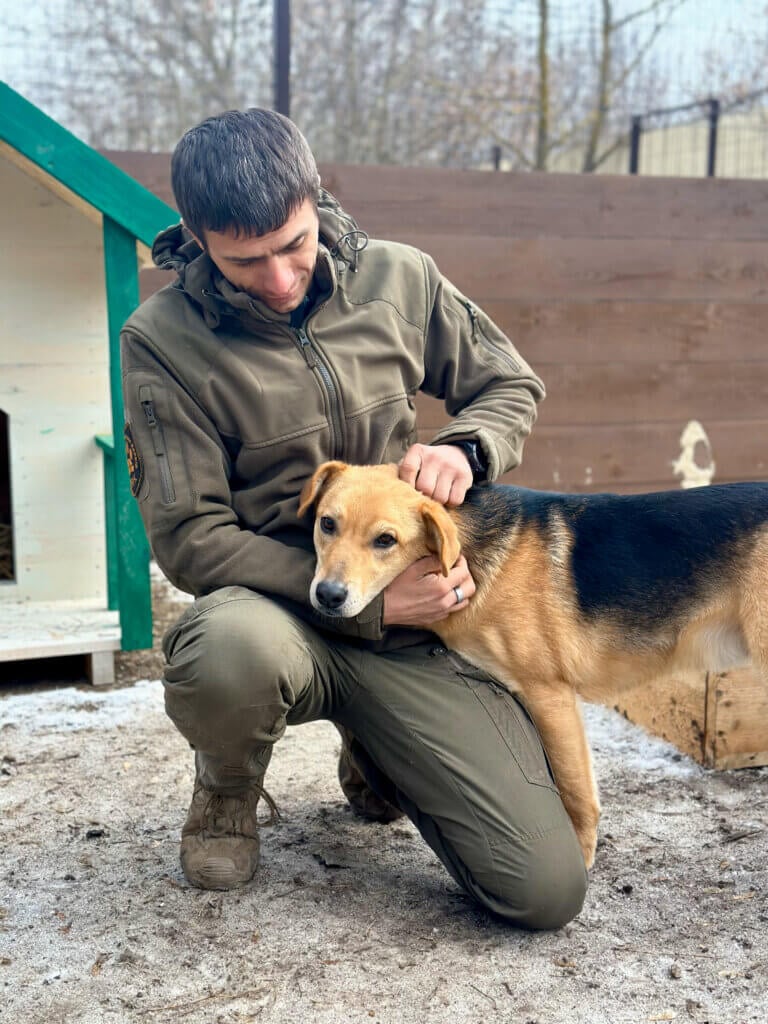
- Veterinary Intervention: A significant portion of the budget is allocated to medical care. Rescued animals often suffer from shrapnel wounds, chemical burns, malnutrition, and infectious diseases exacerbated by the breakdown of local veterinary services.
The Dangers of the "Grey Zone"
Operating in a war zone involves risks that go far beyond the standard challenges of animal control. ARK’s rescue vans have been "pummeled by enemy fire," according to field reports. The teams must navigate "crumpled ribbons of asphalt" that were once highways and traverse neighborhoods where buildings continue to collapse long after the initial shelling.
The psychological toll on the rescuers is also substantial. The team has lost colleagues to the violence, and the daily exposure to animal suffering—dogs "broken and scarred" by trauma—requires a unique level of resilience. In many cases, animals are so terrified that they cannot be approached by hand. Rescuers must use gentle sedatives to safely transport these "souls" to the Peace Sanctuary, where the long road to healing can begin.
Philosophical and Societal Implications
The work of ARK and PETA in Ukraine serves as a case study for the intersection of animal rights and humanitarian ethics during wartime. The organization argues that the mindset of domination—the idea that certain lives are of less value and can be discarded or "chained"—is the same logic that fuels international conflict. By treating animal lives as worthy of rescue and protection even in the midst of a human war, these organizations are challenging the traditional hierarchy of concern.
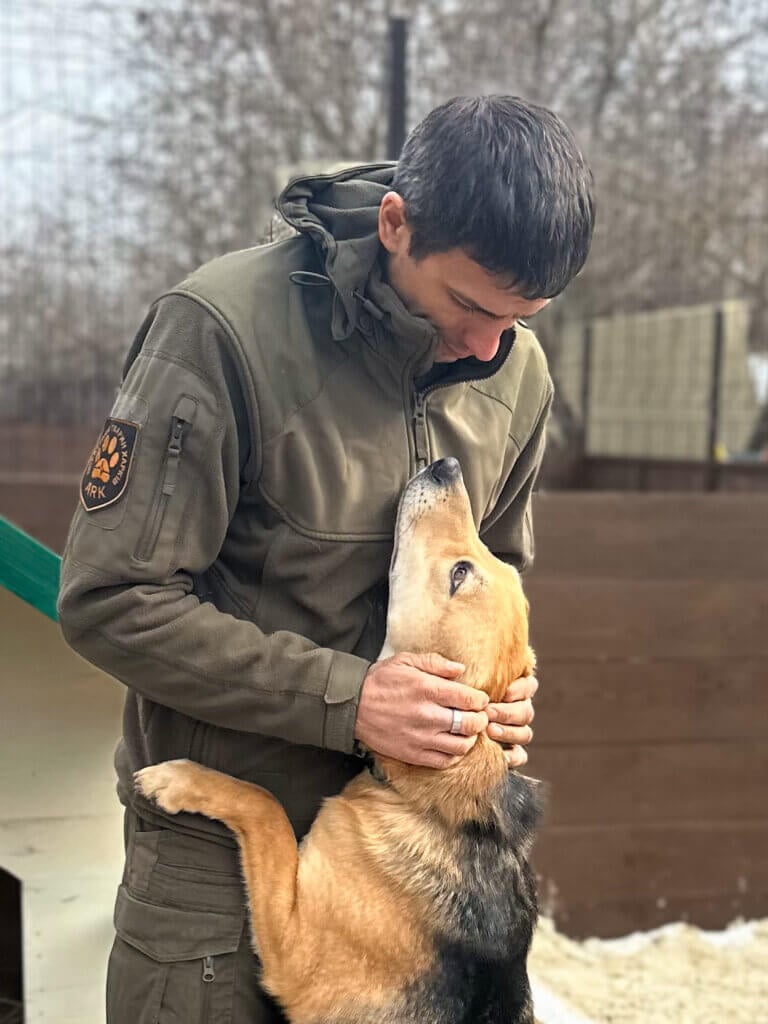
Ruslan Horbal emphasizes that the empathy children naturally feel for animals is often suppressed by societal norms that treat animals as "others" or tools. The war has, in a paradoxical way, stripped away these layers of socialization for many, revealing the shared vulnerability of all living beings. This shift in consciousness is viewed by some analysts as a potential foundation for a more compassionate post-war Ukrainian society.
Official Responses and International Support
PETA’s Global Compassion Fund remains the primary engine behind these efforts. The fund is supported exclusively by private contributions, which are used to provide food, medical supplies, armored transport, and sanctuary maintenance. Official statements from PETA emphasize that their presence in Ukraine is a long-term commitment. They argue that animal rescue is not a luxury to be addressed after the war ends, but a moral imperative that must be integrated into the broader humanitarian response.
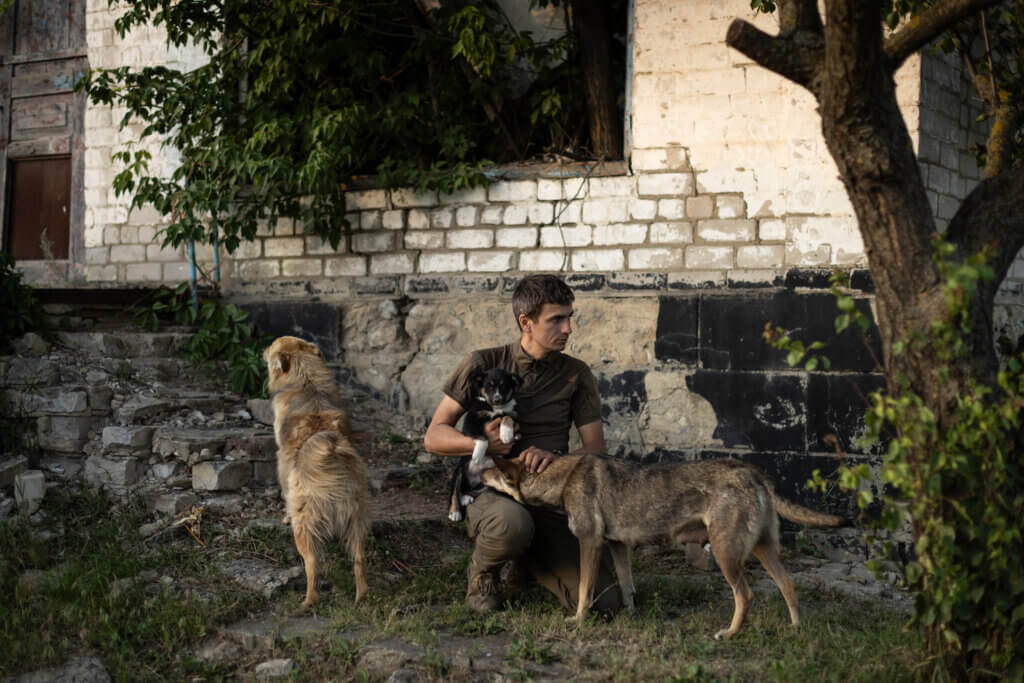
Local Ukrainian authorities have, in many regions, begun to coordinate more closely with ARK, recognizing that stray animal populations in war-torn cities can lead to public health crises, including the spread of rabies and other zoonotic diseases. By evacuating these animals, ARK is performing a vital public service that complements the work of human-focused NGOs.
The Road Ahead: Healing the Wounds of War
As the conflict continues into its fifth year, the challenges facing Animal Rescue Kharkiv are likely to intensify. The "Peace Sanctuary" is currently operating at near-capacity, and the need for sustainable funding for long-term care is more acute than ever. The goal remains not just to save animals from immediate death, but to provide them with a quality of life that justifies the risks taken by their rescuers.
The bond between the rescuers and the rescued has become a symbol of resilience. For people like Horbal, the process of bandaging a dog’s injuries or watching a traumatized cat play for the first time is a form of mutual healing. "Their pain and resilience have become intertwined with my own," Horbal noted in a recent update. This sentiment captures the essence of the mission: in a landscape defined by destruction, the act of saving a single life—regardless of species—is an act of defiance against the cruelty of war.
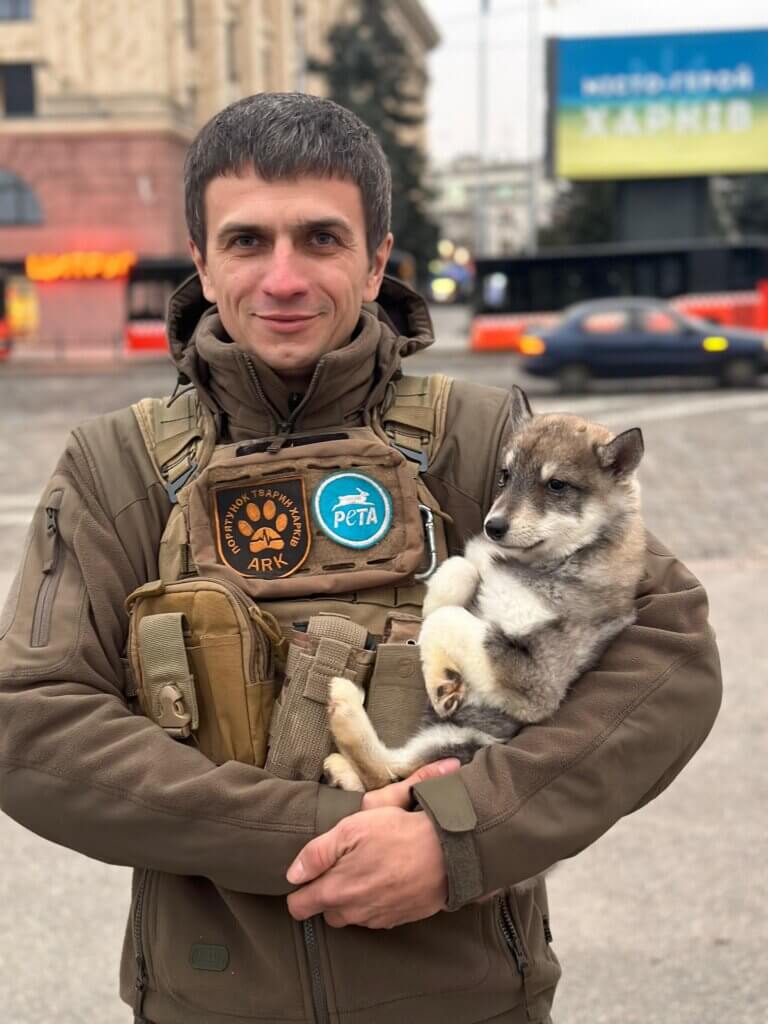
The ongoing efforts in Ukraine demonstrate that even in the darkest periods of human history, the impulse to protect the vulnerable remains a powerful force. Through the coordination of international donors, local experts, and brave field teams, tens of thousands of animals have been given a second chance, proving that compassion knows no borders and recognizes no "others."

