


The pervasive challenge of avian malnutrition stemming from seed-heavy diets remains a significant concern for companion bird owners worldwide. While the superior nutritional profile of pelleted diets and fresh foods is widely recognized among avian veterinarians, transitioning a beloved parrot, cockatiel, budgie, conure, African Grey, Amazon, or cockatoo from a lifelong seed addiction to a balanced diet is rarely a straightforward task. Birds, much like humans, develop strong preferences and habits, with some exhibiting curiosity and adaptability, others demonstrating caution and a need for routine, and a cunning few masterfully avoiding new foods, often outwaiting their owners in a test of wills. This inherent variability in avian behavior underscores the necessity of a personalized approach to diet conversion, moving beyond generic advice to scientifically validated strategies.
The Underlying Crisis of Seed-Based Diets
For decades, commercial seed mixes formed the bedrock of companion bird diets, largely due to their convenience and the birds’ immediate palatability. However, extensive research and clinical observations have revealed the profound health detriments associated with a predominantly seed-based diet. Seeds, while a natural food source in the wild, are typically high in fat and low in essential vitamins, minerals, and amino acids crucial for avian health. A bird relying solely on seeds is akin to a human subsisting on fast food; it might satisfy immediate hunger but leads to chronic nutritional deficiencies.
Common health issues linked to poor diet include obesity, hepatic lipidosis (fatty liver disease), kidney disease, hypovitaminosis A (leading to respiratory, skin, and feather problems), calcium deficiency (affecting bone density and egg-laying hens), and overall immune system suppression. These conditions significantly reduce a bird’s lifespan and quality of life, often manifesting subtly before becoming critical. The shift towards pelleted diets began in the late 20th century, driven by avian veterinary science seeking to provide a complete and balanced nutritional foundation, mimicking the diverse nutrient intake wild parrots achieve through varied foraging. Pellets are formulated to contain a balanced ratio of proteins, carbohydrates, fats, vitamins, and minerals, mitigating the guesswork and deficiencies inherent in seed-only feeding.
A Tailored Approach: Matching Method to Avian Personality
Recognizing that a "one-size-fits-all" approach often fails, particularly given the intelligence and individual personalities of psittacine species, the focus has shifted to evidence-based methods tailored to a bird’s specific behavioral profile. This methodology aims to facilitate a safe and effective transition, minimizing stress and health risks. A pivotal avian study, "An evaluation of three diet conversion methods in psittacine birds converting from seed-based diets to pelleted diets" by Cummings et al. (2022), rigorously assessed three distinct pellet conversion strategies: Birdie’s Choice, Slow and Steady, and Tough Love. The study’s objective was not to coerce birds into eating but to implement structured methods while meticulously monitoring key health indicators such as appetite, droppings, activity levels, body weight, and overall body condition. This research provides the empirical foundation for a more strategic and humane approach to diet change.
Understanding the Three Evidence-Based Conversion Methods
The selection of a conversion method is paramount, dictating the likelihood of success and the safety of the process. Owners must accurately assess their bird’s temperament and interaction style with new foods to choose the most appropriate strategy.
-
Birdie’s Choice: The Interactive Approach
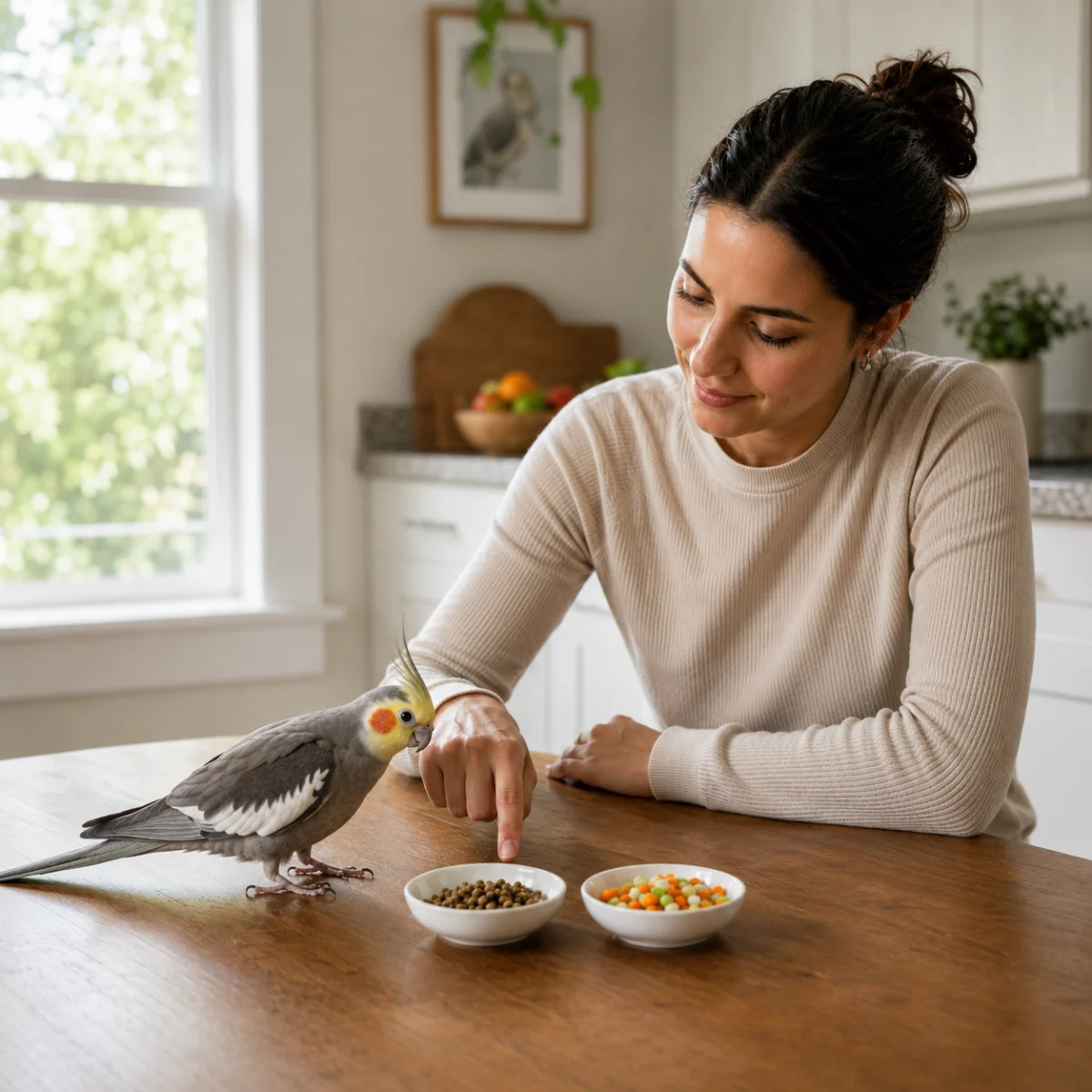
- Best For: This method is ideal for curious, social, and finger-tame birds who enjoy interaction, exploration, and positive reinforcement. Smaller species like budgies and cockatiels, known for their social foraging behaviors, often thrive under this method. It leverages the bird’s natural curiosity and willingness to engage with its owner.
- Not Best For: Fearful, aggressive, or untame birds who are unwilling to interact closely with their owner, or owners who cannot provide consistent, close supervision. Birds that retreat from novelty will not benefit from this direct, interactive approach.
- How it Works: The owner offers several types or brands of pellets in a low-pressure, interactive setting, often outside the cage on a clean surface. The owner actively encourages the bird through praise, gentle tapping near the pellets, feigned interest in the pellets (mimicking flock behavior), and positive vocalizations. The goal is to make the pellets appear safe and desirable through social modeling. The pellet variety the bird shows the most interest in or samples becomes the primary type for gradual introduction into the regular feeding area. This method focuses on positive association and choice, empowering the bird within the conversion process.
-
Slow and Steady: The Routine-Driven Approach
- Best For: This method suits cautious, routine-driven, or less tame birds who are easily stressed by change and require predictable exposure to new foods. It allows for a gradual acclimation, which can be less intimidating for nervous birds and their owners.
- Not Best For: Birds who are adept at waiting out their owners for familiar foods, or owners who struggle with consistency and frequently reintroduce seeds out of fear. This method demands strict adherence to timing and portion control to be effective.
- How it Works: Pellets are offered at specific, predictable times of day, particularly when the bird is naturally inclined to forage (e.g., first thing in the morning, late afternoon). Familiar seed mixes are provided in controlled, smaller portions only at designated times, and gradually reduced over days or weeks. Crucially, pellets remain continuously available and fresh, allowing the bird repeated, low-pressure encounters. The consistency of pellet availability and the controlled scarcity of seeds encourage the bird to explore the new food source without feeling deprived or overwhelmed.
-
Tough Love: The Structured Exposure Approach
- Best For: This method is designed for selective, seed-focused birds who exhibit sophisticated avoidance behaviors—picking around pellets, dumping bowls, or holding out for seeds. It’s also suitable for birds that eat a variety of foods but specifically refuse pellets.
- Not Best For: This method is explicitly not appropriate for sick, underweight, elderly, very tiny, egg-bound, or medically fragile birds without direct, ongoing guidance from an avian veterinarian. It also requires an owner capable of calm, consistent monitoring without succumbing to the urge to reintroduce seeds prematurely.
- How it Works: "Tough Love" in this context refers to maximum, unavoidable pellet exposure, not starvation. Pellets are placed in multiple, prominent locations throughout the bird’s cage and preferred areas, making them the most accessible food source. A minimal, controlled portion of familiar seed is offered only in a less preferred, harder-to-reach location. The objective is to make pellets the easiest and most frequent food encountered, thereby making them harder to avoid. This method demands meticulous monitoring of weight, droppings, and behavior to ensure the bird is consuming enough and not experiencing undue stress or nutrient deprivation.
The Crucial Role of Monitoring and Veterinary Consultation
Regardless of the chosen method, vigilant monitoring is non-negotiable for a safe and successful conversion. Avian veterinarians universally emphasize that any diet change must be accompanied by daily observation of several key indicators:
- Body Weight: Daily weighing on a precise gram scale (the same scale used consistently) is critical. Birds have high metabolisms, and even small weight fluctuations can signal significant health issues. A loss of more than 3% of body weight in a single week, or more than 10% of total body weight during the entire conversion period, warrants immediate cessation of the conversion and veterinary consultation.
- Droppings: Observe the quantity, consistency, and color of droppings. A decrease in droppings or changes in their appearance (e.g., very watery, black, tarry, or completely absent) can indicate insufficient food intake or gastrointestinal distress.
- Appetite and Water Intake: Note if the bird is interacting with food bowls, even if not visibly eating. Increased water intake can sometimes compensate for reduced food intake or indicate other issues.
- Activity Level and Behavior: Lethargy, fluffing, weakness, shaking, prolonged sleepiness, or a dramatic change in normal behavior are red flags requiring immediate veterinary attention.
- Body Condition: Gently palpate the bird’s keel bone to assess muscle mass. A prominent, sharp keel indicates weight loss and poor body condition.
While a healthy adult bird may not always require a preliminary vet visit for a diet improvement, an avian vet consultation is strongly recommended if the bird is elderly, medically fragile, underweight, egg-laying, or exhibiting any pre-existing health concerns. Their guidance can help establish a safe conversion pace and provide essential support should complications arise. Stopping the conversion due to adverse signs is not a failure; it is a responsible and life-saving decision.
Addressing Common Pitfalls and Misconceptions
The Ineffectiveness of Simply Mixing Seeds and Pellets: Many owners attempt to transition by simply mixing pellets into their bird’s existing seed mix. This strategy is largely ineffective because birds are highly selective eaters. They will meticulously pick out and consume their preferred seeds, leaving the pellets untouched. The bowl may appear balanced, but the bird’s actual nutritional intake remains seed-heavy. Structured methods, which manipulate timing, placement, and controlled access, are far more effective in encouraging genuine pellet consumption. Separate dishes and timed offerings provide clearer indicators of what the bird is truly eating.
Overcoming Owner Anxiety and Fear of Starvation: The fear that a bird will starve rather than eat new food is a profound concern for many owners. This anxiety can inadvertently sabotage conversion efforts, as owners, out of worry, may repeatedly reintroduce seeds whenever the bird hesitates. This teaches the bird that refusal leads to the return of preferred foods, reinforcing seed addiction. The structured methods, especially Tough Love, are designed to prevent this cycle by providing a clear plan and empowering owners to act consistently. The detailed monitoring protocols ensure that the bird’s safety is prioritized, distinguishing a controlled, temporary hunger response from genuine starvation. A bird will likely show some initial reluctance, but a healthy bird will eventually eat when consistently presented with a nutritious, palatable alternative, provided safety parameters are met.
Speed vs. Safety: The Paramountcy of Well-being: While owners naturally desire a rapid conversion, speed should never overshadow safety. A swift conversion is only a success if the bird remains stable, healthy, and stress-free. A slow, meticulously monitored conversion that ensures the bird maintains weight, appetite, and energy is always preferable to a rapid one that risks health complications. The "best" method is ultimately the one the owner can implement calmly and consistently, aligning with the bird’s temperament and health status.
Beyond Pellets: Building a Holistic Diet
Pellets form the nutritional foundation, correcting the inherent imbalances of seed-based diets. However, a truly optimal avian diet extends beyond pellets to include a diverse array of fresh vegetables, some fruits, and sprouts. These fresh foods provide additional vitamins, minerals, antioxidants, fiber, and crucial mental stimulation through varied textures and tastes. The same principles applied to pellet conversion—repeated exposure, routine, positive modeling, and experimentation with presentation—can be effectively utilized to introduce these beneficial fresh foods.
Many birds initially reject vegetables for the same reasons they reject pellets: unfamiliarity. Patience, creativity (e.g., offering finely minced "chop," grated carrots, steamed sweet potato, or clipped greens), and understanding individual preferences are key. Some birds prefer large pieces to shred, while others prefer finely diced mixes. The goal is to build a comprehensive, enriching diet that supports both physical and psychological well-being.
In conclusion, transitioning a seed-addicted bird to a pelleted diet is a critical step towards ensuring its long-term health and vitality. By understanding the profound health risks of seed-only diets, embracing evidence-based conversion methods tailored to individual avian personalities, and rigorously monitoring key health indicators, owners can navigate this process safely and effectively. The ultimate objective is not merely to change what a bird eats, but to foster a healthier, more confident companion through a structured, safety-first approach that prioritizes their well-being above all else. Owners seeking a detailed, step-by-step guide to implement these methods effectively are encouraged to consult specialized resources designed to walk them through the entire process, ensuring a smooth and successful transition away from seed dominance.
References
Cummings, A. M., Hess, L. R., Spielvogel, C. F., & Kottwitz, J. J. (2022). An evaluation of three diet conversion methods in psittacine birds converting from seed-based diets to pelleted diets. Journal of Avian Medicine and Surgery, 36(2), 145–152. https://doi.org/10.1647/21-00025

