


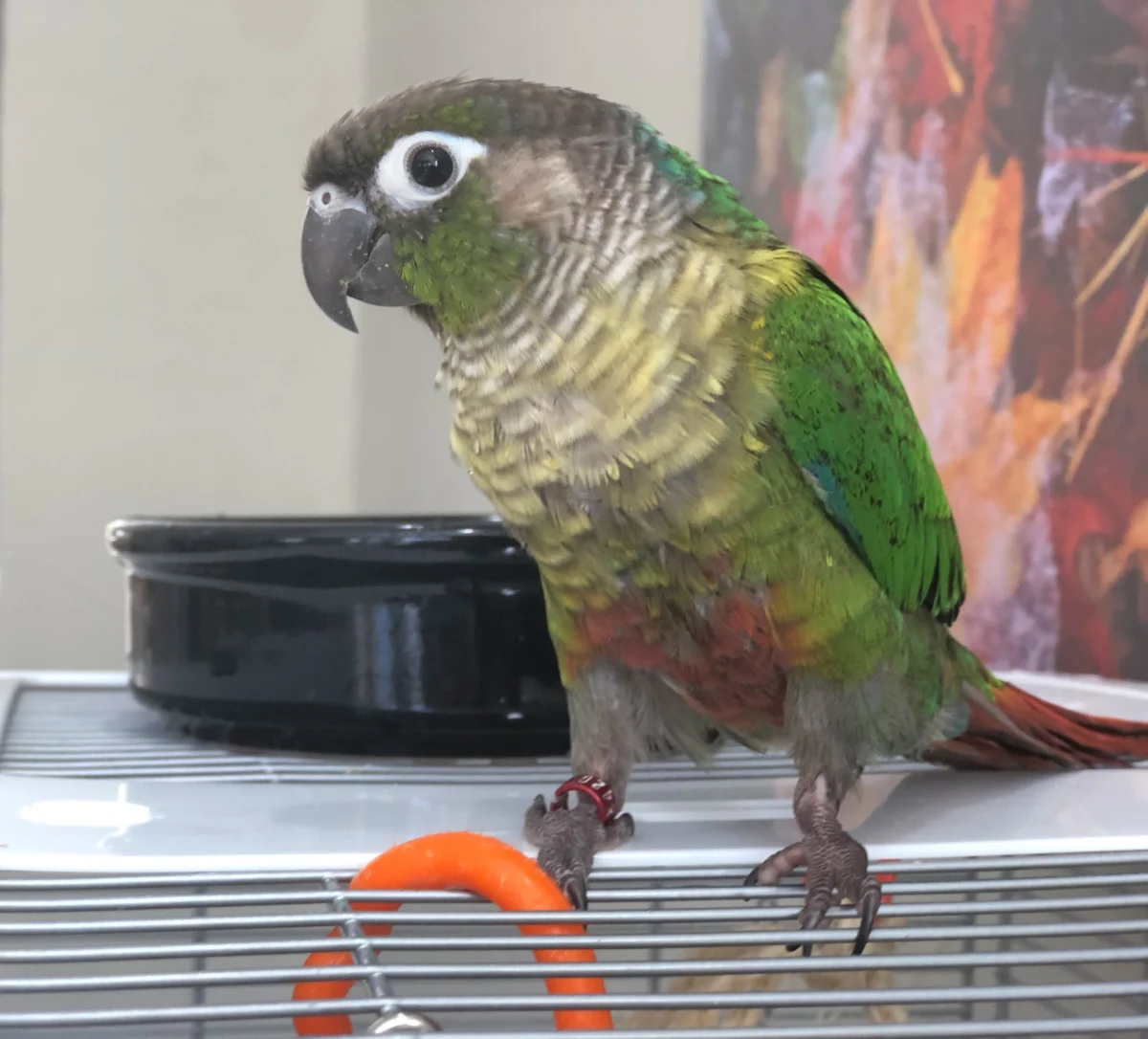
Indoor pet bird owners frequently observe increased itchiness, feather dust, and discomfort in their avian companions, particularly during winter months or periods of active molting. These symptoms often stem from dry indoor air conditions exacerbated by artificial heating, and while common, they necessitate a proactive and informed approach to avian care to prevent escalation into more severe health or behavioral issues. Understanding the physiological impact of environmental factors and nutritional status is paramount for ensuring the well-being of companion birds. This guide aims to provide a professional, evidence-based framework for identifying, managing, and preventing these seasonal challenges, distinguishing between normal physiological processes and signs that warrant immediate veterinary attention.
Understanding the Environment: The Impact of Indoor Air on Avian Health
The modern home environment, especially during cooler seasons, presents unique challenges for pet birds adapted to more humid natural habitats. Central heating systems, while providing human comfort, drastically reduce indoor humidity levels, often to below 30% relative humidity (RH), with some homes dropping to as low as 10-20% RH. In contrast, many avian species thrive in environments with 50-70% RH. This significant disparity directly impacts avian integumentary health.
Seasonal Challenges and Humidity Deficits
Low humidity strips moisture from a bird’s skin and feathers, leading to dryness, flakiness, and increased brittleness. The natural oils (preen oil) produced by the uropygial gland, which are crucial for waterproofing and maintaining feather flexibility, become less effective in extremely dry conditions. This can result in feathers that appear dull, dusty, or prone to breaking, and skin that feels tight, itchy, and irritated. The problem is particularly pronounced during winter, when heating is continuous, and during the molting process, when new feathers are emerging.
Veterinary experts and avian wellness educators emphasize that while baths offer temporary relief, the persistent return of itchiness and discomfort throughout the day often points to an underlying dry air problem rather than a deficiency in bathing frequency. The evaporative effect of dry air means that even after a thorough bath, moisture quickly dissipates from the feathers and skin, leading to a rapid return of symptoms.
Nutritional Underpinnings of Feather and Skin Integrity
Beyond environmental humidity, a bird’s diet plays a critical role in its skin and feather health. Nutritional deficiencies can predispose birds to a range of dermatological and feather issues, making them more susceptible to the adverse effects of dry air. Research, including insights from avian medicine texts like Cooper & Harrison’s "Avian Medicine: Principles and Application," highlights the importance of specific micronutrients.
Low intake of Vitamin A, Vitamin E, and essential omega fatty acids is common in birds maintained on seed-heavy diets, which are often deficient in these vital components. Vitamin A is crucial for the health and proper function of epithelial tissues, including skin and mucous membranes. A deficiency can lead to abnormal keratinization, making skin dry, flaky, and more prone to irritation. Vitamin E, a powerful antioxidant, protects cells from oxidative damage and supports skin integrity. Omega-3 and omega-6 fatty acids are integral components of cell membranes and contribute significantly to the skin’s barrier function, helping to retain moisture and reduce inflammation. When these nutrients are lacking, the skin becomes compromised, making it less resilient to environmental stressors like low humidity and more prone to itchiness and discomfort during molt.
Distinguishing Normal Discomfort from Urgent Concerns
It is crucial for bird owners to differentiate between normal physiological responses to environmental conditions or molting and signs that indicate a more serious underlying health issue. Misinterpreting symptoms can lead to either unnecessary panic or, conversely, dangerous delays in seeking professional veterinary care.
Expected Signs During Molt and Dry Conditions
During a normal molt, birds replace old feathers with new ones. This process involves the emergence of "pin feathers," which are new feathers encased in a keratin sheath. As these pins grow, they can be itchy and cause some discomfort, leading to increased preening. In a dry environment, these sheaths can become even drier and more irritating, prompting a bird to scratch or preen more vigorously to remove them. Normal signs that are typically manageable at home with improved husbandry include:
- Increased feather dust and dander.
- More frequent scratching or rubbing against perches.
- Visible pin feathers being meticulously preened.
- Slightly duller feather appearance due to dryness.
- Temporary, localized flakiness of the skin without redness or inflammation.
These behaviors are generally a bird’s attempt to self-soothe and facilitate the natural shedding of keratin sheaths.
Red Flags: When to Seek Professional Avian Veterinary Care
Certain signs, however, are not merely symptoms of dry air or normal molting and warrant immediate consultation with an avian or exotics veterinarian. These symptoms often indicate underlying medical conditions, pain, or significant behavioral distress that cannot be resolved through home care alone. According to guidelines often referenced in resources like the Merck Veterinary Manual, these include:
- Open wounds or bleeding feathers: These are entry points for infection and indicate trauma, which could be self-inflicted or due to injury.
- Bald patches or significant feather loss that is not symmetrical or consistent with a normal molt pattern: This can point to plucking, folliculitis, or systemic disease.
- Sudden, unexplained behavior changes: Lethargy, aggression, loss of appetite, or changes in droppings are general signs of illness.
- Persistent signs of discomfort or pain: Excessive screaming, hunching, favoring a limb, or refusal to perch.
- Self-mutilation: Actively pulling out feathers, tearing skin, or causing severe damage to the body.
- Skin redness, inflammation, or scabbing: Indicative of infection, allergic reaction, or severe irritation beyond simple dryness.
- Feathers that appear chewed, bent, or broken consistently: May suggest nutritional deficiencies, environmental stressors, or early stages of feather destructive behavior.
If any of these severe symptoms are observed, delaying veterinary intervention can lead to worsening conditions, chronic pain, and more complex treatment protocols.
Strategic Approaches to Avian Comfort and Hygiene
Addressing dry skin and molting discomfort effectively requires a multi-faceted approach that considers environmental modifications, appropriate bathing opportunities, and targeted nutritional support. The goal is to reduce irritation, support natural physiological processes, and empower the bird to manage its own comfort.
Reassessing Bathing Practices: Beyond the Spray Bottle
Many birds are particular about how they bathe. A common misconception is that a bird "hates baths" if it resists a spray bottle. In reality, it often means the method of bathing is uncomfortable or perceived as a threat. Avian behavior specialists advocate for offering diverse bathing opportunities and allowing the bird to choose, rather than forcing interaction. Daily access to bathing is recommended, especially in dry indoor air, but the choice to partake should always rest with the bird.
Effective, bird-centric bathing strategies include:
- Shallow dishes or bird baths: Many birds prefer to splash in a wide, shallow dish of lukewarm water placed on the cage floor or a play stand.
- Wet leafy greens: Offering thoroughly rinsed, wet greens like romaine lettuce or kale can entice birds to rub against them, transferring moisture to their feathers.
- Shower perches or shower steam: Some birds enjoy perching on a shower perch while their owner showers, benefiting from the ambient steam without direct spray. Others may prefer to sit in an adjacent room where steam has accumulated.
- Misting with a fine sprayer: If using a spray bottle, it should produce a very fine, gentle mist, not a strong stream. The water should be lukewarm, and the mist should be directed above the bird, mimicking light rain, rather than directly at its body. This approach gives the bird control to move into or away from the mist.
A crucial point underscored by avian behaviorists is that bathing should never be used as a form of correction or punishment. Associating bathing with negative experiences can lead to deep-seated aversion. When birds are given autonomy over their bathing, it typically ceases to be a struggle and becomes a positive, self-regulating activity.
Optimizing the Home Environment: Humidifiers and Microclimates
To counteract the effects of dry indoor air, increasing ambient humidity is a primary strategy. This can be achieved through various methods:
- Room humidifiers: Ultrasonic or evaporative humidifiers can significantly raise the overall humidity in a room. For optimal bird health, maintaining humidity levels between 50-60% RH is ideal. Owners should prioritize models that are easy to clean to prevent the buildup of mold and bacteria, which can become aerosolized and harmful to avian respiratory systems. Humidifiers should be placed strategically, away from the cage but close enough to impact the bird’s air space.
- Creating a "humid microclimate": For birds that are highly sensitive or in very dry homes, creating a localized zone of higher humidity around the cage can be beneficial. This might involve placing shallow dishes of water near the cage (out of reach of curious beaks) or using a dedicated tabletop humidifier near the bird’s living area.
- Air purifiers: While not directly increasing humidity, air purifiers can reduce airborne dust and dander, which, when combined with dry air, can exacerbate respiratory and skin irritation.
It is imperative that any humidity-generating equipment is meticulously cleaned and maintained according to manufacturer instructions. Furthermore, only pure, unscented water should be used. Added fragrances, essential oils, or chemical disinfectants can be highly toxic to birds and cause severe respiratory distress or other health problems.
Dietary Adjustments for Enhanced Feather and Skin Health
When environmental fixes and bathing opportunities are insufficient, dietary review becomes the next critical step. For birds on seed-heavy diets, supplementing with specific nutrients can provide significant support for skin comfort and feather quality. However, supplementation must be done carefully and conservatively to avoid hypervitaminosis or nutrient imbalances.
- Vitamin A: Incorporate dark leafy greens (kale, spinach, dandelion greens), orange vegetables (carrots, sweet potato), and fruits rich in beta-carotene (mango, papaya). Specialized avian supplements containing a safe form of Vitamin A (often beta-carotene, a precursor) can also be used under veterinary guidance.
- Vitamin E: Found in nuts (almonds, walnuts – in moderation), seeds (sunflower, safflower – in moderation), and green leafy vegetables.
- Omega Fatty Acids: Sources include flaxseed (ground or oil), chia seeds, and specific avian omega supplements.
The key principle is "sparingly and consistently." Small, careful additions over time are more effective and safer than large, abrupt changes or using multiple supplements simultaneously. Owners should monitor their bird’s response over several weeks. Commercial products designed for feather and skin health, such as multi-nutrient blends, can offer a balanced approach, but should always be used according to package instructions and in conjunction with a veterinarian’s advice. These supplements are intended to support the body’s natural processes, not to replace a balanced diet, proper husbandry, or veterinary care for underlying conditions.
The Critical Link Between Dryness, Molt, and Feather Destructive Behavior
The discomfort associated with dry skin and molting in low humidity can create a dangerous pathway towards feather destructive behavior (FDB), a complex and challenging issue in companion birds.
Molting: A Period of Heightened Vulnerability
During a molt, hundreds or even thousands of new feathers are simultaneously pushing through the skin. This process is inherently uncomfortable, as the developing feathers are rich in blood supply and nerve endings. In dry conditions, the keratin sheaths surrounding the pin feathers become brittle and difficult to shed. This exacerbates the itching and tightness experienced by the bird. The bird’s natural instinct to preen and scratch for relief can intensify. If the discomfort is severe and prolonged, normal grooming can escalate into over-preening, feather pulling, or even self-mutilation. Birds are not "misbehaving" during a rough molt; they are genuinely seeking relief from physical irritation.
Preventative Measures to Mitigate Behavioral Issues
Early intervention is critical in preventing the progression from normal preening to compulsive feather destructive behavior. When skin comfort is prioritized and irritation is reduced, the bird’s urge to excessively scratch or preen is significantly lowered. This makes the feather growth process easier and less likely to trigger a behavioral fixation.
Avian specialists emphasize that while dry air alone does not cause severe feather destruction, it can be a significant contributing factor that exacerbates underlying stressors or predispositions. When damage escalates, or feathers are actively being broken or pulled out, it indicates that more complex factors—environmental, nutritional, medical, or psychological—are at play beyond simple humidity issues.
Owners should pay close attention to early warning signs, which are indicators to adjust support rather than reasons for panic:
- Increased frequency or intensity of preening.
- Pin feathers that appear to be chewed or damaged.
- Localized redness or irritation on the skin.
- Feathers that appear frayed or worn at the tips.
- Any subtle shift in preening habits, such as focusing on one area excessively.
Addressing these early signals through improved humidity, appropriate bathing, and nutritional support can often de-escalate the situation and prevent the development of more severe, ingrained feather destructive habits.
Establishing a Timeline for Intervention and Monitoring
Implementing changes in husbandry and diet requires patience and consistent observation. Owners should have realistic expectations for when improvements can be anticipated and understand when to transition from home care to professional veterinary intervention.
Initial Home Care and Expected Outcomes
For mild, seasonal dry skin and molting discomfort, noticeable improvements in a bird’s comfort level should typically be observed within one to two weeks of consistently improving humidity, offering appropriate bathing opportunities, and making minor dietary adjustments. This might manifest as:
- Less frequent scratching.
- Calmer, less frantic preening.
- A reduction in visible feather dust.
- Feathers appearing smoother and less brittle.
If the discomfort is directly related to a molt, feather comfort will improve gradually over several weeks as new, healthier feathers grow in under improved conditions. The full impact on feather quality may take an entire molt cycle to become evident.
When to Elevate Concerns to an Avian Specialist
If, after one to two weeks of consistent, diligent home care, there is no noticeable improvement in the bird’s symptoms, or if the symptoms worsen at any point, it is imperative to contact an avian veterinarian. Do not wait if:
- The bird develops open wounds or bleeding.
- Feather destructive behavior escalates rapidly.
- There are any signs of systemic illness (lethargy, changes in appetite/droppings).
- The bird appears to be in significant pain or distress.
Early veterinary intervention is critical because many avian conditions can progress rapidly. Timely diagnosis and treatment can prevent secondary infections, mitigate chronic pain, and improve the overall prognosis for resolution. A veterinarian can rule out underlying medical conditions (e.g., parasites, fungal infections, organ disease, allergies) that mimic dry skin or molting discomfort, or provide a comprehensive plan for complex behavioral issues.
Conclusion: A Holistic Approach to Avian Wellness
Effectively managing dry skin, itchiness, and molting discomfort in indoor pet birds requires a holistic approach that integrates environmental modifications, species-appropriate behavioral enrichment, and sound nutritional principles. The primary goals are to support comfort, reduce irritation, and empower the bird’s natural grooming behaviors within a healthy framework. By understanding the interplay of indoor air quality, dietary needs, and avian psychology, owners can significantly enhance their birds’ quality of life, particularly during challenging periods like winter and molt. Knowing when to escalate concerns to a qualified avian veterinarian is a cornerstone of responsible pet bird ownership, ensuring that complex issues receive the expert attention they demand. Ultimately, a proactive and observant approach leads to happier, healthier birds.
Expert Perspectives and Further Resources
Avian wellness educators, such as Diane Burroughs, LCSW, an experienced psychotherapist and behavior specialist, emphasize a "nutrition and behavior-first, science-backed care" approach. This perspective aligns with the consensus in avian veterinary medicine that environmental and dietary factors are foundational to preventing many common health and behavioral issues. Researchers continually contribute to our understanding of avian physiology and husbandry, with studies like those published in Frontiers in Physiology (Chen et al., 2020) exploring the intricate details of feather development and skin health. Comprehensive veterinary references like the Merck Veterinary Manual (Lightfoot, 2024) provide updated guidelines for diagnosing and treating avian dermatological and feather disorders, reinforcing the importance of a multi-modal approach to avian care. These resources collectively underscore that attentive observation, proactive environmental management, and timely professional consultation are the pillars of optimal health for companion birds.

