


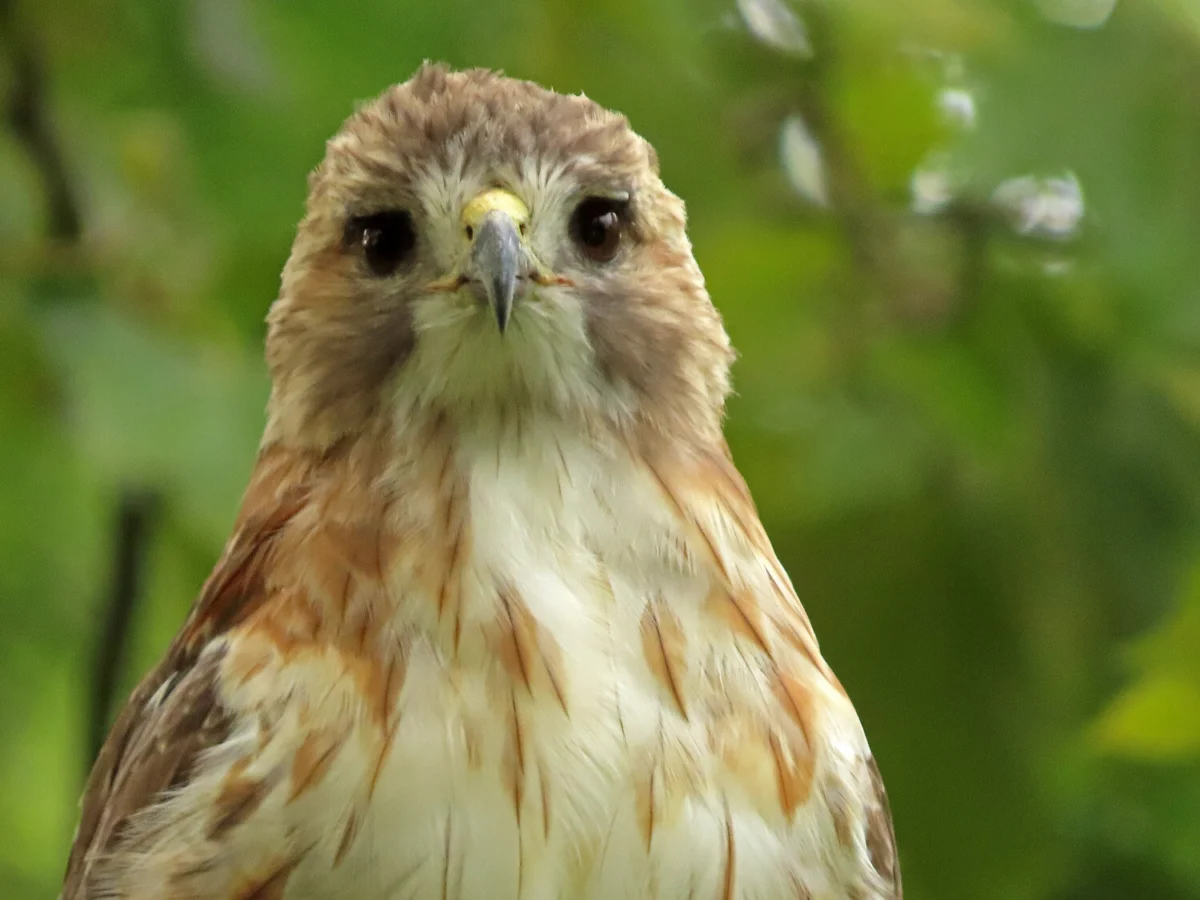
Georgia’s diverse landscapes, from the rugged Blue Ridge Mountains in the northeast to the vast Okefenokee Swamp in the southeast, provide a rich tapestry of habitats that support a remarkable array of wildlife, including numerous species of birds of prey. While often broadly referred to as "hawks," the classification and identification of these magnificent raptors can be surprisingly complex. This article delves into the avian families that comprise Georgia’s hawk population, clarifying distinctions between various groups and highlighting the specific species that grace the skies of the Peach State.
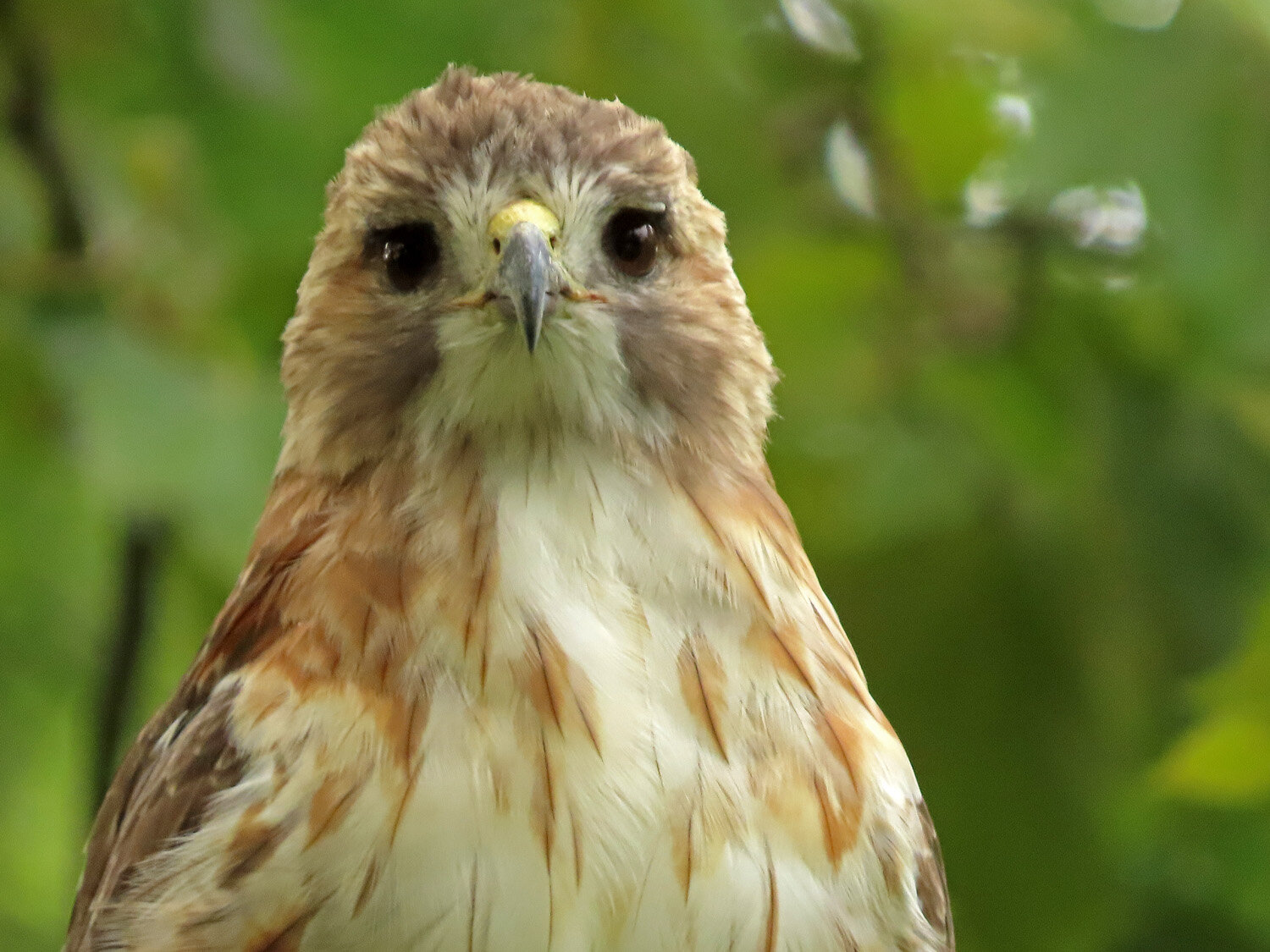
The intricate taxonomy of birds of prey can be a source of confusion, with overlapping classifications and common names that don’t always align with scientific groupings. Understanding these distinctions is key to appreciating the ecological roles and unique characteristics of each species. Georgia, ranking 32nd nationally in bird species documented by eBird with a total of 438 recorded species, offers a significant opportunity for ornithological observation. Among these, the Accipitridae family, commonly known as hawks, eagles, and kites, holds a prominent place.
Understanding the Accipitridae Family
The scientific classification of birds of prey is hierarchical. The order Accipitriformes encompasses most diurnal birds of prey. Within this order lies the family Accipitridae, which includes hawks, eagles, and kites. The subfamily Accipitrinae is specifically designated for "true hawks." Further subdivisions exist within Accipitrinae, including genera like Accipiter, Microspizias, Erythrotriorchis, Megatriorchis, and Circus.

For the purpose of understanding Georgia’s hawk population, it’s essential to also consider the Buteo genus. While not strictly classified as "true hawks" under the Accipitrinae subfamily, Buteo hawks are colloquially and widely recognized as hawks and are therefore included in this comprehensive overview. These powerful birds of prey play vital roles in controlling rodent populations and maintaining ecosystem balance.
Georgia is home to a notable diversity of these raptors, with several species being year-round residents and others undertaking seasonal migrations. The state’s varied geography, including forests, wetlands, open fields, and coastal areas, provides the necessary ecological niches for these predators to thrive.
Key Hawk Species Observed in Georgia
1. Red-shouldered Hawk (Buteo lineatus)
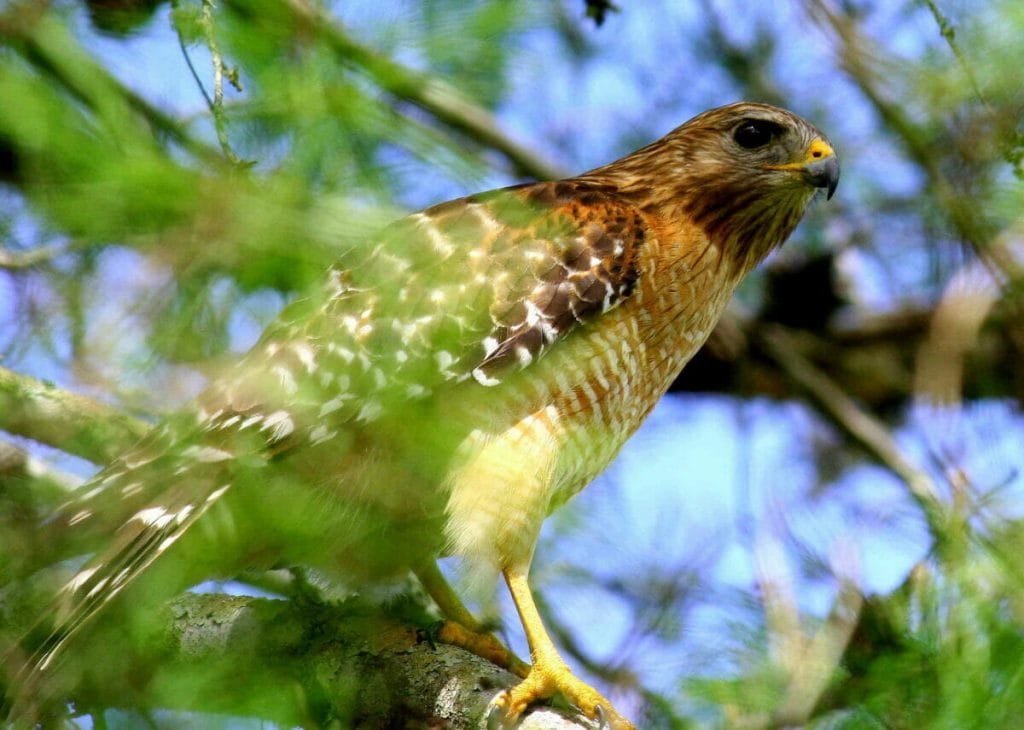
The Red-shouldered Hawk is a striking resident of Georgia, readily identifiable by its distinctive rufous (reddish-brown) coloring on the breast, head, and shoulders. The underside of its wings and tail are adorned with elegant black and white checks, a characteristic that aids in identification during flight.
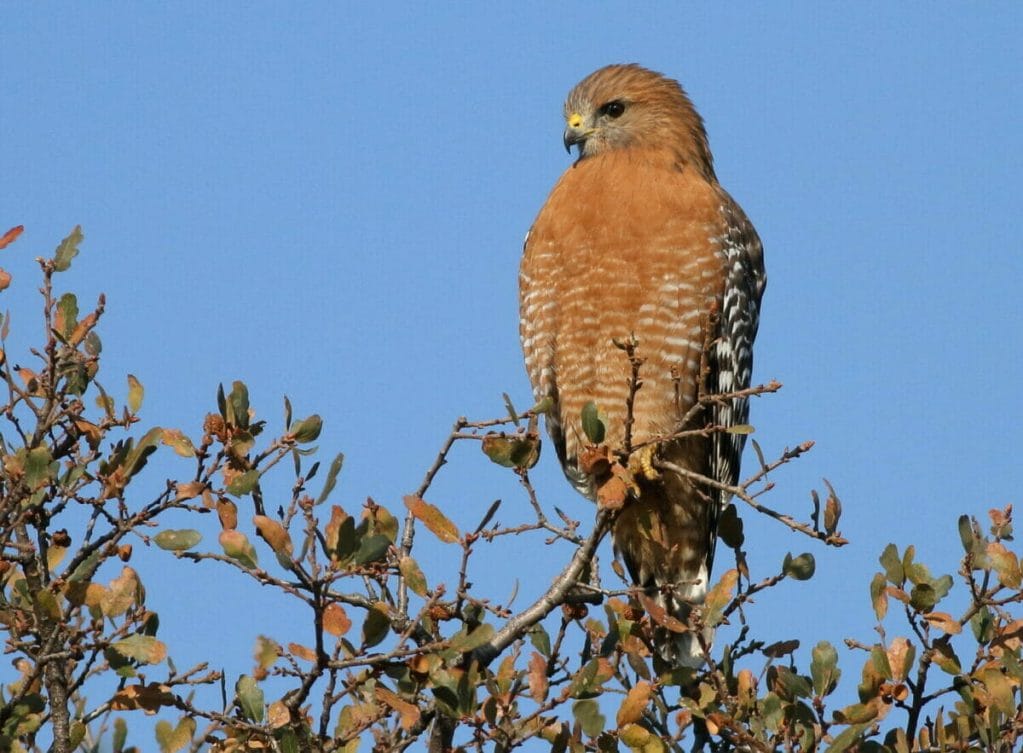
- Identification and Size: Adults exhibit vibrant rufous plumage on their underparts, contrasting with dark backs. Their wings and tail feature prominent black and white banding. Juveniles are typically browner with streaky undersides. They measure between 16.9 to 24.0 inches in length with a wingspan of 37.0 to 43.7 inches, weighing between 17.1 to 27.3 ounces.
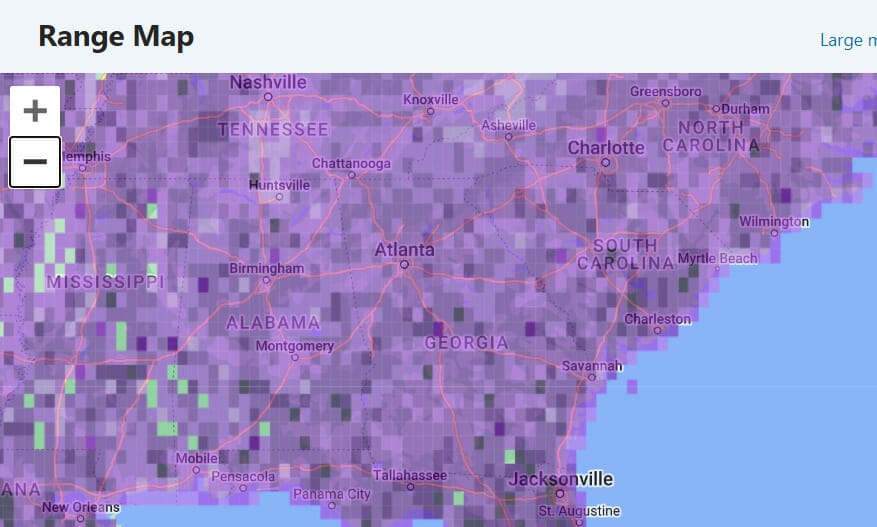
- Distribution: This species is a year-round resident found throughout Georgia in appropriate forest habitats, often near water sources. eBird range maps consistently show their presence across the state.
- Ecological Role: Red-shouldered Hawks are adept hunters, preying on small mammals, amphibians, reptiles, and insects. Their presence indicates a healthy forest ecosystem with sufficient prey availability.
2. Cooper’s Hawk (Accipiter cooperii)
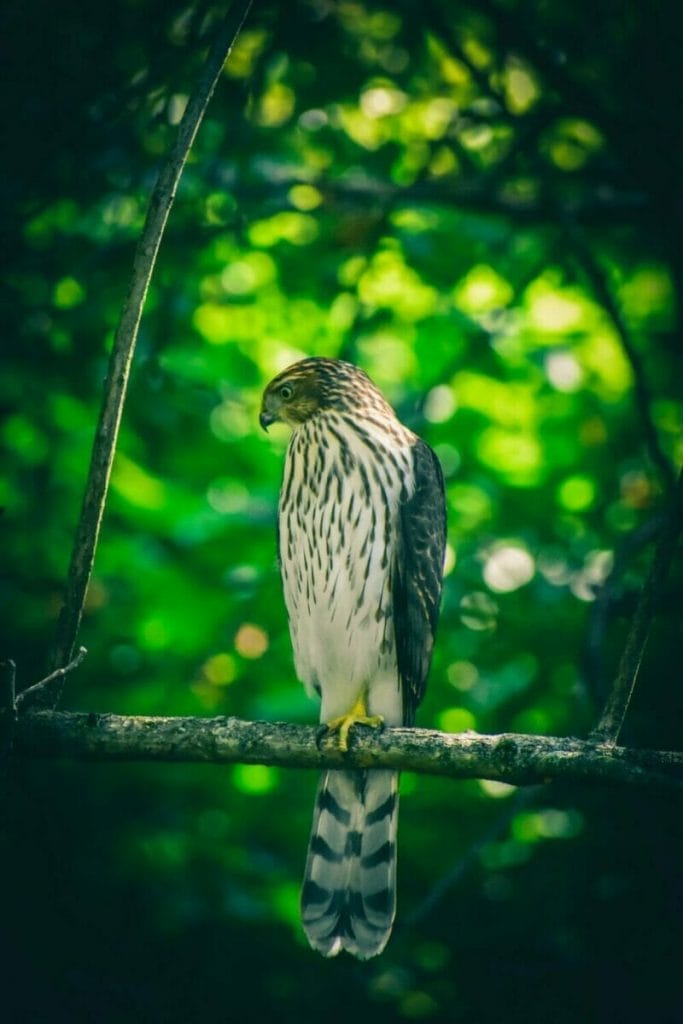
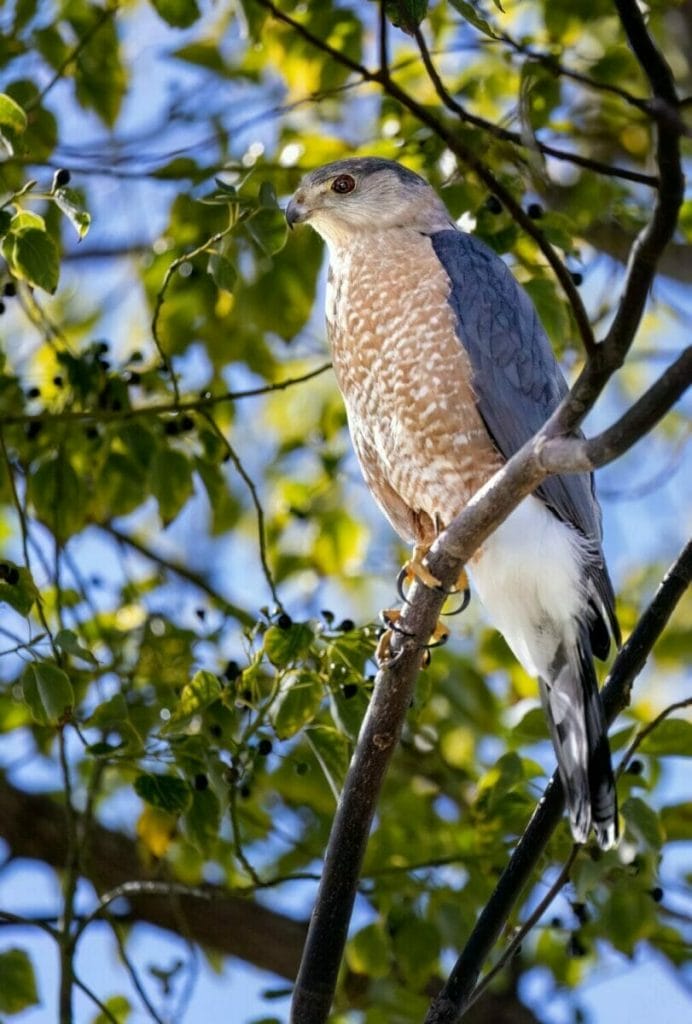
The Cooper’s Hawk is a medium-sized raptor known for its agility in forested environments. It is a year-round resident in Georgia, though its presence can be more subtle due to its preference for the dense canopy.
- Identification and Size: Adults are characterized by dark gray upperparts and orange or rusty barring on their undersides, extending from the chest to the pale belly. Females are notably larger than males. Immature birds display brown plumage with streaks. Their eyes are a distinctive staring feature. Length ranges from 14.6 to 17.7 inches, with a wingspan of 24.4 to 35.4 inches, and a weight of 7.8 to 24 ounces.
- Distribution: While migratory in other parts of North America, Cooper’s Hawks are resident in Georgia. They are found statewide but are less frequently observed than some other species due to their arboreal habits.
- Interesting Fact: Cooper’s Hawks are renowned for their hunting prowess, employing a swift and acrobatic flight through dense woods to capture their prey, which primarily consists of medium-sized birds. They are known to kill their prey with their powerful talons through crushing pressure.
3. Sharp-shinned Hawk (Accipiter striatus)
Often confused with the Cooper’s Hawk due to their similar appearance, Sharp-shinned Hawks are distinguished by their smaller size and paler undersides.
- Identification and Size: Similar in plumage to Cooper’s Hawks, Sharp-shinned Hawks are notably smaller. Their breasts are paler, and females are again larger than males. Juveniles are streaky brown. They are significantly smaller, with a length of 9.4 to 13.4 inches, a wingspan of 16.9 to 22.1 inches, and a weight of 3.1 to 7.7 ounces.
- Distribution: This species is migratory in Georgia, spending the non-breeding season in the state before returning to breeding grounds in Canada during the fall. While widespread, their preference for dense forests makes them less visible in southern Georgia.
- Interesting Fact: The Sharp-shinned Hawk is a specialized predator of smaller birds. It hunts by surprise, often ambushing birds at feeders or in dense vegetation, and dispatches them with its sharp talons.
4. Red-tailed Hawk (Buteo jamaicensis)
The Red-tailed Hawk is arguably the most common and widespread raptor in the United States, and Georgia is no exception. Its iconic red tail, visible from above, is a key identifying feature, although plumage can vary significantly.
- Identification and Size: Adult Red-tailed Hawks in Georgia typically display a bright red tail. Their undersides are pale with some reddish-brown markings. While the red tail is a strong indicator, variations in plumage can sometimes make identification challenging. Females are larger than males. They are substantial birds, measuring 17.7 to 25.6 inches in length with a wingspan of 44.9 to 52.4 inches, and weighing 24.3 to 51.5 ounces.
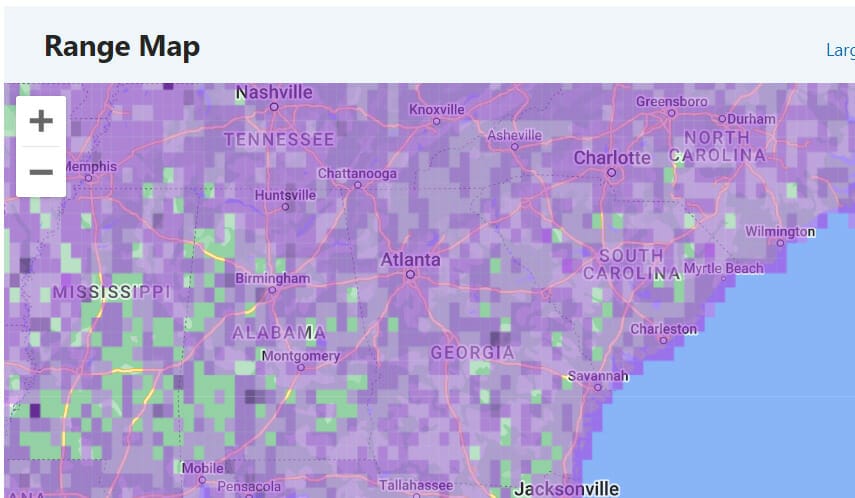
- Distribution: This species is a year-round resident found in nearly every habitat across Georgia, as indicated by extensive eBird coverage.
- Ecological Role and Cultural Significance: Red-tailed Hawks are opportunistic predators, feeding on a wide variety of small mammals, birds, and reptiles. Their distinctive shrill cry is so recognizable that it has been famously employed in Hollywood films to evoke a sense of wildness or danger.
5. Broad-winged Hawk (Buteo platypterus)
The Broad-winged Hawk is a smaller member of the Buteo genus, characterized by its short body and broad wings.
- Identification and Size: This hawk is brown above and distinctly barred on its breast. Its wings show rufous coloration near the shoulders and dark and white banding towards the tips and on the tail. They measure 13.4 to 17.3 inches in length with a wingspan of 31.9 to 39.4 inches, weighing between 9.3 to 19.8 ounces.
- Distribution: The Broad-winged Hawk is a summer visitor to Georgia, breeding in the state during the warmer months before migrating to Central and South America for the winter.
- Interesting Fact: A remarkable spectacle occurs during the fall migration of Broad-winged Hawks. They gather in large flocks known as "kettles," soaring and circling together in the sky, creating a breathtaking natural phenomenon.
6. Short-tailed Hawk (Buteo brachyurus)
The Short-tailed Hawk is a less common visitor to Georgia, with a more established population in south Florida.
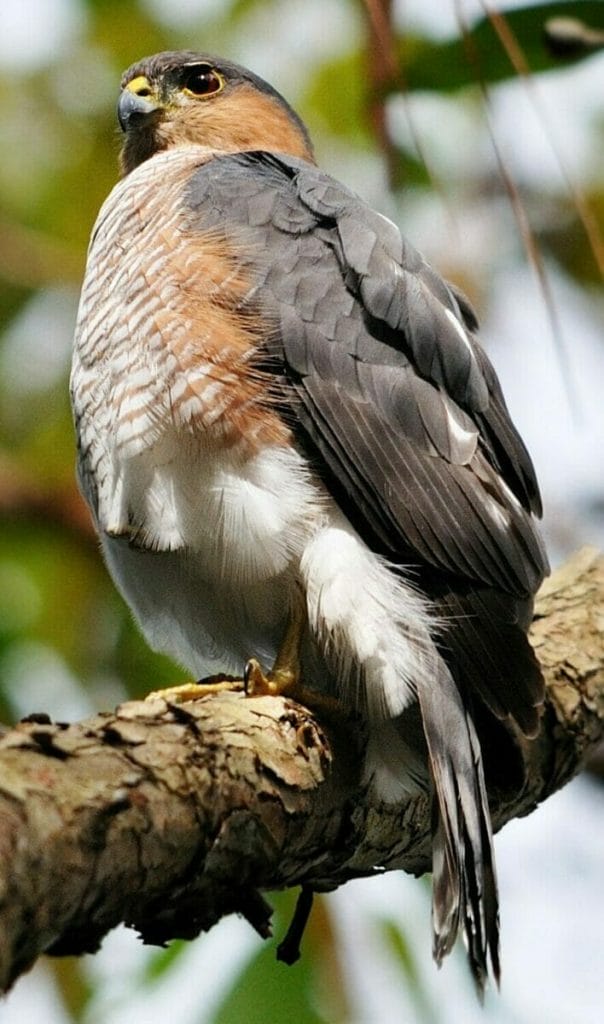
- Identification and Size: This hawk is notable for dark patches surrounding its face and a white throat. It exists in both dark and pale morphs. The dark morph is predominantly dark with white underwings, while the pale morph features white undersides with black barring. They are of moderate size, with lengths of 15.3 to 17.3 inches, wingspans of 32.7 to 40.5 inches, and weights of 13.6 to 16.9 ounces.
- Distribution: Sightings in Georgia are rare, with eBird reporting fewer than 15 occurrences. The species breeds further north and has a significant population in south Florida, suggesting potential expansion or vagrancy into southern Georgia.
- Interesting Fact: The dark morph is more prevalent in the Florida population, making it the most likely form to be observed in Georgia.
7. Northern Goshawk (Accipiter gentilis)
The Northern Goshawk is a large and powerful raptor, a rare sight in Georgia. Its presence is typically limited to the northwestern parts of the state.
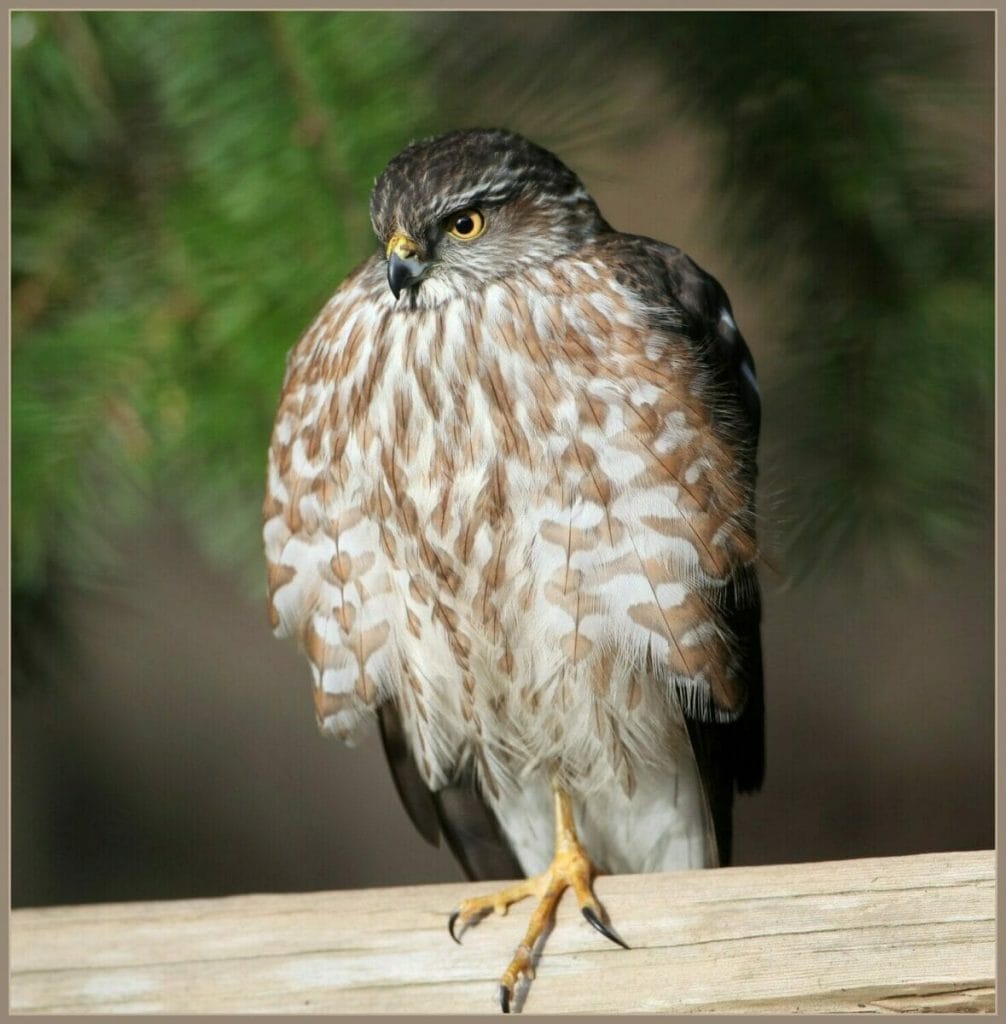
- Identification and Size: This hawk possesses dark gray backs and pale, intricately marked undersides. A striking red eye and a pronounced white brow stripe are distinctive features. Juveniles exhibit varied brown plumage. They are among the larger hawks, measuring 20.9 to 24.0 inches in length with a wingspan of 40.5 to 41.1 inches, and weighing 22.3 to 48.1 ounces.
- Distribution: With only three reported sightings on eBird, the Northern Goshawk is exceptionally rare in Georgia. Its range extends to the northwestern border of the state, suggesting that Georgia lies at the extreme periphery of its typical distribution.
- Interesting Fact: Northern Goshawks are known for their unique nesting behavior. A mated pair may maintain up to eight nesting sites, utilizing them in rotation or revisiting successful nests in subsequent years, demonstrating a strategic approach to reproduction.
8. Northern Harrier (Circus hudsonius)
The Northern Harrier is an elegant raptor recognized for its slender build and distinctive flight pattern. It is a winter visitor to Georgia.
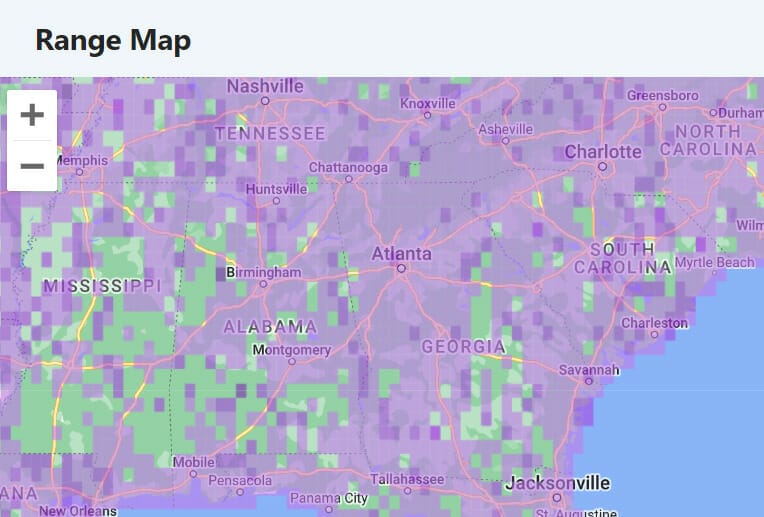
- Identification and Size: This hawk is gray above with prominent facial markings. Thick barring is visible on the underside of its wings, accentuating their length. Its tail is notably long. They are medium-sized, with lengths of 18.1 to 19.7 inches, wingspans of 40.2 to 46.5 inches, and weights ranging from 10.6 to 26.5 ounces.
- Distribution: Georgia falls within the non-breeding range of the Northern Harrier. They are present in the state during spring, autumn, and winter months, favoring open habitats.
- Interesting Fact: The Northern Harrier hunts by flying low over open fields, grasslands, and marshes, relying on its keen eyesight and exceptional hearing to locate small mammals, its primary prey.
Conclusion: A Rich Avian Landscape
In summary, Georgia hosts a diverse array of raptors commonly referred to as hawks. This includes four species from the Buteo genus (Red-shouldered, Red-tailed, Broad-winged, and Short-tailed Hawks), three from the Accipiter genus (Cooper’s Hawk, Sharp-shinned Hawk, and Northern Goshawk), and one species from the Circus genus (Northern Harrier).
While the initial assumption might be that Georgia’s topography would support an even greater variety of hawks, the state also boasts significant populations of eagles, including the Bald Eagle, Golden Eagle, and Osprey, as well as several falcon species such as the Peregrine Falcon, American Kestrel, and Merlin. This underscores Georgia’s importance as a habitat for a wide range of birds of prey.
Frequently Asked Questions
-
What is the largest bird of prey in Georgia?
Among the species discussed, the Red-tailed Hawk is the largest, closely followed by the Northern Harrier. Their substantial size and powerful build make them formidable predators within their respective ecosystems. -
How do you distinguish between a hawk and a falcon?
Falcons possess a distinctive notch on the top of their bill, known as a "tomial tooth," which aids in dispatching prey. Hawks lack this feature. Furthermore, falcons tend to be smaller, more slender, and exhibit greater agility in flight compared to the generally stockier build of most hawks.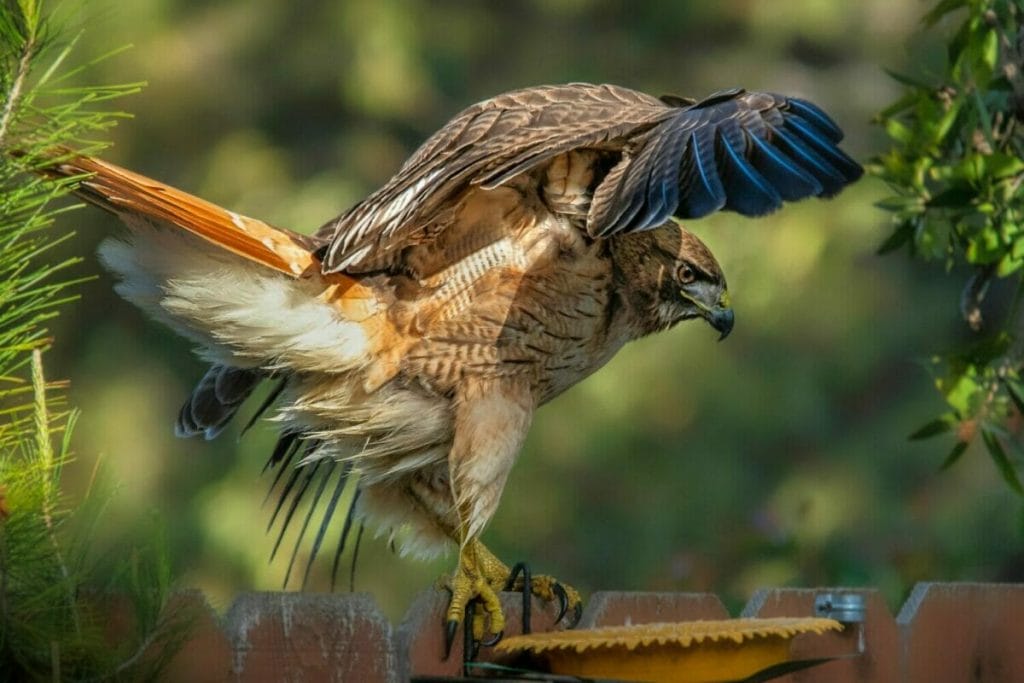
-
Can a hawk lift a dog?
While large hawks possess considerable strength, the idea of them lifting a dog is largely theoretical and highly improbable. Hawks are adapted to prey on smaller animals like rodents, birds, and reptiles. Even the largest species would struggle to lift a dog, and they are unlikely to venture into residential areas seeking such prey. Encounters with domestic pets by raptors are extremely rare.

