


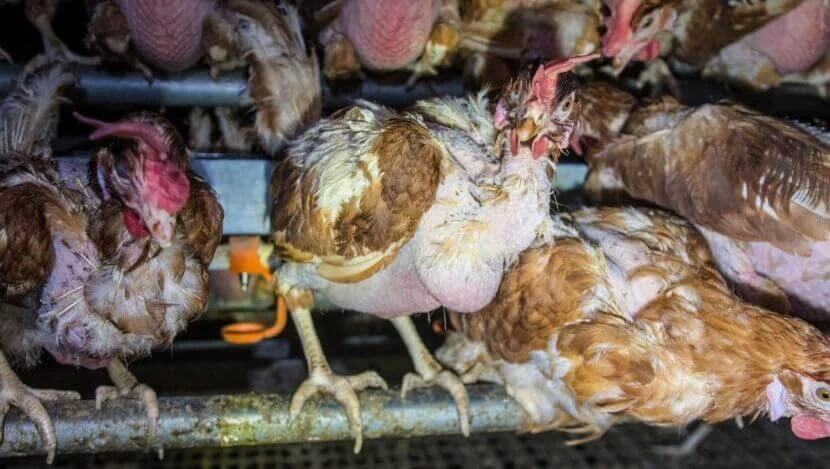
The tension between corporate branding and animal welfare advocacy reached a new peak on June 10, 2026, as People for the Ethical Treatment of Animals (PETA) formally challenged Vital Farms, a leading producer of pasture-raised eggs, during its annual shareholder meeting in Austin, Texas. The confrontation centers on allegations of "humane-washing," a term used to describe marketing that portrays animal products as ethically produced while allegedly obscuring standard industrial practices. PETA, which has acquired stock in the company to influence internal policy, questioned the validity of Vital Farms’ "happy hen" narrative, citing discrepancies between the company’s idyllic advertisements and the physical realities of commercial egg production.
Vital Farms, which went public in 2020 and operates as a Public Benefit Corporation (PBC), has built a multi-million dollar brand on the promise of transparency and superior animal welfare. Its packaging frequently features illustrations of hens in open pastures, accompanied by labels such as "Certified Humane" and "Pasture-Raised." However, PETA’s recent intervention suggests that these labels may provide a false sense of security to consumers who are paying a significant premium for what they believe are cruelty-free products. The shareholder meeting, which was reportedly adjourned after approximately ten minutes, left several of these pointed questions unanswered, sparking a broader debate about the ethics of the "ethical" food industry.
The Disconnect Between Branding and Production Realities
At the heart of the dispute is the definition of "humane" treatment within a commercial framework. Vital Farms utilizes a "Certified Humane" designation, a third-party certification provided by Humane Farm Animal Care (HFAC). While this certification requires that "pasture-raised" hens have at least 108 square feet of outdoor space per bird, it does not prohibit several practices that animal rights groups characterize as inherently cruel.
Chief among these practices is "beak trimming" or "debeaking." In many commercial operations, including those within the Vital Farms supply chain, the sensitive tips of hens’ beaks are removed using infrared lasers or hot blades. The industry justification for this procedure is the prevention of feather pecking and cannibalism, behaviors that often emerge when large numbers of birds are kept in close proximity. PETA argues that this practice causes chronic pain and that the necessity of the procedure itself is an indictment of the living conditions, suggesting that even "pasture-raised" birds spend significant time in crowded indoor environments where stress-induced aggression occurs.
Furthermore, PETA alleges that the "pasture-raised" promise is frequently a "false reality." While the birds may have access to the outdoors, the organization claims that many hens remain inside crowded, ammonia-scented sheds for the majority of their lives due to weather conditions, fear of predators, or the sheer difficulty of navigating through thousands of other birds to reach small exit points.
The Economics of Ethical Labeling
The controversy carries significant economic implications. Vital Farms’ eggs typically retail for two to three times the price of "conventional" eggs. In major metropolitan markets, a dozen Vital Farms eggs can cost between $7.00 and $10.00, whereas conventional eggs often hover between $2.00 and $4.00. This price premium is built entirely on consumer trust—the belief that the additional cost directly translates to a fundamentally different life for the animals involved.
Market data indicates that the "conscious consumer" segment is one of the fastest-growing demographics in the grocery sector. According to retail analytics, sales of eggs with animal welfare claims have outpaced conventional egg sales by nearly double digits over the last five years. By positioning itself as the "ethical" alternative to factory farming, Vital Farms has captured a significant share of this lucrative market. However, PETA’s challenge posits that if the underlying production methods do not deviate significantly from industry norms regarding mutilation and slaughter, the price premium may constitute a form of consumer fraud.
Regulatory Oversight and Certification Standards
The legal and regulatory framework surrounding egg labeling in the United States is complex and often criticized for its lack of clarity. The United States Department of Agriculture (USDA) regulates terms like "Organic," which pertains primarily to the birds’ diet and the absence of synthetic pesticides or antibiotics. However, terms like "Humanely Raised" or "Ethically Sourced" are not strictly defined by federal law.
This regulatory vacuum has allowed third-party certifications, such as "Certified Humane" or "American Humane Certified," to become the de facto standards. While these organizations conduct audits, critics argue that the standards are designed to be achievable for large-scale commercial operations rather than to ensure a high quality of life for the animals. For instance, the transition from "cage-free" to "pasture-raised" is an improvement in space, but it does not alter the fundamental biological exploitation of the hen.
Legal experts note that "humane-washing" lawsuits are becoming more common. In recent years, several major food producers have faced class-action litigation for using imagery of green pastures on products derived from animals raised in industrial settings. PETA’s strategy of buying stock to participate in shareholder meetings represents a shift toward "activist investment," aiming to hold corporations legally and financially accountable for their marketing claims.
The Life Cycle of the Commercial Layer Hen
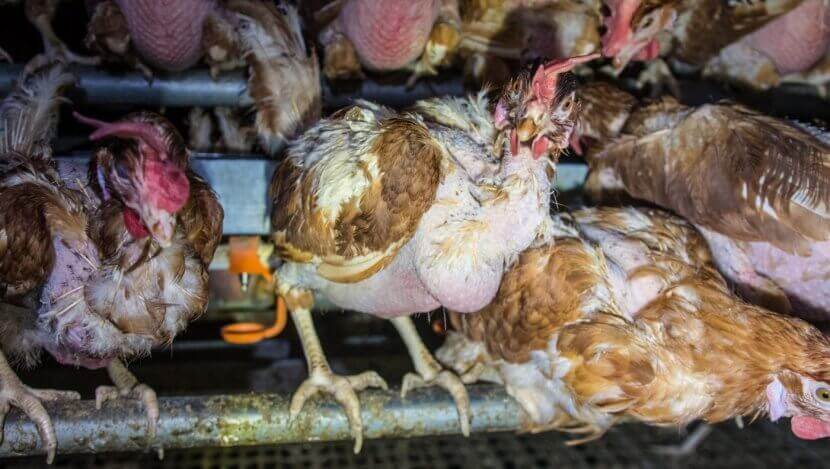
A significant portion of PETA’s critique involves the end-of-life protocols for hens in the Vital Farms system. In a natural environment, a hen can live between eight and ten years. However, in the commercial egg industry—regardless of the "pasture-raised" status—hens are typically considered "spent" by the age of 18 months. At this point, their egg production begins to decline, and they are no longer considered profitable.
The "depopulation" process involves transporting these young birds to slaughterhouses. The methods used are standard across the industry: birds are shackled upside down by their legs on a moving conveyor belt, passed through an electrified water bath intended to stun them, and then moved to a mechanical blade that slits their throats. PETA points out that the electrified bath is not always effective, and some birds remain conscious as they reach the scalding tanks used for feather removal.
The organization argues that as long as animals are treated as units of production with a strictly defined expiration date, the term "humane" is a misnomer. This systemic issue is one that Vital Farms, despite its "happy hen" branding, has not addressed through a departure from industry-standard slaughter practices.
A Chronology of Corporate Growth and Activist Scrutiny
The trajectory of Vital Farms illustrates the broader trend of "ethical" brands scaling into the mainstream:
- 2007: Vital Farms is founded in Austin, Texas, starting with a single farm.
- 2013-2015: The company expands rapidly, partnering with hundreds of small family farms to meet growing demand from retailers like Whole Foods.
- 2020: Vital Farms goes public on the NASDAQ (ticker: VITL), raising over $200 million. It emphasizes its status as a Public Benefit Corporation, committing to the interests of "all stakeholders," including the environment and animals.
- 2021-2024: The company faces increasing scrutiny from animal rights groups. PETA and other organizations begin documenting conditions at various "Certified Humane" suppliers, alleging that the reality on the ground does not match the marketing.
- June 2026: PETA uses its status as a shareholder to confront the board at the annual meeting. The meeting is cut short after PETA’s inquiry into the "humane" narrative, signaling a deepening rift between the company and animal welfare advocates.
The Rise of the Vegan Egg Market
As the debate over egg production ethics intensifies, a shift in the market is becoming visible. PETA and other advocacy groups are increasingly pointing consumers toward plant-based alternatives as the only definitive way to avoid the ethical dilemmas associated with animal agriculture.
The vegan egg market, led by products like "Just Egg" (made from mung beans), has seen a surge in adoption. Market analysts project that the global plant-based egg market will reach a valuation of several billion dollars by 2030. These products appeal to consumers not only for ethical reasons but also for environmental and health benefits, as they require significantly less water and land than poultry farming and contain no cholesterol.
Vital Farms has acknowledged the rise of plant-based proteins in its financial filings, noting it as a potential risk to their traditional business model. However, the company continues to lean into its identity as the "gold standard" of animal-based egg production, betting that a large segment of the population will continue to consume eggs if they believe the animals are being treated well.
Broader Implications for the Agricultural Sector
The challenge against Vital Farms is a bellwether for the entire agricultural industry. It highlights a growing "transparency gap" where consumers demand more information about the origins of their food, but the industrial scale required to feed millions makes the idyllic "family farm" model difficult, if not impossible, to maintain.
If PETA’s efforts lead to stricter labeling requirements or successful "humane-washing" litigation, it could force a massive rebranding across the grocery store. Companies may be required to include more factual disclosures about practices like beak trimming or slaughter ages on their packaging.
For now, the standoff in Austin remains unresolved. Vital Farms continues to defend its practices as industry-leading and superior to conventional methods, while PETA maintains that "humane exploitation" is a contradiction in terms. As this conflict moves from the farm to the boardroom and potentially to the courtroom, the definition of what constitutes a "happy hen" will likely be decided by the consumers who decide which cartons to pull from the shelf.

