


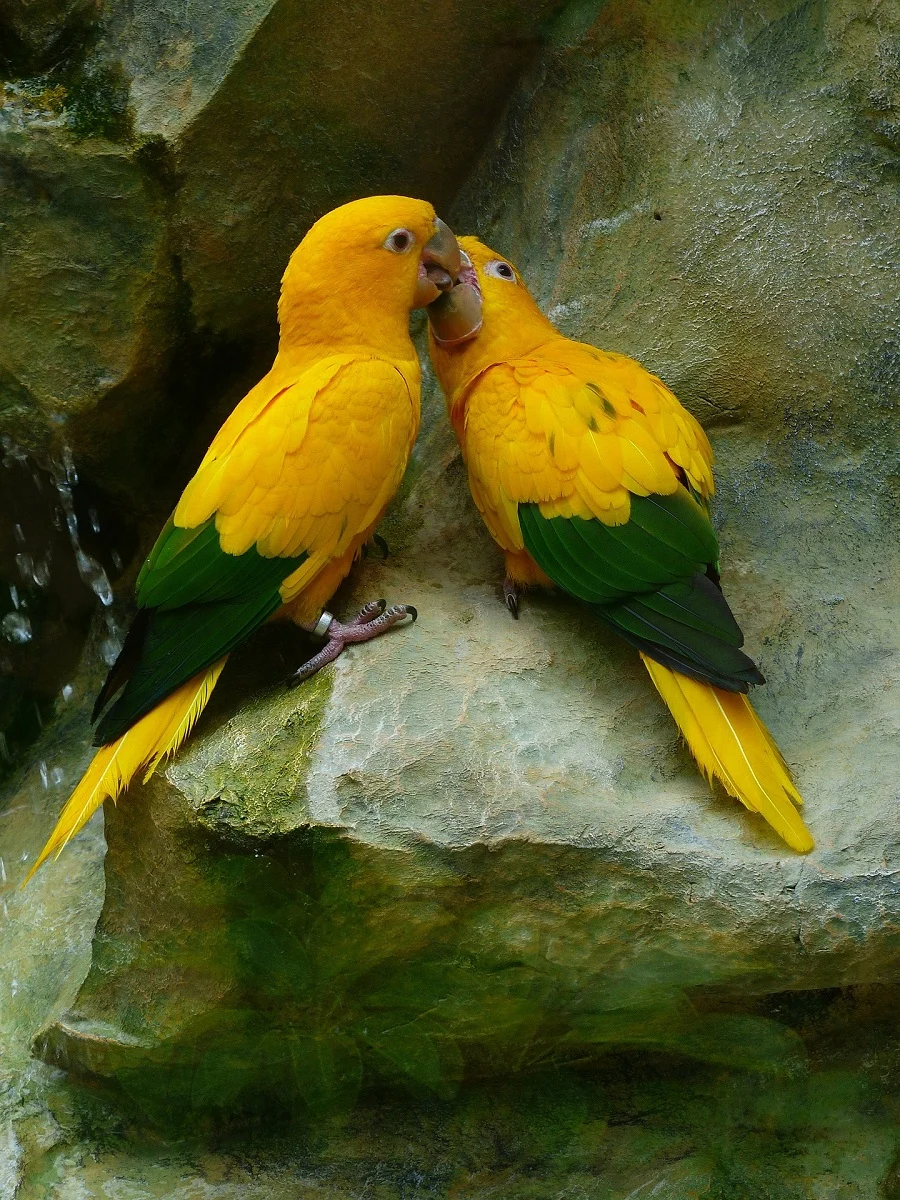
Often hailed as one of the most visually stunning members of the parrot family, the Golden Conure, or Queen of Bavaria Conure (Guaruba guarouba), captivates with its uniquely uniform, brilliant yellow plumage. This medium-sized parrot, endemic to the Brazilian Amazon Basin, holds a revered place both in the wild and among avian enthusiasts. However, its undeniable allure as a pet animal is juxtaposed with its status as a Vulnerable species on the IUCN Red List, underscoring the critical balance between appreciation and responsible stewardship. Understanding the intricate needs of this intelligent and long-lived bird, as well as the profound threats to its wild populations, is paramount for anyone considering welcoming a Golden Conure into their home or supporting its conservation.
The Golden Majesty: Appearance and Evolutionary Classification
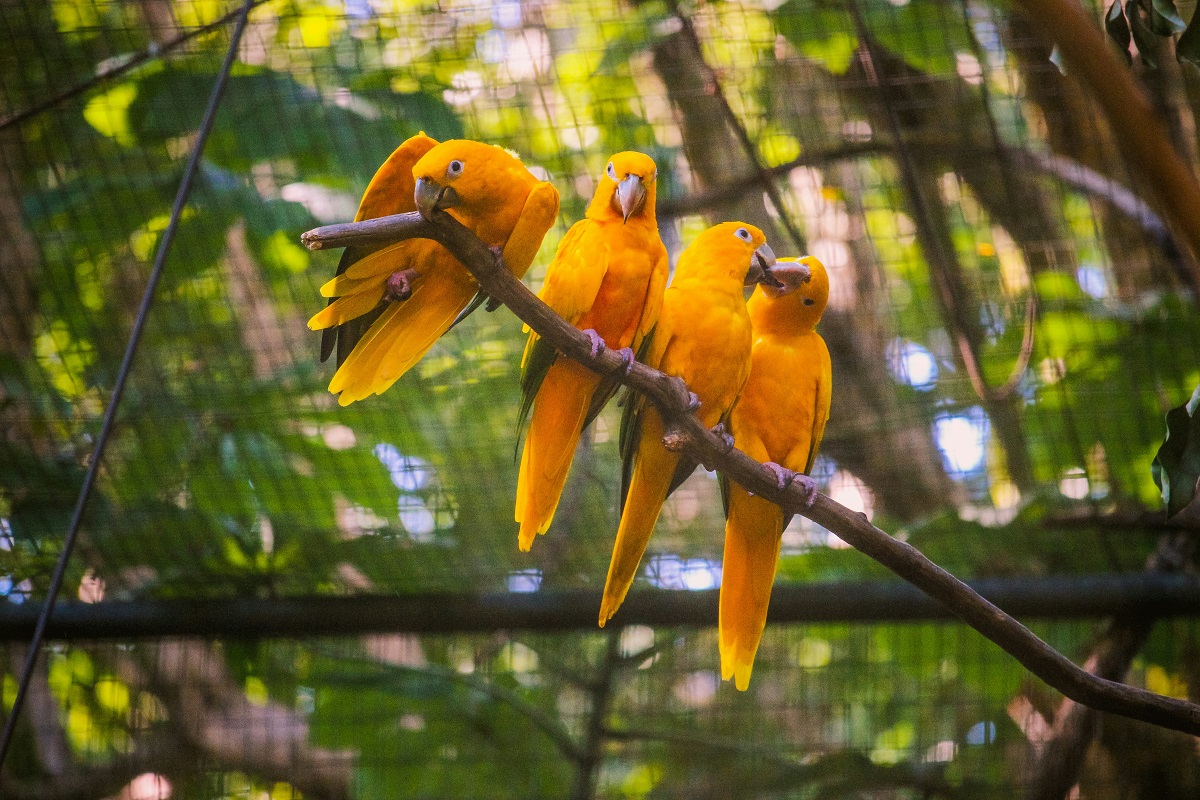
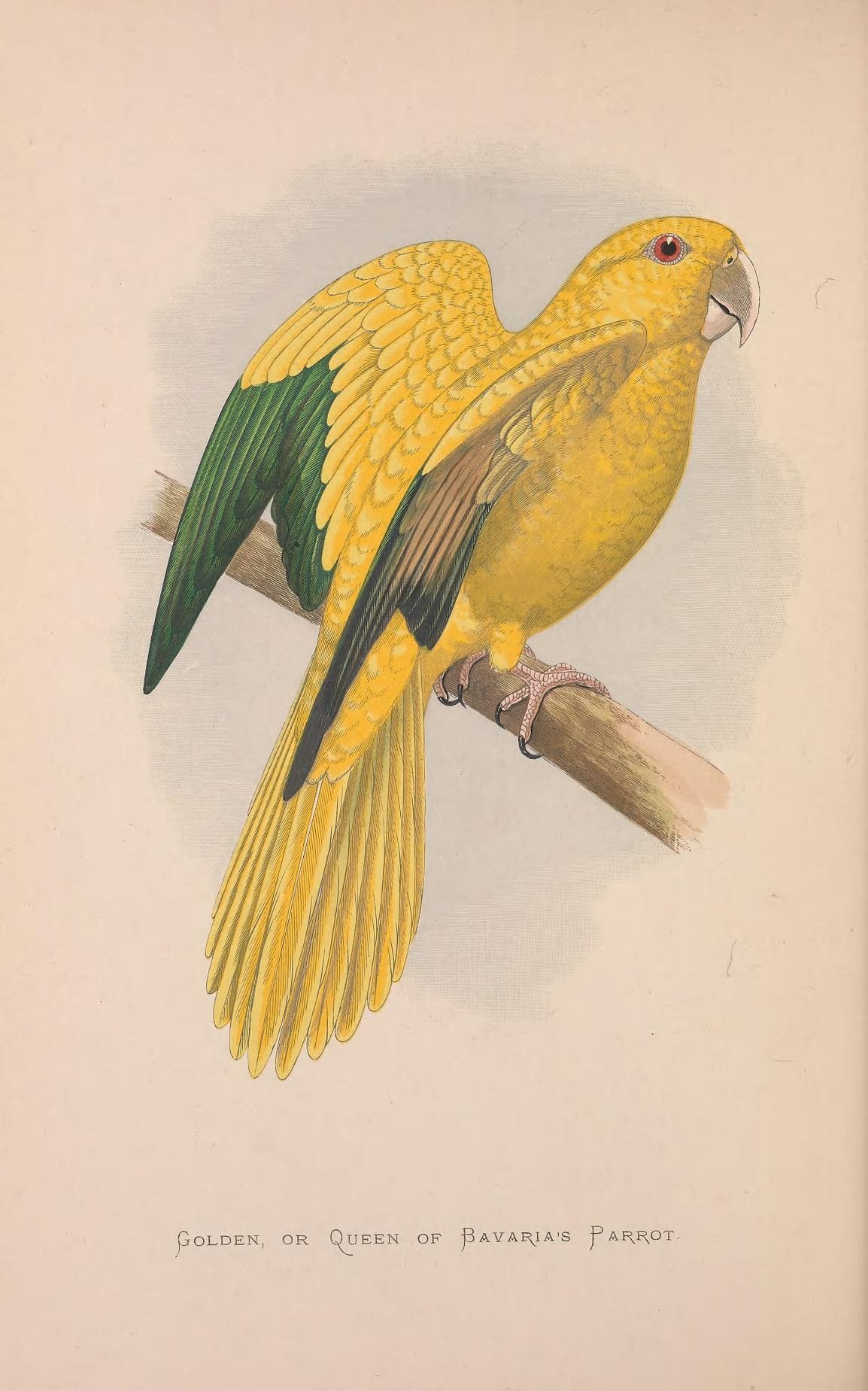
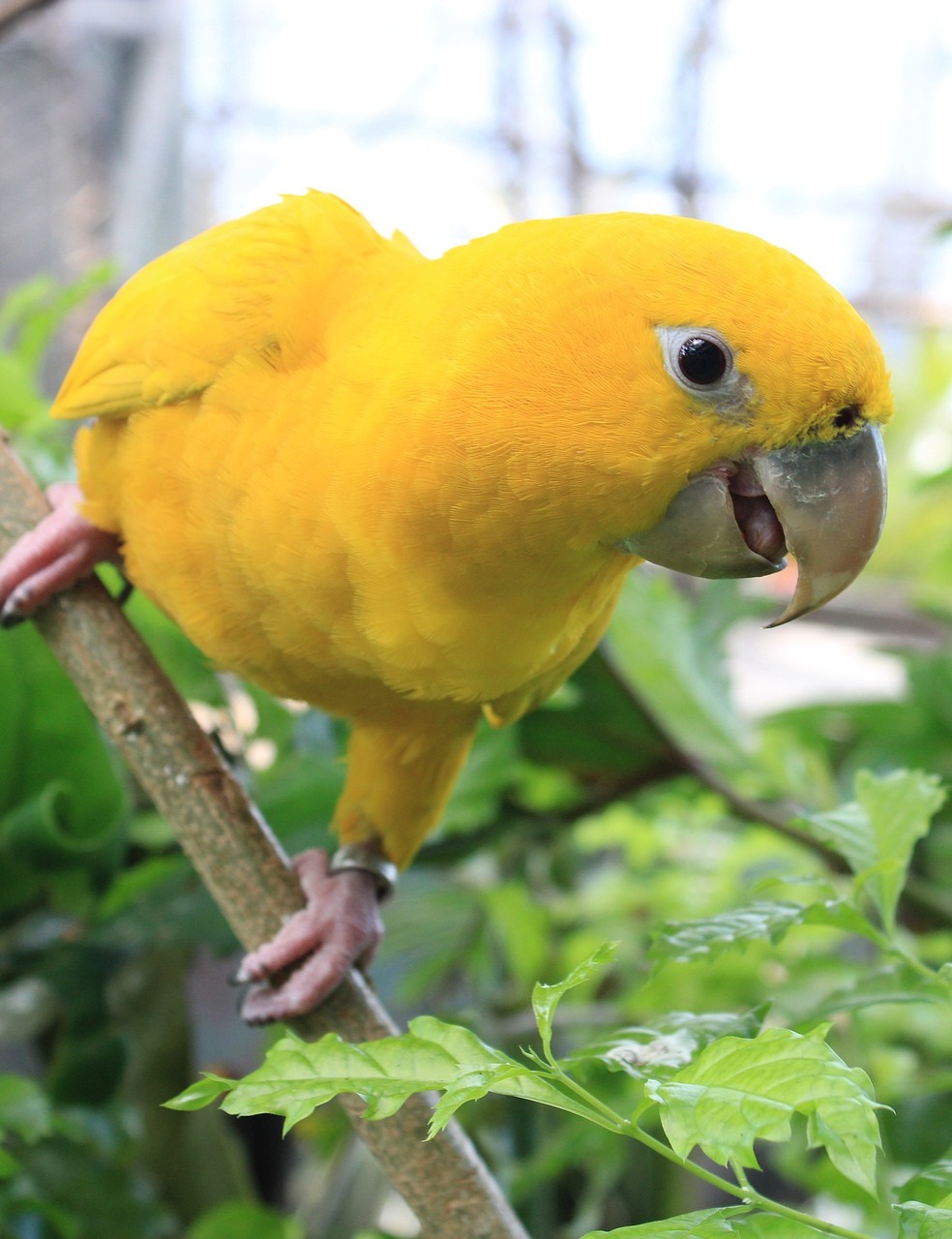
The Golden Conure truly lives up to its regal moniker, presenting an almost entirely golden-yellow body that distinguishes it within the Psittacidae family. Adults typically reach up to 14 inches (35 cm) in length and weigh an average of 250 grams, possessing a proportionately large, horn-colored beak. The only deviation from their striking golden hue is found in the dark green tips of their primary flight feathers, a subtle contrast that adds to their unique beauty. Juvenile birds, however, exhibit more extensive green coloration, particularly on their wings and sometimes speckled across their back and head, gradually transitioning to the adult golden plumage as they mature. A notable characteristic is the absence of visual sexual dimorphism; distinguishing between male and female Golden Conures requires a DNA test, a common practice for breeders and owners seeking to determine their bird’s sex.
The scientific journey to accurately classify the Golden Conure reflects the dynamic nature of ornithological research. Historically, this species has been known by several scientific names, a common occurrence in avian taxonomy as new genetic and morphological data emerge. Initially placed within the genus Conurus, it subsequently moved through Eupsittula and then Aratinga. For many years, it was widely known as Aratinga guarouba. However, ornithologists have long suspected its distinctiveness, suggesting it warranted its own genus due to its unique characteristics, including its solid golden coloration and specific morphological traits that set it apart from other Aratinga species. This hypothesis was definitively supported by advancements in phylogenetic studies, which analyze evolutionary relationships through genetic sequencing. A landmark 2006 article published in Systematic Biology, for example, provided compelling evidence that Guaruba is more closely related to red-shouldered macaws of the genus Diopsittaca than to the Aratinga conures with which it was previously grouped. This genetic evidence solidified its reclassification, with ornithologist Joseph Forshaw’s 2006 guide "Parrots of the World" formally listing it as Guaruba guarouba, a name now widely accepted as valid. This taxonomic shift highlights not only the species’ unique evolutionary path but also the ongoing refinement of our understanding of avian biodiversity.
Amazonian Roots: Habitat, Range, and Ecological Role
The natural range of the Golden Conure is exclusively confined to specific regions within the Brazilian Amazon Basin, primarily the state of Pará, with possible extensions into neighboring Maranhão. This limited geographical distribution makes its populations particularly susceptible to localized environmental changes. Within this vast tropical ecosystem, Golden Conures exhibit a preference for terra firme forests—dry, non-flooded lowland areas—but are also observed to venture into várzea, or seasonally flooded forests, demonstrating a degree of adaptability. Their nomadic behavior within these habitats is notable; observations indicate that during the breeding season, pairs or small groups may temporarily depart from denser jungle areas in favor of less dense zones, possibly to reduce competition or enhance foraging opportunities.
Nesting habits of the Golden Conure are particularly intriguing and illustrate complex social behaviors. They typically construct their nests in isolated hollow trees, sometimes enlarging cavities previously utilized by other species. Uniquely, multiple female Golden Conures have been documented laying their eggs within the same nest. This communal nesting strategy can result in exceptionally large clutches, sometimes exceeding ten eggs, a phenomenon less common among other parrot species. This behavior suggests a cooperative breeding system, potentially offering advantages in terms of predator defense or shared parental duties, though further research is needed to fully understand its ecological implications.
The Golden Conure’s role within its ecosystem extends beyond its striking appearance. As a frugivore, it plays a vital part in seed dispersal, contributing to the regeneration and health of the Amazonian forests. By consuming fruits and subsequently dispersing their seeds through defecation, these birds help maintain the biodiversity of their habitat. This ecological service underscores why the decline of such species can have cascading effects on the wider ecosystem.
A Vulnerable Icon: Conservation Status and Threats
Despite its ecological importance and undeniable beauty, the Golden Conure faces severe threats, leading the International Union for Conservation of Nature (IUCN) Red List to classify Guaruba guarouba as a Vulnerable species. This designation reflects a significant decline in its wild population, primarily driven by relentless habitat destruction and fragmentation across its limited range. The Amazon rainforest, a global biodiversity hotspot, is under immense pressure from various anthropogenic activities. Deforestation rates in the Brazilian Amazon, while fluctuating, remain alarmingly high, largely due to agricultural expansion (cattle ranching and soy cultivation), illegal logging, and infrastructure development projects such as roads and hydroelectric dams. These activities directly destroy the terra firme forests that Golden Conures depend on for survival, reducing their foraging grounds and nesting sites.
Beyond habitat loss, historical trapping for the lucrative international pet trade significantly impacted Golden Conure populations. While the IUCN notes that trapping for the animal trade is "not very common anymore" due to stricter regulations and increased awareness, the legacy of this practice, combined with ongoing habitat destruction, continues to pose a severe challenge. The species’ listing on Appendix I of the Convention on International Trade in Endangered Species of Wild Fauna and Flora (CITES) signifies that it is among the most endangered species and prohibits commercial international trade. This crucial protection aims to curb illegal trafficking and reduce demand for wild-caught birds, although enforcement remains a constant battle against poachers and black-market operations.
Conservation organizations and experts frequently issue calls for heightened protective measures. Dr. Ana Paula Carvalho, a leading Brazilian ornithologist specializing in Amazonian parrots, emphasized in a recent conference, "The Golden Conure’s future is inextricably linked to the preservation of its habitat. Efforts must focus on sustainable land use practices, combating illegal deforestation, and strengthening protected areas. Captive breeding programs are valuable, but they cannot replace a healthy wild population." These statements highlight a multi-pronged approach involving governmental agencies, local communities, and international NGOs. The Brazilian Institute of Environment and Renewable Natural Resources (IBAMA) and the Chico Mendes Institute for Biodiversity Conservation (ICMBio) are key governmental bodies tasked with enforcing environmental laws and managing protected areas within Brazil, including those that overlap with the Golden Conure’s range.
Adding to its cultural significance, the Golden Conure is locally known as "Ararajuba," meaning "yellow macaw" in Tupi, reflecting its esteemed status among indigenous populations. Its brilliant golden feathers have historically been highly prized for ceremonial purposes and adornments, a practice distinct from the pet trade but indicative of its cultural value. One historical account from Helmut Sick’s Ornitologia Brasileira even describes instances where other conure species were dyed yellow and sold at inflated prices in local animal markets, attempting to pass them off as the more valuable "Ararajuba," further attesting to its unique appeal.
**Sustaining

