


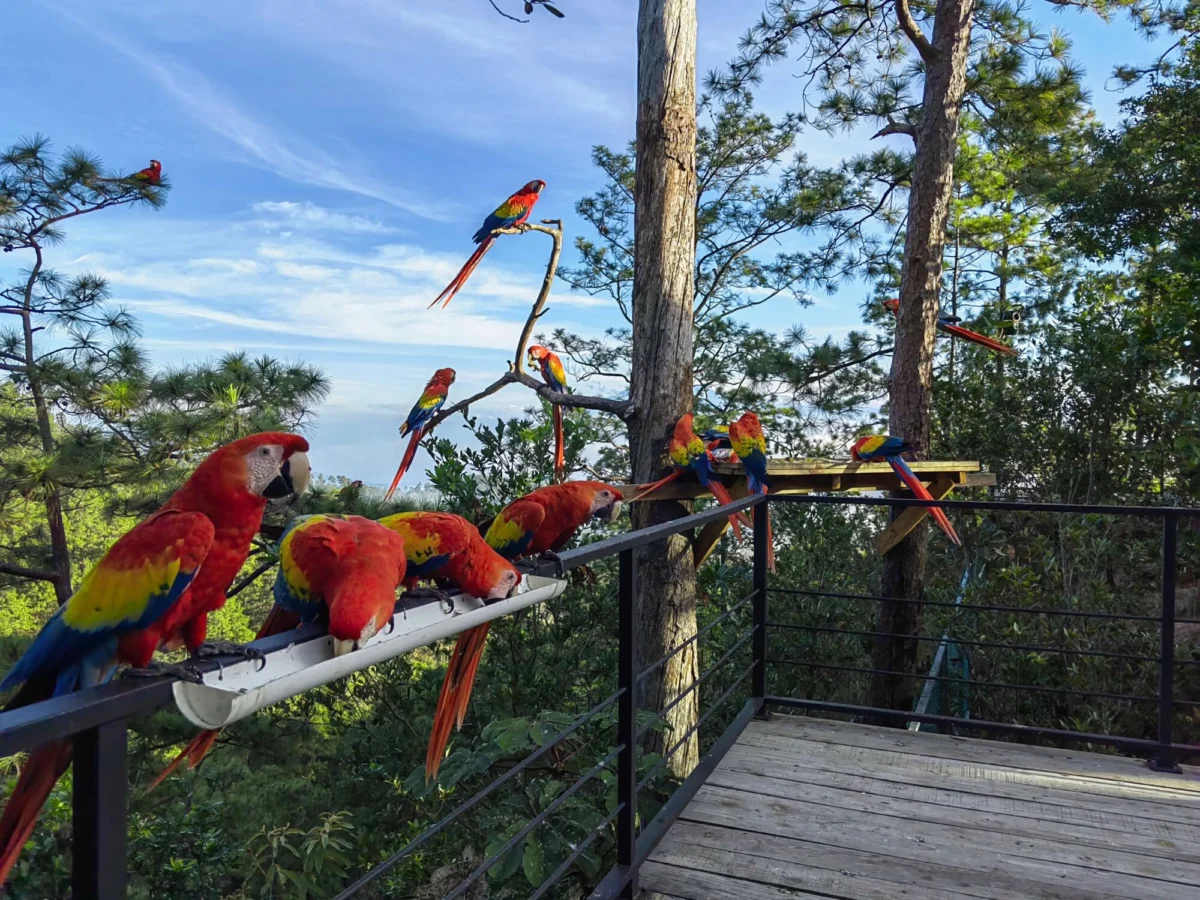
In 2018, a vivid streak of scarlet, yellow, and blue sliced through the Central American sky above Esquipulas, a Guatemalan town nestled close to the Honduran frontier. This breathtaking sight was a wild scarlet macaw ( Ara macao ), a magnificent avian traveler almost certainly originating from the renowned reintroduction programs flourishing in Copán Ruinas, Honduras. For one family witnessing the spectacle from below, it was a moment of profound awe and wonder. Yet, for many in the wider village community, the presence of such a striking bird was a novelty, quickly translating into attempts to capture the wild creature for domestication. Fortunately, the macaw, displaying its innate resilience, evaded its pursuers and vanished, never to return to that immediate vicinity.
This singular, fleeting encounter served as a profound awakening, crystallizing a critical truth: conservation efforts inherently transcend human-drawn geographical boundaries, yet the very survival of species often hinges on the actions taken within them. Today, a fervent, volunteer-driven movement is gaining traction in Guatemala, meticulously working to cultivate a protective environment for these magnificent birds. The goal is to ensure that when macaws, symbols of Mesoamerican heritage, inevitably cross the border, they are greeted not with the threat of cages or slingshots, but with the embrace of informed, protective communities. This initiative represents a vital cross-border collaboration, acknowledging that ecological success in one nation can create new challenges and opportunities in another, demanding a unified approach to biodiversity preservation.
The Genesis of Hope: Macaw Mountain and Honduras’s Conservation Triumph
Just a mere 15-minute journey from the Guatemalan border lies Copán Ruinas, Honduras, the home of Macaw Mountain Bird Park & Nature Reserve and its pivotal partner NGO, PRO ALAS (Program for the Protection of Birds). For over two decades, these organizations have spearheaded an extraordinary and massively successful reproduction, rehabilitation, and release program. Their diligent work has led to the reintroduction of over 150 wild scarlet macaws into the skies above Honduras, transforming Copán into a vibrant testament to effective conservation. The project, initiated in the early 2000s, systematically rescued macaws from the illegal pet trade, rehabilitated injured birds, and implemented a carefully managed breeding program for genetically diverse pairs. Their comprehensive strategy includes pre-release conditioning, soft release techniques, and ongoing monitoring, allowing these intelligent birds to adapt to the wild and form new, self-sustaining populations. This success has not only restored a once-dwindling iconic species but has also significantly boosted eco-tourism, intertwining economic development with ecological restoration.
However, the very triumph of this program has inadvertently created a new, complex challenge. As the Honduran macaw population thrives and expands, an increasing number of birds are naturally dispersing beyond their established release zones, venturing across the unmarked, permeable border into neighboring Guatemala. On the Guatemalan side, these pioneering macaws often encounter a vastly different reality. Stories of children throwing stones at them or adults attempting to capture them for the lucrative illegal pet trade are disturbingly common. The scarlet macaw, despite its vibrant plumage and historical significance, faces ongoing threats across its range, primarily due to habitat destruction and the illicit wildlife trade. While globally listed as ‘Least Concern’ by the IUCN, regional populations, particularly in Central America, have experienced severe declines, making every individual and every reintroduction effort critically important. To truly safeguard these expanding populations, the profound success of Macaw Mountain’s environmental education program, which has transformed local attitudes in Honduras, urgently needs to be replicated and adapted for the Guatemalan border communities.
Bridging Borders: A Guatemalan Grassroots Initiative Takes Flight
Driven by this palpable urgency and the inherent transboundary nature of wildlife conservation, a determined young Guatemalan biologist, Christian Chinchilla, stepped forward. He joined forces with the Parrot Conservation Corps, a specialized initiative of One Earth Conservation (OEC), an international non-profit dedicated to saving parrots and their habitats worldwide. Armed with rigorous training from OEC’s comprehensive course and a modest spark of initial seed funding, Chinchilla, alongside his dedicated girlfriend, launched a powerful grassroots initiative. Operating entirely on volunteer hours and fueled by an unwavering passion, their mission was clear: to fundamentally shift mindsets and foster a protective ethos within the border village of Caparjá, Guatemala.
Their approach was strategic and deeply respectful of local customs and structures. Before directly engaging with a single child, Chinchilla and his team meticulously laid a foundation of community trust. They recognized that sustained conservation success relies on genuine local buy-in. Partnering with Plan Trifinio – the tri-national governmental development agency overseeing sustainable development in the border region shared by Guatemala, Honduras, and El Salvador – and the local Municipality of Camotán, they organized a pivotal field trip. This crucial excursion brought key local village leaders and primary school teachers directly to Macaw Mountain in Honduras. The objective was simple yet profound: to allow these influential community members to witness firsthand the breathtaking beauty, ecological significance, and the palpable success of the macaw conservation efforts. This experience served as a powerful catalyst, transforming abstract concepts into tangible realities and building a shared vision for the macaws’ future.
With the community’s explicit blessing and newfound enthusiasm, the project moved directly into the classrooms. Chinchilla and his team developed an engaging, culturally sensitive curriculum tailored for young learners. They employed a variety of interactive tools and methods designed to resonate with children:
- Interactive Presentations: Utilizing vivid imagery and compelling stories, they introduced the children to the scarlet macaw’s life cycle, habitat, diet, and unique behaviors. They highlighted the intelligence and social nature of these birds, fostering empathy.
- Educational Games: Games focused on identifying macaw calls, understanding their role in the ecosystem as seed dispersers, and the threats they face, making learning both fun and memorable.
- Coloring Books and Art Activities: Specially designed coloring books featuring macaws in their natural habitat allowed children to creatively engage with the subject matter, reinforcing their understanding and appreciation. These books often depicted macaws within Mayan cultural contexts, further connecting the birds to their heritage.
- Storytelling Sessions: Traditional stories and newly crafted narratives about macaws were shared, emphasizing their importance in the natural world and their historical significance.
- Direct Observation (where possible): While direct encounters with wild macaws in Caparjá were rare, the memory of those who had seen them, coupled with images and videos, made the lessons incredibly relevant.
The response from the children was nothing short of electric. The lessons were not merely abstract biological facts; they were about the very birds that had been spotted, or could soon be spotted, flying over their own homes and villages. This direct relevance transformed the learning experience. Children, who might previously have been curious but uninformed, or even seen as potential threats due to past cultural norms or lack of awareness, were rapidly being transformed into enthusiastic, informed, and passionate future guardians of the macaws. They began to understand their vital role in protecting these magnificent creatures, developing a sense of ownership and responsibility for their local biodiversity.
Reclaiming a Sacred Legacy: Macaws and the Chorti Maya
This conservation work is intrinsically woven into the rich tapestry of the region’s cultural identity. The border area is historically and culturally significant, being home to the indigenous Chorti Maya population. The Chorti Maya have inhabited both sides of this modern geographical boundary for countless generations, maintaining a deep spiritual and historical connection to the land and its wildlife. Just across the border, at the world-renowned Copán Ruins archaeological site – an awe-inspiring testament to the advanced civilization built by the ancestors of the contemporary Chorti people – ancient stone glyphs, towering statues, and intricate sculptures are adorned with recurring, vibrant images of macaws. For centuries, these birds were not merely wildlife; they were revered symbols, embodying the sun’s life-giving energy, the expansive freedom of the sky, and profound spiritual significance. They were often associated with royalty, divinity, and the cosmos, playing a central role in Mayan cosmology and rituals.
By meticulously educating Chorti children in Guatemala about the scarlet macaws, this project extends far beyond mere scientific instruction. It is actively facilitating a powerful process of cultural reconnection, helping a community rediscover and reclaim a living, breathing, and soaring piece of their own ancient history and spiritual heritage. This cultural revival empowers the Chorti youth, instilling a profound sense of pride and a renewed understanding of their ancestral connection to these iconic birds. It transforms conservation from an external directive into an internal, culturally resonant imperative, ensuring that the protection of macaws becomes an integral part of their identity and future.
The Broader Landscape of Macaw Conservation in Central America
The plight of the scarlet macaw across its historical range in Central America underscores the critical importance of projects like the one unfolding in Guatemala. Historically, Ara macao populations thrived from southeastern Mexico down through the Amazon basin. However, over the past century, their numbers have plummeted drastically in many regions, particularly in Central America, largely due to two primary threats: extensive habitat destruction and the relentless pressure from the illegal pet trade.
Deforestation, driven by agricultural expansion, cattle ranching, logging, and infrastructure development, has fragmented and decimated the primary rainforests that macaws depend on for nesting sites, food sources, and roosting. These birds require large, mature trees for nesting cavities and diverse fruit-bearing trees for sustenance. When these critical resources disappear, so do the macaws.
Simultaneously, the illegal pet trade continues to exert immense pressure. The vivid plumage, intelligence, and charismatic nature of scarlet macaws make them highly sought after on the black market, fetching high prices. Poachers often target nests, stealing chicks, which not only removes individuals from the wild but also disrupts breeding cycles and can lead to the death of parent birds defending their young. Many captured birds die during transit due to inhumane conditions.
Against this backdrop of widespread decline, the success of programs like Macaw Mountain and the burgeoning efforts in Guatemala stand as beacons of hope. They demonstrate that through dedicated intervention – combining scientific breeding and rehabilitation with robust community engagement and environmental education – it is possible to reverse alarming trends and bring back species from the brink. These initiatives are not isolated but form part of a larger, urgent mosaic of conservation efforts across Central America, aiming to preserve the region’s unparalleled biodiversity.
Running on Fumes: A Campaign Sustained by Dedication, Awaiting Official Support
Despite the undeniable success and enthusiastic reception of the initial school visits in Caparjá, the grassroots project soon encountered a familiar and frustrating hurdle: the initial seed funding from the One Earth Conservation course eventually ran out. This abrupt cessation of financial support threatened to halt the crucial momentum that had been so carefully built. Currently, the entire campaign is being kept alive solely by the sheer dedication and personal sacrifice of Christian Chinchilla and his girlfriend, who continue to volunteer their time, energy, and limited personal resources to maintain community engagement and keep the conservation message alive. Their unwavering commitment ensures that the nascent protective attitudes among the villagers do not wane.
However, their tireless efforts have not gone unnoticed. The impact of their work and the vital importance of the cross-border conservation vision have captured the attention of the highest echelons of government. Through the persistent advocacy and strategic facilitation of Plan Trifinio, the Vice President of Guatemala, Dr. Karin Herrera, personally undertook a significant visit to Macaw Mountain in Honduras. Witnessing firsthand the success of the Honduran program and hearing about the promising, albeit underfunded, Guatemalan initiative, Vice President Herrera expressed profound delight and enthusiasm for the project’s border-bridging potential. Critically, she pledged concrete government support, a commitment that the team eagerly anticipates will materialize in the coming months, promising a more stable and expansive future for the initiative.
A Blueprint for Transboundary Conservation: Challenges and the Path Forward
The anticipated government funding, when it arrives, represents a monumental opportunity to scale up the project and solidify its long-term impact. However, the macaws are crossing the border today, facing immediate threats that cannot wait for bureaucratic processes to unfold. This highlights the urgent need for immediate, bridge funding to restart and complete the primary education campaign across the remaining border villages in Guatemala. This critical interim support would ensure that the vital educational work continues uninterrupted, transforming more potential threats into dedicated protectors.
Once the promised governmental resources are secured, the team plans a strategic pivot, leveraging those larger institutional funds toward more extensive, long-term conservation goals. These include:
- Habitat Protection: Acquiring or establishing conservation easements for critical forest patches along the border, particularly those serving as corridors or potential nesting grounds. This might involve working with local landowners to implement sustainable land management practices.
- Nesting Monitoring and Protection: Establishing systematic monitoring programs for macaw nests, identifying potential breeding pairs, and actively protecting nests from poaching and disturbance. This could involve training local community members as "macaw rangers."
- Community-Led Reforestation Efforts: Engaging villagers directly in reforestation initiatives, planting native tree species that provide food and nesting opportunities for macaws, thereby restoring and expanding their habitat. This fosters a deeper connection between the community and the environment.
- Livelihood Diversification: Exploring sustainable economic alternatives for communities that reduce reliance on activities harmful to macaw habitats, such as eco-tourism development or sustainable agriculture.
This comprehensive approach, moving from education to direct habitat intervention, represents a robust blueprint for transboundary conservation. It recognizes that ecological boundaries rarely align with political ones and that successful conservation demands international cooperation, local empowerment, and sustained investment. The initiative in Guatemala, inspired by the Honduran model, serves as a powerful example of how grassroots efforts, combined with high-level political will, can create a safe haven for iconic species and foster a renewed sense of environmental stewardship.
While the situation in Honduras is not entirely without its challenges – conservation is an ongoing battle – the commitment shown by organizations like Lafeber, who are directing their monthly donations to support these crucial educational programs in Guatemala, is invaluable. This support underscores the collaborative spirit driving these efforts. Thanks to the foundational work of One Earth Conservation in initiating this project and their ongoing guidance, the people of Guatemala are now actively striving to achieve similar transformative conservation results to those accomplished by the scarlet macaw project just across the border in Honduras. The vision is clear: to ensure that every scarlet macaw that graces the skies from Honduras into Guatemala finds not peril, but a safe haven, a welcoming community, and a generation of children ready to stand as its protectors, preserving a shared natural and cultural heritage for generations to come.

