


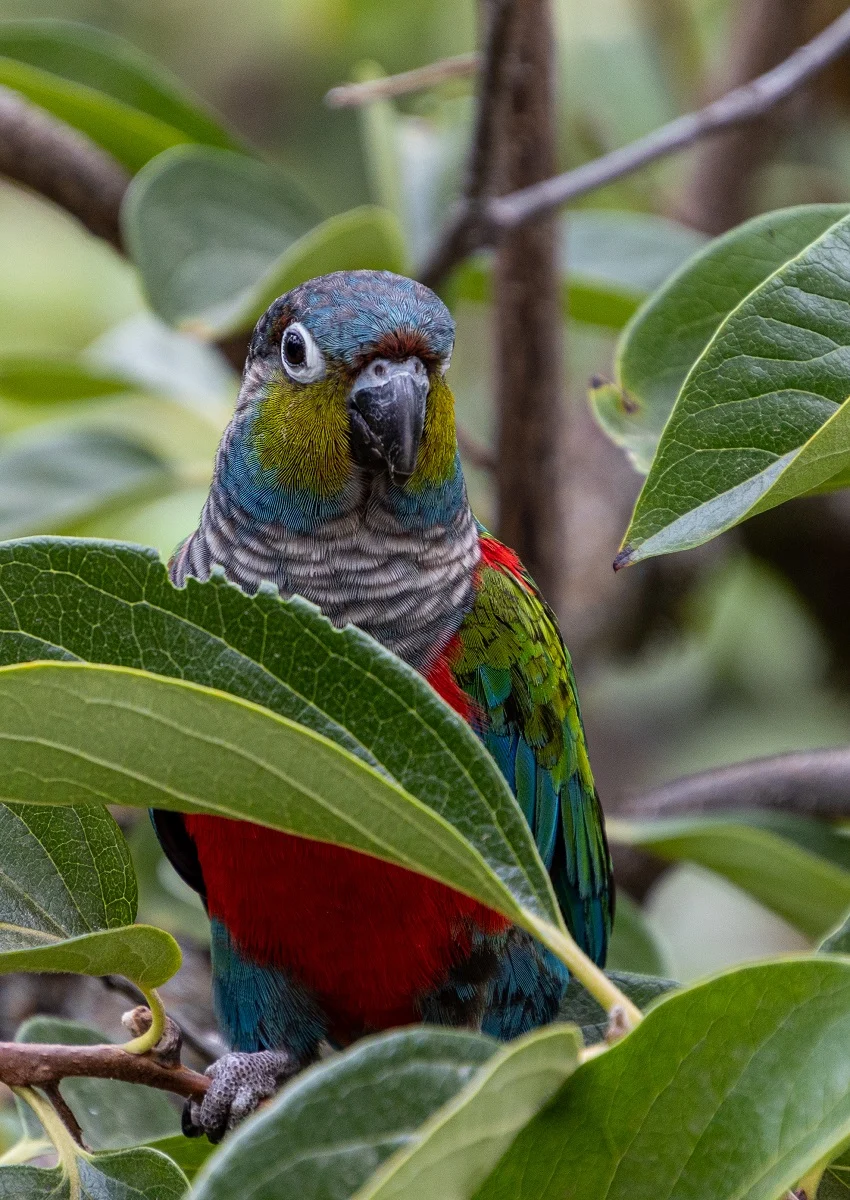
The vibrant and charismatic crimson-bellied conure, scientifically known as Pyrrhura perlata, stands out as an exquisitely colorful and engaging avian species native to the Amazonian rainforests. Often sought after by experienced bird enthusiasts, this small parrot, known for its playful yet affectionate demeanor, represents a significant commitment due to its intelligence, activity levels, and impressive longevity. Prospective owners must conduct thorough research to understand the intricate needs of this species, ranging from its natural history and dietary requirements to the comprehensive care necessary for its well-being in a domestic environment.
Distinctive Appearance and Physical Characteristics
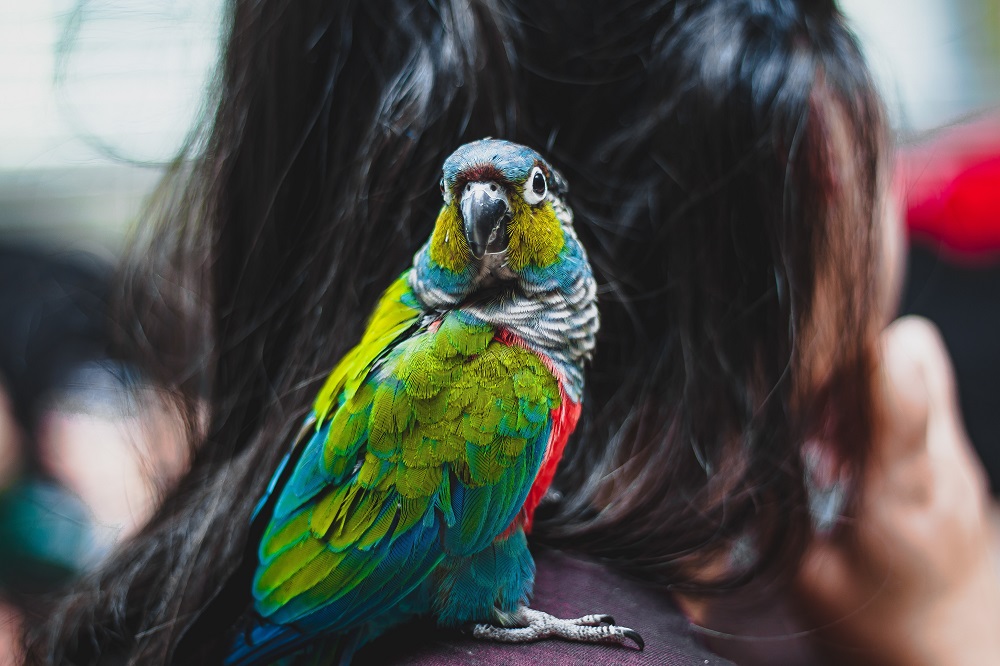
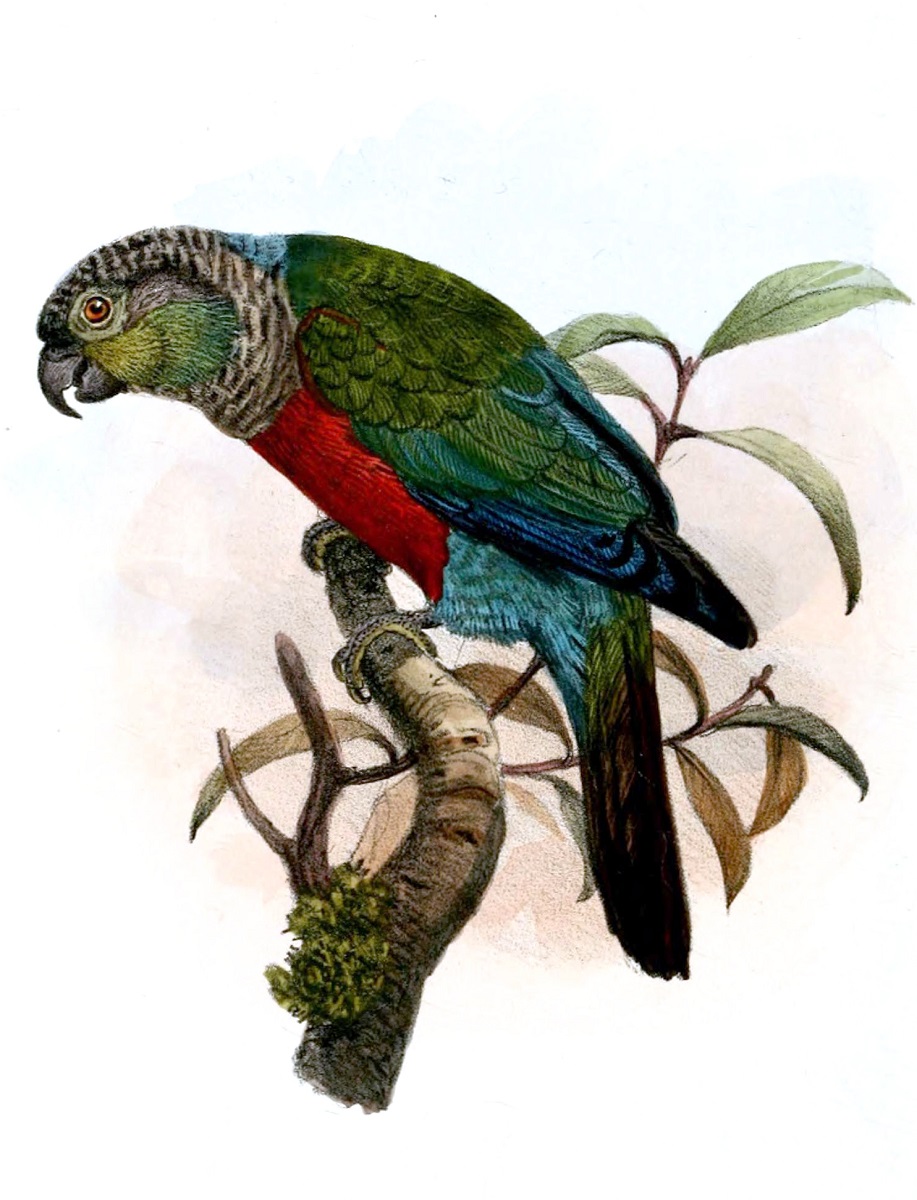
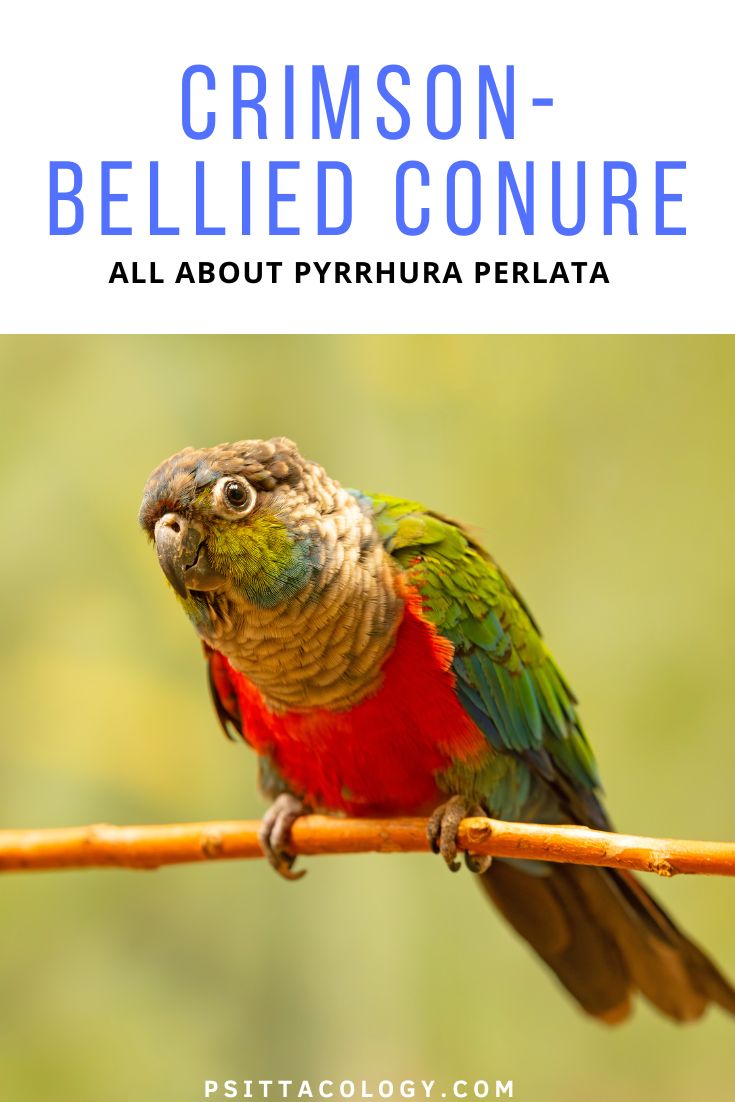
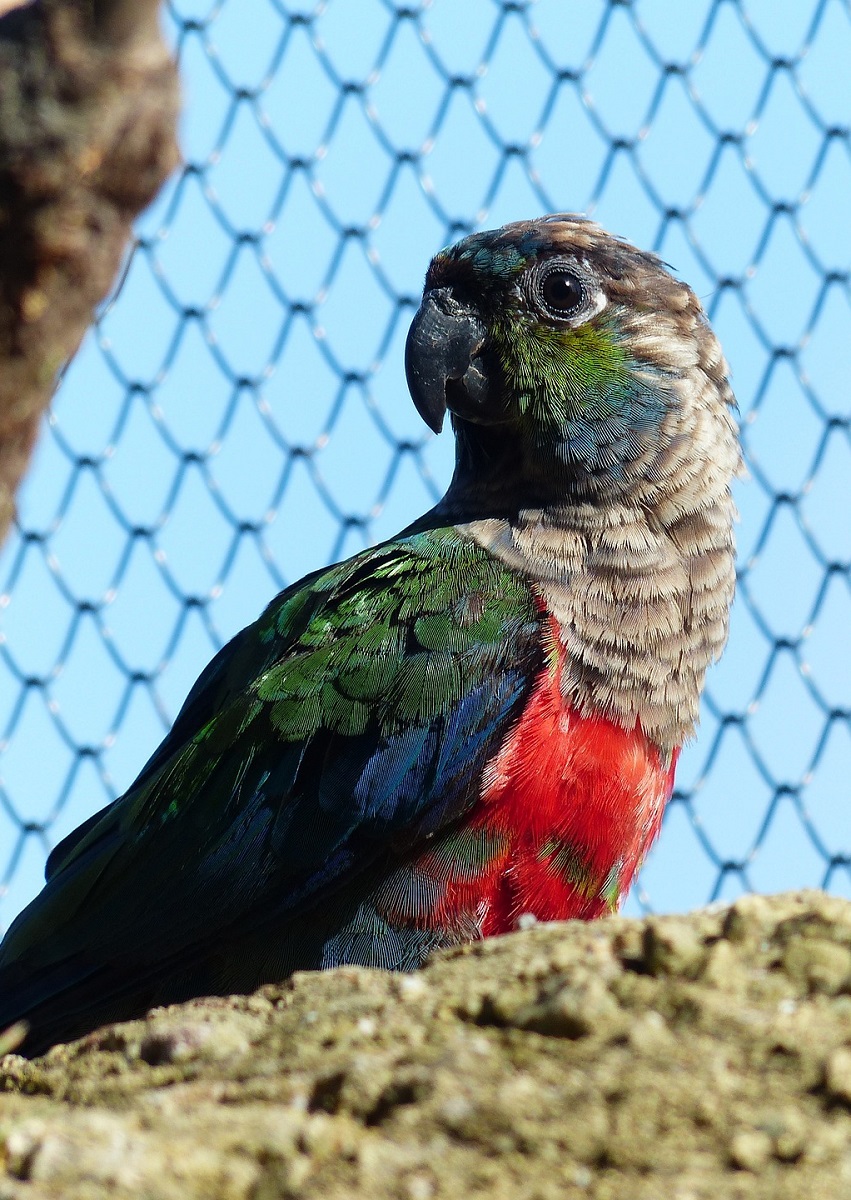
The Pyrrhura perlata is renowned for its striking plumage, a tapestry of colors that makes it one of the most visually appealing members of the parrot family. As its common name suggests, the defining feature is a brilliantly vivid crimson belly, a hue that can take up to a year to fully develop in juveniles. Beyond this signature red, the conure exhibits a rich palette of greens on its back and wings, transitioning to a deep blue on the primary wing feathers. The head is typically a dark brown or black, often with subtle scaling, while the breast is characterized by intricate patterns of green and white, sometimes with a faint blue wash. A distinctive white eye-ring encircles its dark eyes, complementing its black beak. This long-tailed parakeet species typically measures up to 25 centimeters (10 inches) in length and weighs approximately 90 grams in adulthood. Unlike many avian species, visual sexual dimorphism is not present in crimson-bellied conures, meaning males and females appear identical, necessitating DNA testing or surgical sexing for definitive identification.
Natural Habitat, Range, and Ecosystem
The natural range of the crimson-bellied conure is primarily concentrated within the central South American continent, predominantly throughout the vast Brazilian Amazon Basin. Its stronghold is particularly noted in the state of Rondônia, with its distribution extending into the northern regions of Bolivia. Within these biodiverse ecosystems, Pyrrhura perlata typically inhabits "terra firme" forests—rainforests that are not subject to seasonal flooding. These birds demonstrate adaptability, thriving in both dense, primary forest interiors and the more open, often disturbed environments of forest edges and secondary growth.
Like most parrot species, wild crimson-bellied conures are highly social, frequently observed traveling in small, cohesive flocks. These groups often interact and even intermingle with other conure species, such as the painted conure (Pyrrhura picta), showcasing a degree of interspecies tolerance in their shared habitat. Their nesting behavior involves utilizing natural cavities found within hollow trees, providing protection for their eggs and chicks from predators and environmental elements. The intricate web of life in the Amazon provides a rich array of resources for these birds, underscoring the delicate balance of their ecosystem.
Conservation Status and Environmental Pressures
The International Union for Conservation of Nature (IUCN) Red List currently classifies Pyrrhura perlata as a species of "Least Concern" in its natural habitat. However, this designation is accompanied by a critical caveat: the wild population is documented as decreasing. This decline is largely attributable to the escalating pressures on the Amazonian ecosystem. Deforestation represents the most significant threat, driven primarily by agricultural expansion—particularly for cattle ranching and soy cultivation—logging, and illicit mining operations. These activities lead to widespread habitat fragmentation and destruction, diminishing the available resources and safe nesting sites for the conures.
The illegal pet trade also contributes to population reduction, with wild-caught birds being removed from their natural environment to supply demand in the exotic pet market. Conservation organizations and environmental scientists consistently highlight the urgent need for more robust protective measures and sustainable land management practices within the Amazon Basin to mitigate these threats. The long-term viability of the crimson-bellied conure, like many other Amazonian species, is inextricably linked to the fate of its rainforest home, emphasizing the broader ecological implications of human activities in this vital region.
Dietary Habits: Wild vs. Captive
Understanding the natural diet of the crimson-bellied conure is paramount to formulating an appropriate captive diet that promotes optimal health and longevity.
Wild Diet
In their incredibly biodiverse rainforest habitat, crimson-bellied conures have evolved to consume a wide variety of foods. Their diet primarily consists of fruits, with wild figs being a notable favorite. They also forage on an array of seeds, nuts, flowers, and catkins. A fascinating aspect of their wild behavior is their visitation to clay licks. These geological formations provide essential micronutrients and minerals, such as sodium and various trace elements, which may be lacking in their regular diet and help detoxify certain compounds found in unripe fruits. This adaptive behavior underscores their need for a broad spectrum of nutrients.
Captive Diet
For a pet crimson-bellied conure to thrive, a meticulously balanced and varied diet is crucial. Avian veterinarians universally recommend a high-quality, nutritionally complete pellet formulation as the cornerstone of their daily intake, constituting approximately 60-70% of the diet. This recommendation stands in stark contrast to seed-based diets, which are often deficient in essential vitamins and minerals, leading to common health issues like obesity, liver disease, and other forms of malnutrition.
The remaining 30-40% of the diet should comprise a diverse array of fresh, bird-safe vegetables and fruits. Daily offerings of fresh vegetables are vital, including dark leafy greens (kale, spinach, romaine), bell peppers, carrots, broccoli, and various squashes. Fresh fruits, such as berries, apples (without seeds), bananas, and melon, can be offered regularly but in smaller quantities due to their higher sugar content. Additionally, cooked whole grains like quinoa, brown rice, and oats, along with pesticide-free foraged grasses and safe branches for chewing, can supplement their diet. Occasional, small treats like sunflower seeds or nuts can be given, but sparingly. Constant access to fresh, clean water from multiple sources is non-negotiable. Regular dietary reviews with an avian veterinarian are recommended to ensure the conure’s specific nutritional needs are being met throughout its life stages.
Housing and Environmental Enrichment
Providing an appropriate living environment is fundamental to the physical and psychological well-being of a crimson-bellied conure. These are highly active and intelligent birds requiring significant space and mental stimulation.
Cage Requirements
Despite their moderate size, crimson-bellied conures necessitate the largest enclosure possible. A minimum cage width of 90 centimeters (36 inches) is often cited, but a larger cage is always preferable, especially if the bird cannot spend substantial time outside of it daily. For conures that will spend the majority of their time caged, a full indoor aviary or flight cage is ideal. The cage construction should be robust, made of non-toxic materials, and feature appropriate bar spacing (typically 1/2 to 3/4 inch) to prevent escapes or injuries. Cage placement should be in a central, active part of the home but away from drafts, direct sunlight, and potential hazards, allowing the bird to feel part of the family without being overwhelmed.
Perches and Accessories
A variety of natural wood perches of differing diameters and textures should be provided. These help to exercise the conure’s feet, prevent pressure sores, and mimic the natural environment. Plastic or dowel perches should be avoided as they can lead to foot problems over time. Food and water dishes should be stainless steel, easily cleaned, and placed to avoid contamination from droppings. A bird bath or misting schedule is also important for feather health.
Environmental Enrichment
All parrots, including crimson-bellied conures, are highly intelligent beings with an innate need for mental and physical stimulation. A lack of enrichment can lead to severe stress, which manifests as destructive behaviors such as excessive screaming, feather plucking, aggression, and obesity due to inactivity.

Enrichment strategies include:
- Toys: Provide a diverse array of toys designed for chewing, shredding, foraging, and problem-solving. Toys should be rotated regularly to maintain interest. Materials like natural wood, rope, paper, and safe plastics are suitable.
- Foraging Opportunities: Integrate foraging into their daily routine by hiding food in puzzle toys or around the cage, mimicking their natural food-seeking behaviors.
- Social Interaction: Crimson-bellied conures are social animals and thrive on interaction with their human caregivers. Daily one-on-one time, including training, playing, and cuddling, is essential for bonding and mental stimulation.
- Out-of-Cage Time: Supervised out-of-cage time in a bird-proofed environment is critical for exercise and exploration. This involves securing windows and doors, removing toxic plants, chemicals, and small ingestible objects, and covering mirrors.
- Learning and Training: These intelligent birds respond well to positive reinforcement training, which can strengthen the bond with their owner and teach them new behaviors, preventing boredom.
Temperament and Social Behavior
Conures of the Pyrrhura genus are widely regarded as popular companion parrots, and the crimson-bellied conure exemplifies many of the desirable traits found within this group. They are often described as "loveable rogues" due to their spirited, clownish nature combined with a deep capacity for affection. A well-socialized crimson-bellied conure will readily form a strong bond with its human family, enjoying shoulder rides, head scratches, and interactive play.
Their inherent curiosity and playful disposition mean they are often into everything, requiring vigilant supervision during out-of-cage time. While generally friendly, like all parrots, they can exhibit nipping behavior if not properly socialized or if feeling threatened. Consistency in handling and positive reinforcement are key to fostering a confident and well-adjusted bird. Owners should anticipate that these intelligent creatures will explore their environment with their beaks, necessitating bird-safe alternatives for chewing to protect household items. For the right owner who appreciates their vivacious personality and can accommodate their needs for interaction and stimulation, crimson-bellied conures can indeed become cherished companions for many decades.
Vocalization and Communication
Crimson-bellied conures are generally considered to be among the quieter conure species, earning them a "low-medium" noise level classification. However, it is crucial to understand that "quiet" for a parrot is relative. No parrot is truly silent, and crimson-bellied conures are no exception. They possess a range of vocalizations, including chattering, squawks, and occasional louder screams, particularly when excited, alarmed, or seeking attention. These vocalizations are a natural form of communication and part of their species’ identity.
Prospective owners must carefully consider their tolerance for avian noise before acquiring any parrot. Exposure to recordings of their calls, such as those available on platforms like xeno-canto, and ideally, visiting an owner of a crimson-bellied conure, can provide a realistic expectation of their vocal capabilities.
Regarding speech mimicry, Pyrrhura conures, including the crimson-bellied variety, are not typically known for extensive talking abilities. While individual birds may learn to mimic a few words or phrases, their talent usually leans more towards imitating household sounds like doorbells, phone rings, or whistles. Owners should prioritize providing a stimulating environment and fostering a strong bond rather than focusing on speech, as not all individuals will develop vocal mimicry.
Health and Lifespan
The impressive lifespan of the crimson-bellied conure, often exceeding 20 years with proper care, underscores the profound, long-term commitment required for ownership. This longevity means that a conure can be a companion for a significant portion of an owner’s life, even outliving some pets traditionally considered long-lived.
Maintaining a crimson-bellied conure’s health hinges on several critical factors:
- Nutrition: As previously detailed, a balanced diet rich in pellets, fresh vegetables, and fruits is vital in preventing nutritional deficiencies, which are common causes of illness in captive parrots.
- Veterinary Care: Regular annual check-ups with an experienced avian veterinarian are essential for preventative care, early detection of potential health issues, and guidance on diet and husbandry. Parrots are adept at hiding signs of illness, making professional scrutiny indispensable.
- Hygiene: A clean living environment, including daily cleaning of food and water dishes and regular cage cleaning, minimizes the risk of bacterial and fungal infections.
- Mental Stimulation: Preventing boredom and stress through adequate enrichment is crucial, as chronic stress can compromise a bird’s immune system and lead to behavioral issues that impact health, such as feather plucking.
- Common Ailments: Conures can be susceptible to various avian diseases, including Psittacine Beak and Feather Disease (PBFD), Polyomavirus, and bacterial or fungal infections. Nutritional secondary hyperparathyroidism, often linked to seed-heavy diets, is also a concern. Owners should be educated on common symptoms of illness in birds, such as changes in droppings, lethargy, fluffed feathers, or changes in appetite, and seek immediate veterinary attention if any are observed. Emergency preparedness, including knowing the location of the nearest avian emergency clinic, is a responsible aspect of ownership.
Responsible Ownership and Ethical Considerations
The decision to welcome a crimson-bellied conure into one’s home is a weighty one, carrying significant ethical responsibilities. Prospective owners must recognize that these are complex, long-lived, and intelligent creatures, not mere decorations.
Responsible ownership entails:
- Thorough Research: A comprehensive understanding of the species’ needs before acquisition is paramount. This includes diet, housing, enrichment, social requirements, and potential health issues.
- Commitment to Lifespan: Being prepared for a multi-decade commitment, including financial resources for food, toys, vet care, and potential emergency treatments.
- Ethical Sourcing: Prioritizing captive-bred birds from reputable breeders who prioritize the health and welfare of their birds. Avoiding wild-caught birds helps to combat the illegal pet trade and supports conservation efforts.
- Providing Optimal Care: Ensuring a large, enriching environment, a balanced diet, regular veterinary check-ups, and consistent social interaction.
- Bird-Proofing: Creating a safe home environment to prevent accidents and injuries during out-of-cage time.
The implications of exotic pet ownership extend beyond the individual bird to broader conservation concerns. Each responsible choice made by an owner contributes to the welfare of the species, both in captivity and in the wild. The crimson-bellied conure, with its captivating beauty and engaging personality, offers a deeply rewarding companionship, provided its unique and demanding requirements are met with dedication and informed care.

