


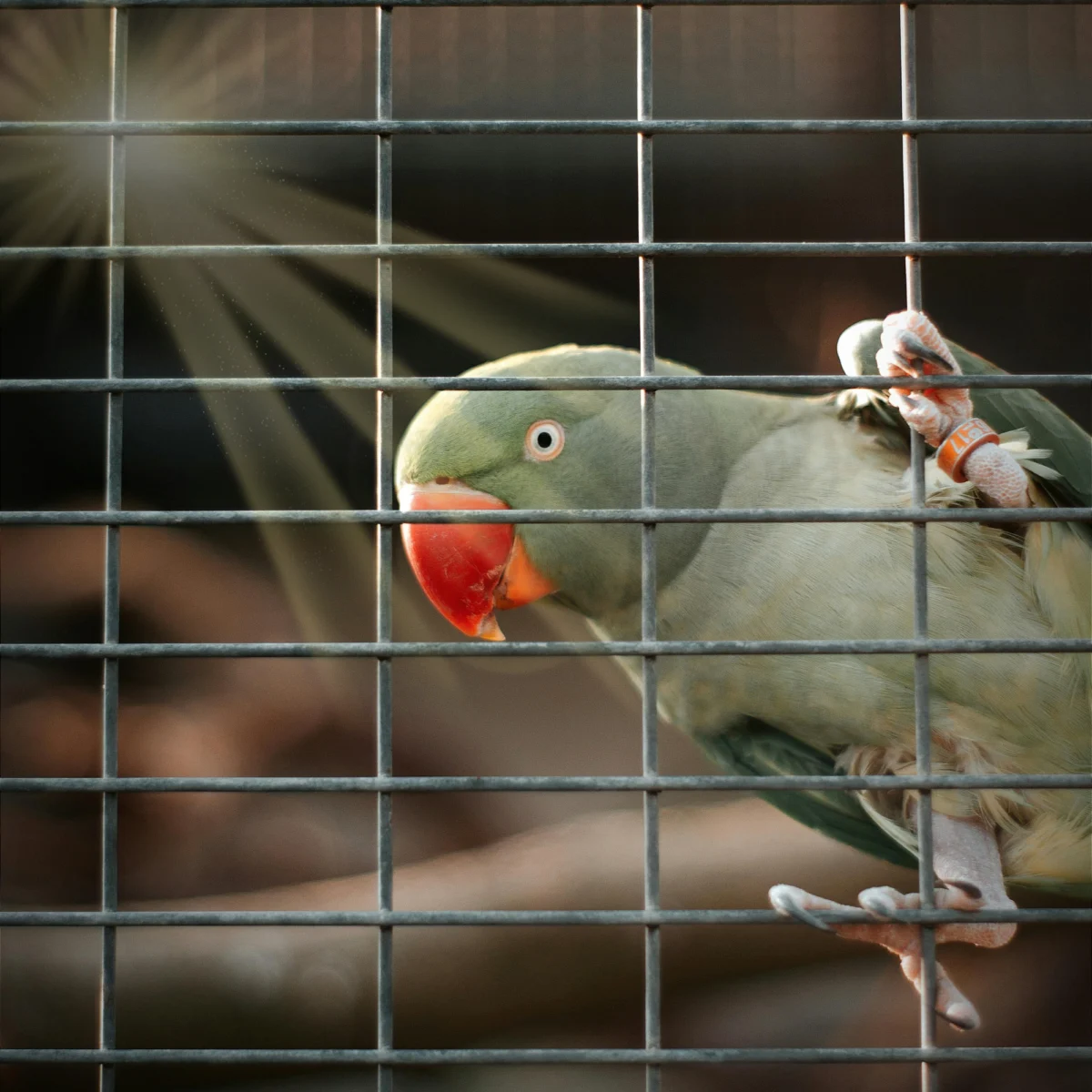
Summer has arrived, bringing with it soaring temperatures that significantly challenge the well-being of our avian companions. While humans reach for iced beverages and air conditioning, pet birds, in particular, face unique physiological hurdles in managing heat. Unlike mammals, birds do not possess sweat glands, relying instead on a complex array of internal mechanisms to regulate their body temperature. When ambient temperatures consistently climb into the 80s and 90s Fahrenheit (27-38°C), this internal struggle intensifies, leading to potential heat stress that can manifest in subtle but critical ways, from increased panting and feather fluffing to more severe physiological distress.
Wild bird populations instinctively adapt to high temperatures by seeking dense shade, bathing frequently in available water sources, and foraging for moisture-rich foods. However, indoor pet birds are entirely dependent on their human caregivers to replicate these natural survival strategies. This dependency underscores the critical role of proactive care, especially regarding diet. This article delves into the science of avian thermoregulation and outlines comprehensive nutritional strategies, including cooling foods, targeted supplements, and essential feeding practices, designed to support your bird’s heat tolerance from the inside out, ensuring a happy, hydrated, and healthy summer.
Understanding Avian Thermoregulation and Heat Stress
The unique physiology of birds, characterized by a high metabolic rate and an insulating layer of feathers, presents specific challenges when it comes to heat management. Their core body temperature is typically higher than that of mammals, averaging around 104-107°F (40-41.7°C). Maintaining this narrow thermal window requires significant energy expenditure, especially in extreme conditions.
How High Temperatures Impact Bird Physiology
Birds employ several methods to dissipate heat:
- Gular Fluttering: Rapid vibration of the moist membranes in the throat, increasing evaporative cooling. This is similar to panting but more efficient in some species.
- Panting: Increased respiratory rate to expel warm air and facilitate evaporative cooling from the respiratory tract.
- Vasodilation: Dilating blood vessels in featherless areas like legs and feet to increase heat loss to the environment.
- Feather Fluffing: While often associated with cold, birds can also slightly fluff feathers to create air pockets, which, paradoxically, can help release trapped heat or allow for better air circulation near the skin.
- Behavioral Adaptations: Seeking shade, reducing activity, and bathing.
However, these mechanisms have limits. Prolonged exposure to high heat can overwhelm a bird’s ability to cool itself, leading to heat stress, dehydration, and potentially fatal heatstroke. According to a 2023 report by Scientific American, extreme heat events have led to millions of baby bird deaths in the wild, highlighting the severe impact of rising temperatures even on naturally adapted populations. Pet birds, confined to indoor environments, lack the full spectrum of natural adaptations and are thus more vulnerable.
Recognizing the Warning Signs of Overheating
Birds are masters of concealing illness or discomfort, a survival instinct that can make early detection of heat stress challenging. Pet owners must be vigilant for subtle cues:
- Panting or Open-Mouth Breathing: A clear indication of strenuous effort to cool down.
- Rapid, Shallow Breathing: Can accompany panting, indicating respiratory distress.
- Wings Held Away From the Body: An attempt to increase airflow around the torso and dissipate heat.
- Lethargy and Weakness: Reduced activity, difficulty perching, or unusual stillness.
- Fluffed Feathers (in conjunction with other signs): While sometimes a sign of illness, in hot weather, it can be an attempt to facilitate air movement.
- Dull or Sunken Eyes: A sign of dehydration.
- Changes in Droppings: Small, dry droppings or excessive watery urates can indicate dehydration.
- Trembling or Seizures: In severe cases, heatstroke can lead to neurological symptoms.
Vulnerable populations, including older birds, overweight individuals, smaller species (due to their higher surface area to volume ratio), and birds with underlying health conditions (e.g., respiratory or cardiac issues), are at increased risk. Early intervention based on these signs is paramount. Beyond environmental controls like air conditioning and shade, nutrition emerges as a critical, often overlooked, preventive measure.
The Pivotal Role of Nutrition in Avian Thermoregulation
Nutrition plays a profound role in a bird’s ability to withstand heat. A well-balanced diet, particularly one tailored to summer conditions, can provide the physiological tools necessary for efficient thermoregulation. This "cooling system from the inside out" approach focuses on hydration, reducing metabolic heat, and supporting cellular function.
Essential Nutrients for Heat Resilience
When temperatures rise, specific nutrients become even more vital for supporting a bird’s internal cooling mechanisms and overall resilience.
-
Electrolytes for Optimal Hydration and Nerve Function:
- Function: Essential minerals such as potassium, sodium, and magnesium regulate fluid balance, support nerve impulse transmission, and maintain proper muscle (including heart muscle) function. In hot weather, birds lose significant moisture and electrolytes through respiration and watery droppings. Replenishing these is crucial to prevent dehydration, fatigue, and even cardiac issues.
- Sources: Water-rich vegetables like cucumber and celery, melons (cantaloupe, watermelon), soaked sprouts, and specialized bird-safe electrolyte supplements during intense heat waves or periods of stress (e.g., molting, travel).
-
Omega-3 Fatty Acids for Feather Health and Anti-inflammatory Cooling:
- Function: Omega-3s contribute to healthy skin and feathers, which are vital for insulation and cooling efficiency. More importantly, they possess potent anti-inflammatory properties. Heat stress can induce systemic inflammation, raising internal body temperature. Omega-3s help mitigate this, promoting cellular fluidity and strength under thermal duress.
- Sources: Chia seeds, ground flaxseed meal, and small, appropriate amounts of bird-safe red palm oil. Products like OmegaGlow seed fusion can be excellent supplements.
-
Vitamin A (Beta-Carotene) for Skin and Respiratory Tract Integrity:
- Function: Vitamin A is indispensable for maintaining the health and moisture of mucous membranes lining the skin, sinuses, and respiratory tract. In dry, hot conditions, these tissues are susceptible to dehydration and irritation from dust or airborne pollutants. A robust Vitamin A status supports a strong immune barrier and protects delicate respiratory tissues from heat-induced damage.
- Sources: Rich in beta-carotene (a precursor to Vitamin A), bright orange and dark leafy greens like carrots, sweet potatoes, pumpkin, dandelion greens, kale, and spinach are excellent natural sources. Red Palm Oil also provides a direct source of Vitamin A and E.
-
Vitamin C for Antioxidant Protection and Stress Reduction:
- Function: While birds synthesize their own Vitamin C, supplemental intake during periods of stress, such as intense heat, can be beneficial. Vitamin C is a powerful antioxidant that combats oxidative stress induced by high temperatures, protecting cells from damage. It also supports immune function, which can be compromised by heat stress.
- Sources: Fresh fruits like kiwi, bell peppers (especially red and yellow), broccoli, and berries.
-
B Vitamins for Metabolic Support and Energy Regulation:
- Function: The B vitamin complex (B1, B2, B3, B5, B6, B7, B9, B12) is crucial for energy metabolism, converting food into usable energy. During heat stress, a bird’s metabolic demands can shift. Adequate B vitamins support efficient cellular function and help the body manage stress more effectively, preventing metabolic slowdown or dysfunction.
- Sources: Whole grains (quinoa, brown rice), sprouts, leafy greens, and fortified pellets.
Crafting a Summer-Optimized Diet: The "Cool-Down Chop"
The cornerstone of summer nutrition for pet birds is a fresh, moisture-rich "chop" mix. This allows for the integration of essential nutrients in a highly palatable and hydrating form.
Summer Cool-Down Bird Chop (Small Batch) Recipe
This recipe is scaled to yield approximately 2 cups, suitable for 5-7 servings for a large parrot, allowing for immediate use and some freezer portions.
Ingredients:
- 1/3 cup cucumber, diced
- 3 tbsp bell pepper (any color), chopped
- 3 tbsp broccoli, finely chopped
- 3 tbsp shredded carrot
- 1/3 cup chopped kale, collard, or dandelion greens
- 2 tbsp fresh herbs (cilantro, basil, or parsley)
- 1/4 cup sprouted lentils or mung beans
Optional Cooked Additions (cooled):
- 2 tbsp cooked sweet potato, mashed or diced
- 2 tbsp cooked quinoa or brown rice
Suggested Toppers (per serving):
- 1/4 tsp OmegaGlow (for Omega-3s)
- 1/4 tsp SereniTea or Chamomile (for calming properties, especially useful in stressful summer environments)
- 1/2 tsp Red Palm Oil (optional boost for Vitamin A & E)
Directions:
- Thoroughly wash all produce.
- Chop or shred vegetables to an appropriate size for your bird.
- Combine all ingredients in a small bowl.
- For future servings, portion into ice cube trays or silicone molds and freeze.
- Thaw desired portion and mix with chosen Avian Naturals toppers just before serving.
This chop provides hydration, essential vitamins, minerals, and fiber, contributing to a bird’s internal cooling system.
Strategic Protein Management in Hot Weather
While protein is fundamental for muscle maintenance, feather growth, and immune function, its digestion generates "metabolic heat." In colder months, this thermogenic effect is beneficial, but in summer, it can exacerbate heat stress.
Adjusting Protein Intake Seasonally
- Principle: During hot weather, reduce the overall protein percentage in the diet to minimize internal heat generation. The focus should shift towards hydrating vegetables, sprouts, and fresh greens.
- Guidelines: Aim for 10-15% of total food volume as protein during summer, ideally offered in the cooler morning hours.
- Foods to Moderate: Eggs, nuts, seeds, legumes, and soy-based pellets are protein-dense. While still essential, their consumption should be controlled, especially in the afternoon or in large quantities, to prevent an unnecessary increase in internal body temperature.
Seasonal Protein Guidelines by Bird Size (Percentages based on food volume):
| Bird Size | Winter Protein Intake | Summer Protein Intake |
|---|---|---|
| Small (Budgie, Cockatiel, Lovebird) | 15–20% of total diet | 10–12% of total diet |
| Medium (Conure, Quaker, Pionus) | 18–22% of total diet | 12–15% of total diet |
| Large (Amazon, African Grey, Cockatoo, Macaw) | 20–25% of total diet | 15–18% of total diet |
Always consult with an avian veterinarian for species-specific needs, particularly during breeding, molting, or recovery from illness.
Leveraging Supplements for Enhanced Summer Resilience
Diet forms the bedrock, but targeted supplements can act as powerful "summer wellness boosters," aiding recovery from heat stress, enhancing hydration, and even calming the nervous system during potentially chaotic summer months (e.g., fireworks).
Key Ingredients in Summer Bird Supplements
When selecting supplements, prioritize those that support hydration, reduce inflammation, promote skin and feather health, and enhance stress resilience:
- Electrolyte Blends: Crucial for rapid rehydration and maintaining mineral balance.
- Omega-3 Fatty Acids: For anti-inflammatory effects and feather integrity.
- Antioxidants (e.g., Vitamin C, E): To combat oxidative stress from heat.
- Probiotics/Prebiotics: To support gut health, as stress can impact digestive flora.
- Calming Herbs (e.g., Chamomile, Lavender): To soothe the nervous system, which can be overstimulated by heat or summer activities.
- Biotin: For strong feather growth and skin health.
Recommended products often include OmegaGlow, Calmi Chamomile, Red Palm Oil, and comprehensive multivitamins like FeatherUp that contain biotin.
Seamless Integration of Supplements into Daily Chop
To simplify the routine, supplements can be easily mixed into your bird’s morning chop:
- Prepare the Chop: Serve a fresh, cool portion of your Summer Cool-Down Bird Chop.
- Add Supplements: Sprinkle or mix in the recommended dosage of powders (e.g., OmegaGlow, Chamomile) or a few drops of liquid supplements (e.g., Red Palm Oil) directly into the serving.
- Mix Thoroughly: Ensure an even distribution to prevent selective eating.
Starting with small amounts and rotating ingredients can prevent boredom and encourage acceptance. Within days, improved energy levels, smoother feathers, and more resilient behavior, regardless of external temperatures, should be noticeable.
Critical Feeding Practices for Hot Weather
Beyond what to feed, when and how food is offered are equally vital during summer to prevent spoilage and maximize hydration.
Optimal Timing and Serving Temperature
- Morning Focus: The best time to offer fresh chop and moist foods is early in the day, before the peak heat sets in. Birds are naturally more active in the morning and will be more inclined to consume fresh, cool food.
- Avoid Midday Exposure: Do not leave fresh foods in the cage during peak heat (midday to afternoon), especially if the bird’s environment is not climate-controlled. Warm temperatures combined with moisture create an ideal breeding ground for harmful bacteria.
- Removal Protocol: Always remove uneaten fresh food within 2 hours, or sooner if the ambient temperature exceeds 80°F (27°C).
Rigorous Storage and Spoilage Prevention
Food safety becomes paramount in summer. Fresh fruits and vegetables spoil rapidly in warm, humid conditions.
- Airtight Storage: Store prepared chop in airtight containers in the refrigerator for up to 2-3 days.
- Freezing for Longevity: For longer storage, freeze chop in individual portions (e.g., ice cube trays). This can extend shelf life for several weeks.
- Thawing Safely: Thaw frozen portions in the refrigerator overnight or for a few hours before serving. Avoid thawing at room temperature for extended periods.
- Visual and Olfactory Cues: If chop appears slimy, emits an off odor, or changes color, discard it immediately. The delicate digestive systems of birds are highly susceptible to bacterial contamination.
Chilling and Freezing for Enrichment and Hydration
Cold enrichment offers both hydration and mental stimulation, turning routine feeding into an interactive, seasonal experience.
- Frozen Fruit Chunks: Offer bird-safe frozen fruit pieces (e.g., berries, melon, grape halves).
- "Chop Cubes": Freeze small portions of chop in ice cube trays for a refreshing, hydrating treat.
- Ice with Treats: Freeze water with small pieces of fruit or veggies inside for birds to peck at as the ice melts.
- Chilled Sprouted Grains: Offer sprouted seeds or legumes that have been refrigerated.
These options provide a welcome respite from the heat and encourage natural foraging behaviors.

Common Summer Nutrition Missteps to Avoid
Even with the best intentions, certain feeding practices can inadvertently compromise a bird’s health during summer.
-
Overfeeding Fruit or Sugary Foods: While fruits are hydrating, excessive sugar intake can lead to energy spikes, stress the liver, and potentially exacerbate dehydration due to increased metabolic demand.
- Do This: Offer small portions of fresh berries, kiwi, or melon.
- Stop That: Avoid bananas, mango (high sugar), dried fruits (concentrated sugar), and fruit juices.
-
Exclusive Reliance on Dry Food: Pellets and seeds alone lack the crucial moisture content needed in hot weather. A diet composed solely of dry foods forces the bird’s body to work harder to maintain hydration.
- Do This: Serve moisture-rich chop, soaked pellets, fresh vegetables, and sprouts.
- Stop That: Do not rely exclusively on dry seeds, crackers, or nuts.
-
Ignoring Seasonal Dietary Adjustments: A bird’s nutritional needs fluctuate with the seasons. A winter diet, often higher in fat and protein to support insulation and energy for warmth, can be detrimental in summer.
- Do This: Adjust the diet for the season—lighter, cooling, and calming foods.
- Stop That: Do not continue winter routines with high-protein or fatty foods without modification.
Hot Tip: Summer Feeding Swaps
| ✅ Do This | ❌ Stop That |
|---|---|
| Offer small portions of fresh berries, kiwi, or melon | Avoid bananas, mango, dried fruits, and fruit juice |
| Serve moist chop with soaked pellets and veggies | Don’t rely on dry seeds, crackers, or nuts alone |
| Adjust diet for the season—lighter, cooling, calming | Skip winter routines with high-protein or fatty foods |
Frequently Asked Questions: Summer Bird Care
Is it acceptable to feed pellets in hot weather?
Yes, pellets remain a valuable dietary base. However, they are dry and low in moisture. In hot weather, it is crucial to supplement pellets with water-rich foods like fresh vegetables, sprouts, or by soaking the pellets themselves to boost hydration.
Can I offer cold or frozen foods to my bird?
Absolutely. Frozen fruit chunks or small "chop cubes" can be an enjoyable and hydrating form of enrichment on hot days. Ensure they are bird-safe and offered in moderation to avoid chilling your bird excessively.
How often should I change my bird’s water?
Water hygiene is paramount in summer. The cloudy residue often seen in water bowls is bacterial biofilm, which proliferates rapidly in warm conditions. Change your bird’s water at least twice daily during hot weather, or immediately if it appears murky, contains food debris, or feels warm from sunlight exposure. Clean bowls thoroughly with hot, soapy water daily. Access to cool, clean water is not merely refreshing; it is a critical life-saving measure in summer.
How often should I clean the cage during summer?
Increased humidity, water splashes, fresh food, and bird droppings create an ideal environment for dangerous bacteria and fungi, notably Aspergillus, which can cause deadly aspergillosis. Wipe down cage bars and perches daily, and remove spoiled food from the grate immediately after meals. Deep-clean food and water dishes with hot, soapy water every day. Pay particular attention to cage corners and crevices in the tray, cleaning them at least twice a week, as mold frequently hides in unseen areas. Regular, thorough cleaning significantly reduces pathogen load and prevents serious health issues.
Conclusion: A Proactive Approach to Avian Wellness
The summer months demand a heightened level of attentiveness to our pet birds’ dietary and environmental needs. Understanding the unique physiological challenges birds face in hot weather, coupled with a proactive nutritional strategy, empowers owners to mitigate the risks of heat stress and ensure their feathered companions remain healthy and comfortable. By prioritizing moisture-rich foods, balancing protein intake, strategically using supplements, and adhering to rigorous hygiene and feeding practices, you can effectively protect your bird from the inside out. Investing in these cooling foods and supplements today is an investment in your bird’s long-term well-being and a testament to responsible pet ownership.
Related Posts:
- Can Birds Die from Heat? 8 Summer Survival Tips
- How Do I Keep My Bird Cool In The Summer?
- 3 Homemade Treats Your Parrot Will Love this Summer
References:
- Burroughs, D. (2025, June 24). Beat bird heat stroke—From the inside out. BirdSupplies.com. https://birdsupplies.com/blogs/news/birds-in-the-heat-feed-this-not-that
- Cusick, D. (2023, October 26). Millions of baby birds are dying from extreme heat. Scientific American. https://www.scientificamerican.com/article/millions-of-baby-birds-are-dying-from-extreme-heat/
- Doneley, B. (2010). Avian Medicine and Surgery in Practice (2nd ed.). Elsevier Health Sciences.
- Duncan, I. J. H., & Mench, J. A. (1990). The welfare of poultry in relation to protein nutrition and thermoregulatory stress. Journal of Avian Medicine and Surgery, 4(3), 155–163.
- Hawkins, M. G., & Kistler, W. S. (2006). Cloacal temperature and thermoregulation mechanisms in budgerigars (Melopsittacus undulatus). Journal of Avian Medicine and Surgery, 20(2), 96–102.
- National Research Council. (2004). Nutrient Requirements of Poultry and Other Specialty Birds (2nd ed.). National Academies Press.
- Tey, A. (2013, July 18). How to help birds beat the heat. Audubon Magazine. https://www.audubon.org/news/how-help-birds-beat-heat
Diane Burroughs, LCSW, brings over 30 years of experience helping bird lovers build stronger, healthier bonds with their parrots. With a foundation in psychotherapy and Applied Behavior Analysis (ABA), Diane combines proven behavioral science with simple, real-life strategies anyone can use. Through her books, behavior consultations, and UnRuffledRx parrot wellness products, she’s dedicated to helping real bird owners create trust, confidence, and a lifetime of positive experiences with their feathered companions.
Diane’s products been featured in the Journal of Avian Medicine and Surgery and at ExoticsCon, a national conference for exotic animal veterinarians. Her bird collars and supplements are trusted by avian vets and stocked in vet clinics across the U.S. With thousands of individualized behavior plans under her belt, Diane’s mission is simple: to help parrots and their people thrive together.
TAGS: #BirdHeatStroke #CanBirdsDieOfHeat #BirdSummerCare
SHARING IS CARING! ❤️
Love what you read? Help spread the word on Facebook & Instagram 🦜
Leave a comment below and let us know your thoughts!

