


The current state of global biodiversity is at a critical juncture, with avian populations facing an unprecedented array of threats that jeopardize the delicate balance of ecosystems worldwide. While habitat destruction, climate change, and human encroachment continue to place immense pressure on bird species, recent conservation milestones demonstrate that targeted, science-based intervention can effectively reverse population declines. As conservation organizations like BirdLife International intensify their efforts, the narrative surrounding endangered birds has shifted from one of inevitable loss to one of cautious optimism, contingent upon sustained public support and robust policy frameworks.
The Fragile State of Avian Biodiversity
The global decline in bird populations is a multifaceted crisis. Ornithological research indicates that avian species are often considered "sentinels" of environmental health; their presence, or lack thereof, serves as an early warning system for broader ecological degradation. According to data from the State of the World’s Birds report, nearly half of all bird species are currently experiencing population declines, with one in eight species globally threatened with extinction.
These declines are largely driven by a combination of anthropogenic factors. Agricultural intensification, which involves the widespread conversion of forests and grasslands into monoculture farmland, has decimated nesting grounds. Furthermore, the global trade in wildlife, illegal hunting, and the proliferation of invasive species on island ecosystems have compounded these pressures. In the face of these challenges, the work of conservationists has become an urgent mandate rather than an optional pursuit.
A Beacon of Resilience: The Whooping Crane Recovery
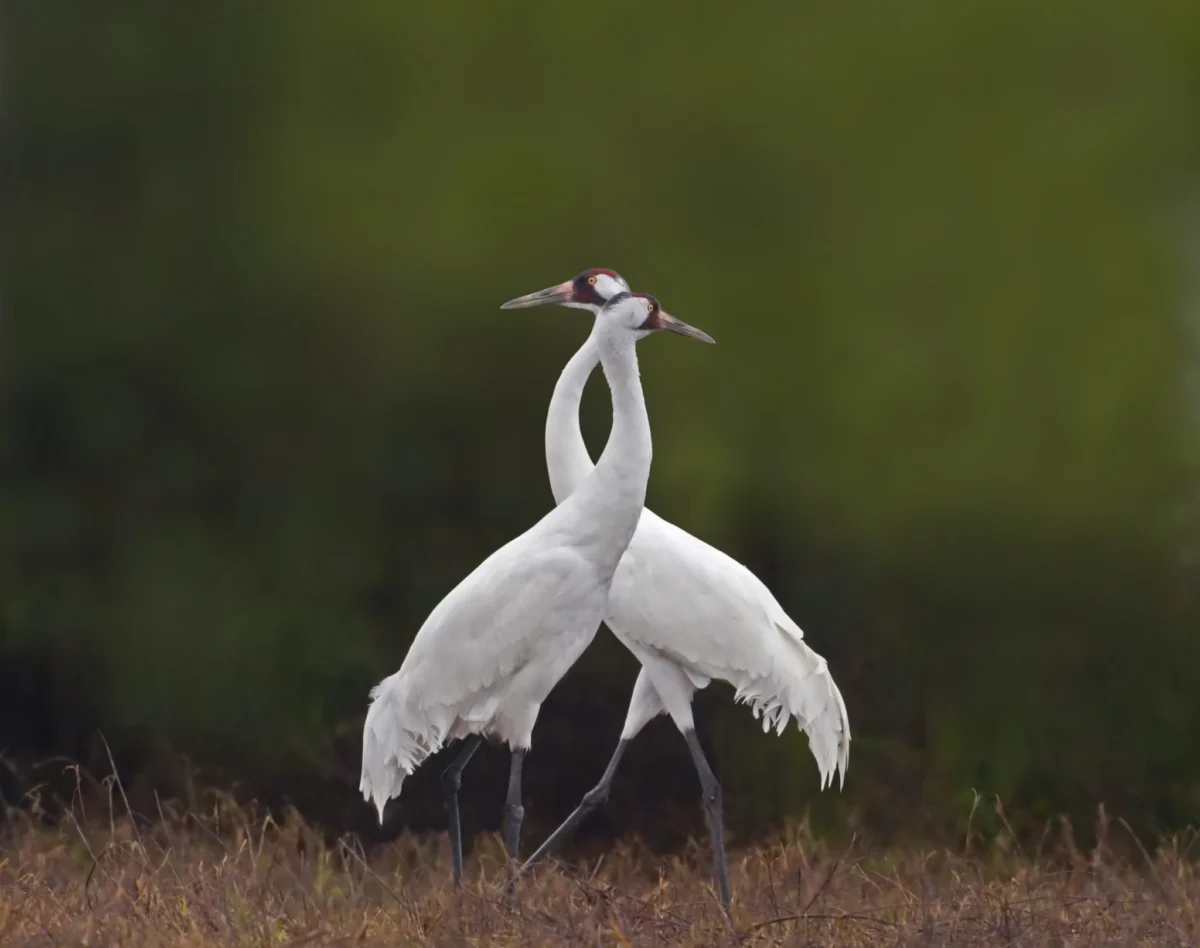
Among the most storied success stories in North American conservation history is that of the Whooping Crane (Grus americana). The trajectory of this species serves as a masterclass in the efficacy of intensive species management. In 1941, the Whooping Crane population reached a harrowing nadir, with only 21 individuals surviving in the wild. This collapse was the culmination of decades of rampant hunting, the drainage of essential wetlands for industrial agriculture, and human-induced disturbance of breeding territories.
The recovery effort was not instantaneous. It required a cross-border, multi-decadal collaboration involving federal agencies, non-governmental organizations, and local landowners. By implementing strict legal protections under the Endangered Species Act, establishing protected flyways, and utilizing captive breeding programs to supplement wild populations, the species began to show signs of stabilization. By 2025, the census reported a significant recovery to 557 wild birds.
While this growth is a testament to the power of human intervention, it is important to note that the Whooping Crane remains critically endangered. The species is highly susceptible to disease outbreaks, powerline collisions, and the loss of stopover habitats during migration. The "comeback" of the Whooping Crane is therefore an ongoing process, requiring constant monitoring and a commitment to preserving the vast, connected landscapes they traverse during their seasonal migrations.

Community-Led Conservation: The Red-footed Falcon Case Study
While institutional and governmental intervention is essential, the case of the Red-footed Falcon (Falco vespertinus) highlights the transformative potential of community-led initiatives. In the past, these migratory raptors faced extreme threats from illegal hunting during their migration and wintering phases. A critical flashpoint occurred at a primary gathering site in Angola, where up to a million birds would congregate, making them highly vulnerable to exploitation.
Conservationists recognized that traditional enforcement alone would be insufficient. Instead, they fostered partnerships with local communities, providing them with the resources and incentives to become stewards of the species. By integrating local knowledge with scientific monitoring, the conservation effort shifted the local perspective from seeing the birds as a resource to viewing them as a symbol of ecological pride and a potential asset for sustainable ecotourism.
The result has been a measurable increase in survival rates during these sensitive gathering periods. This success underscores a critical principle in modern conservation: when local stakeholders are empowered to protect biodiversity, the results are often more durable and scalable than those imposed through top-down mandates alone.
The Chronology of Modern Conservation Efforts
The history of avian conservation has evolved through three distinct phases. The early 20th century was marked by the realization that species were disappearing at an accelerated rate, leading to the establishment of the first national parks and bird sanctuaries. The mid-to-late 20th century saw the development of international treaties, such as the Migratory Bird Treaty Act and the Convention on International Trade in Endangered Species (CITES), which created the legal scaffolding for global cooperation.
We are now in the third phase: the era of data-driven, community-integrated conservation. With the advent of satellite tracking, genomic analysis, and crowdsourced data from platforms like eBird, conservationists can now pinpoint exact threats with unprecedented accuracy. This technological leap allows for "precision conservation," where resources are directed to the specific habitats and behaviors that will yield the highest return on investment for species recovery.
The Economic and Ecological Stakes
Beyond the intrinsic value of biodiversity, the preservation of bird populations carries significant economic implications. Birds provide essential ecosystem services, including pollination, seed dispersal, and natural pest control. A decline in raptor populations, for instance, often leads to an explosion in rodent populations, which in turn can cause massive damage to grain storage and crops, increasing the costs of agricultural production and threatening food security.
Furthermore, the rise of "birding tourism" has become a vital economic engine in many developing nations. Regions that successfully protect their avian wildlife find that birdwatchers bring significant foreign currency and support local hospitality sectors. Consequently, the argument for conservation is no longer framed solely in ethical terms; it is increasingly a matter of economic stability and long-term sustainable development.

The Path Forward: Advocacy and Public Engagement
The challenges facing birds are indeed growing, but the infrastructure for addressing them is more sophisticated than ever before. Organizations such as BirdLife International represent the vanguard of this movement, translating global research into actionable, on-the-ground projects. However, the efficacy of these projects is directly proportional to the level of public and political support they receive.
As the environmental landscape changes, the need for public awareness has never been greater. Informed citizens are the backbone of advocacy, influencing the policies that determine land use, carbon emissions, and trade regulations. By staying updated on conservation science and supporting initiatives that prioritize habitat restoration, individuals can play a direct role in preventing further extinctions.
Analytical Outlook: Implications of Current Trends
As we analyze the current data, it becomes clear that we are in a race against time. While the recovery of species like the Whooping Crane and the Red-footed Falcon provides a blueprint for success, the sheer scale of the challenges—specifically climate change—threatens to outpace traditional conservation methods. As migratory patterns shift due to rising global temperatures, protected areas that were once ideal for nesting may become inhospitable.
This reality necessitates a "dynamic" approach to conservation. We must move away from static reserves and toward the creation of "climate corridors"—connected networks of protected land that allow species to migrate and adapt to changing conditions. Additionally, there is a pressing need for international cooperation on a scale never before seen, ensuring that protected habitats are managed consistently across international borders.
Conclusion: A Collective Responsibility
The preservation of the world’s bird species is a collective responsibility that transcends borders and political affiliations. As the data suggests, we are capable of reversing the trends of decline, but doing so requires sustained funding, scientific integrity, and an engaged public. The stories of the Whooping Crane and the Red-footed Falcon are reminders that human intervention has the power to either destroy or restore.
By supporting conservation efforts, investing in the protection of critical habitats, and advocating for policies that place the environment at the center of the economic agenda, society can ensure that these species continue to thrive for generations to come. The opportunity to act is now; the future of global avian biodiversity depends on the choices made in this critical decade. Through a combination of rigorous science, local engagement, and unwavering global commitment, the path toward a more resilient natural world remains within our reach.

