


Bringing home your first pair of rats is an exciting milestone, a moment filled with anticipation for the unique companionship these intelligent and social creatures offer. However, this initial period can also be accompanied by a flurry of questions and a touch of apprehension for new owners. Understanding the typical behaviors and needs of rats during their acclimation phase is crucial for fostering a strong bond and ensuring their well-being. This guide aims to demystify the first days, weeks, and months with your new rodent companions, providing a structured approach to their integration into your home.
Initial Homecoming: Navigating the First Moments
Upon arriving home with your new rats, the immediate priority is to introduce them to their new environment in a way that minimizes stress. The journey itself can be disorienting for these sensitive animals, transitioning them from a familiar breeder or rescue setting to an entirely new territory filled with unfamiliar sights, sounds, and smells. It is vital to remember that your rats do not yet perceive you as a trusted figure or their new home as a safe haven.
The first stop should always be their pre-prepared cage. This multi-level dwelling, equipped with appropriate bedding, food and water sources, enrichment items like hammocks and tunnels, and a designated litter box, serves as their initial sanctuary. Allowing them to explore this space at their own pace is paramount. While the urge to immediately interact and cuddle is strong, overstimulation can be counterproductive. Instead, remain present, speaking in a soft, reassuring tone. Offering a small, high-value treat, such as a tiny piece of fruit or a sunflower seed, can be a gentle introduction to positive reinforcement and help them associate your presence with pleasant experiences. This initial exploration phase is also important for them to locate their essential facilities, including the litter box, which can help in establishing good habits from the outset.

Post-Cage Introduction: Gauging Readiness for Interaction
Following their initial exploration of the cage, the next step involves assessing their readiness for more direct interaction. This decision is largely influenced by the duration and nature of their travel to your home. If the journey was short and local, it may be appropriate to allow them out of their cage for supervised exploration relatively soon after their initial introduction to their enclosure.
However, if your rats have endured a lengthy travel period, providing them with a decompression period of 30 to 60 minutes within their cage is advisable. This allows them to settle down, regain their composure, and begin to process their new surroundings. Some rats are naturally bolder and may be eager to venture out sooner, while others, particularly those with a more skittish disposition, will benefit from this extended period of quiet acclimatization. Observing their body language – whether they are cautiously exploring or actively hiding – will provide valuable cues on how to proceed. The key principle here is to follow the rat’s lead, respecting their comfort levels.
Understanding Rat Behavior: The First Month
The behavioral patterns of rats during their first day, week, and month in a new home are as diverse as the individual rats themselves. Some rats are inherently confident and will quickly approach their new owners, eager to explore and form bonds. Others may exhibit a blend of curiosity and caution, displaying bravery in some instances while retreating in others. Outgoing rats tend to adapt more swiftly, which can, in turn, help new owners feel more at ease.
Conversely, it is not uncommon for newly acquired rats to display nervousness, jumpiness, or even outright fear. This initial apprehension can be disconcerting for inexperienced owners, sometimes leading to a mistaken belief that a hands-off approach is best. However, this passive strategy is often detrimental. Scared rats will not spontaneously overcome their fears without intervention. From a biological standpoint, hiding and fleeing have historically been survival mechanisms for prey animals. Therefore, it is the owner’s responsibility to gradually shift this perspective. Building trust requires consistent, quality interaction and dedicated effort, commencing on day one and continuing daily thereafter. Regular opportunities for rats to leave their cage, be held, and receive affection are essential for their emotional development and integration into the household.

For owners facing particularly fearful rats, resources such as guides on "Helping a Scared Pet Rat" and "Honoring Your Rat’s Personal Space" can offer practical strategies for building confidence and trust without causing undue stress. A common misconception among new owners is the fear of being bitten. While a startled rat might nip defensively, understanding the context and implementing appropriate handling techniques can mitigate this risk. Neglecting interaction due to fear can paradoxically exacerbate the rats’ apprehension, creating a cycle that is difficult to break. Therefore, familiarizing oneself with information on "Do Pet Rats Bite?" can provide crucial insights and bolster confidence in managing these situations.
Addressing Quirky Rat Traits and Potential Challenges
While rats are not inherently aggressive, they can exhibit certain peculiar behaviors that may surprise or even startle new owners. One such common quirk is a fascination with nipping socked feet. This behavior is typically not an act of aggression but rather an exploratory or playful gesture. It is important to understand that these nips rarely break the skin and are not indicative of a vicious nature. Recognizing this trait, as detailed in articles on "Quirky Rat Traits or Rat Pranks," can prevent unnecessary anxiety and misinterpretation.
Another consideration involves potential reactions to strong chemical smells. Some rats may exhibit defensive behaviors, such as nipping fingers or toes, when exposed to substances like nail polish remover. This is believed to be a reaction to the fumes, which can be disturbing to their sensitive respiratory systems, rather than a deliberate attack. It is advisable to avoid using such products in the vicinity of your rats to prevent any potential distress or defensive responses.
Essential Care Practices: Ensuring Health and Hygiene
Beyond behavioral acclimatization, consistent and proper care practices are fundamental to the health and happiness of your rats.
Cage Cleaning: A Cornerstone of Rat Welfare
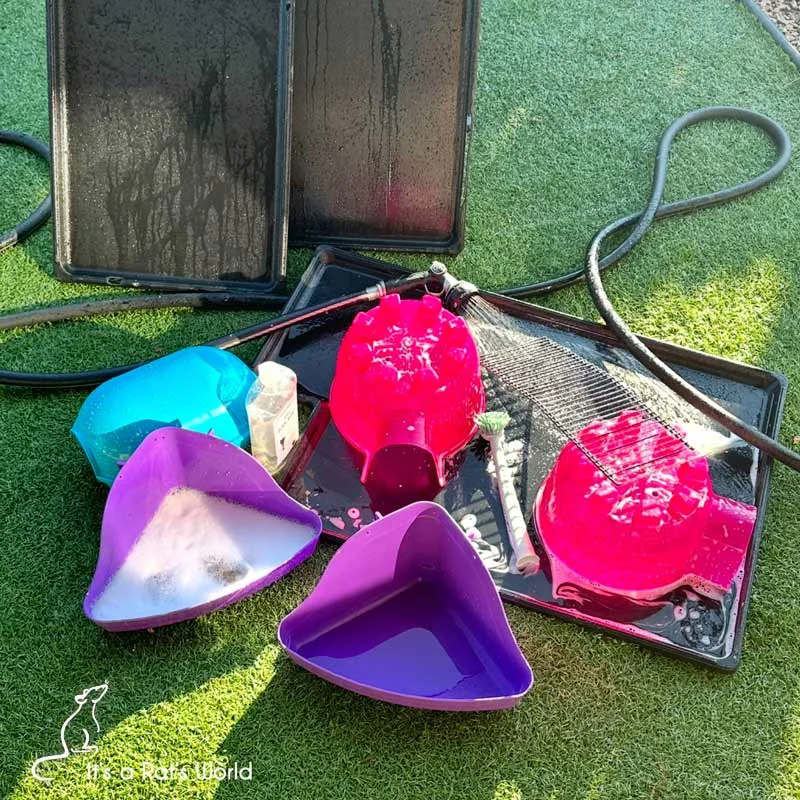
The frequency of cage cleaning is a vital aspect of rat ownership. To effectively manage odor and waste accumulation, daily spot cleaning is highly recommended. This involves removing soiled bedding, waste from high-traffic areas, and cleaning food and water dishes. A complete cage overhaul, including washing all accessories and replacing bedding, will depend on several factors, including the number of rats, their litter box habits, their individual activity levels, and even their sex, as male rats may exhibit more territorial marking behaviors. Comprehensive guidance on establishing a cleaning schedule can be found in articles dedicated to "Resolving to Keep Your Rat’s Habitat Cleaner." Furthermore, understanding optimal home environments for rats, covering aspects like "Rats and Home Ambience" and "Rats and the Air," can inform cage placement and overall habitat management.
Feeding Regimen: Nourishing Your Rodent Companions
A balanced diet is crucial for rats’ well-being. It is generally recommended to divide their daily allotment of staple food into two main meals, breakfast and dinner. Rats possess rapid metabolisms and often prefer to graze throughout the day. However, to prevent overeating and encourage paced consumption, splitting their main diet into two meals is beneficial. Fruits and vegetables can be incorporated into these meals or offered as small, portioned snacks throughout the day. For instance, breakfast might include yogurt or fruit, midday snacks could be carrots or grapes, and dinner could feature cooked vegetables or pasta. Detailed dietary information and sample daily menus are available through specialized resources such as the Rat Guide, co-authored by experienced rat enthusiasts.
Veterinary Care: Proactive Health Management
The necessity of immediate veterinary attention upon acquiring new rats depends largely on their origin. Rats obtained from reputable rescues that adhere to quarantine protocols and provide pre-adoption medical care may not require an immediate vet visit. However, rats sourced from pet stores, unknown breeders, or situations where their health was compromised may warrant a prompt veterinary assessment. Stress can significantly weaken a rat’s immune system, potentially triggering respiratory issues. Symptoms such as sneezing, labored breathing, wheezing, or crackling sounds within the first few weeks of acquisition should prompt immediate veterinary consultation. Establishing a relationship with an exotics veterinarian experienced with rodents is a prudent long-term strategy, as unforeseen health issues can arise at any time. Allocating funds for future veterinary expenses is a responsible aspect of pet ownership.
Building a Lasting Connection: From Cuddles to Communication
As your rats become more comfortable, the desire to engage in direct physical interaction, such as holding and cuddling, will naturally increase. It’s understandable to feel a degree of uncertainty when handling these small, agile creatures, especially considering their sharp nails. Resources like "How to Pet Your Rats" offer practical advice on gentle and effective physical interaction.

The ultimate goal for many rat owners is to forge a deep and meaningful bond with their pets. Articles on "Forming a Bond with Your Rats" provide insights into building trust and affection. Creating stimulating and safe environments for out-of-cage playtime is also essential for their physical and mental well-being. Designated "rat playgrounds," including creative solutions like "couch ideas" for extended play sessions, can facilitate hours of cherished interaction. Understanding how rats communicate through various vocalizations, body language, and behaviors, as outlined in "Rat Communication: How Your Rat ‘Talks’ to You," can further deepen your understanding and connection with them. While this aspect of communication may require a longer period of observation and familiarity with individual rats, it is a rewarding facet of the human-rat relationship.
The journey of integrating rats into your home is an ongoing process. Patience, consistent presence, and a commitment to spoiling your new companions rotten will undoubtedly lead to a truly rewarding and enjoyable adventure. With dedication and the right knowledge, you will soon find yourself navigating the world of rat ownership with confidence and ease, fostering a deep and lasting companionship.

