


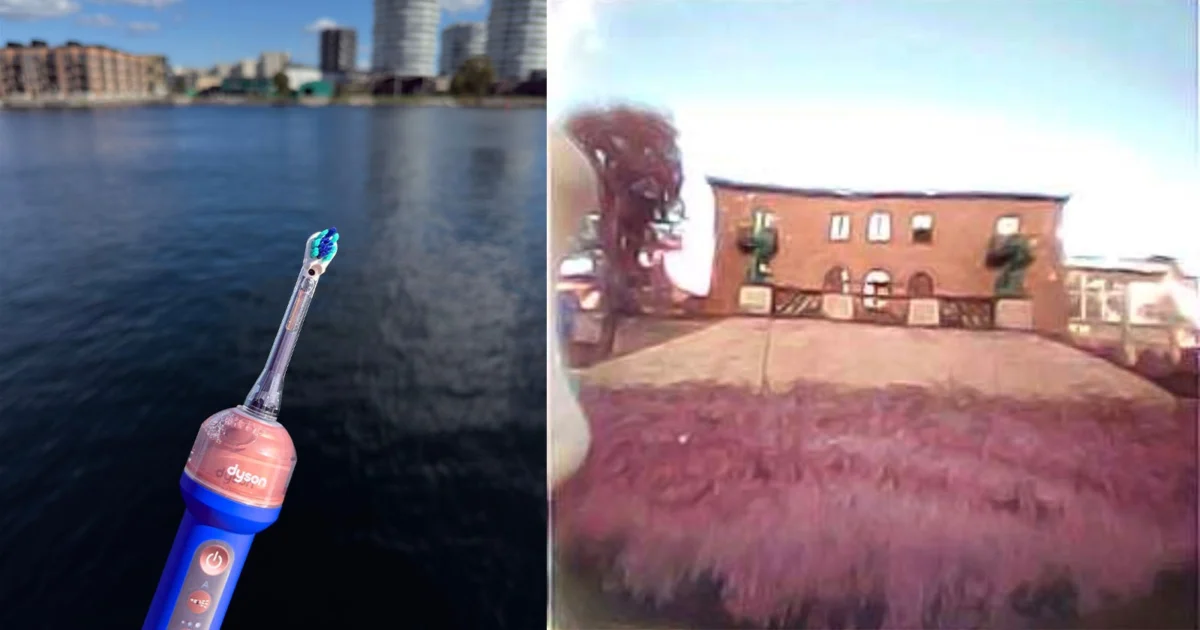
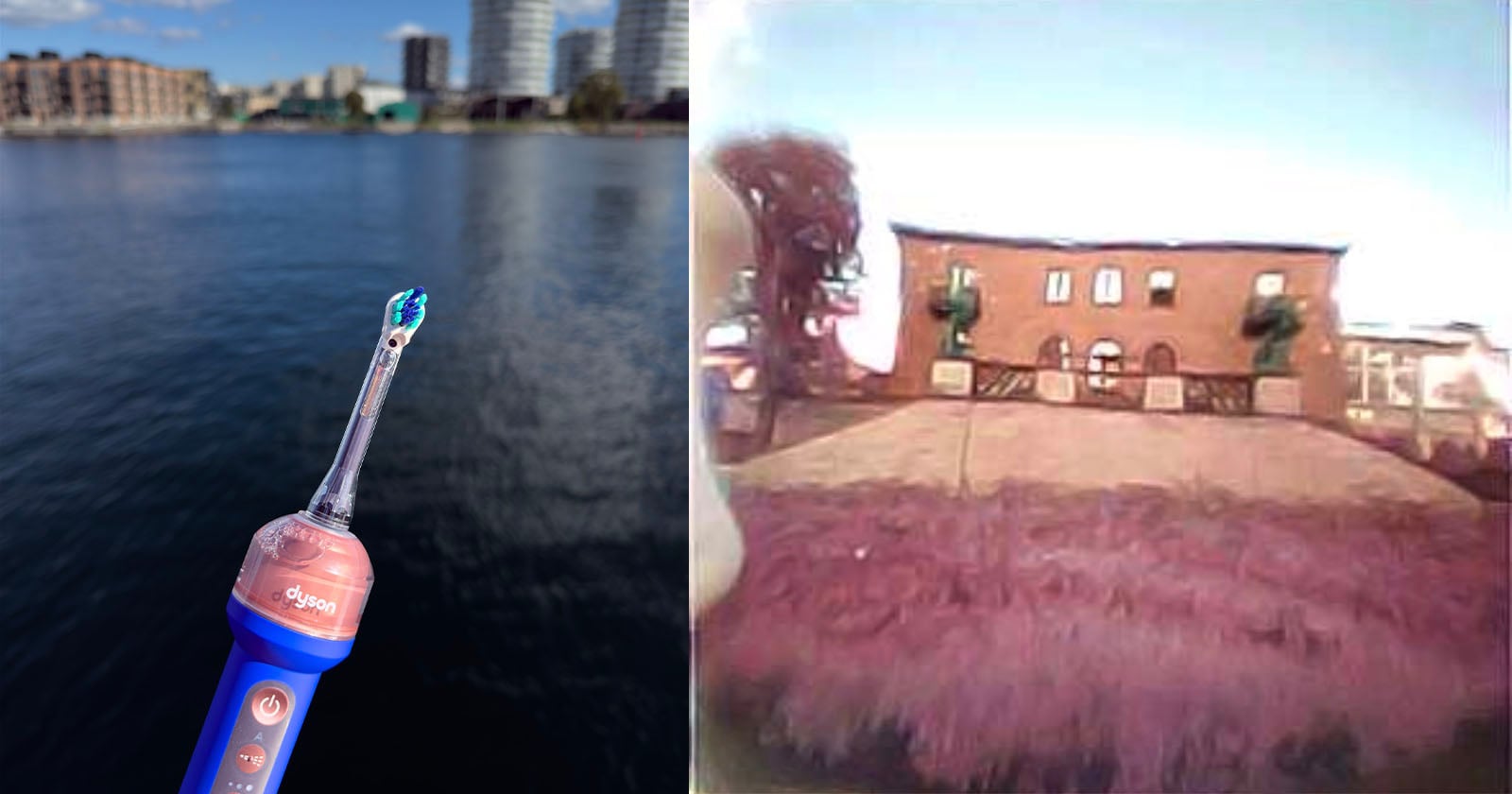
The release of the $499 Dyson CameraJet earlier this month marked a peculiar intersection between high-end home appliances and digital imaging technology. While the device was marketed primarily as a dental hygiene tool—designed to provide users with a granular, endoscopic view of their own oral health—it has inadvertently become the latest curiosity in the street photography community. A content creator known as "all gear no skill" recently took the device on a public excursion to document urban environments, sparking a broader conversation about the definition of photography in an era of ubiquitous, non-traditional imaging sensors.
The Rise of Embedded Cameras in Mundane Hardware
The CameraJet is the latest entrant in a growing market of "smart" everyday items. In recent years, consumers have seen the integration of sophisticated sensors into household products ranging from smart refrigerators and doorbells to wearable health monitors. The trend follows a broader technological push toward hyper-connectivity, where manufacturers seek to add value to static appliances by providing data-rich, live-streaming capabilities.
Dyson, historically known for high-velocity air movement technology, entered this space with the CameraJet, positioning it as a premium health-tech solution. The device features an integrated endoscopic camera designed specifically for high-resolution macro photography within the confines of the human mouth. However, the camera’s hardware—characterized by a wide-angle, fisheye lens and high-intensity LED lighting—has proven to be capable of capturing images far beyond the bathroom sink.
Chronology of the CameraJet Street Photography Experiment
The experiment conducted by "all gear no skill" highlights the disconnect between intended product use and consumer ingenuity. On September 1, 2026, Dyson officially launched the product, emphasizing its proprietary app integration that allows for a low-latency live feed. By the second week of September, the creator had acquired the unit and began testing its outdoor capabilities.
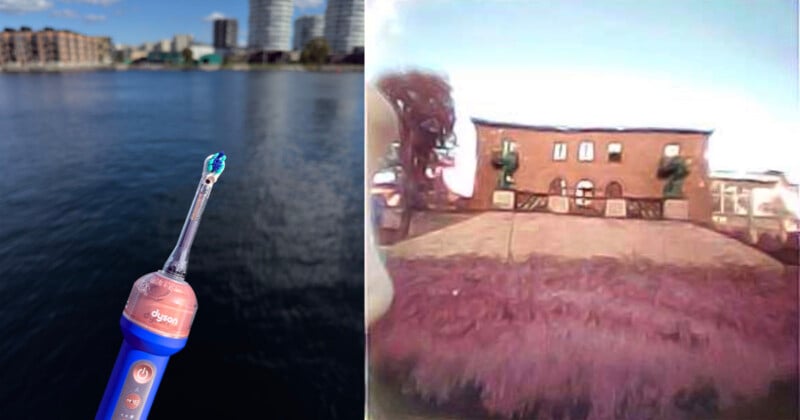
The process was technically demanding. Because the Dyson CameraJet does not possess onboard image storage or an SD card slot, the photographer was forced to utilize a screen-capture workflow. By syncing the toothbrush to a smartphone via the official Dyson app, the creator captured the live feed through manual screenshots. This workaround effectively turned the toothbrush into a makeshift, low-resolution digital camera with a distinct, distorted aesthetic reminiscent of early-2000s mobile device photography.
Technical Limitations and Aesthetic Output
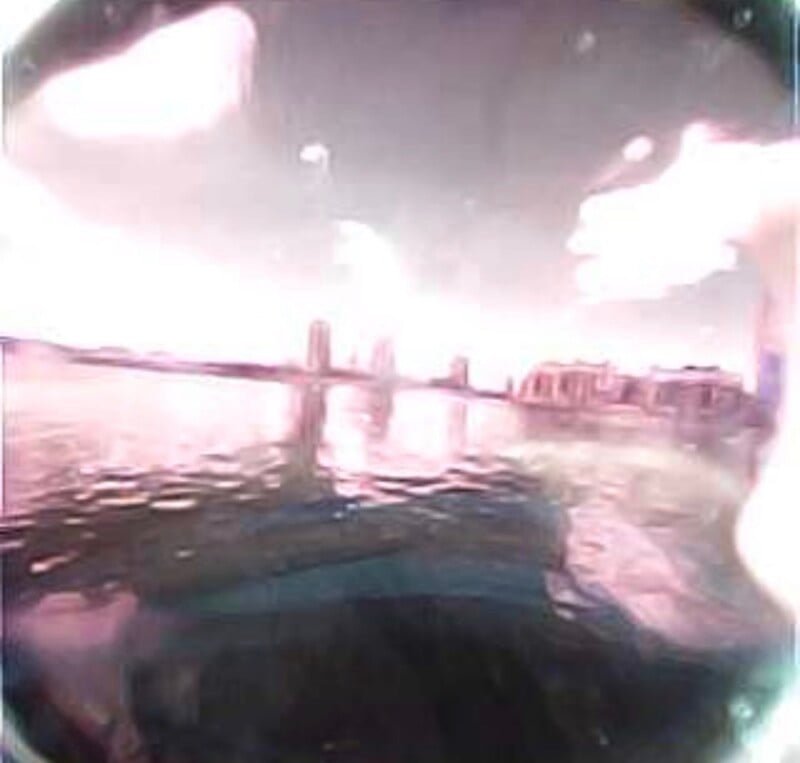
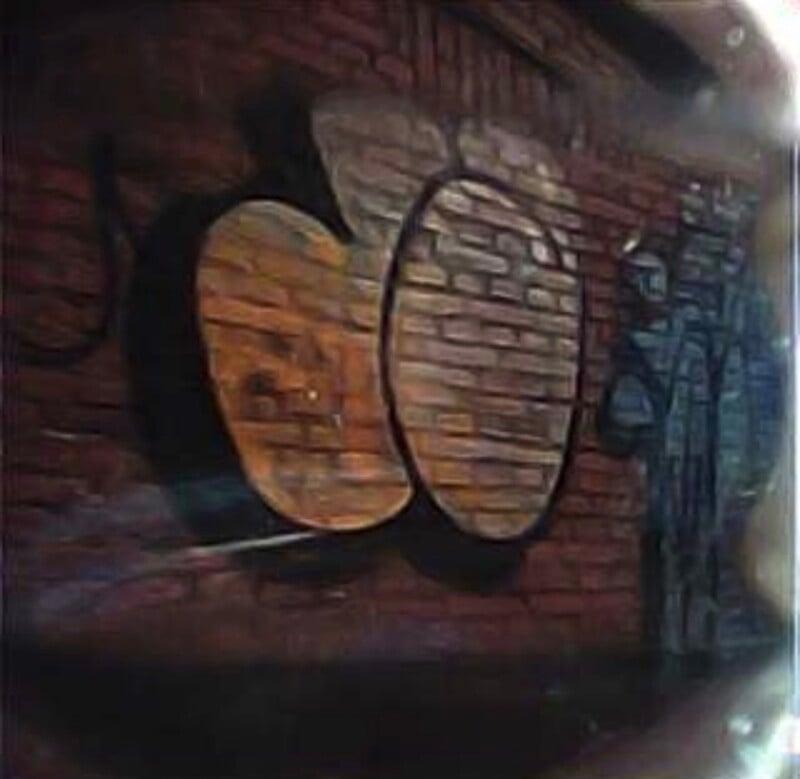
The images produced by the CameraJet are fundamentally different from those captured by standard DSLRs or mirrorless systems. Due to the lens being calibrated for macro, mouth-based photography, the focus range is extremely limited. When pointed at city architecture or street scenes, the resulting photographs exhibit extreme fisheye distortion, chromatic aberration, and erratic white balance.
"The camera needs a lot of light, but also can’t handle too much of it," the photographer noted in an interview with PetaPixel. "It’s made for macro photography with a lot of fisheye distortion, but when taken outside it looks like an infrared camera. Of course, the resolution is not great, and colors and white balance are all over the place."
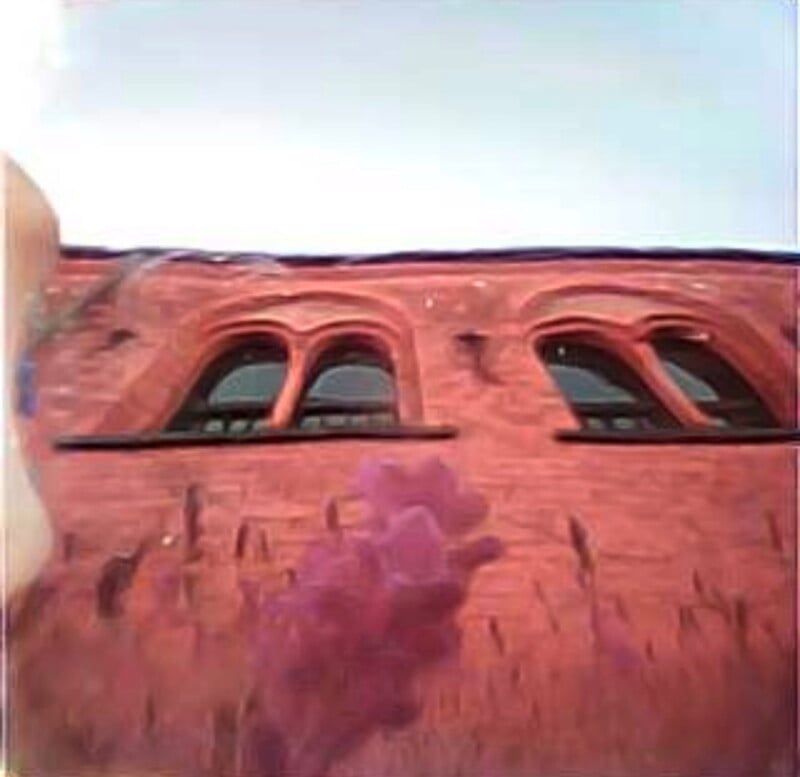
From a technical standpoint, the camera’s reliance on high-intensity LEDs creates an uneven exposure profile. When subjects are close, the light is overpowering; when the subject is distant, the sensor struggles to resolve detail, leading to the "blurry" and "distorted" appearance cited in the experiment. Despite these technical shortcomings, the results have been compared by online communities to the aesthetic of early generative AI images, which often feature surreal warping and dreamlike color shifts.
The Conflict of Categorization: The Reddit Controversy
The experiment reached a point of friction when the creator attempted to share the resulting work on the subreddit r/streetphoto. The community, which maintains strict guidelines regarding what constitutes "street photography," promptly removed the post. The moderators cited a violation of the rule requiring content to adhere to traditional definitions of the genre.
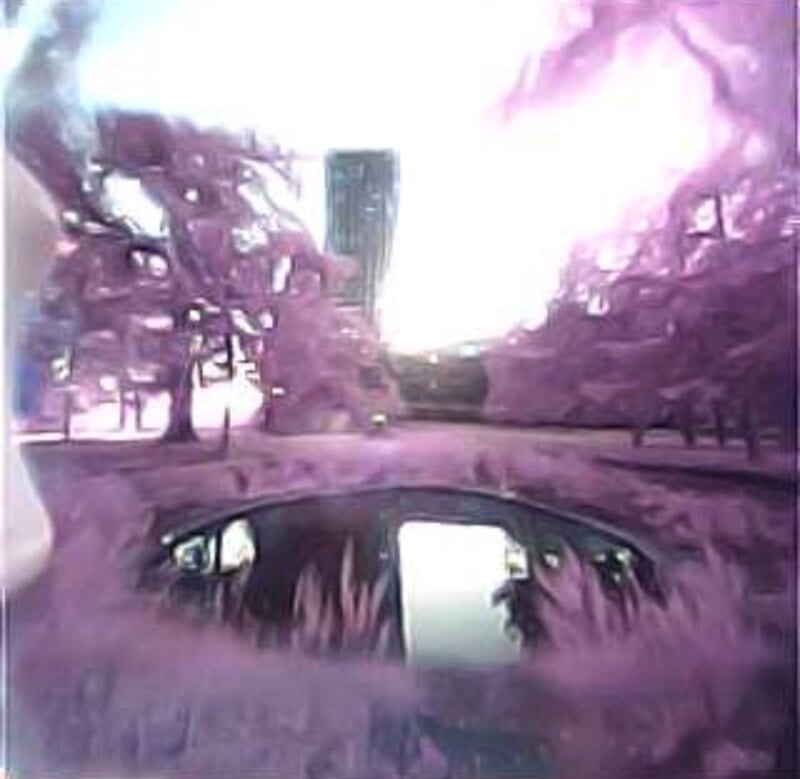
This rejection highlights a persistent tension in the digital age: as imaging technology democratizes, the barriers between "professional equipment" and "household tools" dissolve. The photographer’s appeal to the moderators—explaining the intentional use of a non-camera device to capture a street scene—was denied. The moderators maintained that the output did not meet the artistic or technical criteria for their specific community, a decision that has sparked debate regarding whether "street photography" should be defined by the method of capture or the subject matter itself.
Implications for the Imaging Industry
The success of the Dyson CameraJet’s app, which provides a seamless, low-latency feed, has ironically drawn praise from enthusiasts who noted that the software interface outperforms many dedicated camera manufacturers’ mobile applications. This observation carries significant weight for the imaging industry. As companies like Canon, Nikon, and Sony struggle to modernize their connectivity software, a dental appliance manufacturer has effectively demonstrated how to provide a fluid, stable, and highly responsive user experience.
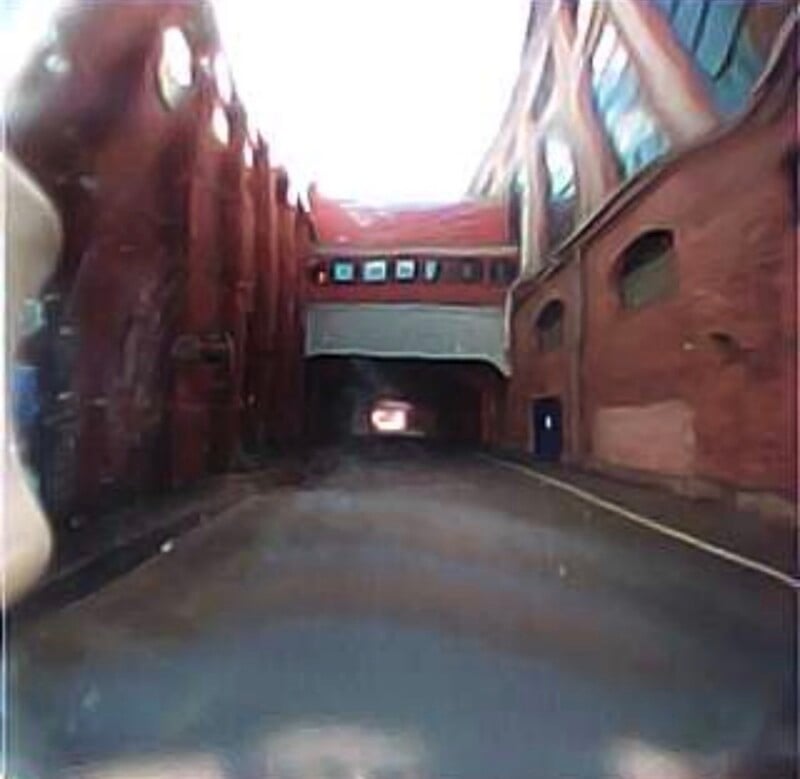
This incident serves as a case study in "technological repurposing." Throughout history, photographers have sought to push the limits of their medium by using "toy" cameras, pinhole devices, and scanners to subvert traditional imaging norms. By utilizing a $499 toothbrush, the creator is participating in a long-standing tradition of challenging the status quo of what is considered "proper" camera equipment.
Broader Societal and Privacy Contexts
The ubiquity of cameras in everyday devices also raises substantial questions regarding privacy. While the Dyson CameraJet is limited to a live-streaming experience within an app, the normalization of cameras in products where they were previously absent contributes to a landscape of continuous, invisible surveillance.
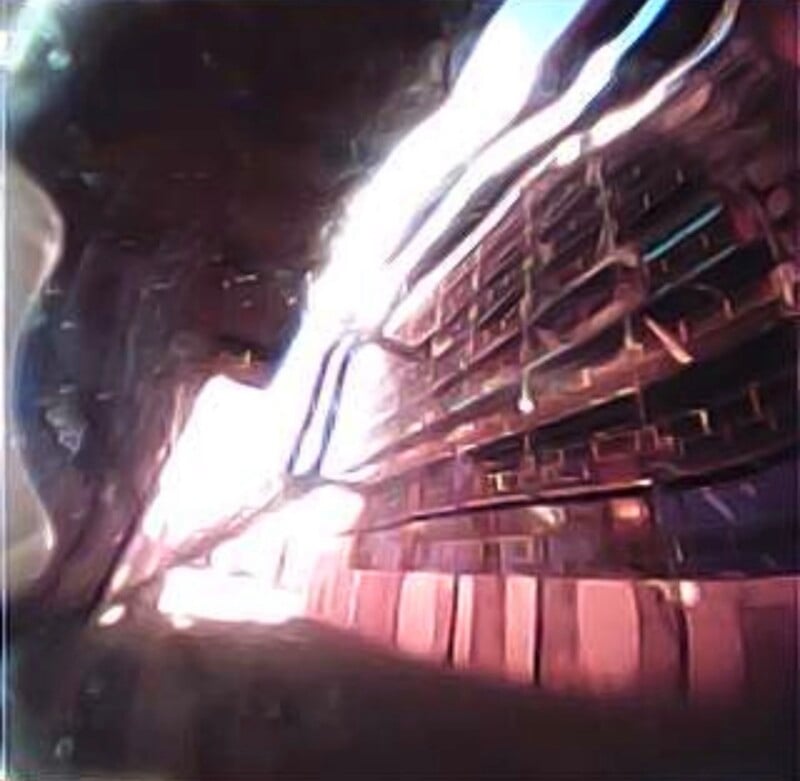
Dyson has officially stated that the device does not store images or video on the toothbrush itself, nor does it upload them to the cloud. However, the ease with which these devices can be used to capture footage in public spaces, even if done for artistic expression, underlines the potential for misuse. The "weird looks" the photographer reported receiving while wandering the streets with a toothbrush are indicative of a society that is becoming increasingly wary of the proliferation of optical sensors in the most mundane of items.
Conclusion
The Dyson CameraJet experiment is more than a viral stunt; it is a reflection of the current state of hardware integration. As the line between functional household tools and image-capture devices continues to blur, photographers and technologists alike will continue to explore the edges of these products. Whether the images produced are viewed as legitimate art or merely as the results of "tomfoolery," the CameraJet has effectively forced a re-examination of the tools we use to document the world around us.
As technology advances, the definition of a "camera" will likely continue to expand. For now, the professional community remains divided, with purists favoring traditional hardware and others embracing the chaotic, low-fidelity output provided by the new generation of connected devices. The story of the Dyson CameraJet serves as a reminder that in photography, the final image is often secondary to the curiosity that drives the creator to find it, even if that curiosity leads them to the aisle of a pharmacy.

