


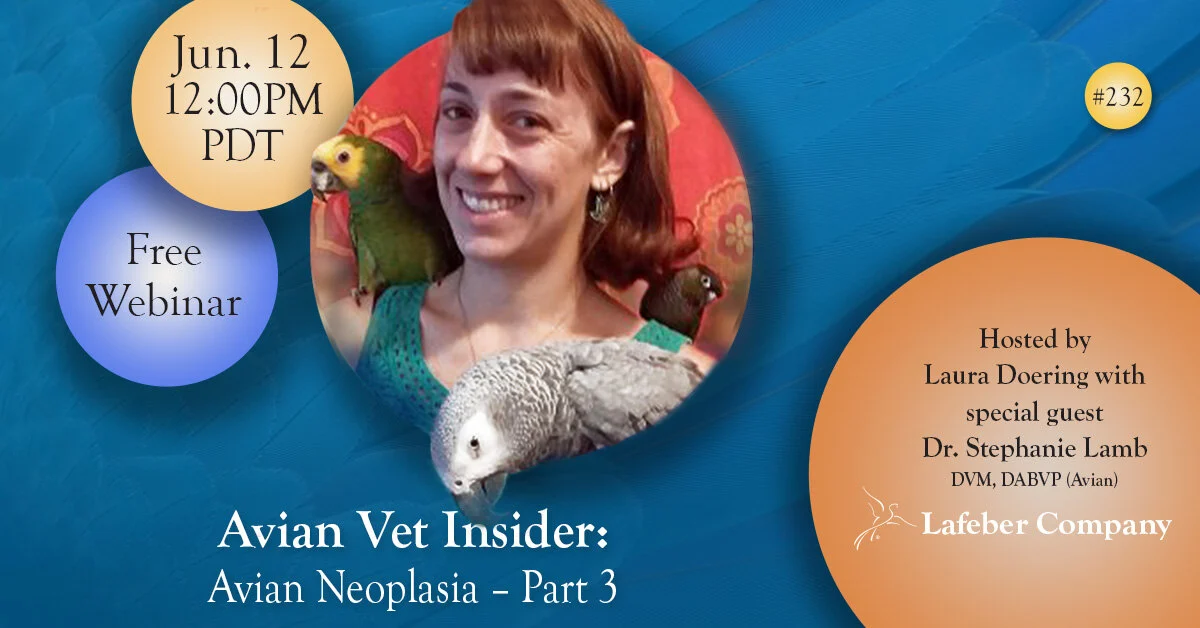
The specialized field of avian veterinary medicine is set to gain further critical insights as Dr. Stephanie Lamb prepares to deliver the final installment of her highly anticipated three-part webinar series on Avian Neoplasia. Scheduled for Friday, June 12, 2026, at 12:00 p.m. PDT, this concluding session promises to delve deeper into the multifaceted challenges and complexities of tumor types affecting pet birds, building upon the foundational knowledge established in the preceding parts of the series. This educational initiative, hosted by a prominent entity in avian health, aims to empower both veterinary professionals and dedicated bird owners with comprehensive understanding, fostering more informed care decisions and advancing the overall welfare of avian companions.
The Evolving Landscape of Avian Oncology Education
The series on avian neoplasia represents a significant commitment to continuing education within the exotic animal veterinary community. As pet birds live longer lives due to advancements in nutrition, husbandry, and general veterinary care, the incidence of age-related and systemic diseases, including various forms of cancer, has become increasingly prevalent. This shift underscores the critical need for specialized knowledge and up-to-date diagnostic and therapeutic approaches. Dr. Lamb’s series, therefore, arrives at a crucial juncture, addressing a knowledge gap and providing a structured learning pathway for those involved in avian health.
The initial parts of the series likely established a broad overview of avian oncology, covering fundamental concepts such as the general pathology of tumors in birds, common predisposing factors, and the initial steps in diagnostic workup. Subsequent sessions would have then progressed to more specific discussions, as hinted by the article’s mention of "skin, reproductive, and other organ systems." These early sessions would have laid the groundwork for understanding the unique physiological and anatomical considerations that differentiate avian oncology from mammalian counterparts. Birds, with their distinct metabolic rates, immune responses, and organ structures, often present with neoplastic conditions that require specialized interpretation and management strategies. The series’ progressive structure ensures that participants develop a holistic understanding, moving from general principles to detailed, system-specific challenges.
Part 3: Expanding the Diagnostic Horizon
The upcoming third installment is specifically designed to expand the conversation beyond previously discussed areas, focusing on "additional areas of the body that may be involved." This suggests an exploration of less common, yet equally critical, sites of tumor development. Such areas could include, but are not limited to, the central nervous system, musculoskeletal system, endocrine glands, and the intricate structures of the avian head and neck. Each of these systems presents unique diagnostic hurdles and therapeutic considerations. For instance, diagnosing brain tumors in birds requires advanced imaging techniques such as MRI or CT scans, which may not be readily available in all veterinary practices. Similarly, tumors affecting the bones or muscles can mimic other conditions, necessitating a high degree of clinical suspicion and thorough investigation.
The webinar will likely address the varied clinical presentations of these tumors, ranging from subtle behavioral changes to overt physical abnormalities. Attendees can anticipate a detailed discussion on the diagnostic modalities applicable to these "additional areas," including advanced imaging techniques, endoscopic examinations, and specialized biopsy procedures. Furthermore, the session is expected to cover the interpretation of histopathological findings, which is paramount for accurate diagnosis and prognosis. Understanding the nuances of avian tumor pathology, including grading and staging, is crucial for developing effective treatment plans.
The Pervasive Challenge of Avian Neoplasia: Supporting Data and Context
Avian neoplasia encompasses a wide spectrum of tumor types, varying significantly in prevalence, agressiveness, and response to treatment depending on the species, age, and genetic background of the bird. While precise epidemiological data across all avian species can be challenging to compile, general observations and retrospective studies highlight several key trends. For example, budgerigars (Melopsittacus undulatus) are notoriously predisposed to certain types of tumors, including renal adenocarcinomas, lipomas, and pituitary adenomas. Cockatiels (Nymphicus hollandicus) frequently develop reproductive tumors and lipomas, while Amazon parrots (Amazona species) and African Grey parrots (Psittacus erithacus) can be prone to various forms of sarcomas and carcinomas.
Commonly encountered tumor types in pet birds include:
- Lipomas: Benign fatty tumors, particularly common in budgerigars and cockatiels, often found subcutaneously. While generally not life-threatening, large lipomas can impede movement or affect quality of life.
- Fibrosarcomas and Osteosarcomas: Malignant tumors of connective tissue and bone, respectively, which can be highly invasive and difficult to treat.
- Squamous Cell Carcinomas: Often aggressive skin cancers that can arise in areas exposed to chronic irritation, such as the cere or eyelid.
- Reproductive Tumors: Highly prevalent in female birds, especially older hens, encompassing ovarian carcinomas, oviductal adenocarcinomas, and leiomyomas (benign smooth muscle tumors). These can cause egg binding, abdominal distension, and systemic illness.
- Renal Tumors: Particularly common in budgerigars, these can lead to unilateral leg lameness due to nerve compression.
- Pituitary Adenomas: Affecting the pituitary gland, these can cause neurological signs and endocrine disturbances.
- Lymphomas: Malignant tumors of lymphoid tissue, which can affect various organs and present with diverse clinical signs.
The diagnostic process for avian neoplasia often begins with a thorough physical examination, followed by ancillary diagnostics such as complete blood counts (CBC), serum biochemistry, and radiography. Advanced imaging like ultrasonography, computed tomography (CT), and magnetic resonance imaging (MRI) provides crucial detail for localizing tumors, assessing their invasiveness, and planning surgical interventions. Definitive diagnosis, however, typically relies on histopathological examination of biopsy samples. Treatment options can range from surgical excision for localized tumors to chemotherapy, radiation therapy, and palliative care for advanced or metastatic disease. The prognosis is highly variable, depending on the tumor type, stage, and the bird’s overall health.
The Expertise of Dr. Stephanie Lamb
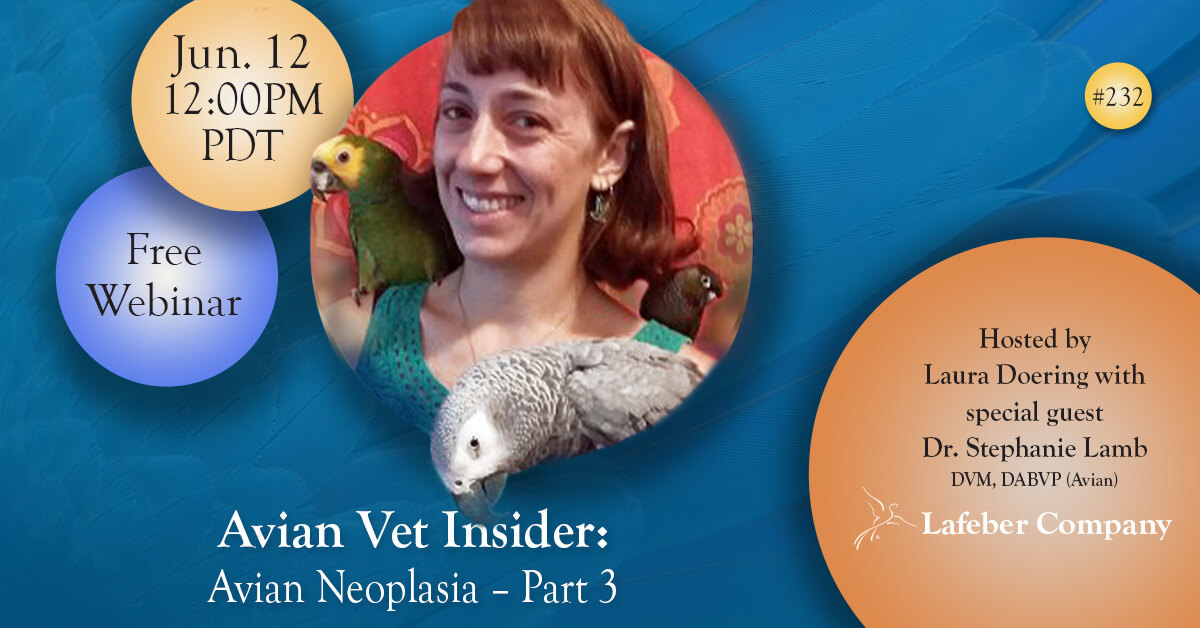
Dr. Stephanie Lamb is a distinguished figure in avian and exotic animal medicine, known for her extensive knowledge and practical experience in diagnosing and treating complex conditions in non-traditional pets. Her commitment to education is evident through her numerous presentations, publications, and involvement in professional organizations dedicated to advancing exotic animal veterinary care. As a board-certified avian veterinarian, Dr. Lamb brings a unique blend of academic rigor and clinical acumen to her discussions. Her ability to distill complex medical information into understandable and actionable insights makes her an invaluable resource for both seasoned practitioners and engaged bird owners. Her participation in this webinar series underscores her dedication to elevating the standard of care for avian patients globally.
Lafeber Company: A Legacy of Avian Health Support
The webinar series is presented under the auspices of Lafeber Company, a name synonymous with innovation and quality in avian nutrition and health for decades. Founded by Dr. T.J. Lafeber, a pioneer in avian medicine, the company has a long-standing commitment not only to developing superior diets but also to supporting veterinary education and research. Lafeber’s mission extends beyond commercial products, actively fostering a community of informed professionals and responsible pet owners. Their consistent hosting of high-caliber webinars, often featuring leading experts like Dr. Lamb, exemplifies their dedication to continuous learning and the advancement of avian welfare. By providing accessible platforms for such crucial discussions, Lafeber plays a pivotal role in disseminating vital information that directly impacts the health and longevity of pet birds.
Implications for Avian Veterinary Medicine and Pet Owners
The completion of this three-part series on avian neoplasia carries significant implications. For veterinary professionals, it represents an unparalleled opportunity for continuing education, equipping them with the latest knowledge and techniques to diagnose and manage cancer in their avian patients. This enhanced understanding can lead to earlier detection, more accurate prognoses, and the implementation of more effective, species-specific treatment protocols. The series also encourages a more interdisciplinary approach to avian oncology, promoting collaboration among general practitioners, specialists, and diagnostic laboratories.
For pet bird owners, the webinar provides a critical avenue for empowerment. While cancer can be a devastating diagnosis, gaining a better understanding of these conditions can help guide more informed care and decision-making. Knowledge about potential signs of illness, the importance of regular veterinary check-ups, and the various diagnostic and treatment options available can significantly improve outcomes. Owners who are well-informed are better equipped to advocate for their birds, communicate effectively with their veterinarians, and make compassionate choices regarding their pet’s quality of life. The emphasis on early detection, as consistently highlighted throughout the series, is paramount, as it often correlates with more favorable prognoses.
Furthermore, the broad accessibility of such webinars, facilitated by online platforms, ensures that this specialized knowledge reaches a global audience, transcending geographical barriers. This democratization of information is crucial for elevating the overall standard of avian veterinary care worldwide. The series also implicitly highlights areas where further research is needed, encouraging scientific inquiry into the causes, prevention, and novel treatments for avian cancers.
Registration and Event Details
Individuals interested in participating in this critical educational event are encouraged to register promptly. The webinar, titled "Avian Neoplasia, Part 3, with Dr. Stephanie Lamb," is scheduled for Friday, June 12, 2026, at 12:00 p.m. PDT. Attendees are strongly advised to utilize the provided time zone converter to accurately determine their local start time, ensuring they do not miss any part of this invaluable discussion. Registration can be completed via the link provided on the host’s platform, which will grant access to the Zoom webinar.
This concluding session of Dr. Lamb’s series on avian neoplasia is more than just a presentation; it is a culmination of expert knowledge designed to significantly impact the lives of pet birds and their human companions. By fostering a deeper understanding of avian cancer, this initiative contributes to a future where these beloved creatures receive the most informed and compassionate care possible.

