


Internal sentiment at Meta Platforms Inc. has reached a critical nadir as the company navigates a turbulent transition toward artificial intelligence dominance, marked by mass layoffs and controversial employee monitoring practices. In a leaked internal meeting held on June 2, 2026, Meta’s Chief Technical Officer, Andrew “Boz” Bosworth, admitted to staff that morale within the social media giant is currently "probably one of the worst it’s ever been." This admission, made during a recurring weekly session known as “Tuesdays with Boz,” highlights a growing rift between the company’s executive leadership and its sprawling workforce of engineers, product managers, and creative staff.
While Bosworth noted that current sentiment might not quite eclipse the dark days of the 2018 Cambridge Analytica scandal—which saw the personal data of millions of users harvested without consent—he acknowledged that the present atmosphere is "definitely up there." The CTO’s comments come at a time when Meta is undergoing its most radical structural transformation since its pivot to the "Metaverse" in 2021, this time prioritizing generative artificial intelligence at the expense of traditional roles and workplace autonomy.
A Chronology of Discontent: From Efficiency to Automation
The current crisis of confidence at Meta is the culmination of a multi-year strategy focused on lean operations and technological replacement. To understand the current state of the company, one must look at the timeline of events leading into the summer of 2026.
Following the "Year of Efficiency" declared by CEO Mark Zuckerberg in 2023, which saw the elimination of over 20,000 roles, Meta appeared to stabilize in 2024 and 2025. However, the rapid acceleration of AI capabilities prompted a renewed wave of restructuring. In April 2026, Meta announced a sudden reduction in force, axing approximately 8,000 employees. Unlike previous layoffs that targeted "middle management" or non-technical roles, these cuts reached deep into the engineering and product development cores of Instagram, WhatsApp, and the flagship Facebook platform.
Parallel to these layoffs, the company began implementing a rigorous new system of computer activity monitoring. Officially described as a data-gathering initiative to "refine internal workflows," the program tracks employee keystrokes, application usage, and screen time. The primary purpose of this surveillance is to provide high-quality training data for Meta’s proprietary AI models. By observing how seasoned engineers and designers work, the company aims to automate those very processes—a reality that has led to widespread resentment among the remaining staff.
The AI "Gulag" and the Mandatory Draft
Perhaps the most significant contributor to the "off vibes" described by Bosworth is the internal reassignment of roughly 10% of Meta’s total workforce to the Applied AI engineering unit. This division, which currently comprises about 6,500 engineers and product managers, has become a point of contention within the company.
While the roles were initially marketed as prestigious opportunities to build the future of the internet, many employees have described the work as "mind-numbing." The tasks often involve manual data labeling, error correction for LLMs (Large Language Models), and repetitive testing of automated scripts. Internally, the reassignment has been likened to being "drafted" into a digital infantry. One employee, speaking on condition of anonymity to Business Insider, went so far as to describe the unit as a "gulag," where high-level software architects are reduced to performing tasks that were previously outsourced to low-wage contractors.
This shift represents a fundamental change in Meta’s identity. For nearly two decades, the company attracted top-tier talent by offering the chance to build products used by billions. Now, that same talent feels relegated to the role of "human-in-the-loop" validators for the machines intended to replace them.
Surveillance and the Erosion of Trust
The implementation of activity tracking has fundamentally altered the culture of "openness" that Zuckerberg famously championed in the company’s early years. The monitoring software is designed to capture the nuances of professional decision-making, effectively "downloading" the expertise of the human workforce into Meta’s Llama-based AI systems.
Legal experts and labor advocates have raised concerns about the ethical implications of this practice. While Meta maintains that the data is anonymized and used solely for model training, employees report a pervasive feeling of being watched. The psychological impact of knowing that every mistake or period of inactivity is logged has led to a stifling of creativity. Staff members have reported that the "1984-esque" surveillance has created a culture of performative productivity, where employees prioritize keeping their activity metrics high over actual innovation.
The Leadership Response: Snacks and Sensibility
In response to the leaked comments and the visible decline in esprit de corps, Meta’s leadership has attempted to implement a series of "culture-rekindling" measures. On the Monday following the leaked meeting, Bosworth sent a company-wide memo seeking to reassure the workforce. Obtained by Wired, the memo emphasized the need for Meta to be "the best place for the best people to do their best work."
The memo outlined several tactical changes intended to soothe the disgruntled staff:
- Increased Perk Budgets: The company is reversing some of the austerity measures from the "Year of Efficiency," specifically increasing the budget for office snacks and communal meals.
- Travel and Events Fund: Meta is reintroducing funding for team-building retreats and off-site events, which had been largely gutted in previous budget cycles.
- Risk-Taking Incentives: Bosworth promised that the company would return to a model where "smart risks" are recognized and rewarded, rather than punished by the rigid metrics of the AI-tracking software.
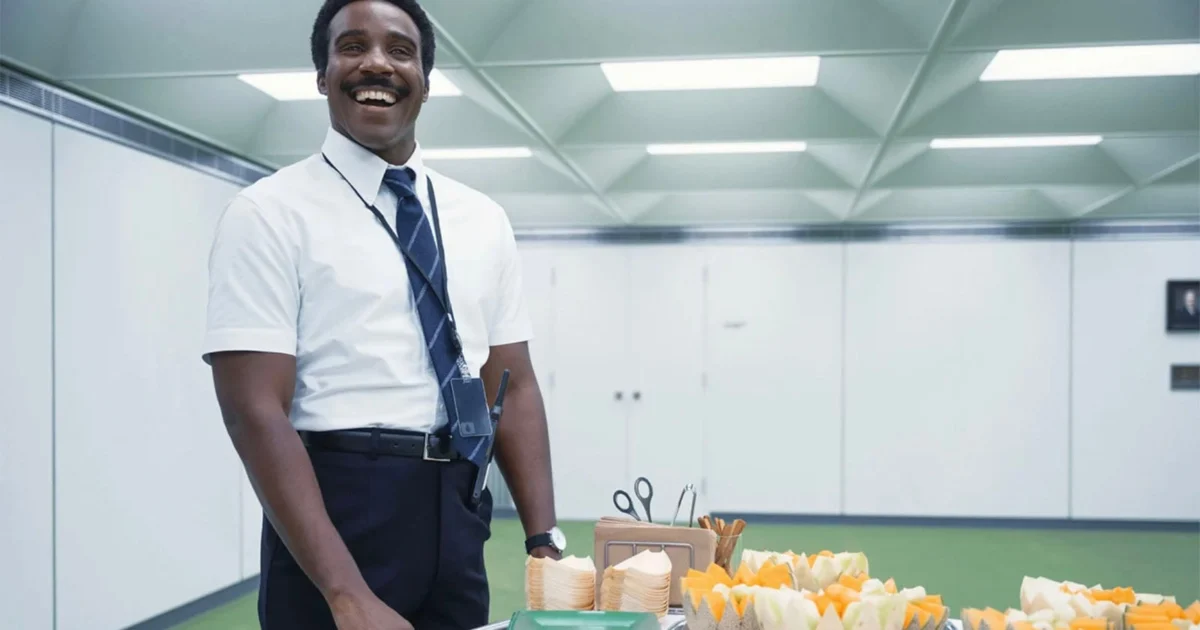
Critics have been quick to point out the dissonance between the scale of the problem and the proposed solutions. Comparisons have been drawn to the Apple TV+ series Severance, where employees are pacified with trivial rewards—like "melon bars"—in exchange for performing soul-crushing, mysterious work. The increase in the snack budget is seen by many as a superficial bandage on a deep structural wound.
Broader Implications for the Tech Industry
Meta’s current struggles are a bellwether for the broader technology sector. As the "AI gold rush" continues, other Silicon Valley giants are likely to face similar internal revolts. The tension at Meta highlights a paradox of the modern tech economy: the very people capable of building the next generation of automation are the ones most threatened by its implementation.
From a financial perspective, Meta’s pivot to AI has been rewarded by Wall Street, with stock prices remaining resilient despite internal unrest. However, long-term sustainability depends on the retention of high-level talent. If Meta becomes known as a "data-labeling factory" rather than a hub for innovation, it may struggle to attract the next generation of visionary engineers.
Furthermore, the use of employee data to train replacement AI raises significant questions regarding intellectual property and labor rights. If an engineer’s "workflow" is captured and replicated by an AI, who owns the output of that AI? As Meta continues to push the boundaries of internal surveillance, it may find itself at the center of landmark labor disputes that could redefine the relationship between tech workers and their employers.
Analysis: Can Culture Be Bought with Perks?
The attempt to "rekindle the culture" through increased travel funds and better snacks suggests a leadership team that may be out of touch with the fundamental shift in the labor market. The dissatisfaction at Meta is not rooted in a lack of amenities; it is rooted in a lack of agency.
When employees feel that their contributions are being harvested to facilitate their own obsolescence, no amount of "free food" is likely to restore loyalty. The "vibes are off" because the fundamental social contract of Silicon Valley—high-pressure work in exchange for the chance to build the future—has been disrupted. At Meta, the "future" being built is one where the human worker is an increasingly optional component.
As the company moves into the second half of 2026, the success of the AI transition will likely be measured not just in model accuracy or server efficiency, but in whether Meta can stop the "brain drain" of its most talented individuals. For now, the "gulag" sentiment persists, and the increased snack budget remains a symbol of the growing gap between executive strategy and employee reality.
The coming months will determine if Bosworth’s memo and the subsequent policy shifts can truly "rekindle the best of the culture," or if they are merely the final, superficial gestures of a company that has fundamentally outgrown its human foundation. Meta’s journey serves as a cautionary tale for the AI era: while machines can be programmed to perform tasks, they cannot be programmed to provide the morale, creativity, and loyalty that have historically driven the world’s most successful companies.

