


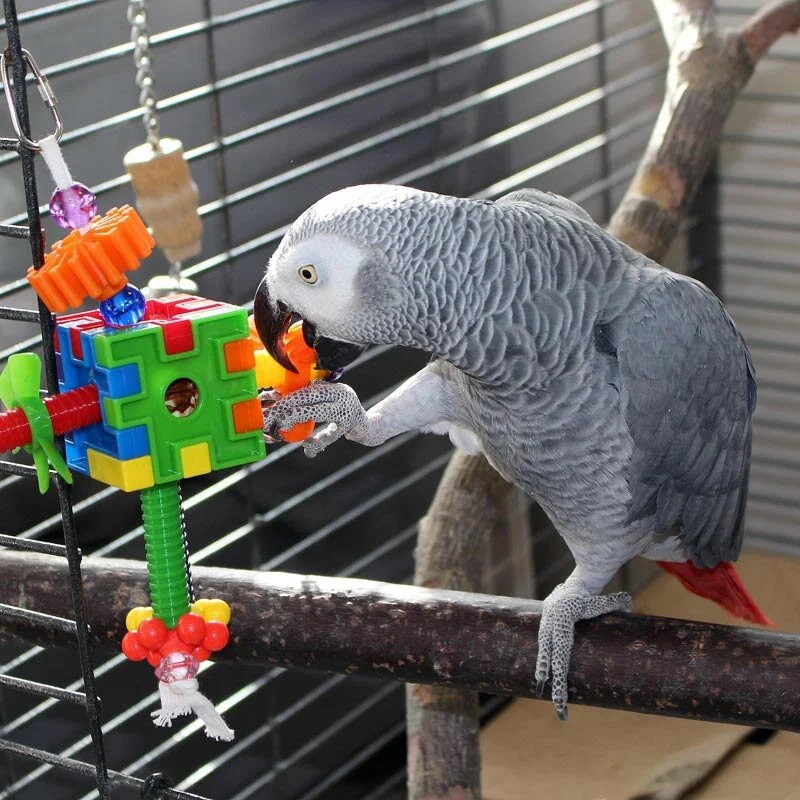
The avian care community is anticipating a significant educational event as Michiko Berceau, a highly respected Certified Veterinary Technician and Certified Wildlife Rehabilitator, prepares to host a webinar titled "Zookeeper Notes: Enriching the Whole Parrot" on Friday, May 29, 2026, at 12:00 p.m. PST. This session promises to be an invaluable resource for parrot owners, avian enthusiasts, and veterinary professionals seeking to deepen their understanding of comprehensive avian enrichment. The webinar, presented under the aegis of a prominent name in pet bird care, will delve into the intricate world of parrot welfare, focusing on strategies that engage every facet of a bird’s being – from its cognitive abilities to its sensory experiences, manipulative skills, and crucial social needs. The ultimate goal is to foster a more profound and positive state of avian wellbeing for parrots within family environments.
A Deep Dive into Avian Enrichment: Beyond Basic Care
Animal enrichment, at its core, is the process of providing animals with stimulating environments and activities that encourage natural behaviors, improve physical health, and enhance psychological wellbeing. For parrots, intelligent and complex creatures often kept in environments vastly different from their natural habitats, enrichment is not merely a luxury but a fundamental necessity. Historically, animal care focused primarily on providing food, water, and shelter. However, advancements in ethology, veterinary science, and zoological practices over the past several decades have underscored the critical importance of mental and physical stimulation. The concept of enrichment gained significant traction in zoos and wildlife rehabilitation centers, where the goal was to mitigate stereotypic behaviors (repetitive, functionless actions) and improve the overall quality of life for captive animals. This philosophy has increasingly extended to companion animals, particularly those with high cognitive abilities like parrots.
Without adequate enrichment, parrots are prone to developing a range of behavioral problems, including feather plucking, self-mutilation, aggression, incessant screaming, and lethargy. These issues are often direct manifestations of boredom, stress, and a lack of outlets for their innate instincts. The webinar "Zookeeper Notes: Enriching the Whole Parrot" aims to bridge this gap by offering practical, evidence-based approaches to creating stimulating environments that cater to the multifaceted needs of these remarkable birds. Attendees will learn how to move beyond basic cage setups to implement a dynamic and engaging daily routine that profoundly impacts their parrot’s health and happiness.
The Pillars of Parrot Wellbeing: Cognitive, Sensory, Manipulative, and Social Needs
Michiko Berceau’s presentation will meticulously explore the four critical domains of parrot enrichment: cognitive, sensory, manipulative, and social. Understanding and addressing each of these pillars is essential for holistic avian care.
Cognitive Enrichment: Parrots are renowned for their intelligence, often compared to that of a human toddler. Their capacity for problem-solving, learning, and memory is extraordinary. Cognitive enrichment involves activities that challenge their minds and encourage mental dexterity. This can include puzzle toys that require manipulation to access treats, training sessions that teach new commands or tricks, and opportunities for novel experiences that stimulate curiosity. For instance, rotating toys regularly, introducing new textures or objects, and engaging in interactive games like "hide and seek" with treats can significantly enhance a parrot’s cognitive engagement. Teaching a parrot to identify shapes, colors, or even basic words also falls under this category, fostering mental agility and strengthening the bond with their caregiver. The absence of cognitive stimulation can lead to frustration and destructive behaviors, as intelligent birds will find ways to occupy themselves, often to the detriment of their own feathers or the household furniture.
Sensory Enrichment: Parrots perceive the world through a rich tapestry of senses – sight, sound, touch, and even smell. Sensory enrichment aims to provide a varied and stimulating sensory landscape.
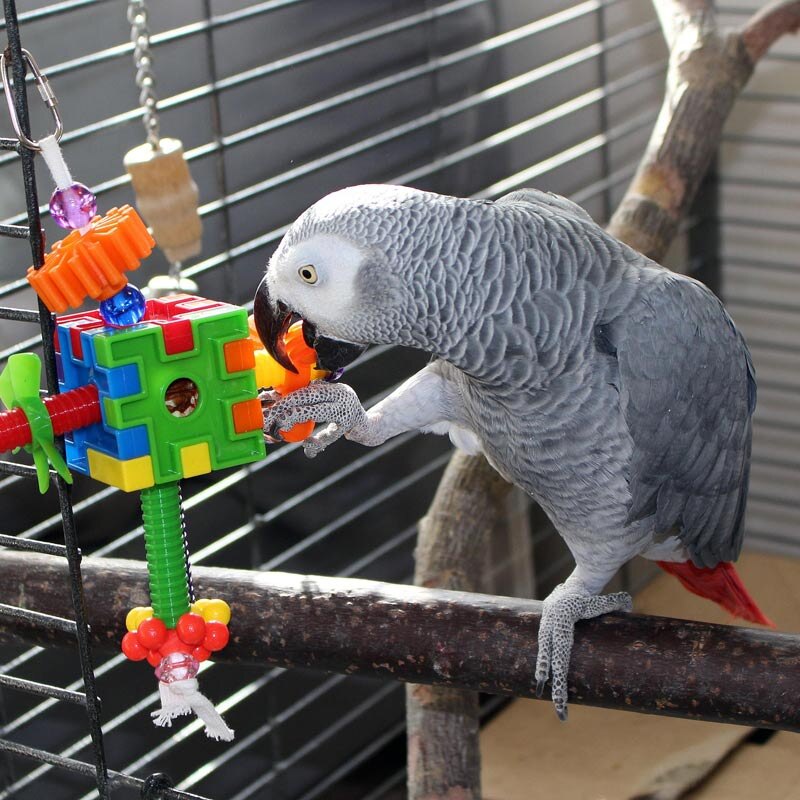
- Visual: Changing the cage arrangement, introducing new toys with different colors and shapes, or allowing the bird to observe different environments (e.g., watching outside a window safely) can provide visual stimulation.
- Auditory: Playing various sounds, from natural bird calls to classical music or even engaging in conversations, can stimulate their auditory sense. It’s crucial, however, to avoid overwhelming them with constant loud noises.
- Tactile: Offering a variety of perches made from different natural materials (wood, rope, cement, natural branches) with varying textures and diameters allows for foot exercise and comfort. Shredding toys, natural branches for chewing, and opportunities for bathing (misting, shallow water dishes) also provide tactile satisfaction.
- Olfactory: While not as dominant as in some other species, parrots do possess a sense of smell. Introducing safe, natural scents, such as fresh herbs or untreated wood, can offer subtle olfactory stimulation.
Manipulative Enrichment: Parrots are highly skilled with their beaks and feet, using them to explore, climb, forage, and manipulate objects in their environment. Manipulative enrichment focuses on providing opportunities for these natural behaviors. Foraging is perhaps the most crucial manipulative activity for parrots. In the wild, they spend a significant portion of their day searching for food. Replicating this by hiding food in foraging toys, cardboard boxes, or paper bags encourages natural problem-solving and reduces the likelihood of boredom-induced behaviors. Shredding toys made from paper, cardboard, or untreated wood satisfy their innate need to chew and destroy, which is vital for beak health and mental stimulation. Climbing structures, swings, and ropes also allow them to exercise their powerful feet and legs, essential for physical fitness.
Social Enrichment: Parrots are inherently social animals, forming complex flocks and pair bonds in the wild. In a home environment, the human caregiver often becomes their primary flock member. Social enrichment involves meaningful interaction with their human companions or, where appropriate and safe, with other compatible parrots. This includes daily interaction, talking to them, cuddling (if the bird enjoys it and it’s done appropriately to avoid hormonal stimulation), playing games, and simply being present. For single birds, the caregiver’s role in fulfilling social needs is paramount. For multi-bird households, ensuring positive interactions and preventing aggression is key. Understanding a parrot’s body language and respecting its boundaries are crucial for fostering a healthy social bond. Lack of social interaction can lead to loneliness, anxiety, and behavioral problems.
Meet the Expert: Michiko Berceau, A Leading Voice in Animal Care
The caliber of this webinar is significantly elevated by the expertise of its presenter, Michiko Berceau. Her impressive credentials and extensive practical experience make her an authoritative voice in the field of avian and exotic animal care. With over 18 years dedicated to wildlife, zoo, and exotic animal care, Berceau brings a wealth of hands-on knowledge and scientific understanding to the discussion. Her background as a Certified Veterinary Technician (CVT) signifies a rigorous education and demonstrated proficiency in animal nursing, diagnostics, surgical assistance, and client education, often working closely with veterinarians to provide high-quality medical care.
Furthermore, her status as a Certified Wildlife Rehabilitator (CWR), specializing in native wildlife rehabilitation, highlights her deep understanding of natural animal behaviors, ecological needs, and the complex process of returning injured or orphaned wild animals to their natural environments. This experience provides invaluable insight into the innate instincts and needs of birds, which are often retained even in captive parrots. Berceau holds a Bachelor of Applied Science (BAS) in Veterinary Technology, demonstrating a robust academic foundation in the scientific principles underlying animal health and welfare. Her commitment to continuous learning is evidenced by over 400 hours of continuing education, ensuring her knowledge remains current with the latest advancements in veterinary medicine and animal behavior. Perhaps most notably, she is permitted to rehabilitate Migratory Bird Treaty Act-protected species, a testament to her specialized knowledge and compliance with stringent federal regulations concerning sensitive avian populations. This comprehensive background uniquely positions her to speak on the holistic enrichment of parrots, drawing from both clinical practice and a profound appreciation for their naturalistic requirements.
The Host: Lafeber Company’s Commitment to Avian Health
This webinar is hosted by Lafeber Company, a name synonymous with excellence in avian nutrition and education for over four decades. Founded by Dr. T.J. Lafeber, an avian veterinarian pioneer, the company has a long-standing commitment to improving the health and wellbeing of companion birds through scientifically formulated diets and educational initiatives. Dr. Lafeber developed the first pelleted diets for birds, revolutionizing avian nutrition by ensuring a complete and balanced intake, a significant improvement over traditional seed-only diets that often led to nutritional deficiencies.
Lafeber Company’s mission extends beyond manufacturing premium bird food; it encompasses a broader dedication to avian research, veterinary education, and empowering pet owners with accurate, up-to-date information. By hosting webinars featuring experts like Michiko Berceau, Lafeber continues its tradition of supporting the avian community, fostering responsible pet ownership, and advancing the standards of care for companion birds. This partnership underscores the importance of the topic, bringing together a leading expert with a trusted platform dedicated to avian welfare. Such collaborations are crucial in disseminating vital information to a wide audience, ensuring that pet owners have access to the best available knowledge.
Addressing Common Challenges in Captive Parrot Care

The need for comprehensive enrichment strategies is underscored by the prevalence of behavioral and health issues in captive parrots. Statistics from avian veterinary practices and animal welfare organizations consistently highlight issues such as feather destructive behavior (FDB), which can affect up to 10-15% of certain parrot species, particularly African Greys and Cockatoos. FDB is often a complex issue with multiple contributing factors, but a lack of environmental stimulation and appropriate behavioral outlets is frequently identified as a significant psychological component. Other common problems include chronic screaming, biting, and aggression, often rooted in frustration, anxiety, or unmet social needs.
A survey conducted by the Association of Avian Veterinarians (AAV) indicated that behavioral problems are among the top reasons for owners seeking veterinary care for their parrots, and a significant factor in birds being rehomed or relinquished to rescues. The longevity of parrots, with many species living for 30 to 80 years or more, means that poor husbandry and lack of enrichment can lead to decades of compromised welfare. By focusing on preventative measures through enrichment, caregivers can significantly reduce the incidence of these distressing behaviors, leading to healthier, happier birds and stronger human-animal bonds. The webinar’s emphasis on "enriching the whole parrot" directly addresses these challenges by providing actionable strategies to mitigate and prevent such issues.
The Broader Implications for Avian Welfare
The "Zookeeper Notes: Enriching the Whole Parrot" webinar holds significant implications not only for individual parrot owners but for the broader avian welfare landscape. By empowering caregivers with advanced knowledge and practical tools, the initiative contributes to a higher standard of care across the companion bird community. This elevated standard can lead to several positive outcomes:
- Improved Pet-Owner Relationships: When parrots are well-adjusted and engaged, their interactions with humans are more positive and rewarding, fostering deeper bonds and mutual understanding.
- Reduced Relinquishment Rates: Behavioral problems are a leading cause of birds being surrendered to rescue organizations. By equipping owners with the knowledge to address and prevent these issues, such educational programs can help keep more birds in loving homes.
- Advancement of Avian Husbandry: The webinar reinforces the idea that parrot ownership is a long-term commitment requiring dedication to their complex needs, promoting responsible pet ownership practices. It encourages a shift from mere survival to thriving.
- Support for Rescue Organizations: Fewer relinquished birds mean fewer birds in need of rescue, allowing these organizations to focus resources on the most critical cases and advocate for broader policy changes.
- Scientific Validation: The webinar draws upon scientific principles and zoological practices, further validating the importance of evidence-based approaches to animal care.
In an era where pet welfare is increasingly scrutinized and understood, initiatives like this webinar play a crucial role in advancing the ethical treatment and optimal care of companion animals. It underscores a growing awareness that animals, particularly intelligent species like parrots, require more than just basic sustenance; they need an environment that fosters mental stimulation, emotional security, and the opportunity to express natural behaviors.
Registration Details and Anticipation
Attendees are encouraged to mark their calendars for Friday, May 29, 2026, at 12:00 p.m. PST. Given the specialized nature of the content and the esteemed presenter, early registration is highly recommended to secure a spot in this insightful session. A time zone converter link is provided for participants outside the Pacific Standard Time zone, ensuring accessibility for a global audience. The format of the webinar typically allows for interactive Q&A sessions, providing a unique opportunity for attendees to directly engage with Michiko Berceau and gain personalized insights into their specific parrot care questions. The anticipation for this event within the avian community is palpable, reflecting a collective desire among owners and professionals to continually enhance the lives of their feathered companions. This webinar represents a pivotal opportunity for anyone involved in avian care to elevate their knowledge and practice, ensuring that every parrot has the chance to live a truly enriched and fulfilling life.

