


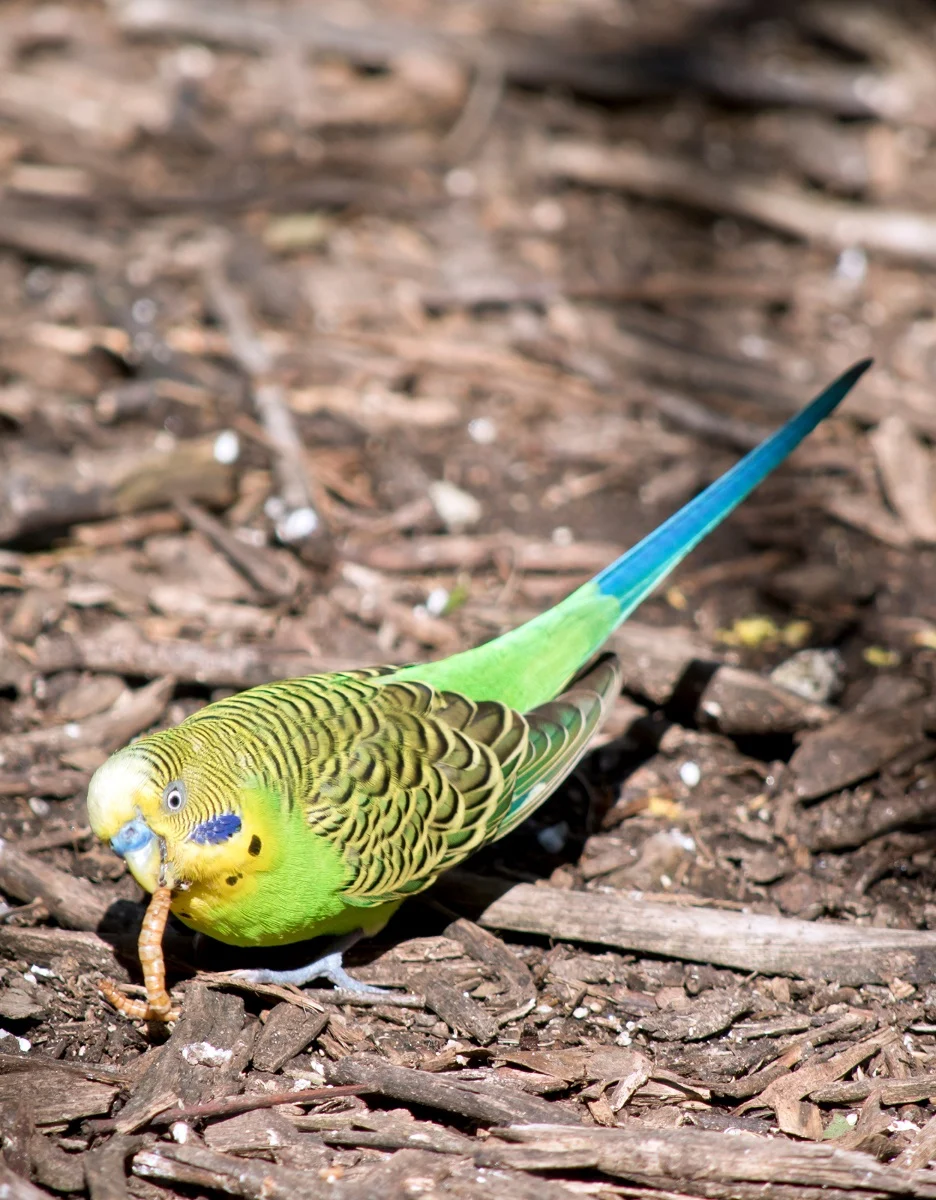
Budgerigar parakeets, affectionately known as budgies, are beloved companions in homes worldwide, known for their vibrant plumage and cheerful chirps. Central to their longevity and well-being is a meticulously crafted diet, extending far beyond the conventional seed mix often provided. A varied and nutritious diet is paramount for budgie health, influencing everything from feather quality to energy levels and disease resistance. Understanding which human-grade foods are safe to offer, and critically, which are strictly off-limits, is a fundamental responsibility for every budgie owner. This guide delves into the specifics of broadening your budgie’s culinary horizons with safe household items and highlights essential foods to avoid.
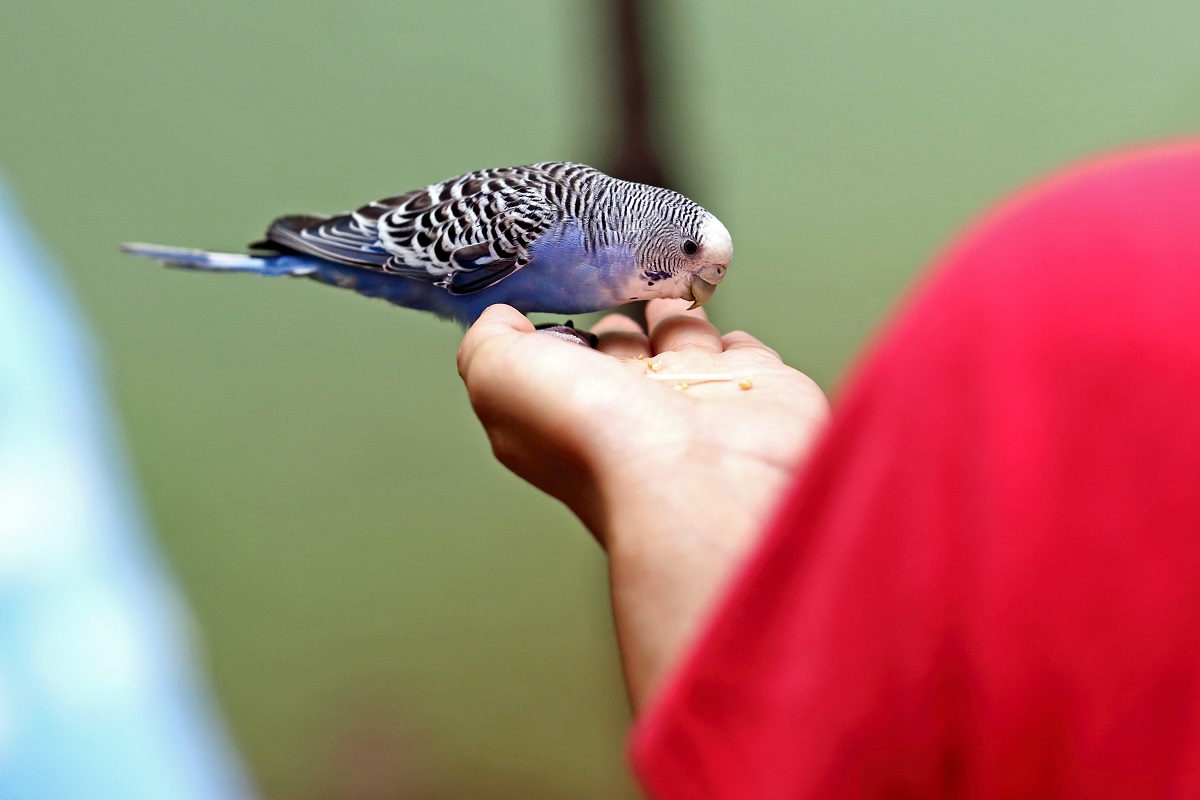
The Evolutionary Diet of Budgerigars
To truly appreciate the dietary needs of a captive budgie, it is essential to consider their natural habitat. Originating from the arid grasslands of Australia, wild budgerigars primarily subsist on grass seeds, particularly those of spinifex and other native grasses. Their diet is naturally diverse, shifting with seasonal availability, and occasionally supplemented with insects, native fruits, and greens. This ancestral diet, rich in various seeds, forages, and occasional protein, stands in stark contrast to the often monotonous, high-fat, and nutritionally incomplete seed-only diets commonly offered in captivity. The transition from a varied natural diet to a restricted captive one often leads to significant health issues, underscoring the necessity for owners to emulate dietary diversity.
The Cornerstone of Captive Budgie Health: Dietary Variety
For captive budgies, a diverse diet is not merely a luxury but a necessity for preventing a myriad of health complications. An exclusive diet of commercial seed mixes, while convenient, is often high in fat and deficient in vital vitamins (A, D, K), minerals, and amino acids. This imbalance can lead to severe health problems such as obesity, fatty liver disease (hepatic lipidosis), kidney disease, respiratory issues, and weakened immune systems. Avian veterinarians universally advocate for a diet composed primarily of high-quality pellets (approximately 60-70%), supplemented with fresh vegetables (20-30%), a small amount of fruit (5-10%), and very limited seeds or human-grade treats. Introducing a variety of safe human foods serves to enrich their diet, provide essential nutrients, and stimulate their natural foraging instincts, which is crucial for their mental and physical well-being.
Safe Household Staples: Expanding Your Budgie’s Menu
Many common household items, when prepared correctly, can serve as excellent, nutritious additions to a budgie’s diet. The key principle is to offer natural, single-ingredient foods free from added salt, sugar, fats, or preservatives.
Grains and Seeds for Budgies
- Bread (Whole-Wheat): While not a primary food source, small, plain pieces of whole-wheat bread, devoid of sugar, salt, or excessive fats, can be offered occasionally. It provides carbohydrates and some fiber. Avoid processed white bread or brioche.
- Sunflower Seeds (Unsalted): A favorite treat, but due to their high-fat content, unsalted sunflower seeds should be given sparingly, primarily as a training reward. They are an excellent source of vitamin E and B vitamins.
- Chia Seeds: These tiny powerhouses are exceptionally healthy, packed with Omega-3 fatty acids, fiber, and antioxidants. Budgies can enjoy them dry, sprinkled over their regular food (about 1/4 teaspoon), or as part of a water-soaked pudding.
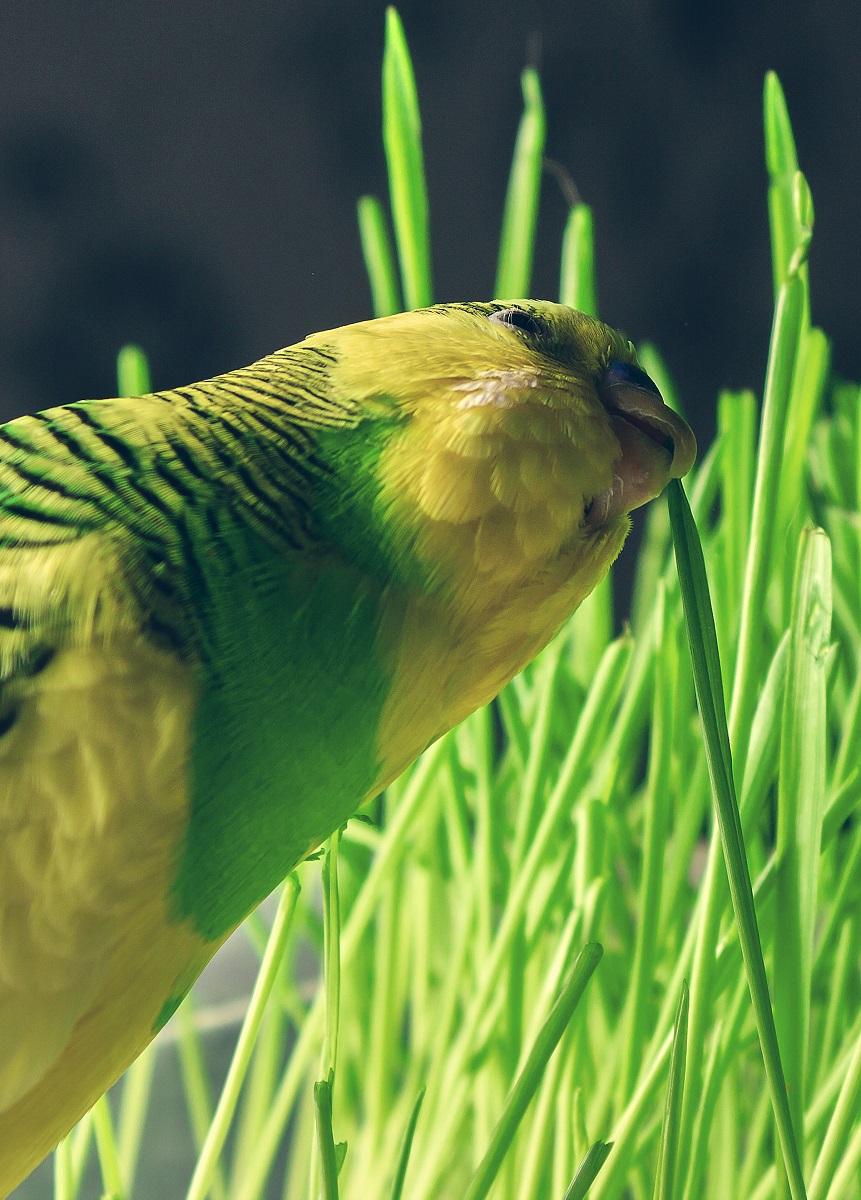
- Wheatgrass: A highly nutritious green that can be a regular part of a budgie’s diet. Both the seeds and sprouted wheatgrass offer vitamins and minerals. Sprouting wheatgrass through a mesh prevents soil ingestion, which can carry bacteria or mold.
- Pumpkin Seeds (Unsalted): Similar to sunflower seeds, unsalted pumpkin seeds are a high-fat treat. Offer them in moderation, perhaps half a seed at a time. Budgies may need assistance in shelling larger pumpkin seeds.
- Hemp Seeds: Often found in commercial bird seed mixes, hemp seeds are rich in Omega-3 and Omega-6 fatty acids, promoting healthy feathers and skin. Ensure they are human-grade and free of psychoactive compounds.
- Rolled Oats: Plain, rolled, or steel-cut oats are a beneficial addition. They can be offered dry or soaked in water. Unsweetened almond milk can be used, but be mindful of stickiness around the beak. Oats provide complex carbohydrates and fiber.
- Quinoa: This ancient grain, a member of the Amaranth family, is safe and nutritious for budgies. It can be served cooked or uncooked, offering a complete protein source and a range of micronutrients. White, red, and black varieties are all suitable.
Nuts and Legumes
- Peanut Butter (Natural, Unsalted): A small dollop of natural, unsalted peanut butter (containing only peanuts and minimal salt) can be a useful tool for enrichment or training. Its high-fat content necessitates strict moderation. It can be smeared on new toys or perches to encourage exploration.
- Cashews (Unsalted): Unsalted cashews are safe in very small quantities due to their high-fat content. A quarter of a crushed cashew nut is a sufficient treat, providing healthy fats and minerals.
- Almonds (Unsalted): Like cashews, unsalted almonds are safe but should be offered sparingly. A quarter of an almond, chopped into small pieces, is adequate. Raw almonds can also be sprouted to enhance their nutritional value.
- Peanuts (Human-Grade, Unsalted): While historically debated due to mold concerns, high-quality, human-grade, unsalted peanuts are safe in small amounts. Offering them in the shell with a small opening can encourage natural foraging behaviors.
Proteins and Miscellaneous
- Boiled Eggs: A valuable source of protein and calcium, especially beneficial for laying hens or molting birds. Plain, hard-boiled eggs, or scrambled eggs without oil or salt, can be offered in small portions.
- Chicken (Plain, Cooked): Budgies can consume small pieces of plain, unseasoned, cooked chicken breast or thigh. While not a dietary staple, it can provide an occasional protein boost, particularly for birds with higher protein needs.
- Cheerios (Plain): Plain, unsweetened Cheerios, made primarily from whole-grain oats and corn starch, can be offered in tiny amounts occasionally. Their minimal sugar and salt content make them a better option than most cereals, but they are still a treat.
- Dried Fruit (Additive-Free): Only dried fruits free of added sugars or preservatives are suitable. Candied or sulfur-treated fruits should be avoided. Due to concentrated natural sugars, dried fruit should be given in very small quantities. Owners with dehydrators can prepare bird-safe dried fruits at home.
- Pasta (Plain, Cooked or Dry): Plain, unsalted pasta, ideally whole-wheat, can be offered cooked or dry. Dry pasta pieces can also serve as edible enrichment toys. Alternatives made from lentils or corn are also acceptable.
- Pine Nuts (Unsalted): These small, creamy nuts are safe for budgies in very limited, unsalted quantities, adhering to the same rules as other nuts.
- Popcorn (Plain, Air-Popped): Plain, air-popped popcorn (without butter, salt, or sugar) is a delightful treat and can double as an enrichment toy. Budgies often enjoy its light, crunchy texture.
Critical Avoidances: Foods Dangerous to Budgies
Just as important as knowing what to feed is knowing what to avoid. Certain foods are explicitly toxic, while others are simply unhealthy and can lead to long-term health problems.
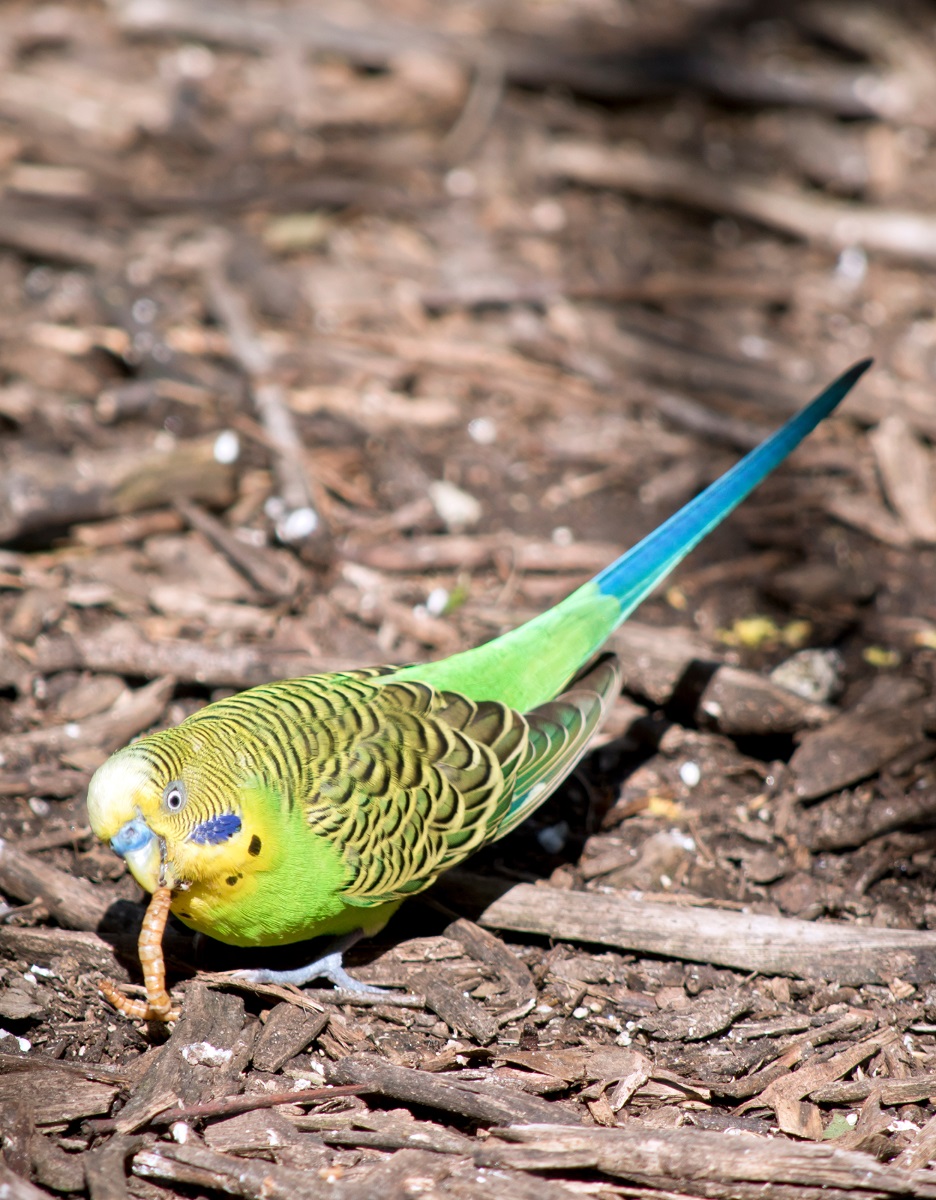
Explicitly Toxic Foods
- Avocado: This is one of the most dangerous foods for budgies and many other pets. Avocado contains persin, a fungicidal toxin that can cause respiratory distress, weakness, and sudden death in budgies, even in small amounts. Immediate veterinary attention is required if ingested.
- Chocolate: Containing theobromine and caffeine, chocolate is highly toxic to budgies. These compounds can cause hyperactivity, tremors, seizures, heart problems, and be fatal. Keep all chocolate products far out of reach.
- Honey: While often perceived as natural and healthy, honey carries a risk of botulism bacteria, which can produce toxins deadly to birds. Furthermore, its high sugar content is detrimental to a budgie’s delicate system.
- Other Toxins: A range of other common household items are toxic, including alcohol, coffee, tea (herbal tisanes like chamomile are generally safe), onions, garlic, apple seeds (which contain cyanide), and anything sweetened with xylitol.
Unhealthy Processed Foods and Other Avoidances
- Chips (Potato/Corn): Highly processed potato and corn chips are laden with excessive salt, unhealthy fats, artificial flavorings, and preservatives. These ingredients are extremely detrimental to a budgie’s health, leading to obesity, kidney problems, and other metabolic disorders.
- Aloe Vera (Leaves): Although the clear gel from the center of an Aloe vera leaf is safe, the outer green leaf contains aloin, a yellowish compound with strong laxative properties. Ingesting aloin can cause severe digestive upset in budgies.
- Ice Cream: Budgies, like most birds, are lactose intolerant and cannot properly digest dairy products. Ice cream is also excessively high in sugar and unhealthy fats, making it a very poor choice that will cause digestive upset.
- Cheese: While some hard cheeses have lower lactose levels, all cheeses are high in fat and salt, making them unsuitable for budgies. Soft cheeses are particularly problematic due to higher lactose content. Offering cheese can lead to digestive issues and contribute to obesity.
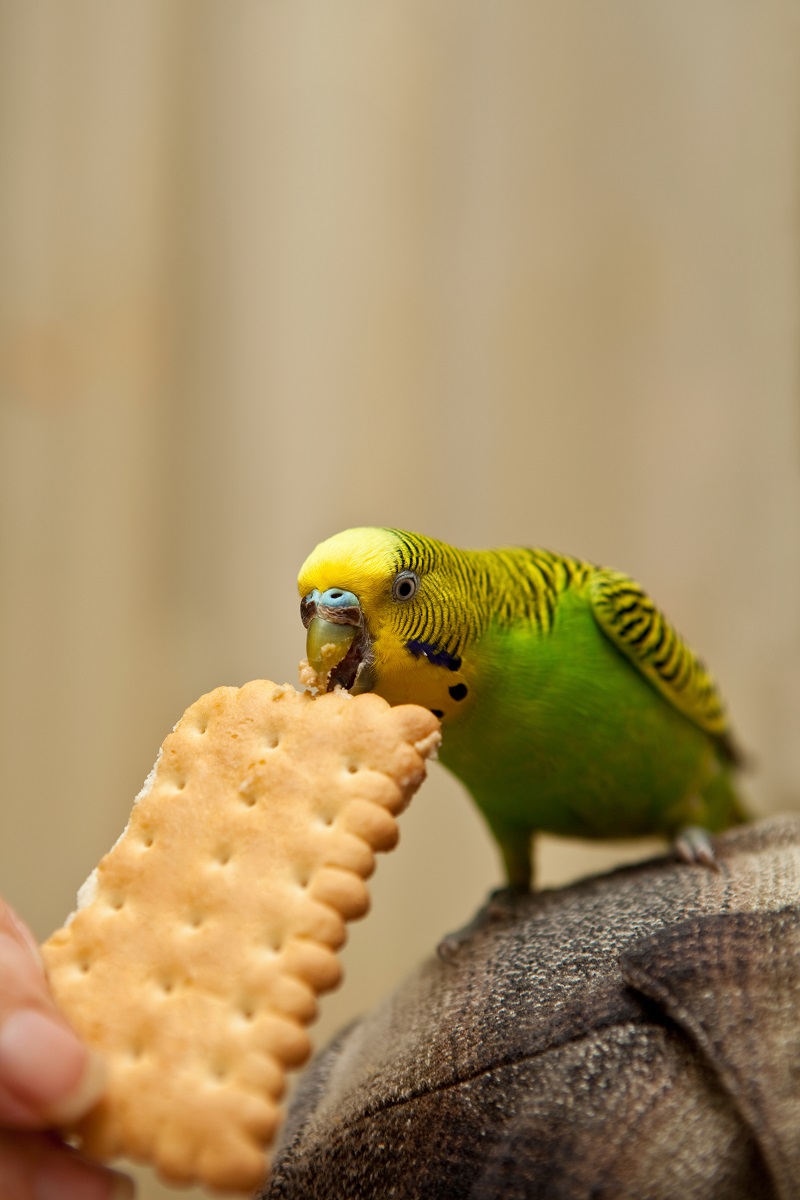
- Crackers: Savory crackers, often made with vegetable oils and sea salt, are not overtly toxic but are nutritionally poor. Their high fat and salt content make them an unhealthy treat that should not be offered regularly.
- Biscuits/Cookies: Whether referring to American-style savory biscuits or British-style sweet cookies, these processed foods are typically high in sugar, unhealthy fats, and artificial ingredients. They offer no nutritional benefit and contribute to poor health outcomes.
Expert Consensus and Best Practices
Avian veterinarians consistently emphasize that a budgie’s primary diet should consist of high-quality, species-appropriate pellets. This foundation ensures a balanced intake of essential vitamins and minerals. Fresh, diverse vegetables should constitute the bulk of supplementary foods, offering hydration, fiber, and a wide array of micronutrients. Fruits should be given sparingly due to their higher sugar content. Human-grade "snacks" should be considered treats and offered in strict moderation, primarily for enrichment or training, never replacing core dietary components. Regular veterinary check-ups are also crucial to monitor your budgie’s health and address any diet-related concerns promptly.
The Broader Impact: Enhancing Budgie Well-being Beyond the Bowl
Providing a thoughtful and varied diet extends beyond mere sustenance; it significantly enhances a budgie’s overall well-being. A nutritious diet supports a strong immune system, promotes vibrant feathering, and contributes to mental stimulation through the act of foraging and exploring different textures and tastes. By offering a diverse range of safe foods, owners can mitigate the risks of common diet-related illnesses, reduce boredom, and foster a more engaged and energetic companion. Informed feeding choices are a testament to responsible pet ownership, leading to a healthier, happier, and longer life for these small, intelligent birds.
In conclusion, while budgies are incredibly adaptable creatures, their health is profoundly influenced by their diet. Moving beyond traditional seed mixes to incorporate a variety of safe, natural human foods, while rigorously avoiding harmful substances, is a critical step in providing optimal care for your feathered friend.
Sources & Further Reading:
Harrison, G. J., & Lightfoot, T. L. (2006). Clinical Avian Medicine Vol II. Spix Publishing, Inc., West Palm Beach, FL, 18(222), 426.
Renner, T., Redon, C., Graziano, J., Ness, S., Barrett, A., & Young, E. Aspergillosis: A Respiratory Fungal Disease in Companion Parrots Authors in Order of Written Contribution.

