


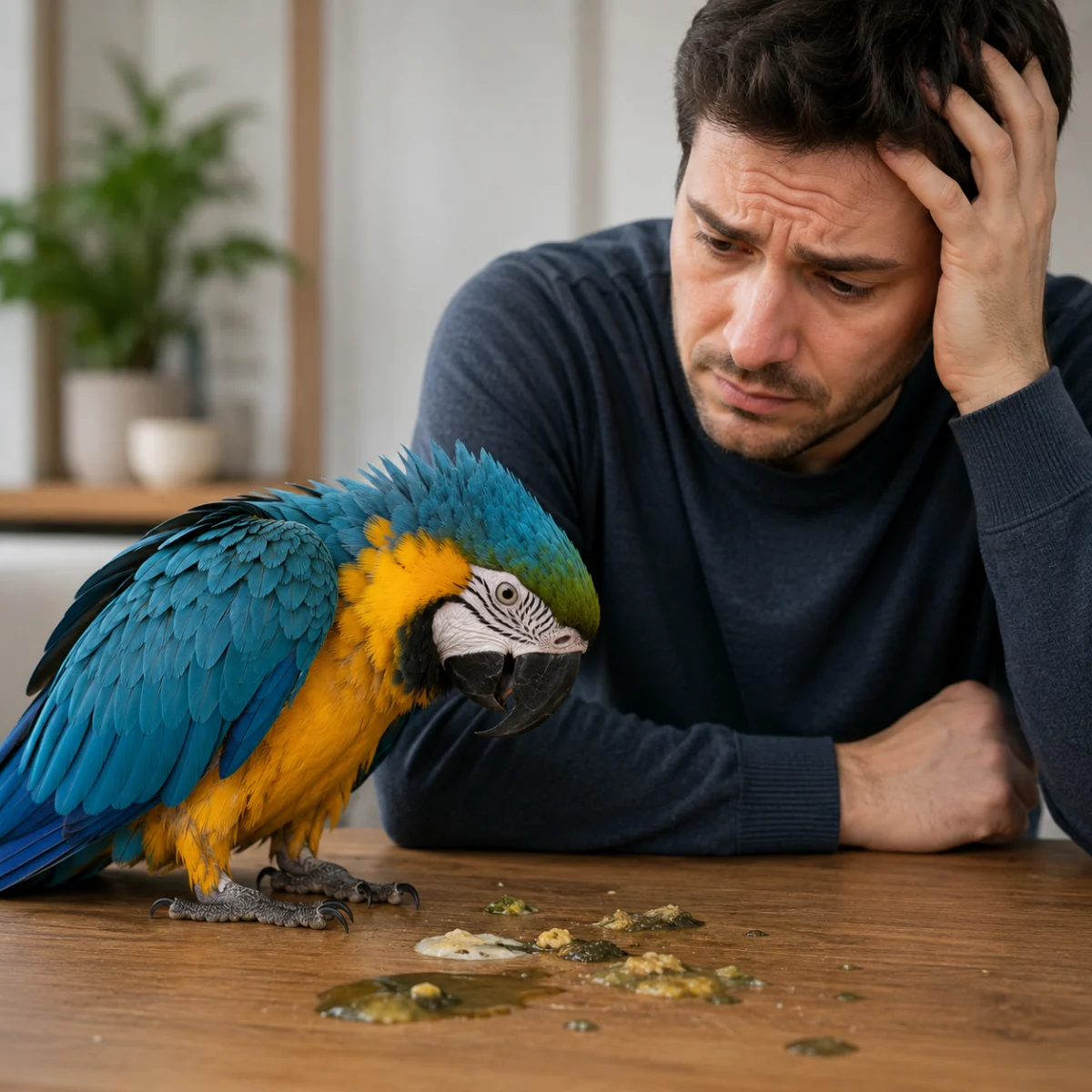
Digestive health is a cornerstone of overall well-being for pet birds, yet symptoms can often be subtle, confusing, or rapidly progressive. Understanding the nuances of avian physiology and behavior is crucial for owners to differentiate between benign dietary changes and indicators of serious underlying illness. This guide aims to provide a robust framework for recognizing and appropriately responding to abnormal droppings and other digestive signs in companion birds, emphasizing the critical role of timely veterinary intervention when necessary.
The Unique Physiology of Avian Excrement: Watery Droppings vs. True Diarrhea
Unlike mammals, birds excrete feces, urine, and urates simultaneously through a single opening, the cloaca. This unique anatomical arrangement means that what appears to be "watery poop" may not always be true diarrhea. A bird’s dropping typically consists of three components: a solid, coiled fecal portion (ranging in color from green to brown depending on diet), a white or creamy urate portion (composed of uric acid salts), and a clear, liquid urine portion.
-
Polyuria (Excessive Urine): This is characterized by an increase in the clear, liquid component surrounding a otherwise well-formed fecal portion and normal urates. Polyuria is often less concerning and can stem from various factors. Dietary influences, such as increased consumption of watery fruits, vegetables, or fresh greens, are common culprits. Stress, a frequently underestimated factor in avian health, can also lead to temporary increases in water intake and subsequent polyuria. Furthermore, a bird might simply be drinking more water than usual due to environmental temperature changes or increased activity. While generally less alarming, persistent polyuria not attributable to diet or stress can indicate underlying kidney disease, diabetes, or other metabolic disturbances, warranting observation.
-
True Diarrhea: In contrast, true diarrhea involves an abnormal, unformed, and often excessively liquid fecal component. The solid fecal matter itself is poorly formed, mushy, or completely liquid, indicating a disturbance in the intestinal tract’s ability to absorb water and nutrients. This condition is far more serious than polyuria, as it directly reflects compromised digestive function. True diarrhea can lead to rapid dehydration, electrolyte imbalances, and malabsorption, significantly impacting a bird’s health and vitality. When true diarrhea is observed, especially if accompanied by changes in appetite, lethargy, or ruffled plumage, immediate veterinary consultation is imperative.
The Alarming Presence of Undigested Food: Indicators of Malabsorption and Mal-digestion
The appearance of recognizable, undigested food particles—be it seeds, pellets, or pieces of chop—in a bird’s droppings is a significant red flag. A healthy avian digestive system is highly efficient, designed to break down food into its most basic components before excretion. The process involves mechanical grinding in the gizzard and chemical digestion in the proventriculus and intestines. When this process fails, it suggests a fundamental problem with digestion or absorption.
Owners often report seeing whole seeds, identifiable fragments of pellets, or other food items in the fecal portion. This symptom should never be dismissed as a minor issue. It can point to a range of serious conditions, including:
- Proventricular Dilatation Disease (PDD): Also known as Macaw Wasting Disease, PDD is a viral infection (Avian Bornavirus) that attacks the nerve supply to the proventriculus and gizzard, severely impairing their ability to digest food. Affected birds often eat voraciously but progressively lose weight due to malabsorption.
- Bacterial or Fungal Infections: Overgrowths of pathogenic bacteria (e.g., Megabacteria / Macrorhabdus ornithogaster) or fungi can disrupt the normal digestive flora and mucosal lining, leading to malabsorption.
- Parasitic Infestations: Internal parasites such as Giardia or Coccidia can irritate the intestinal tract, causing inflammation and impaired nutrient uptake.
- Pancreatic Insufficiency: While less common in birds than in mammals, a dysfunctional pancreas can lead to inadequate enzyme production necessary for digestion.
- Foreign Body Obstruction: Ingested foreign materials (e.g., rope fibers, toy pieces) can irritate or partially obstruct the digestive tract, impeding normal passage and digestion.
- Chronic Enteritis or Gut Disease: Persistent inflammation of the intestines can reduce their absorptive capacity.
The presence of undigested food, particularly when combined with other clinical signs such as weight loss, vomiting, lethargy, or neurological changes, necessitates urgent consultation with an avian veterinarian. Delaying diagnosis and treatment can lead to severe malnutrition, organ damage, and ultimately, a fatal outcome.
Decoding Dropping Colors: A Visual Diagnostic Tool
The color of a bird’s droppings offers valuable insights into its health, but it must always be interpreted in conjunction with diet, behavior, and the consistency of the dropping.
-
Green Droppings:
- Dietary Green: A common and benign cause is the consumption of green leafy vegetables or other green-pigmented foods. If the bird is otherwise active and healthy, this is typically not a concern.
- Dark Green/Biliverdinuria: A more serious presentation is a dark green or lime-green fecal portion, often accompanied by a significant reduction in appetite or complete anorexia. This color change can indicate liver disease, systemic infection, or prolonged starvation, where bile pigments (biliverdin) are not properly processed or excreted. Biliverdinuria warrants immediate veterinary attention.
-
Yellow Urates: The white urate portion of the dropping should ideally be pure white or creamy. A yellow discoloration of the urates is a strong indicator of potential health issues. This can suggest:
- Liver Disease: Impaired liver function can lead to the accumulation of bilirubin, a yellow pigment, which is then excreted in the urates.
- Dehydration: Highly concentrated urine can sometimes appear yellowish.
- Systemic Infection: Certain infections can cause metabolic disturbances that result in yellow urates.
- Hemolysis: The breakdown of red blood cells, as seen in some toxicities or diseases, can also lead to yellow discoloration. Yellow urates, especially if persistent, are a clear signal to contact an avian vet.
-
Black or Tarry Stool (Melena): A very dark, almost black, sticky, and often shiny fecal component is highly concerning. This "tarry" appearance, known as melena, typically indicates the presence of digested blood originating from the upper gastrointestinal tract (e.g., crop, proventriculus, gizzard, upper intestine). Causes can include severe ulcers, foreign body trauma, heavy metal toxicity (e.g., lead poisoning), or internal bleeding. Melena is an urgent veterinary emergency.
-
Red in Droppings:
- Dietary Pigment: Consumption of red-pigmented foods like beets, cherries, or red peppers can temporarily color the droppings red. Owners should review recent dietary intake.
- Fresh Blood: The presence of bright red blood, either mixed with feces or as streaks, indicates bleeding in the lower gastrointestinal tract (e.g., cloaca, lower intestine) or reproductive tract. This can be caused by severe inflammation, trauma, cloacal prolapse, egg-laying complications, or severe infections. Any unexplained red discoloration that is not clearly dietary should be promptly evaluated by an avian veterinarian.
Distinguishing Regurgitation from Vomiting: Crucial Observations
While visually similar to an untrained eye, regurgitation and vomiting are distinct physiological processes with vastly different implications for a bird’s health. Accurately distinguishing between the two is vital for proper assessment.
-
Regurgitation: This is typically a voluntary, controlled action where a bird brings up contents from its crop or esophagus. It is often a natural behavior associated with:
- Bonding and Courtship: Many species regurgitate food to feed a mate or offspring. A bird may direct this behavior towards its owner or a favorite toy, exhibiting head bobbing, neck stretching, and often making soft noises before expelling partially digested, warm food.
- Crop Stasis (Minor): Occasionally, if the crop is overly full or digestion is slightly delayed, a bird might regurgitate some contents.
Regurgitation usually looks relatively clean, directed, and the bird generally appears otherwise healthy and alert immediately afterward.
-
Vomiting: This is an involuntary, forceful expulsion of food or fluid from the proventriculus, gizzard, or upper small intestine. Vomiting is almost always a sign of illness and is typically characterized by:
- Messy and Forceful Expulsion: The bird often shakes its head vigorously, scattering undigested or partially digested food and mucus over itself, its cage, and surrounding areas.
- Signs of Distress: The bird usually appears unwell, often fluffed, lethargic, weak, and may show loss of appetite.
- Underlying Causes: Vomiting can be triggered by a wide array of serious conditions, including systemic infections (bacterial, viral, fungal, parasitic), toxins (heavy metals, spoiled food, toxic plants, medications), organ dysfunction (liver, kidney), foreign body obstruction, or inflammatory bowel disease.
Vomiting is a serious symptom that requires immediate veterinary assessment to identify the underlying cause and initiate appropriate treatment. Treating vomiting as normal bonding behavior can have dire consequences.
Underlying Causes of Avian Digestive Distress: A Deeper Dive
Digestive symptoms are often the earliest and most visible indicators of a deeper health problem. Understanding the common etiologies can help owners connect symptoms to potential causes.
-
Dietary Factors and Imbalances: Sudden changes in diet, introduction of new or unusual foods, or an imbalanced diet (e.g., an all-seed diet lacking essential nutrients) can disrupt the delicate balance of the avian digestive system. Overconsumption of watery foods or a sudden increase in fluid intake can lead to polyuria. Nutritional deficiencies, particularly of Vitamin A, can compromise the integrity of the digestive tract lining, making it more susceptible to infection.
-
Environmental Hygiene and Contaminated Foods: Birds are highly susceptible to pathogens from their environment. Spoiled food, particularly wet chop, sprouts, or soft foods left out too long, can rapidly harbor bacteria and fungi. Dirty food and water dishes, unhygienic cage conditions, or contaminated perches can introduce infectious agents that lead to gastroenteritis, diarrhea, and vomiting. Routine and thorough cleaning protocols are paramount in preventing such issues.
-
Pathogenic Infections:
- Bacterial: Common bacterial infections include Salmonella, E. coli, Clostridium, and Chlamydophila psittaci (which can cause psittacosis). These can lead to severe diarrhea, lethargy, weight loss, and systemic illness.
- Fungal: Candida albicans (yeast infection of the crop) is common, causing regurgitation, white plaques in the mouth, and poor appetite. Aspergillus can cause respiratory and systemic issues, but its toxins can also affect the digestive tract.
- Viral: Viruses like Polyomavirus, Pacheco’s Disease virus, and Avian Bornavirus (PDD) can cause devastating digestive and systemic symptoms, often with high mortality rates.
- Parasitic: Protozoa such as Giardia (causing chronic diarrhea, malabsorption) and Coccidia (causing bloody diarrhea, wasting) are significant concerns, especially in young or immunocompromised birds. Worms (nematodes, cestodes) can also infest the gut.
-
Toxins and Heavy Metal Exposure: Birds are inherently curious and prone to chewing, making them vulnerable to toxic substances in their environment.
- Heavy Metals: Lead (from old paint, stained glass, fishing weights, costume jewelry) and zinc (from galvanized cage wire, hardware) are common culprits. Toxicity can cause vomiting, diarrhea, neurological signs, weakness, and internal organ damage.
- Pesticides and Herbicides: Residues on unwashed produce or exposure to treated areas can be lethal.
- Household Chemicals: Cleaners, air fresheners, non-stick cookware fumes (PTFE toxicity), and even certain medications can be toxic.
- Toxic Plants: Many common houseplants are toxic to birds.
-
Foreign Body Ingestion or Obstruction: Birds explore with their beaks, and small, indigestible items can be swallowed. Rope fibers from toys, bedding, small plastic toy parts, wood pieces, or even grit (if consumed excessively or inappropriately) can irritate the digestive lining, cause impaction, or create a partial or complete obstruction. This can lead to vomiting, regurgitation, anorexia, abdominal pain, and lethargy.
-
Systemic Diseases and Organ Dysfunction: Digestive symptoms can often be secondary to problems in other organ systems.
- Liver Disease: Hepatic lipidosis (fatty liver disease) or other forms of liver damage can manifest as dark green droppings, yellow urates, and general malaise.
- Kidney Disease: Impaired kidney function can lead to excessive urination (polyuria).
- Pancreatic Disease: As mentioned, pancreatic insufficiency can result in maldigestion.
- Tumors: Neoplasia within the digestive tract or adjacent organs can cause obstruction, pain, and digestive upset.
Immediate Action Steps for Concerned Owners: A Chronological Approach
When a bird exhibits digestive symptoms, prompt and methodical action is essential. The goal is to gather crucial information without delaying professional veterinary care if the bird’s condition is deteriorating.
-
Observe and Document: Carefully note all symptoms.
- Droppings: Take photos of fresh droppings, noting consistency (fecal, urates, urine), color, and presence of undigested food or blood. Track frequency.
- Behavior: Is the bird lethargic, fluffed, quiet, restless, or showing unusual aggression? Is it sitting low on its perch?
- Appetite and Water Intake: Is the bird eating or drinking normally? Is it consuming more or less?
- Vomiting/Regurgitation: Describe the act (forceful/controlled), frequency, and appearance of expelled material.
- Weight: If you routinely weigh your bird, note any changes. If not, consider starting.
- Cage Environment: Check for signs of potential toxins or foreign bodies (e.g., chewed items).
-
Assess the Environment and Diet:
- Food Source: Check for spoiled food, mold, or contaminants. Remove any soft foods left out for too long. Ensure fresh water is always available.
- Water Quality: Clean water dishes thoroughly.
- Potential Toxins: Scan the environment for anything the bird might have ingested (e.g., lead, zinc, toxic plants, cleaning supplies).
- Recent Changes: Have there been any recent diet changes, new cage mates, changes in routine, or stressful events (e.g., moving, new pets, loud noises)?
-
Provide Supportive Care (if appropriate and not delaying vet care):
- Warmth: A sick bird often benefits from supplemental heat. A heat lamp (positioned safely to avoid overheating) or a warmed cage environment can help conserve energy.
- Quiet Environment: Reduce stress by placing the bird in a quiet, undisturbed area.
- Easy Access to Food/Water: Ensure food and water bowls are easily accessible, perhaps on the cage floor if the bird is weak. Offer favorite, easily digestible foods.
-
Prepare for a Veterinary Visit: If symptoms are concerning, collect all observed information, photos, and a fresh dropping sample (if possible) to bring to the avian veterinarian. This information is invaluable for diagnosis.
The Role of Probiotics in Avian Gut Health
Probiotics are live microorganisms that, when administered in adequate amounts, confer a health benefit on the host. In birds, they are believed to help maintain a healthy balance of gut flora, supporting digestion and immune function.
-
Appropriate Uses: Probiotics can be beneficial in certain situations, such as:
- After Antibiotic Treatment: Antibiotics can kill beneficial gut bacteria along with pathogenic ones. Probiotics may help replenish the normal flora.
- During Stressful Periods: Travel, rehoming, or other stressors can disrupt gut balance.
- Dietary Transitions: Introducing new foods can sometimes cause temporary digestive upset, where probiotics might offer support.
- General Gut Support: As a preventive measure for overall gut health, particularly for birds with a history of minor digestive sensitivities.
-
Limitations: It is crucial to understand that probiotics are not a panacea and should never be used as a substitute for veterinary diagnosis and treatment for serious conditions. They will not resolve issues caused by toxins, foreign body obstruction, severe infections, organ disease, or chronic conditions like PDD. Administering probiotics to a severely ill bird while delaying veterinary care can have dangerous consequences. Always consult with an avian veterinarian before initiating probiotic therapy, especially if your bird is showing significant signs of illness.
When to Seek Professional Avian Veterinary Care: Critical Warning Signs
The most crucial aspect of avian digestive health management is knowing when to stop home observation and immediately seek professional veterinary help. While a single abnormal dropping might be transient, persistent or worsening symptoms, especially when combined with behavioral changes, are always a cause for alarm.
Call an avian veterinarian without delay if you observe any of the following:
- Persistent Diarrhea: The fecal portion is consistently unformed, watery, or abnormal over several hours.
- Undigested Food in Droppings: Any recognizable food particles in the droppings, particularly if accompanied by weight loss.
- Vomiting: Forceful, messy expulsion of food, especially if repeated.
- Blood in Droppings: Any fresh red blood or black, tarry stool (melena).
- Significant Color Changes: Persistent dark green droppings with low appetite, or yellow urates.
- Changes in Demeanor: Lethargy, extreme quietness, sleeping excessively, ruffled feathers, hunched posture, sitting low on the cage floor.
- Loss of Appetite or Water Intake: Refusal to eat or drink for several hours, or a significant decrease.
- Weight Loss: Noticeable thinning, especially around the keel bone, even if the bird appears to be eating.
- Neurological Signs: Tremors, seizures, disorientation, weakness, inability to perch.
- Difficulty Breathing: Open-mouth breathing, tail bobbing with each breath.
- Collapse or Extreme Weakness: Inability to stand or move normally.
The plain rule for avian health holds true: abnormal droppings alone may be a clue to minor issues or dietary changes. However, abnormal droppings combined with a bird acting sick (e.g., lethargy, fluffed feathers, weight loss, vomiting) is unequivocally a veterinary emergency. Birds are masters at hiding illness, and by the time symptoms become overtly visible, their condition may already be advanced. Prompt veterinary assessment is critical for diagnosis, effective treatment, and improving prognosis.
Broader Implications and Preventive Measures
The fragility of avian health underscores the importance of proactive care and vigilant observation. Digestive issues, if left unaddressed, can rapidly escalate from minor discomfort to life-threatening conditions due to a bird’s high metabolic rate and limited physiological reserves. Early detection by attentive owners is often the key to successful treatment.
Preventive measures play a significant role in mitigating the risk of digestive problems. These include:
- Balanced Diet: Providing a species-appropriate diet, typically a high-quality pelleted diet supplemented with fresh vegetables, fruits, and minimal seeds. Avoid sudden dietary changes.
- Impeccable Hygiene: Daily cleaning of food and water dishes, regular cage cleaning, and ensuring all toys and perches are safe and clean.
- Safe Environment: Bird-proofing the home to eliminate exposure to toxins (heavy metals, cleaning products, toxic plants) and potential foreign bodies.
- Stress Reduction: Providing a stable, enriching environment with appropriate social interaction (human or avian), mental stimulation, and a consistent routine.
- Routine Veterinary Check-ups: Annual wellness exams with an avian veterinarian are crucial for early detection of subclinical disease and for personalized advice on diet and husbandry.
By understanding the complexities of avian digestive health, recognizing warning signs, and acting promptly and appropriately, bird owners can significantly enhance their feathered companions’ quality of life and longevity. The expertise of professionals like Diane Burroughs, LCSW, and her emphasis on science-backed, practical care, provides a valuable resource for navigating these critical aspects of avian welfare.
References
Merck Veterinary Manual. Digestive Disorders of Pet Birds.
Merck Veterinary Manual. Differential Diagnoses for Regurgitation in Pet Birds.
Harrison & Lightfoot. Clinical Avian Medicine: Gastroenterology.
VCA Animal Hospitals. Proventricular Dilatation Disease in Birds.

