


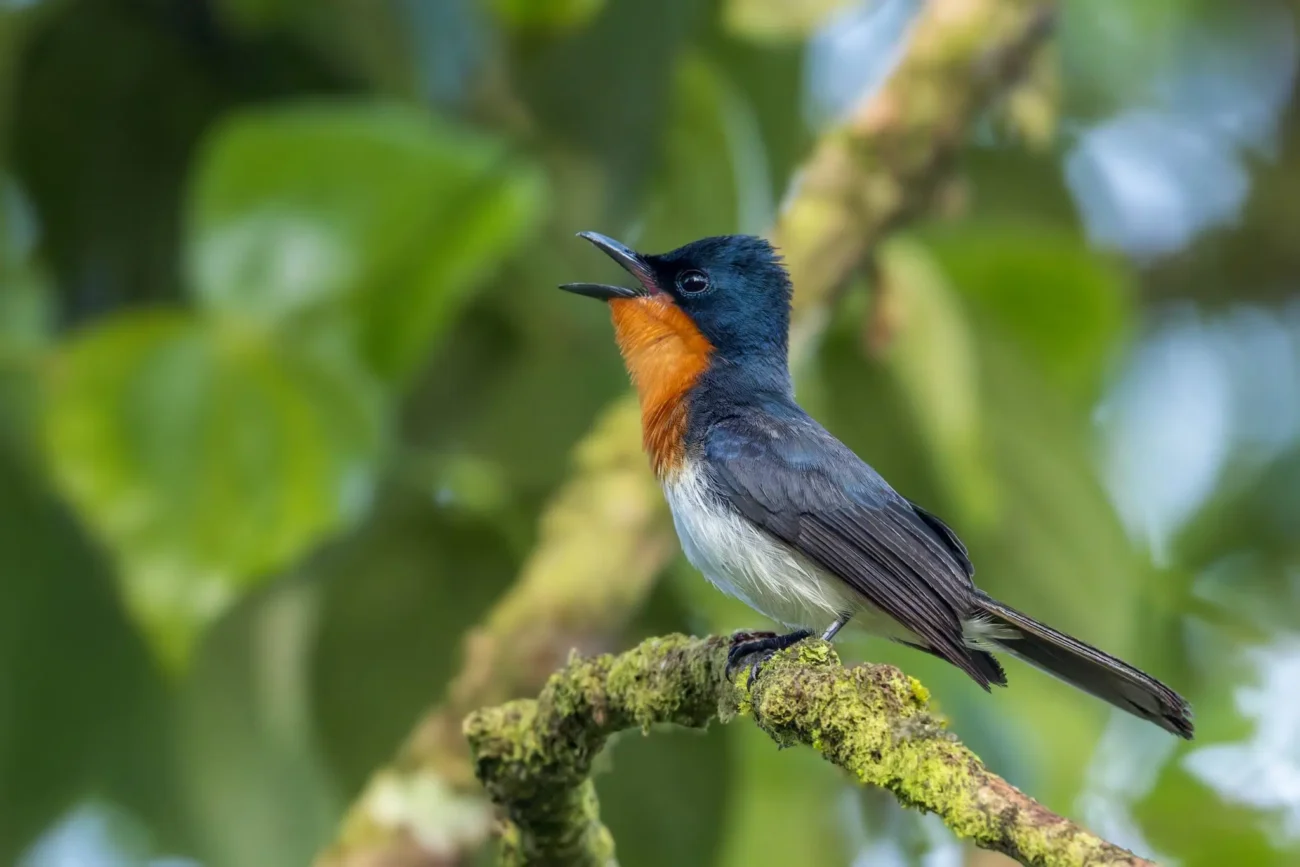
BirdLife International is thrilled to announce the official partnership with the Samoa Conservation Society (SCS), a pivotal development set to significantly bolster conservation efforts across the Pacific. This new alliance signifies a strengthening of global conservation networks and an enhanced commitment to protecting the unique biodiversity of Samoa and the wider region. The SCS, a leading grassroots environmental organization in Samoa, will now operate as BirdLife International’s newest partner, bringing its extensive local knowledge and community-based approach to a global platform.
A Crucial Alliance for Pacific Biodiversity
Samoa, a jewel in the heart of Polynesia, boasts extraordinary natural wealth. It is home to nine endemic bird species, including the iconic Samoan Flycatcher and the Critically Endangered Tooth-billed Pigeon (Manumea), which serves as Samoa’s national bird. The islands also support globally significant seabird populations and vital ecosystems that are integral to the well-being of both wildlife and local communities. However, like many island nations, Samoa confronts escalating environmental pressures. Habitat degradation, the pervasive threat of invasive alien species, the accelerating impacts of climate change, and a general decline in biodiversity pose significant challenges to the archipelago’s natural heritage.
The inclusion of the Sosaiete Fa’asao o Samoa/Samoa Conservation Society (SCS) into the BirdLife International Partnership is a strategic move aimed at reinforcing national conservation leadership and fostering collaborative actions. This partnership is designed to ensure the protection of Samoa’s precious biodiversity for current and future generations. BirdLife International’s global network, with its extensive experience and reach, will now be able to leverage SCS’s on-the-ground expertise, amplifying their collective impact.

The Samoa Conservation Society: A Decade of Dedicated Action
Established in 2013, the Samoa Conservation Society has rapidly emerged as Samoa’s foremost grassroots environmental organization. Its success stems from a deeply collaborative ethos, working in close partnership with local communities, government agencies, traditional leaders, and regional stakeholders. This integrated approach has been instrumental in addressing complex conservation issues.
The SCS’s current portfolio of work encompasses a broad spectrum of critical conservation priorities. These include the meticulous management of invasive species, crucial initiatives focused on seabird populations, the establishment and maintenance of protected areas, comprehensive environmental education programs targeting all age groups, and the implementation of community-based conservation strategies. Furthermore, SCS is at the forefront of building climate resilience within Samoa’s natural and human systems. At the core of their operational philosophy lies a steadfast commitment to collaborative action, the pursuit of scientific research, and the dissemination of environmental education, all with the overarching goal of fostering a harmonious coexistence between people and nature.
The inclusion of SCS into the BirdLife International network is a testament to the organization’s proven track record and its dedication to the conservation of Samoa’s unique natural heritage. This partnership is expected to provide SCS with enhanced resources, technical support, and access to a global network of conservation expertise, further empowering their vital work.
Championing Critically Endangered Species and Ecosystem Resilience
SCS has been instrumental in a number of high-profile conservation initiatives, most notably in their tireless efforts to protect the Critically Endangered Tooth-billed Pigeon, locally known as the Manumea. This species, Samoa’s national bird, is one of the world’s rarest pigeons, and its survival is a matter of national and international concern.

Through dedicated species monitoring programs, intensive community engagement, targeted awareness campaigns, and the robust implementation of the national recovery plan, SCS has positioned itself as a leader in the fight against the Manumea’s extinction. BirdLife International has a long-standing admiration for SCS’s leadership, expertise, and unwavering commitment to securing a future for this highly threatened bird. This shared commitment has already resulted in significant conservation successes, underscoring the effectiveness of their collaborative approach.
More recently, SCS has played a pivotal role in the Invasive SPecIes Management for Resilient Ecosystems and Communities (INSPIRE) project. This initiative, undertaken in collaboration with BirdLife International and other regional partners, aims to mitigate the detrimental impacts of invasive species and bolster ecosystem resilience and climate adaptation in Samoa’s Gasegase Catchment. The project’s focus on invasive species is particularly crucial, as these organisms are a leading driver of biodiversity loss worldwide, especially in island ecosystems where native species have evolved in isolation and often lack natural defenses. The INSPIRE project’s success in the Gasegase Catchment, an Important Bird and Biodiversity Area (IBA), demonstrates SCS’s capacity to implement complex, multi-faceted conservation strategies that yield tangible results. Through these endeavors, SCS has not only strengthened conservation outcomes across Samoa but has also demonstrably built local capacity and fostered a sense of long-term stewardship over natural resources, crucial elements for sustainable conservation.
A New Chapter: Strengthening Pacific Conservation Networks
The formalization of the partnership between SCS and BirdLife International marks an exciting new era for conservation in Samoa and across the Pacific. This alliance significantly enhances BirdLife’s presence and operational capacity in the Pacific region, an area facing some of the most acute threats to biodiversity globally. Island ecosystems are particularly vulnerable to the compounding pressures of habitat loss, invasive species, and the escalating impacts of climate change, including sea-level rise and increased frequency of extreme weather events.
Tupuola Savave Sapulo, the current president of SCS, expressed profound enthusiasm about the new partnership: "The Sosaiete Fa’asao o Samoa/Samoa Conservation Society and its members are incredibly excited to be joining BirdLife International as its newest partner," he stated. "It is the culmination of a relationship that has been built over a number of years of successful collaboration. It is my sincere hope that this partnership will continue to add value to both organisations for years to come." This sentiment highlights the strong foundation of trust and shared vision that underpins the alliance.

James Atherton, former president of SCS, further emphasized the strategic importance of this formalization: "Formalising our partnership with Birdlife International is extremely important and timely for the Sosaiete Fa’asao o Samoa/Samoa Conservation Society as we try to secure longer term and sustainable relationships with our conservation partners and donors," Atherton commented. "Joining Birdlife International also means joining a huge global network of like-minded organisations to share best practices and lessons learned and to pursue deeper collaboration to sustain and build our conservation mission." This highlights the dual benefit of the partnership: enhanced stability for SCS’s operations and increased access to a global repository of knowledge and collaborative opportunities.
By bridging local action with global collaboration, this partnership is poised to amplify efforts to safeguard Samoa’s irreplaceable biodiversity. It will support the development of more resilient communities, capable of adapting to environmental changes, and ensure the continued thriving of birds and all forms of life across the Pacific. This development serves as a powerful illustration of the impact that strong, nationally led organizations can achieve when working in concert with international bodies to deliver enduring conservation outcomes. The integration of SCS into the BirdLife flock is a cause for celebration, signaling a renewed and strengthened commitment to protecting the natural wonders of the Pacific.
Supporting Data and Context: The Ecological Significance of Samoa
Samoa’s unique geographical location and isolation have fostered a rich tapestry of endemic species. The archipelago comprises two main islands, Upolu and Savai’i, along with several smaller islets. These islands are characterized by a tropical rainforest ecosystem, with significant areas of montane forests and coastal vegetation. The high degree of endemism is a common feature of island biogeography, where species evolve in relative isolation, leading to unique adaptations and lineages.
Key Biodiversity Indicators for Samoa:

- Endemic Bird Species: Samoa is home to at least nine endemic bird species, meaning they are found nowhere else on Earth. These include the Samoan Flycatcher (Myiagra hedei), Samoan Triller (Lalage sharpei), Samoan Whistler (Pachycephala chloronota), and the Critically Endangered Tooth-billed Pigeon (Didunculus strigirostris). The presence of such a high proportion of endemic species underscores the global importance of Samoa as a conservation hotspot.
- Globally Significant Seabird Colonies: The remote islands and coastlines of Samoa provide crucial breeding grounds for numerous seabird species, many of which are of global conservation concern. These include various species of shearwaters, petrels, and terns.
- Habitat Diversity: The islands support a range of habitats, from coastal mangroves and coral reefs to lowland and montane rainforests. These diverse ecosystems are critical for supporting the archipelago’s unique flora and fauna.
- Threats to Biodiversity:
- Habitat Loss and Degradation: Deforestation for agriculture, infrastructure development, and logging has led to significant habitat loss and fragmentation.
- Invasive Alien Species: Introduced predators (e.g., rats, cats) and invasive plants pose a severe threat to native wildlife, particularly ground-nesting birds and other endemic fauna that have not evolved defenses against such threats.
- Climate Change: Rising sea levels threaten coastal habitats, while changes in rainfall patterns and increased storm intensity can impact terrestrial ecosystems and bird breeding success.
- Overexploitation: Unsustainable hunting and collection of species for food or traditional purposes can further deplete vulnerable populations.
The partnership between BirdLife International and SCS is thus timely and essential. It aims to address these multifaceted threats through integrated conservation strategies, leveraging the strengths of both organizations to achieve a more sustainable future for Samoa’s natural heritage. The inclusion of SCS into the BirdLife Partnership not only enhances local capacity but also amplifies the urgency and importance of Pacific island conservation on the global stage, advocating for increased international support and collaborative action.
The collaboration on projects like the INSPIRE initiative exemplifies the practical application of scientific knowledge and community engagement to address pressing environmental issues. By focusing on invasive species management, SCS and its partners are directly tackling a major driver of biodiversity loss, thereby strengthening the resilience of Samoa’s ecosystems in the face of climate change and other anthropogenic pressures. This project, centered in the Gasegase Catchment, an Important Bird and Biodiversity Area (IBA), highlights the direct link between habitat health, bird populations, and the well-being of local communities. The success of such projects is crucial for demonstrating the tangible benefits of conservation and for securing long-term support for these vital efforts.

