


For many companion bird owners, the sight of their feathered friend disdainfully tossing a piece of broccoli, meticulously picking out seeds from a "chop" mix, or exclusively seeking morsels from the human plate is a familiar and often frustrating scenario. This common challenge signals a deeper issue than mere pickiness: a fundamental disconnect in how birds perceive and accept novel food sources. This comprehensive guide, informed by avian behavioral science and nutritional expertise, offers a structured approach to successfully integrate fresh, plant-based foods into a companion bird’s diet, moving beyond the simplistic "just put vegetables in the bowl" method that frequently yields disappointment. It is designed for owners whose birds resist fresh produce, prioritize seeds, or are wary of anything unfamiliar, but explicitly excludes birds that are sick, underweight, medically fragile, or already eating less—these cases necessitate immediate veterinary intervention.
The Evolutionary Imperative: Why Birds Resist New Foods
In their natural habitats, parrots navigate a complex dietary landscape, foraging on a vast array of leaves, seeds, grasses, fruits, flowers, bark, shoots, nuts, and seasonal plants. While this biodiversity offers abundant nutrition, it also presents a critical challenge: discerning safe foods from toxic ones. Unlike many mammals that learn by trial and error, young parrots in the wild primarily learn what to eat by observing their parents and flock mates. This observational learning is a vital survival mechanism, minimizing the risk of consuming harmful substances.
This innate behavioral wiring persists in pet birds. If a companion parrot has spent years consuming a diet predominantly of seeds or commercial pellets, novel items such as kale, carrots, squash, sprouts, herbs, or a finely chopped mix of vegetables (often referred to as "chop") may not register as food. To a bird, a vibrant orange carrot shred or a leafy green could appear unfamiliar, suspicious, or even dangerous. Therefore, a bird’s refusal of vegetables is rarely an act of stubbornness; it is often a manifestation of neophobia—a natural wariness of new objects or experiences—and a lack of learned association with safety and edibility. Understanding this evolutionary context is the first crucial step toward successful dietary conversion.
Foundational Principles: Repetition, Curiosity, Flock Behavior, and Safe Exposure
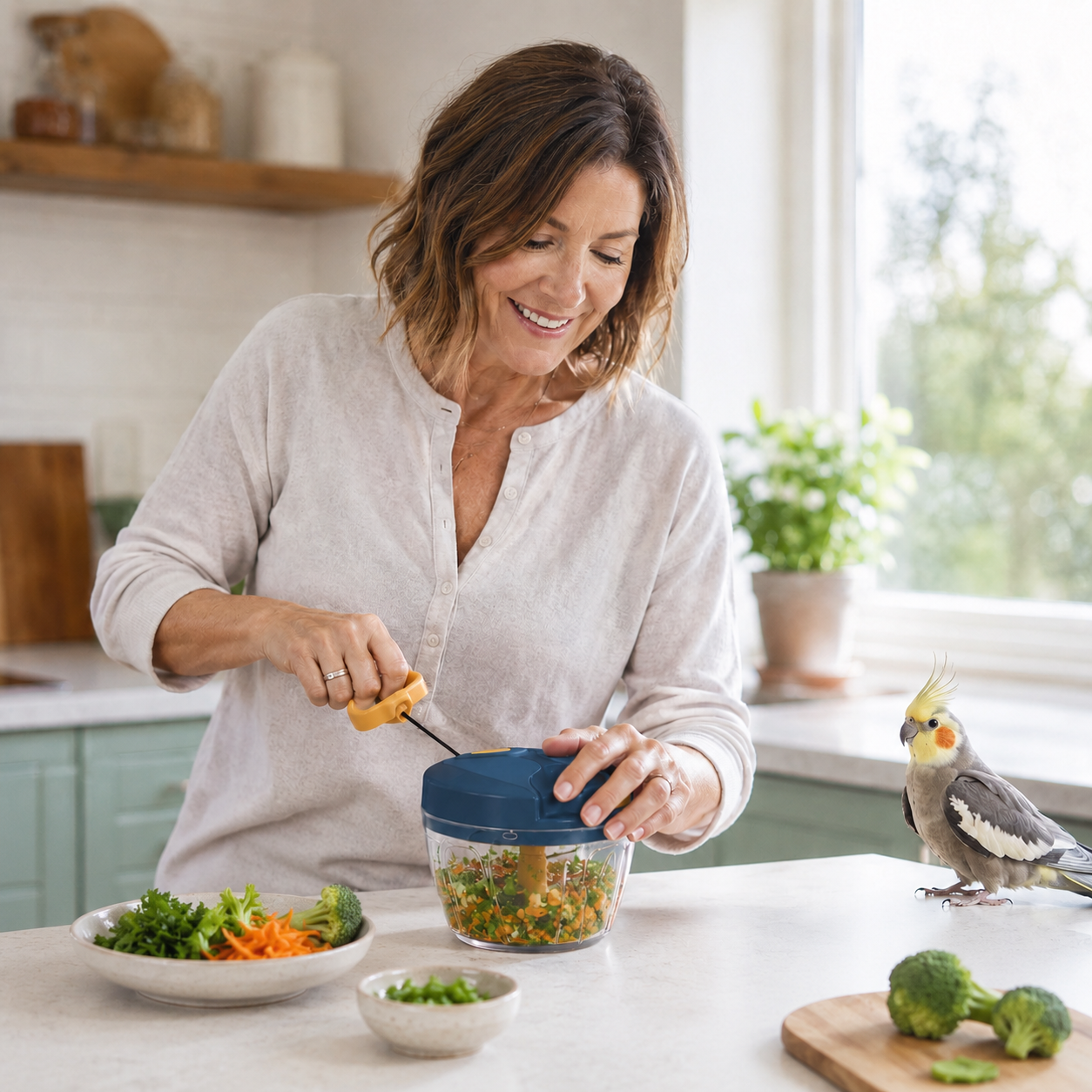
The core philosophy for teaching a bird to accept vegetables mirrors how birds naturally learn what is safe to eat: through consistent repetition, piquing their inherent curiosity, leveraging flock behavior, and ensuring safe, low-pressure exposure. The bird owner assumes the role of the flock leader and teacher. When a bird observes its human companion enthusiastically consuming bird-safe vegetables, demonstrating interest, and offering tiny, unpressured choices, this powerful flock mentality can be strategically employed to foster acceptance of new foods.
These principles are not merely anecdotal; they are supported by research. A significant study by Cummings, Hess, Spielvogel, & Kottwitz (2022) evaluating three diet conversion methods for psittacine birds transitioning from seed-based to pelleted diets—Birdie’s Choice, Slow and Steady, and Tough Love—highlighted the effectiveness of these very learning principles. While originally designed for pellet conversion, the underlying mechanisms of choice, routine, exposure, and modeling are equally applicable to introducing fresh, plant-based foods such as vegetables, greens, sprouts, herbs, and small amounts of fruit.
Phase 1: Assessing Your Bird’s Predisposition and Current Habits
Before initiating any dietary changes, it is vital to observe your bird’s current interactions with food and its environment. Does your bird watch you eat with keen interest? Does it actively seek food from your plate? Is it generally curious about new objects, or is it highly cautious? Understanding these baseline behaviors will help tailor the most effective approach. For instance, a bird that readily steps up or enjoys attention might respond well to direct, interactive feeding, while a more timid bird may require a more gradual, indirect method. Recognizing that your bird’s current diet may have inadvertently reinforced its skepticism towards new foods is also important. A diet heavy in high-fat seeds, for example, can make bland vegetables seem even less appealing.
Phase 2: The Power of Modeling – You Are the Flock Leader
Your bird already pays close attention to your actions, particularly around food. When you use an excited, happy tone for mealtime, you are already teaching them that "this is safe, familiar, and part of our routine." This powerful social cue is precisely what needs to be harnessed for vegetables.

- Enthusiastic Presentation: Show the bird a plain, bird-safe piece of vegetable. Act genuinely delighted and interested.
- Demonstrative Eating: Take a tiny bite of the vegetable yourself, allowing your bird to witness you consuming it with pleasure. This signals safety and desirability.
- Low-Pressure Offering: Offer a minuscule, bite-sized piece to your bird immediately after you take a bite. Do not force it. Place it gently in their dish, on a preferred perch, or hold it out calmly.
- Positive Reinforcement: Any interaction—a glance, a touch, a shred, a lick, or even moving closer to the food—should be met with calm, positive praise. This reinforces curiosity without demanding consumption.
This repeated ritual normalizes the presence of vegetables and connects them with positive experiences and the trusted behavior of their "flock" (you). Good starting options for this modeling phase include finely grated carrot, small broccoli florets, leafy greens like kale or romaine, cooked sweet potato, squash, peas, green beans, sprouts, and fresh herbs like parsley or cilantro. The key is to select a vegetable that is easy to prepare safely and in a texture your bird might be willing to investigate.
Phase 3: Gradual Introduction and Mastering the Art of "Chop"
Once a bird begins to show even a flicker of curiosity towards a few individual vegetables or fruits, the focus shifts to making these items easier and more appealing to eat.
- Size Matters: Small beaks thrive on small, manageable pieces. Think rice-sized bits created with a handheld manual food chopper or a food processor. This fine consistency is crucial for birds that might otherwise pick out larger, less favored pieces.
- Introducing "Chop": This finely chopped mix of bird-safe vegetables, greens, and a small amount of fruit is known as "chop." It offers a diverse nutritional profile in an easily consumable format. The variety within chop ensures a broader spectrum of vitamins, minerals, and antioxidants, addressing potential deficiencies often found in seed-heavy diets, such as hypovitaminosis A (a common issue in parrots lacking sufficient beta-carotene from vegetables).
- Texture Variety: Experiment with different textures. Some birds prefer crunchy raw vegetables, others prefer lightly steamed and softer options, while some might even accept finely pureed vegetables mixed into a familiar base like cooked grains.
- Strategic Presentation: Don’t limit offerings to the main food bowl. Clip greens to the cage bars, place small portions in foraging cups, or offer skewers with small vegetable pieces in different areas of the cage or play stand. This encourages exploration and integrates vegetables into their daily activities rather than making them a standalone "challenge."
Phase 4: Enhancing Appeal with Strategic Chop Toppers
The goal of a chop topper is not to sweeten or fatten the meal, but to add elements that stimulate scent, texture, and curiosity, while maintaining the focus on healthy, plant-based foods. A tiny sprinkle is often all that’s needed to invite investigation without turning the chop into an unhealthy treat.
- Herbs: Aromatic herbs like basil, oregano, thyme, or cilantro (all bird-safe) can add natural fragrance and novelty, stimulating a bird’s sense of smell and encouraging exploration.
- Sprouts: Freshly sprouted seeds offer a living food source, providing natural crunch, unique texture, and a burst of concentrated nutrients. They mimic natural foraging experiences and add dynamic variety.
- Omega-Rich Seeds: Tiny seeds like chia, flax, and hemp are excellent choices. They provide beneficial omega-3 and omega-6 fatty acids, protein, and fiber, while adding an interesting textural component. Products like UnRuffledRx OmegaGlow are formulated specifically for this purpose, offering a blend of these seeds to make chop more engaging.
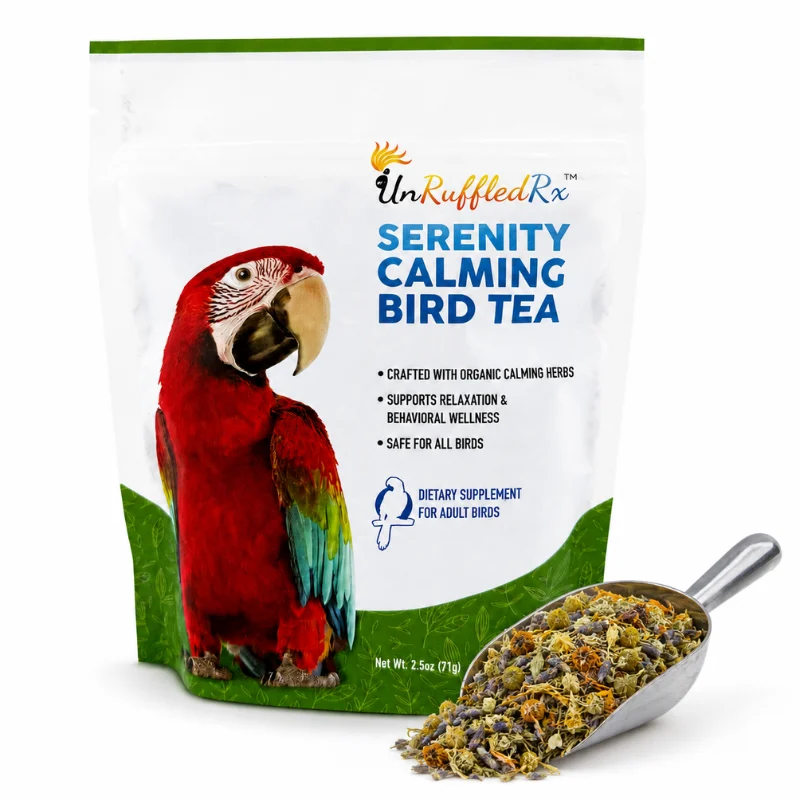
- Herbal Blends: Gentle herbal blends, such as UnRuffledRx Serenity, can introduce natural aromas and botanical variety. Used lightly, they can pique a bird’s interest without overwhelming its senses.
- Red Palm Oil: This vibrant oil is a rich source of Vitamin A and offers a bold color and flavor that some birds find appealing. However, due to its caloric density, it should be used very sparingly as part of a varied fresh-food routine.
These toppers are designed to provide "one more reason to explore," gently nudging the bird towards engaging with the underlying fresh produce.

Phase 5: Adapting Evidence-Based Conversion Methods for Vegetables
Building upon the principles outlined in the Cummings et al. (2022) study, the following adaptations can be made for vegetable introduction:
- Birdie’s Choice Adaptation: This method is ideal for birds that are highly interactive, watch their owners eat, seek attention, or readily step up. While you are eating bird-safe vegetables, offer your bird two to three tiny choices directly. Praise any sign of interest—looking, touching, shredding, or tasting. This capitalizes on the bird’s social nature and desire for interaction.
- Slow and Steady Adaptation: For cautious, suspicious, or routine-driven birds that are slow to accept new things, consistency is paramount. Offer the exact same small fresh-food opportunity daily, at the same time and in the same location. Keep the interaction low-pressure, allowing the food to become a familiar, non-threatening part of their environment. This method builds trust and familiarity over weeks, allowing the bird to habituate to the new item.
- Tough Love Adaptation (Modified for Vegetables): Crucially, this adaptation does NOT involve restricting calories or making the bird hungry. Instead, it focuses on maximizing fresh-food exposure in a passive yet pervasive manner. This means placing clipped greens, small vegetable pieces on skewers, foraging cups filled with chop, or shallow dishes of fresh produce in various normal activity areas of the cage and play stand. The goal is to make vegetables an ever-present, normal part of the bird’s environment, removing the novelty and suspicion over time. This method relies on repeated, non-confrontational exposure until the bird’s curiosity naturally takes over.
Ethical Considerations and Veterinary Consultation
It is paramount to reiterate that fresh-food training should never involve using hunger to force a bird to eat vegetables. Restricting food to coerce consumption is unethical, highly stressful for the bird, and can lead to serious health complications, including malnutrition, behavioral issues, and a breakdown of trust between bird and owner. The process must always be centered on safe exposure, positive modeling, fostering curiosity, and consistent repetition.
Owners must diligently monitor their bird’s health throughout any dietary transition. If a bird is eating less, losing weight, producing fewer droppings, or exhibiting any signs of illness (lethargy, puffed feathers, changes in vocalization), pause the dietary changes immediately and contact an avian veterinarian. These symptoms could indicate underlying medical issues or a detrimental response to the dietary shift, requiring professional medical intervention. Avian veterinarians consistently advocate for a diet rich in fresh vegetables as a cornerstone of preventative care, warning that diets primarily composed of seeds can lead to a host of health problems, including obesity, liver disease, kidney failure, and hypovitaminosis A.
Broader Impact and Implications for Avian Wellness

The successful integration of vegetables into a companion bird’s diet extends far beyond mere nutritional intake. It has profound implications for their overall health, psychological well-being, and the strength of the human-animal bond.
- Improved Physical Health: A diet rich in fresh produce provides essential vitamins, minerals, and antioxidants that are often lacking in processed diets. This translates to stronger immune systems, better feather quality, increased energy levels, improved organ function, and a significantly reduced risk of diet-related diseases, ultimately contributing to a longer, healthier lifespan.
- Enhanced Mental Stimulation and Foraging Behavior: The act of exploring, shredding, and consuming varied textures and flavors provides crucial mental stimulation, mimicking natural foraging behaviors. This enrichment can reduce boredom, decrease stress, and mitigate common behavioral issues such as feather plucking or excessive screaming. Bird behaviorists emphasize that providing varied foraging opportunities is vital for a bird’s psychological health.
- Strengthened Human-Animal Bond: The process of gently teaching a bird to accept new foods, through shared mealtimes and positive reinforcement, deepens the trust and understanding between owner and pet. It transforms mealtime from a struggle into an opportunity for positive interaction and mutual engagement.
- Industry Trends and Education: The growing awareness among companion bird owners about optimal avian nutrition is driving demand for higher-quality avian diets, specialized supplements, and educational resources. This shift signifies a positive trend towards more informed and responsible pet ownership within the avian community.
Addressing Common Inquiries
- How do I get my bird to eat vegetables? Begin by making vegetables feel safe and familiar. Model eating plain, bird-safe vegetables yourself, offer tiny pieces, experiment with different textures, and reward any sign of curiosity before expecting consumption.
- Why will my bird eat from my plate but not its bowl? Your bird likely trusts what it sees you eating more than unfamiliar food that suddenly appears in its bowl. Birds are social learners, and your plate acts as a powerful signal of safety and desirability. Leverage this carefully with plain, bird-safe options.
- What vegetables should I try first? Excellent starting options include finely grated carrot, small broccoli florets, leafy greens (like kale, spinach, romaine), cooked sweet potato, squash, peas, green beans, sprouts, and fresh herbs (parsley, cilantro). The most effective first vegetable is one that you can safely offer in a texture your bird is willing to investigate.
- What if my bird only picks out favorite pieces from chop? Try chopping ingredients more evenly to minimize selective eating. Use smaller batches and rotate one or two new ingredients at a time. Offering some foods separately can also help your bird learn to recognize and appreciate individual items rather than just their preferred components within a mix.
- Is fruit acceptable for birds? Fruit can be offered in small amounts as a treat, but it should not become the primary fresh-food goal. Its high sugar content means it should be used sparingly. The larger focus should always be on nutrient-dense vegetables, leafy greens, sprouts, and herbs.
- How long does it take for a bird to accept chop? The timeline varies significantly. Some birds may investigate fresh food within days, while others require weeks or even months of calm, consistent repetition. Focus on observing progress before actual eating: watching the food, touching it, shredding it, licking it, holding it, or simply moving closer to it. These are all positive steps towards eventual acceptance.
Ultimately, the journey to a vegetable-rich diet for a companion bird is a testament to an owner’s patience, understanding, and unwavering commitment to their pet’s well-being. By embracing the bird’s natural learning instincts and employing thoughtful, science-backed strategies, owners can transform mealtime struggles into opportunities for enrichment, health, and a deeper, more trusting bond with their cherished avian companions.
References
Cummings, A. M., Hess, L. R., Spielvogel, C. F., & Kottwitz, J. J. (2022). An evaluation of three diet conversion methods in psittacine birds converting from seed-based diets to pelleted diets. Journal of Avian Medicine and Surgery, 36(2), 145–152. https://doi.org/10.1647/21-00025

