


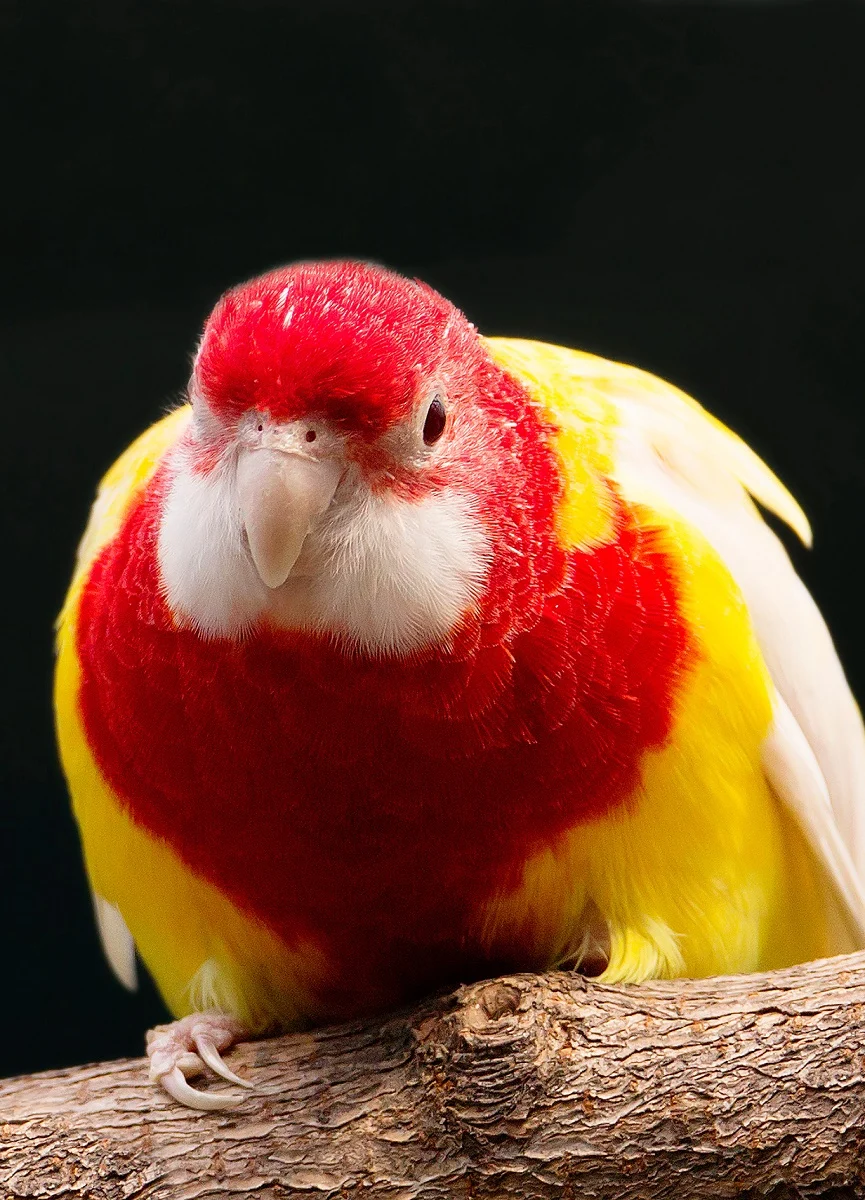
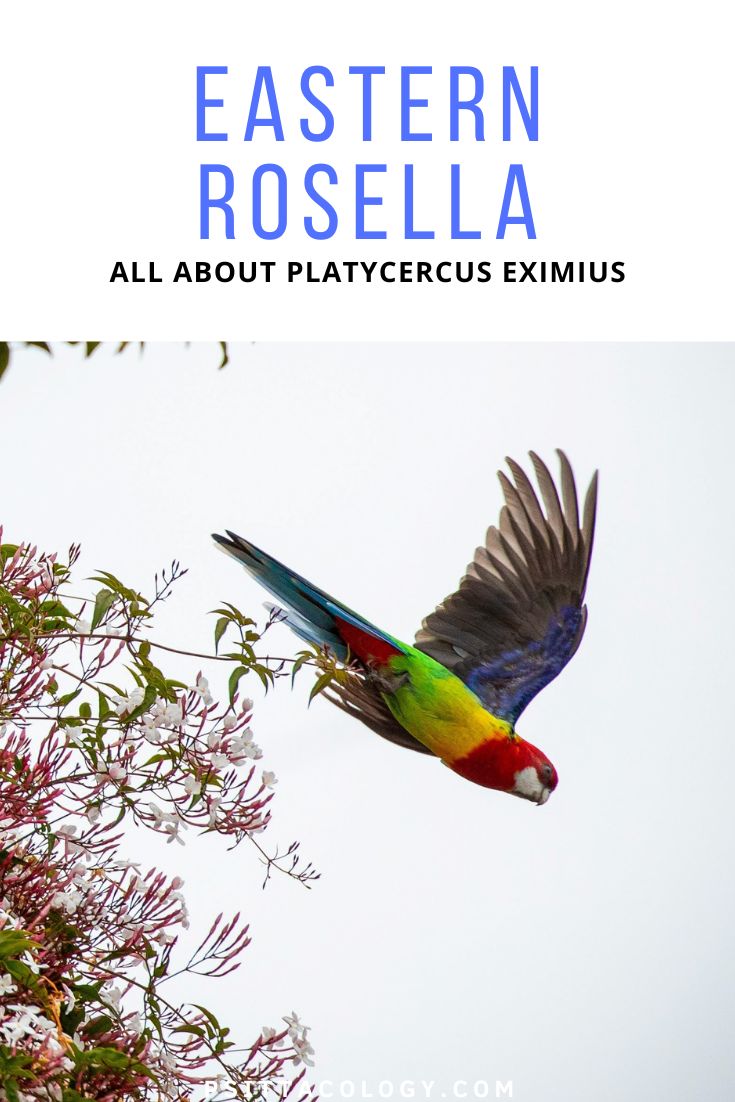
The Eastern Rosella (Platycercus eximius) stands out in the vibrant world of parrots, a species celebrated for its breathtaking coloration and engaging personality. Originating from the diverse landscapes of Australia, this medium-sized parrot, though not large, is undeniably striking, making it a favorite among bird enthusiasts and a popular choice for aviculture. Its presence enriches both its natural habitats and the homes it graces, embodying a blend of wild beauty and domestic charm.
Species Overview: The Platycercus Eximius Profile
Known scientifically as Platycercus eximius, the Eastern Rosella is a testament to nature’s artistry. With an average adult size of approximately 30 cm (12 inches) in length and weighing around 100 grams, it is a compact yet robust bird. These parrots are notable for their longevity, often living between 20 to 30 years in captivity with proper care, a significant commitment for any prospective owner. In terms of vocalization, they are considered to have a relatively low noise level for a parrot species, primarily emitting melodic whistles and distinct cheeps rather than the raucous squawks common to some larger parrots.
Its natural habitat spans lightly wooded areas across southeastern Australia, where it thrives in open forests, eucalyptus groves, parklands, and even agricultural zones. This adaptability has contributed to its robust population status, leading the International Union for Conservation of Nature (IUCN) Red List to classify the Eastern Rosella as a species of "Least Concern," indicating a stable and even increasing population trend.
A Kaleidoscope of Feathers: Eastern Rosella Appearance
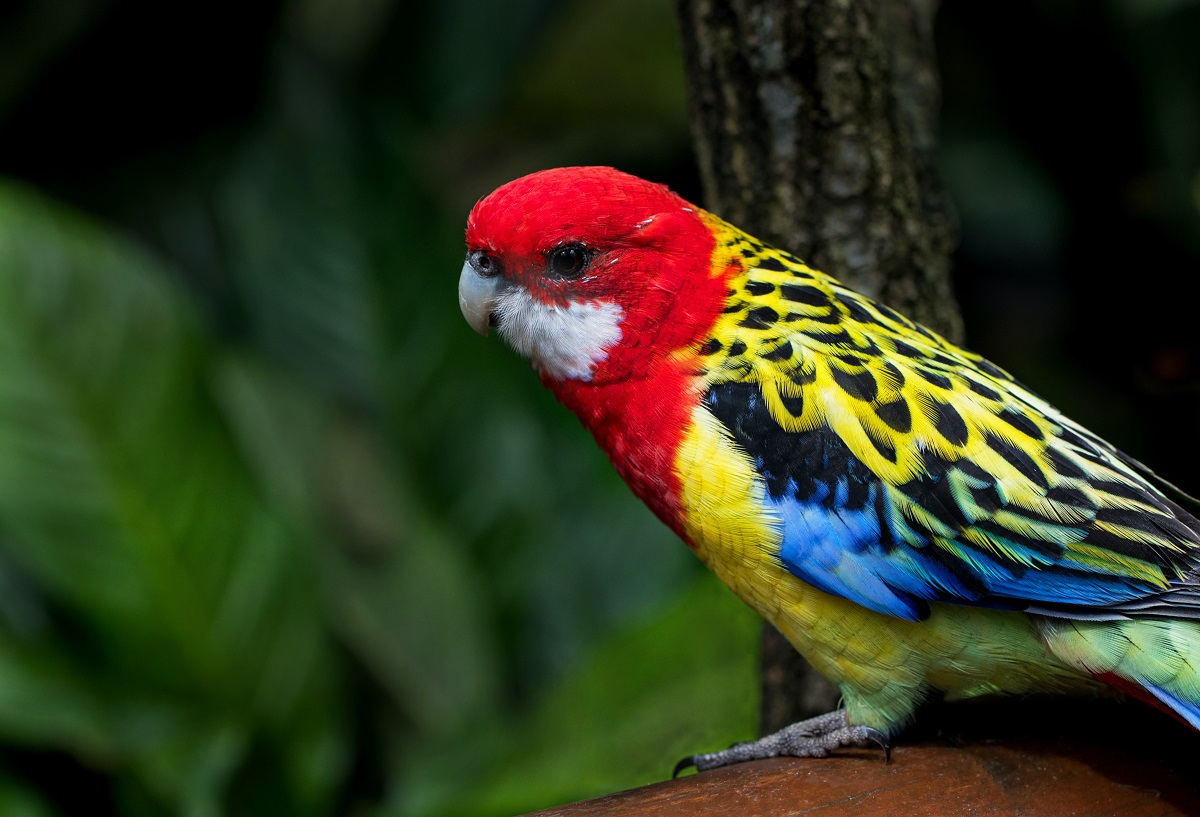
The visual appeal of the Eastern Rosella is its most defining characteristic. Its plumage is a complex tapestry of bold primary colors and intricate patterns. The head and chest are adorned with a brilliant, fiery red, creating a striking contrast with the crisp white cheek patches. Moving downwards, the belly transitions into a vibrant yellow-green, extending to the "pants" or thigh feathers. The upper wings display an elegant scalloped pattern of yellow-green and black, while the back is a rich green. The undersides of the wings are a clear blue, leading to a long, graceful blue-green tail. This complex interplay of colors ensures the bird is easily spotted against the Australian flora, serving as both camouflage and a visual display during courtship.
Subspecies and Juvenile Development
Within the Platycercus eximius species, three distinct subspecies exist, each occupying a particular geographical area and exhibiting subtle variations in their physical characteristics. While not detailed here, these variations can include slight differences in color intensity, size, or the extent of certain plumage patterns, often adapting to specific regional environmental factors. These nuances are frequently appreciated by dedicated ornithologists and experienced breeders who can identify these subtle distinctions.
Juvenile Eastern Rosellas present a slightly muted version of their adult counterparts. Their colors are not as bright or as sharply defined, and their beaks are initially yellow, gradually transitioning to the adult’s characteristic white as they mature. This maturation process culminates during their first molt, which typically occurs between two to six months of age. Following this pivotal stage, they adopt their full adult plumage and beak coloration, revealing their vibrant final appearance.
The World of Color Morphs and Hybrids
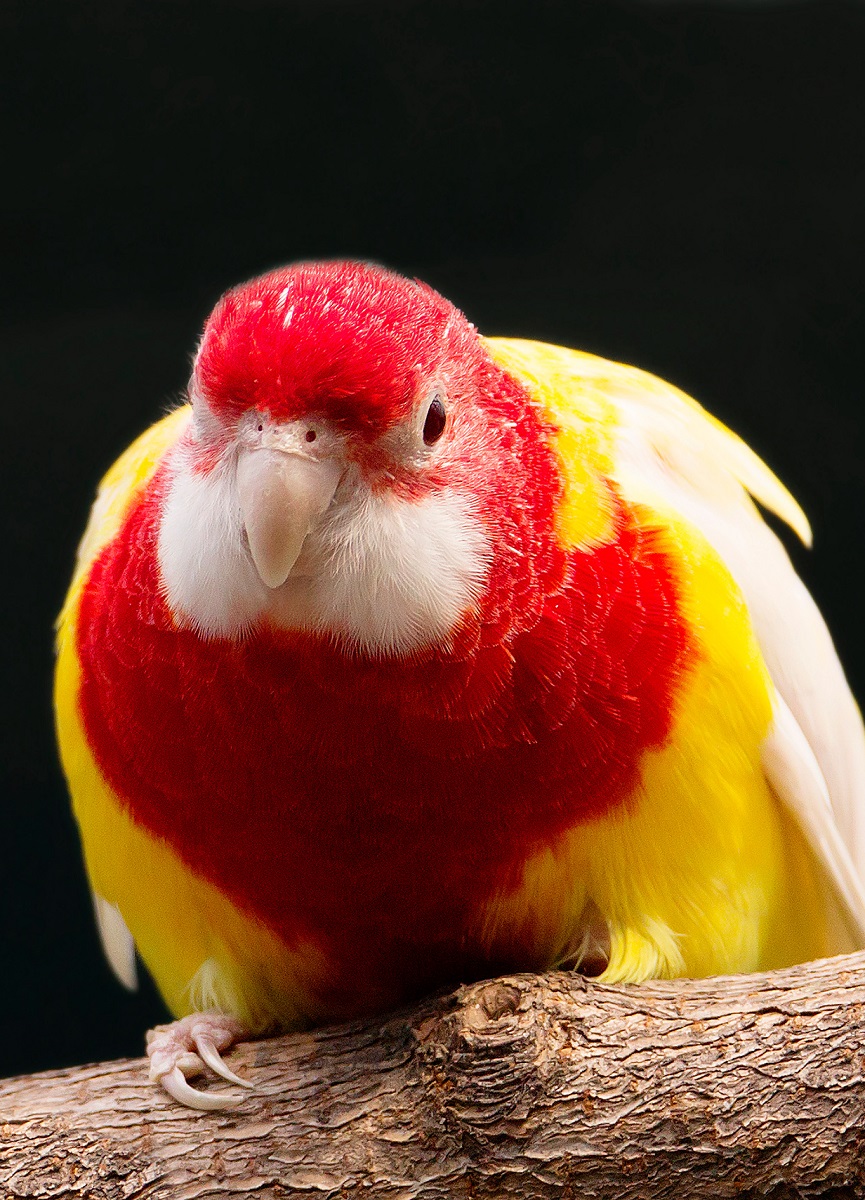
Beyond natural variations, selective breeding in aviculture has led to the development of various color morphs. One particularly common and striking example is the "Rubino" Eastern Rosella. This morph exhibits a unique red, yellow, and white coloration, notably lacking the blue, green, or black hues found in wild birds. These selectively bred varieties cater to specific aesthetic preferences within the pet trade, offering a different visual appeal from their wild ancestors.
Adding another layer of complexity and fascination, Eastern Rosellas are known to hybridize with other members of the Platycercus genus. Encounters with unusual rosellas in the wild or captivity are not uncommon, as species like the Eastern Rosella and the Crimson Rosella (P. elegans) or the Pale-headed Rosella (P. adscitus) can interbreed. These hybrid birds often display unique and sometimes breathtaking combinations of traits from both parent species, offering valuable insights into avian genetics, evolutionary processes, and the boundaries of species intercompatibility.
Distinguishing Male from Female: Visual Sexing
For those keen to identify the sex of their Eastern Rosella, visual cues can provide an indication, though accuracy often improves with the bird’s maturity. Generally, male Eastern Rosellas tend to exhibit more intense and vivid coloration, particularly the red on their heads and chests, and their overall plumage may appear brighter and more defined. Females, while still beautiful, often have slightly duller colors and a somewhat smaller head. However, these differences can be subtle and require an experienced eye, especially before the bird has fully matured and completed its first molt. For definitive sex determination, particularly in younger birds or cases where visual cues are ambiguous, DNA testing remains the most reliable and accurate method.
Geographical Footprint and Habitat Preferences
The Eastern Rosella’s name aptly reflects its geographical distribution. Its native range is confined to the eastern and southeastern regions of Australia, including the island state of Tasmania. This encompasses a broad swathe of temperate and subtropical zones, where the climate and vegetation provide ideal conditions for the species. Key Australian states where it is commonly found include New South Wales, Victoria, Queensland (southeastern parts), and South Australia (southeastern parts).
An Introduced Species in New Zealand: A Case Study
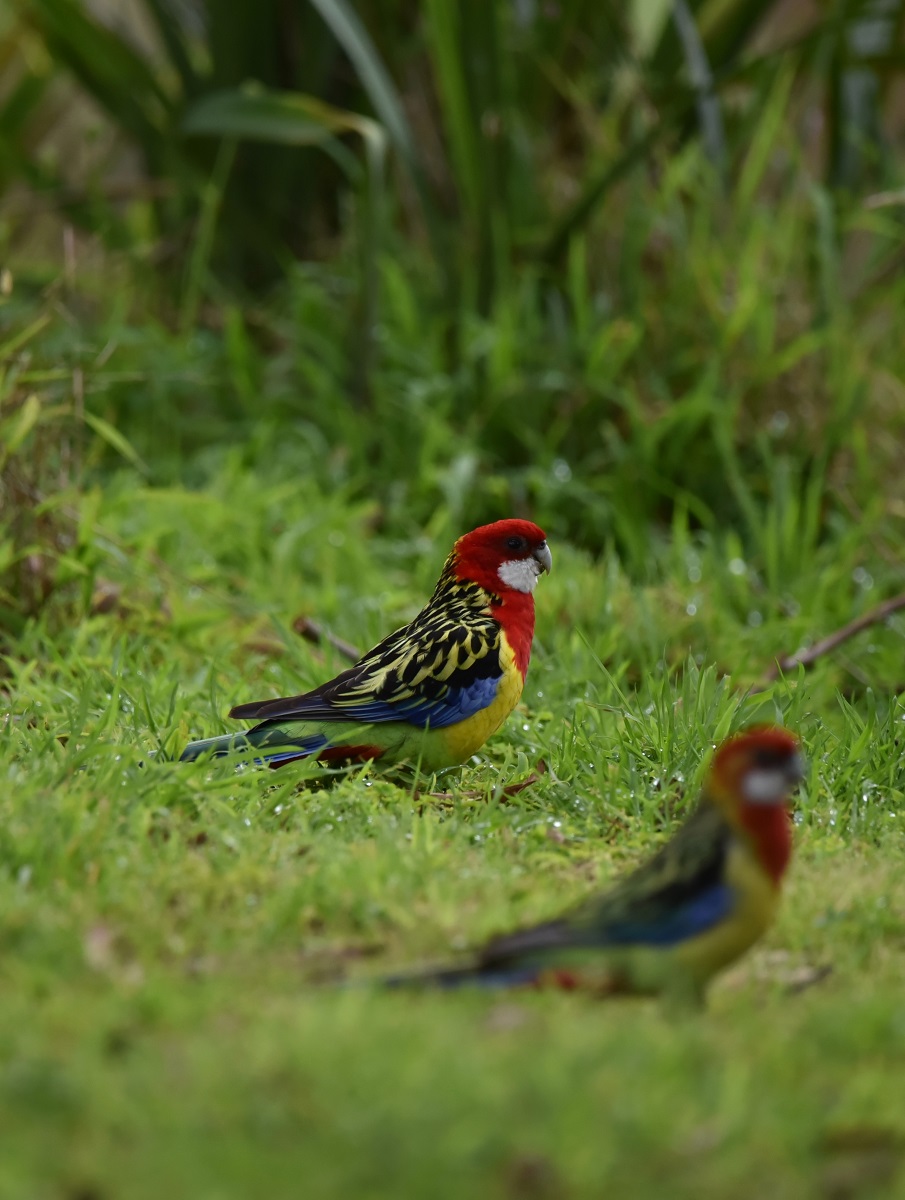
While indigenous to Australia, the Eastern Rosella has established significant introduced populations in New Zealand, particularly across both the North and South Islands. The presence of these birds across multiple locations in New Zealand is largely attributed to historical accidental escapes and, in some instances, deliberate releases dating back to the late 19th and early 20th centuries. A notable incident occurred in Dunedin, South Island, where a reported 12 rosellas escaped after their cage was destroyed. Another documented event from 1910 involved a shipment of birds being deliberately released after the New Zealand Customs Department refused their entry. These instances highlight the complex dynamics of species introduction, where human actions, whether intentional or inadvertent, can lead to the establishment of non-native populations with potential ecological implications for the host environment, including competition with native species for resources and nesting sites.
Preferred Environments and Social Dynamics
Eastern Rosellas thrive in habitats characterized by light tree cover. This includes open forests, the edges of denser woodlands, and areas dotted with Eucalyptus trees, which are crucial for both food and nesting. Their adaptability extends to human-modified landscapes, as they are frequently observed in parks, farmlands, orchards, and even suburban gardens, especially where food sources are abundant. They typically prefer areas with ample rainfall or reliable water sources and can be found at moderate altitudes, up to approximately 1,250 meters (4,100 feet).
In the wild, these parrots are generally encountered in pairs or small family groups, often consisting of parents and their offspring. They are commonly seen foraging on the ground or in trees, sometimes associating with other parrot species or different rosella cousins, demonstrating a degree of interspecific tolerance. Like many parrots, Eastern Rosellas are obligate cavity nesters, relying on hollows in mature trees for breeding and roosting, a critical aspect of their ecological niche and a factor often impacted by habitat fragmentation.
Conservation Status and Human-Wildlife Interactions
The Eastern Rosella’s status as a species of "Least Concern" on the IUCN Red List is a positive indicator of its population health. The assessment notes its extensive natural range and a generally increasing population trend, estimated to number in the hundreds of thousands. This success, however, presents an interesting paradox. Ornithologists and conservation experts suggest that the species’ adaptability, particularly its ability to utilize human-altered landscapes, has played a significant role in its proliferation. The expansion of agriculture, while detrimental to many native species through habitat loss, has inadvertently created abundant food sources, such as maize and various grain crops, which the Eastern Rosella readily exploits.
This opportunistic feeding behavior, however, has led to a long-standing conflict with agricultural communities across eastern Australia. For centuries, Eastern Rosellas, along with their rosella relatives, have been regarded as pests by farmers due to their propensity for raiding orchards and damaging harvests, leading to significant economic losses. Despite being protected by law, permits are occasionally granted to farmers by state authorities to cull rosellas if substantial crop damage can be proven and all other non-lethal deterrents (such as netting, scare devices, or habitat modification) have been exhausted. This highlights the ongoing challenge of balancing wildlife conservation with economic interests, a common dilemma in areas where human expansion directly impacts natural habitats and species’ foraging patterns.
The Eastern Rosella Diet: Wild Foraging to Captive Care
Diet in the Wild
In their natural environment, Eastern Rosellas exhibit a diverse and adaptable diet. Their primary food source consists of seeds, with a particular fondness for thistle seeds, which are abundant in many of their grassland and open woodland habitats. They are also avid consumers of various fruits, such as apples, berries, and the seeds within them. Research, including studies like those published in the journal Emu, has shown that their diet extends to a wide array of flowers, flower buds, nectar, and even small insects and their larvae, especially during breeding season when protein requirements increase for both adults and chicks. This broad dietary spectrum underscores their resilience and ability to thrive in varied ecosystems. Their ground-foraging habits often lead them to agricultural fields, where they feast on spilled grains and cultivated fruits, contributing to their "pest" designation.
Optimal Captive Diet
Understanding their varied wild diet is crucial for providing appropriate nutrition in captivity. Experts, including avian veterinarians like Psittacology’s resident vet Dr. Daisy May, strongly advocate for a base diet of high-quality, formulated pellets. These pellets are designed to provide a balanced nutritional foundation that simple, seed-only mixes cannot offer, mitigating the risk of nutritional deficiencies common in seed-fed birds.
Supplementing the daily pellet ration with a wide variety of fresh produce is essential for the health and well-being of a captive Eastern Rosella. Vegetables, particularly leafy greens (like kale, spinach, romaine, and bok choy), carrots, sweet potatoes, and bell peppers (red, yellow, orange), should be offered daily. Fruits such as apples (without seeds), bananas, oranges, berries, and melon can be provided a few times a week, ensuring a rich intake of essential vitamins, minerals, and antioxidants.
Further dietary enrichment can include sprouted seeds (e.g., mung beans, lentils), which offer enhanced nutritional value and digestibility, and cooked whole grains like brown rice, quinoa, or whole-wheat pasta. Treats, such as millet sprays or small amounts of unsalted nuts (e.g., almonds, walnuts), can be given sparingly as rewards or for training. Occasional protein-rich snacks, such as small pieces of boiled egg or freeze-dried mealworms, are beneficial, especially for breeding birds or during molting periods when energy and nutrient demands are higher. Additionally, providing parrot-safe native branches, weeds (e.g., dandelion greens), and edible flowers can simulate natural foraging behaviors and provide mental stimulation. For comprehensive guidance on avian nutrition, resources on general parrot diet offer invaluable insights.
The Eastern Rosella as a Companion Animal
Eastern Rosellas are among the more commonly kept parrot species in captivity, prized for their beauty and generally engaging personalities. They are particularly popular as aviary birds, where their vibrant colors can be admired in a spacious outdoor setting. However, their territorial nature means they are often best housed with their own species or as single pairs, rather than mixed with smaller, more docile birds like budgies or finches, to prevent potential aggression and stress.
For individuals seeking an indoor companion, a well-socialized Eastern Rosella can be an excellent choice. They are generally active, curious, and social, forming strong bonds with their human caregivers. While known for being more independent than some other parrot species, many rosellas still enjoy regular interaction and playtime with their owners, offering a rewarding pet experience. Their intelligence and playful demeanor make them fascinating companions.
Housing Requirements for Optimal Well-being
Providing adequate housing is paramount for the health and happiness of a captive Eastern Rosella. As with all parrots, the mantra "the bigger the cage, the better" holds true. A minimum cage length of 1 meter (approximately 40 inches) is recommended to allow the bird sufficient space to stretch its wings fully and move comfortably, preventing muscle atrophy and behavioral issues. For pairs, an even larger enclosure or aviary is essential. The cage bar spacing should be no more than 1.25 cm (0.5 inches) to prevent escapes or injuries, especially for their heads and feet.
The cage environment should be enriched with a variety of parrot toys to provide mental stimulation and prevent boredom. These can include shreddable toys made of natural fibers, foraging toys that require problem-solving to access treats, and climbing structures like ladders and ropes. A selection of natural perches of varying diameters and textures (e.g., java wood, manzanita, fruit tree branches) is crucial for foot health, preventing pressure sores and exercising foot muscles. Essential accessories also include a sturdy food bowl and at least one, preferably multiple, sources of fresh, clean water, which should be changed daily. A separate bathing dish or misters should also be provided regularly.
Enrichment: Stimulating the Intelligent Parrot Mind
Parrots, being highly intelligent creatures, are prone to boredom and lack of stimulation, which can manifest as stress-related behaviors such as feather plucking, excessive screaming, or aggression. Consequently, providing a rich and stimulating environment is vital for an Eastern Rosella’s psychological and physical well-being. Beyond a diverse array of toys, several strategies can keep these intelligent birds engaged:
- Foraging Opportunities: Mimic natural foraging by hiding food in various locations around the cage or inside specialized foraging toys, encouraging problem-solving and activity.
- Regular Out-of-Cage Time: Allow supervised time outside the cage in a bird-proofed room for exercise, exploration, and social interaction, which is critical for their physical fitness and mental health.
- Training and Socialization: Engage in positive reinforcement training, teaching simple commands (e.g., step-up, recall) or tricks. This strengthens the bond between bird and owner and provides mental exercise.
- Bathing Opportunities: Provide a shallow dish of water, a bird bath, or gentle misting with a spray bottle regularly, which is crucial for feather health and enjoyment.
- Varying Perches and Environment: Regularly rotate toys, rearrange cage elements, and introduce new, safe items (e.g., branches, cardboard tubes) to keep the environment fresh and interesting, preventing monotony.
Vocalizations: Noise Level and Talking Ability
Compared to many other parrot species, Eastern Rosellas are not typically considered excessively loud. While all parrots produce vocalizations, rosellas primarily communicate through a series of melodic whistles, trills, and distinct cheeps. They generally avoid the piercing, high-decibel flock calls characteristic of some larger parrot species like cockatoos or macaws. This makes them a more suitable choice for apartment living or homes where noise levels are a concern, provided walls are not unusually thin. Enthusiasts can explore their vocal range through online resources like Xeno-Canto: Platycercus eximius, which provides recordings of their natural calls.
Regarding their ability to talk, Eastern Rosellas can indeed learn to mimic sounds and words. While they may not be categorized among the most prolific talking parrots, such as African Greys or Amazon parrots, many individuals successfully imitate household noises, such as ringing phones, beeping microwaves, or doorbells. With patience, consistent interaction, and dedicated training using positive reinforcement, some Eastern Rosellas can even pick up a vocabulary of words or short musical tunes, offering delightful surprises to their owners and demonstrating their cognitive capabilities.
Ensuring Safety and Preparedness for Emergencies
The innate curiosity and relatively delicate nature of parrots mean they can inadvertently encounter hazards within a home environment. Therefore, paramount importance must be placed on bird-proofing any space an Eastern Rosella has access to. This includes securing windows and doors to prevent escapes, removing toxic plants (e.g., avocado, lilies), household chemicals, lead-containing items, and small ingestible objects. Covering electrical cords and being aware of common household dangers

