


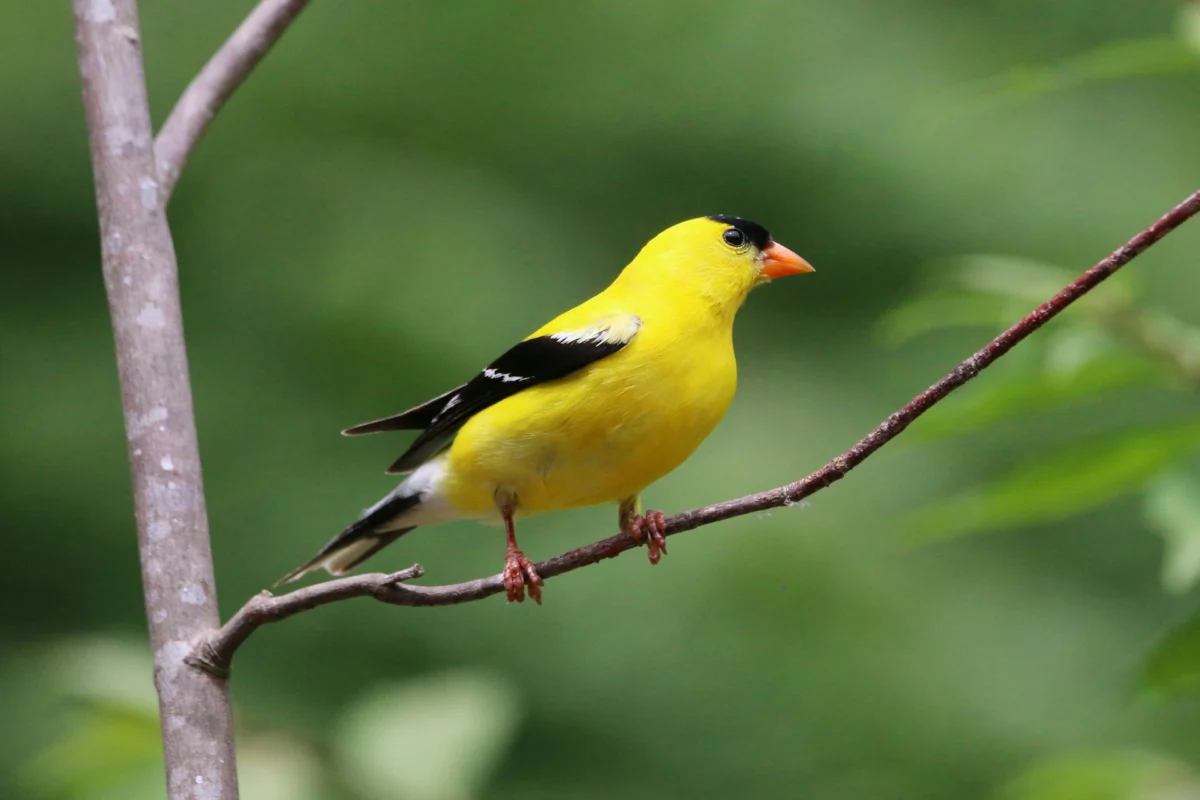
The American Goldfinch, with its striking yellow plumage and distinctive black and white markings, is a welcome sight in any backyard, especially during the often-monochromatic landscape of winter. Their cheerful chirping can inject a vibrant energy into the colder months, transforming a quiet yard into a lively avian haven. For those fortunate enough to reside within their natural range, particularly in the Northeastern United States where they are year-round residents, the prospect of attracting these delightful songbirds through the winter is an achievable and rewarding endeavor. This guide offers a detailed approach to creating an inviting environment for Goldfinches, addressing their specific needs and behaviors during the colder seasons.
Understanding the American Goldfinch: A Year-Round Resident
Unlike many bird species that undertake extensive migrations to warmer climates, the American Goldfinch ( Spinus tristis ) exhibits a fascinating adaptability that allows many populations to remain in their breeding territories throughout the year. This is particularly true for those in the northeastern United States, where their presence offers a consistent splash of color against the winter backdrop. Their diet, primarily composed of seeds, makes them uniquely suited to foraging even when insect life is scarce. This inherent resilience, coupled with specific habitat preferences, means that with a few thoughtful adjustments to one’s yard, attracting these birds in winter becomes a practical goal.
Five Essential Steps to Cultivate a Goldfinch Haven
Creating an inviting space for American Goldfinches in winter involves a multi-faceted approach, focusing on their dietary needs, shelter requirements, and preferences for a safe and comfortable environment.
Step 1: The Cornerstone of Attraction – Strategic Seed Selection
The diet of the American Goldfinch is fundamentally seed-based, making the provision of appropriate food the most crucial element in attracting them. While sunflower seeds are a universally appreciated offering, Goldfinches exhibit a particular fondness for smaller, oil-rich seeds.
Thistle Seed (Nyjer): A Goldfinch Favorite
Nyjer thistle seed, known for its tiny size and high oil content, is a premier attractant for Goldfinches. These seeds are readily available at most bird feeding supply stores and can be offered in several ways. While they can be added to standard tube feeders, their diminutive size makes them prone to falling through larger openings. Therefore, specialized thistle feeders or mesh thistle socks are highly recommended.
Thistle Socks: An Engaging Feeding Experience
Thistle socks, often made of a mesh material, allow birds to cling to the outside of the sock and extract the seeds through the fabric. This method not only provides a direct and efficient way for Goldfinches to access their preferred food but also offers a delightful visual spectacle as they hang and feed. The act of pulling seeds from the mesh mimics their natural foraging behaviors and can be particularly captivating for observers.
Seed Quality and Presentation in Winter
Maintaining the quality of the seeds is paramount, especially during winter months when moisture levels can increase. Damp seeds can become unappealing or even spoil, deterring birds. It is advisable to store seeds in a dry location and to periodically check feeders for any signs of mold or dampness. Regularly replacing uneaten food, ideally every three to four weeks, ensures that the offerings remain fresh and enticing. This consistent provision of high-quality food is a significant factor in establishing a reliable Goldfinch presence.
Beyond Seeds: Natural Food Sources
While seeds are their primary sustenance, Goldfinches will also supplement their diet by foraging on the bark of young twigs and fresh tree buds, particularly during times when seeds are less abundant. Incorporating native plants that offer these natural food sources can further enhance the appeal of your yard.

Step 2: Selecting the Ideal Bird Feeder
The type of bird feeder used plays a significant role in maximizing Goldfinch visits and ensuring they can feed undisturbed.
Specialized Goldfinch Feeders
Feeders specifically designed for Goldfinches are often smaller in size and feature perches or feeding ports that are ideally suited for their delicate feet and beaks. This smaller scale can effectively deter larger bird species, such as jays or grackles, which might otherwise dominate the feeding area and intimidate the smaller finches. By providing a dedicated space, you increase the likelihood of Goldfinches feeling secure enough to frequent your feeders.
Mesh and Tube Feeders for Seed Preservation
Mesh and tube feeders are particularly beneficial for dispensing thistle seed. Their construction often aids in keeping the seeds dry, a critical factor in winter. Tube feeders with small feeding ports ensure that only smaller birds like finches can access the seed, preventing waste and ensuring the food remains palatable. Mesh feeders, especially those designed for thistle, allow for excellent seed visibility and accessibility.
Mimicking Natural Feeding Habits
Some feeder designs are engineered to mimic the way birds forage in the wild. For instance, feeders that dispense seeds through a mesh or sock-like material encourage natural feeding behaviors, making the yard feel more like a natural habitat for the Goldfinches. This can significantly increase their comfort level and encourage longer visits.
Step 3: Integrating Natural Vegetation for Food and Shelter
Beyond artificial feeders, incorporating native plants that provide natural food sources and habitat is a powerful strategy for attracting Goldfinches.
Seed-Producing Plants
Sunflowers are an excellent choice, as their mature seed heads offer a bountiful supply of seeds that Goldfinches readily consume. Asters and coneflowers are also highly attractive to Goldfinches and other small songbirds, providing both seeds and nectar-rich flowers earlier in the season.
Wild Thistle and Its Appeal
Wild thistle plants are particularly prized by Goldfinches, especially in early autumn, but they continue to be a valuable food source throughout the winter. The birds are adept at extracting the thin seeds from the thistle heads with remarkable precision.
Nesting Material and Additional Foraging
Certain plants serve not only as food sources but also as crucial materials for nest building. Cattails, dandelions, and milkweed are favored by Goldfinches for their downy seeds and fibers, which they use to construct their nests. While this is more relevant during the breeding season, the presence of these plants can contribute to the overall appeal of the yard as a habitat.
Plants to Avoid
It is important to be mindful of plants that could pose a risk to Goldfinches. Burdock, with its numerous burrs, can inadvertently entangle and harm these small birds. Careful selection of native flora can create a safe and nurturing environment.

Step 4: Cultivating a Secure and Welcoming Environment
Attracting Goldfinches is not solely about providing food and attractive plants; it is also about creating a sense of safety and security that encourages them to linger.
Managing Bird Interactions
Goldfinches are generally wary of larger bird species. While they may coexist peacefully with birds like Black-capped Chickadees and Chipping Sparrows, more assertive species such as Blue Jays can be intimidating. Implementing a strategy of providing multiple feeders, spaced strategically, can help mitigate competition. Using feeders with smaller perches and openings can further limit access for larger birds, ensuring that Goldfinches have unimpeded access to their food sources. This tiered approach to feeding can create a more harmonious environment for all birds.
The Importance of Water Sources
A consistent water source, such as a birdbath or a shallow fountain, is an essential component of a bird-friendly yard. Even in winter, birds require water for drinking and bathing. Providing a birdbath can significantly enhance the attractiveness of your yard, offering a vital resource that is often scarce during colder months.
Step 5: Offering Warm Water for Winter Comfort
During winter, providing a source of warm water can be a significant attractant for Goldfinches and other bird species.
Winter Water Needs
Birds require water not only for hydration but also for maintaining the cleanliness and condition of their plumage. In freezing temperatures, open water sources can become inaccessible. Offering warmed water in a birdbath or a heated bird bath can be a game-changer for winter bird feeding. This vital resource ensures that birds can continue their essential grooming routines, making your yard a highly desirable destination.
Practical Considerations for Heated Bird Baths
Heated bird baths are available commercially and are designed to prevent water from freezing. They typically have a low-wattage heating element that keeps the water at a temperature suitable for bathing. Maintaining the water level and ensuring the bath is clean are key to its effectiveness. The presence of a reliable, unfrozen water source during winter can dramatically increase the frequency of Goldfinch visits.
Understanding Goldfinch Migration Patterns
The migratory behavior of American Goldfinches varies geographically. In the northeastern United States, they are largely resident birds, meaning they do not undertake long-distance migrations and can be attracted to feeders year-round. However, populations in other parts of the continent may migrate south to warmer regions during the winter months, sometimes as far as Mexico. Conversely, during the summer, some Goldfinches may travel north to cooler climates, extending their range into mid-Canada. Understanding the migratory patterns of Goldfinches in your specific region is crucial for setting realistic expectations for year-round visitation.
Seasonal Appearance: A Tale of Two Plumages
The American Goldfinch undergoes a notable seasonal change in appearance, particularly in males. During the breeding season (spring and summer), adult males are renowned for their brilliant, almost luminous yellow bodies, contrasted with a black cap on their heads and black wings with white markings. This vibrant coloration serves to attract mates.
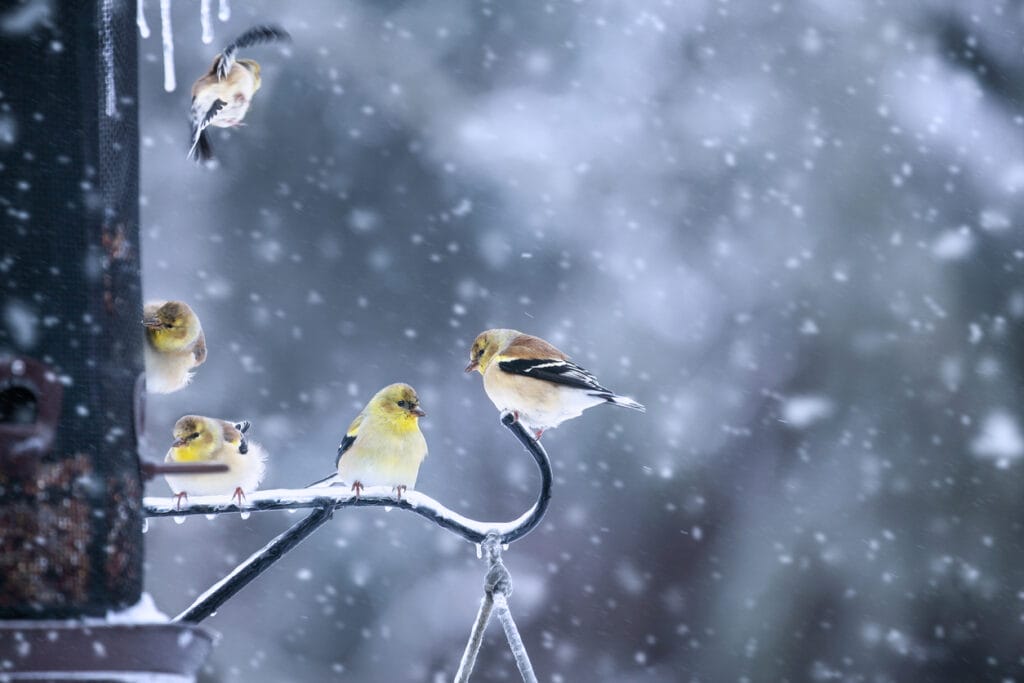
In stark contrast, during the non-breeding season (fall and winter), both males and females adopt a more subdued plumage. Males molt into a duller, brownish-yellow or buff color, losing their distinctive black cap. Females, which are already less vibrant than breeding males, typically exhibit a light-brown or olive-green coloration with hints of yellow. Young birds often have even duller, earthier tones. This chromatic shift in males helps them blend into their surroundings and potentially avoid predation during the winter months. The visual similarity between sexes in winter can make distinguishing between them more challenging for casual observers.
Expected Goldfinch Behavior
American Goldfinches are known for their somewhat nervous disposition. They tend to be wary of humans and larger bird species, often exhibiting cautious behavior when first approaching a food source. However, their strong attraction to seeds typically overcomes this initial hesitation. They are generally comfortable interacting with other birds of similar size and often forage in small flocks.
Flocking Behavior
While Goldfinches are often seen singly or in pairs, they are known to gather in flocks, especially at abundant food sources. These gatherings can create a lively spectacle of small, yellow birds descending upon feeders. While flocking is common throughout the year, it is less likely to occur during the late-summer breeding period when birds are more focused on nesting and raising young.
The Melodious Voice of the Goldfinch
The vocalizations of the American Goldfinch are as characteristic as their appearance. Their song is a lively, musical series of chirps, trills, and whistles, often described as cheerful and somewhat repetitive, sometimes with a near-robotic quality. This distinctive song is a key indicator of their presence and a source of delight for bird enthusiasts.
Pre-Feeding Vocalizations
Before landing to feed, Goldfinches often exhibit a characteristic nervous tweeting. They may hover near a feeder for a period, assessing the safety of the situation, before committing to landing and feeding. This cautious approach is part of their natural behavior, ensuring their safety.
In-Flight Chatter
Goldfinches also frequently chatter while in flight. When a flock approaches, their collective calls often precede their visual arrival, signaling their presence and creating an auditory ambiance that announces their cheerful presence.
Conclusion: A Rewarding Endeavor for Bird Enthusiasts
Attracting American Goldfinches to your yard during the winter is a deeply rewarding experience that requires a thoughtful and consistent approach. By understanding their dietary preferences, providing suitable feeding stations, incorporating natural vegetation, and ensuring a safe and comfortable environment, you can transform your backyard into a vibrant sanctuary for these beloved songbirds. The simple yet effective strategies outlined—offering preferred seeds like thistle, utilizing specialized feeders, planting native flora, providing water sources, and maintaining a sense of security—will undoubtedly lead to more frequent and prolonged visits. Ultimately, creating a Goldfinch-friendly yard is an investment in nature’s beauty and a continuous source of avian delight, regardless of the season.
Frequently Asked Questions About American Goldfinches
What is the difference between a yellow finch and a goldfinch?
While the term "yellow finch" might colloquially refer to various yellow-colored birds, in North America, the most prominent species fitting this description and often confused with the American Goldfinch is the Yellow Warbler. The Yellow Warbler is a small, uniformly yellow bird, sometimes exhibiting reddish streaks on its breast. The American Goldfinch, particularly the male in breeding plumage, is also a bright yellow but is distinguished by a distinct black cap on its head and black markings on its wings and tail.
What is the lifespan of a goldfinch bird?
The lifespan of an American Goldfinch in the wild is typically between 3 to 6 years. However, with optimal living conditions, adequate food availability, and protection from predators, some individuals may live longer.
Are goldfinches always gold?
No, American Goldfinches are not always gold. Their iconic bright yellow coloration is most pronounced in adult males during the spring and summer breeding season, serving as a display for attracting mates. During the fall and winter, males molt into a duller, brownish-yellow or buff plumage, and females are generally less vibrantly colored year-round, exhibiting more muted yellow or olive-green tones. This seasonal dimorphism is a common adaptation in many bird species.

