


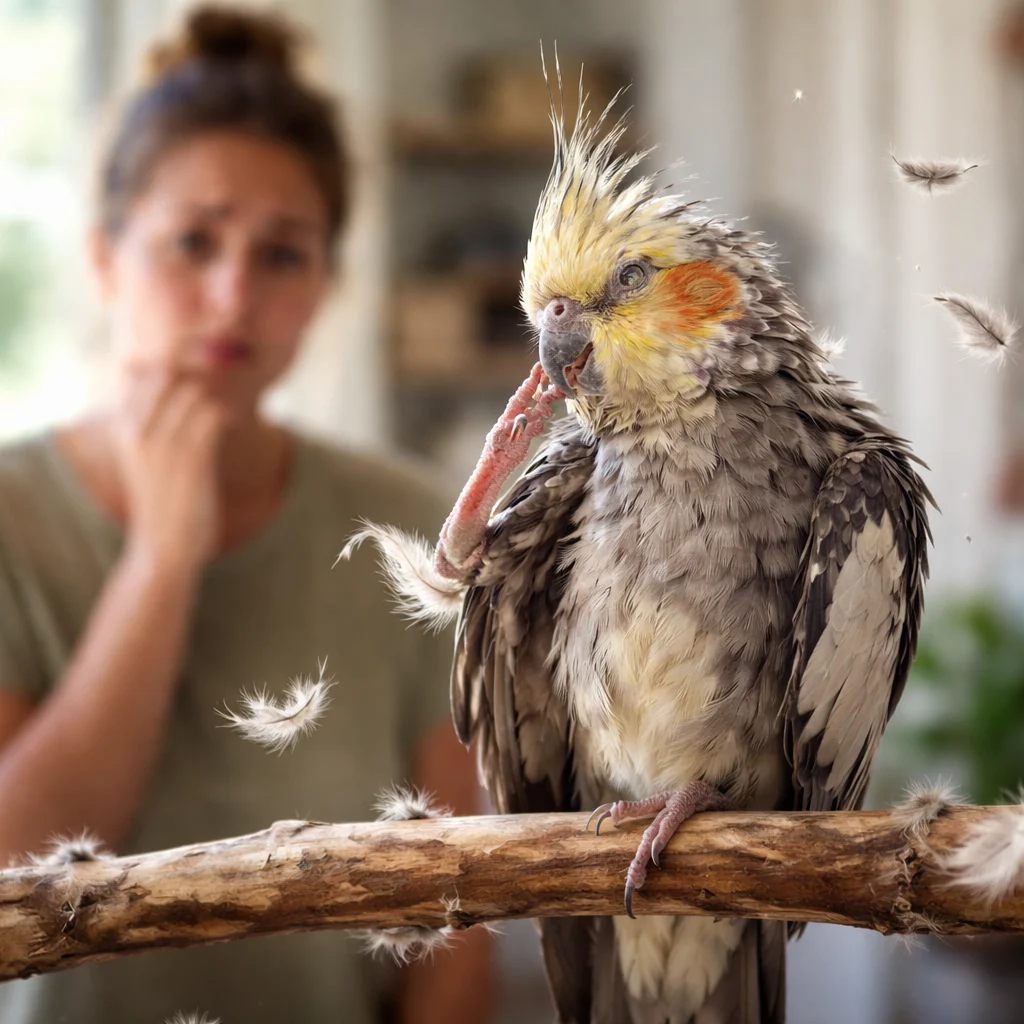
For bird owners, observing feather loss can often be a source of anxiety, prompting an immediate question: Is this a natural, healthy molt, or is my bird experiencing a distress-induced plucking issue? Distinguishing between these two phenomena is crucial for ensuring the bird’s welfare and providing appropriate care. While both result in feather loss, their underlying causes, implications, and required interventions are vastly different. A normal molt is a vital physiological process, whereas plucking often signals underlying health, nutritional, or behavioral problems that demand immediate attention.
Understanding the Natural Molting Process
Molting is the cyclical process by which birds replace old, worn, or damaged feathers with new ones. This biological imperative is essential for maintaining feather integrity, insulation, flight capability, and overall health. The frequency and intensity of molts vary significantly among species, influenced by factors such as age, species, reproductive cycles, season, and environmental conditions. Most captive birds experience one to two major molts per year, typically after breeding seasons or during periods of environmental change. Juvenile birds often undergo a "juvenile molt" as they mature, replacing their softer downy feathers with adult plumage.
During a normal molt, feather loss is typically symmetrical, meaning feathers are shed in a balanced pattern on both sides of the body. Common areas for symmetrical bald spots include under the wings, on the legs, or along the chest and back. This symmetrical shedding ensures that the bird maintains its ability to fly and regulate body temperature throughout the process. As old feathers fall out, new feathers, often referred to as "pin feathers" or "blood feathers," begin to emerge. These are characterized by a waxy keratin sheath that protects the developing feather. As the feather grows, the bird or its mate will preen, breaking down this sheath to allow the feather to unfurl. The appearance of these spiky pin feathers is a definitive sign of a healthy, active molt. While the process can be itchy and uncomfortable, leading to increased preening and occasional irritability in the bird, it should not result in open wounds or significant distress beyond temporary grumpiness.
Identifying the Red Flags: When Feather Loss Becomes Problematic
While molting is natural, certain signs indicate that feather loss is not merely a physiological reset but rather a symptom of a deeper issue, often feather plucking. Feather plucking is a complex and often frustrating condition that can stem from a multitude of factors, broadly categorized into medical, environmental, and behavioral causes.
A critical diagnostic indicator of plucking, as opposed to molting, is the appearance of ragged or chewed edges on the remaining feathers. Unlike the clean, natural shedding of a molt, plucking involves the bird actively pulling, chewing, or breaking its own feathers. This often results in a disheveled, unkempt appearance of the plumage. Furthermore, plucking tends to create asymmetrical bald spots, concentrating in areas the bird can easily reach, such as the chest, legs, and wings, while often leaving head feathers intact (unless another bird is plucking them).
The presence of blood or scabs on the skin surface is a significant red flag, moving the situation from a potential problem to an immediate emergency. This indicates self-mutilation or severe irritation, which can lead to infection, significant pain, and further complications. Any sign of skin trauma warrants an urgent consultation with an avian veterinarian.
Medical Causes of Feather Plucking:
- Parasites: External parasites like mites or internal parasites can cause intense itching, leading a bird to pluck at its feathers in an attempt to alleviate discomfort.
- Bacterial, Fungal, or Viral Infections: Skin or feather follicle infections can irritate, causing itching and subsequent plucking. Psittacine Beak and Feather Disease (PBFD) is a notable viral infection that causes abnormal feather growth and loss.
- Organ Disease: Liver, kidney, or thyroid disease can manifest through poor feather quality and chronic itching.
- Nutritional Deficiencies: A diet lacking essential amino acids, vitamins (especially A, D, E, B-complex), and minerals (like calcium, zinc, selenium) can result in brittle feathers, dry skin, and a propensity for plucking. For instance, a diet solely based on seeds is notoriously deficient in many vital nutrients.
- Allergies: While less common, birds can develop allergies to environmental factors or food ingredients, leading to skin irritation and plucking.
- Heavy Metal Toxicity: Exposure to lead, zinc, or other heavy metals can cause a range of symptoms, including skin irritation and feather destruction.
- Folliculitis or Dermatitis: Inflammation of the feather follicles or skin can cause discomfort.
- Pain: Any source of chronic pain (e.g., arthritis, internal injury) can lead a bird to displace its discomfort through plucking.
Environmental and Behavioral Causes of Feather Plucking:
- Lack of Environmental Enrichment: Birds, especially intelligent species like parrots, require constant mental stimulation. A barren cage, lack of toys, or insufficient interaction can lead to boredom, frustration, and the development of stereotypic behaviors like plucking.
- Stress and Anxiety: Changes in environment, new pets, household conflict, insufficient sleep, or separation anxiety can trigger plucking.
- Inappropriate Humidity: Indoor environments, especially during winter with heating systems, can become extremely dry. This dry air can lead to dry, itchy skin and brittle feathers, encouraging plucking.
- Lack of Bathing Opportunities: Regular bathing is crucial for feather health and hydration. Without it, feathers can become dry and uncomfortable.
- Poor Diet: Even without a clinical deficiency, a monotonous or low-quality diet can impact overall well-being, contributing to stress and poor feather condition.
- Sexual Frustration: Hormonal fluctuations and a lack of appropriate outlets during breeding season can manifest as plucking.
- Fear/Trauma: A past traumatic event or ongoing fear (e.g., from a predator outside the window) can induce chronic stress leading to plucking.
- Learned Behavior: Once plucking starts, it can become a self-reinforcing habit, even if the initial trigger is removed. The act itself can release endorphins, creating a positive feedback loop.
The Avian Health Stoplight: When to Call the Vet
Knowing when to seek professional veterinary intervention is paramount. The "Safety Stoplight" system provides a clear guide for bird owners:
-
RED LIGHT: CALL NOW. This indicates an emergency. Symptoms include:
- Bleeding or open wounds: Any active bleeding, raw skin, or scabs on the skin surface.
- Sudden onset of severe feather loss: Especially if accompanied by other signs of illness like lethargy, loss of appetite, changes in droppings, or ruffled appearance.
- Visible parasites: Active infestations of mites or other external parasites.
- Evidence of pain or distress: Hunching, fluffed feathers, rapid breathing, or unusual vocalizations combined with plucking.
- Rapid weight loss: This often accompanies serious underlying medical conditions.
- Inability to fly or perch normally: Indicating weakness or injury.
-
YELLOW LIGHT: MONITOR CLOSELY. This calls for vigilant observation and potentially a non-emergency vet visit soon. Symptoms include:
- Ragged or chewed feather edges: A strong indicator of plucking rather than molting.
- Asymmetrical bald spots: Suggests targeted feather removal by the bird.
- Increased irritability or aggression: Common during molting, but if severe or persistent, could signal distress.
- Changes in feather texture or quality: Dull, brittle, or discolored feathers.
- Reduced activity or playfulness: A subtle sign of discomfort or underlying issue.
- Persistent scratching or skin picking without bleeding: Indicates chronic itching.
- Any concerns about nutritional intake: If the bird is refusing certain foods or you suspect a dietary imbalance.
-
GREEN LIGHT: PROCEED WITH CARE. This indicates a normal molt, but still requires attentive support. Symptoms include:
- Symmetrical feather loss: Typical of a natural molt.
- Presence of spiky "pin feathers": Confirming new feather growth.
- Temporary grumpiness or itchiness: Normal behavior during a molt.
- No visible skin trauma or bleeding.
- Normal appetite, energy levels, and droppings.
Managing a Healthy Molt: Expert-Recommended Routine
Once a normal molt is confirmed, the owner’s role shifts to maximizing comfort and supporting efficient feather growth. Diane Burroughs, a psychotherapist and ABA-trained behaviorist with decades of experience, emphasizes reducing the "friction" associated with growing new feathers. Her 3-step expert routine focuses on hydration, nutrition, and skin comfort:
-
Hydration and Humidity: New feathers are essentially living tissue, requiring adequate moisture to grow properly and emerge from their keratin sheaths. Dry environments can make pin feathers itchy and difficult to unfurl, leading to discomfort and potentially even self-picking.
- Regular Bathing: Offer daily opportunities for bathing, either through a shallow dish, a misting bottle with lukewarm water, or even a shower perch. This helps soften pin feather sheaths, hydrate the skin, and remove dander.
- Increased Humidity: Use a humidifier, especially in dry climates or during heating seasons, to maintain ambient humidity levels between 50-70%.
- Aloe Vera Bird Spray: A specialized spray can provide instant relief for itchy pin feathers and dry skin. Aloe vera has soothing and moisturizing properties, making the molting process more comfortable for the bird.
-
Optimal Nutrition: Feather growth is a metabolically demanding process, requiring significant protein, vitamins, and minerals. A robust diet is crucial for producing strong, vibrant new feathers.
- High-Quality Pelleted Diet: This should form the foundation of a bird’s diet, providing a balanced spectrum of nutrients.
- Fresh Fruits and Vegetables: Offer a wide variety of dark leafy greens, orange and yellow vegetables, and fruits rich in vitamins and antioxidants.
- FeatherUp! + Biotin: Supplements formulated for feather health, often containing biotin, amino acids (especially methionine and lysine, critical for keratin synthesis), and B-vitamins, can significantly aid in growing strong feathers fast.
- Red Palm Oil: Rich in Omega-3 and Omega-6 fatty acids, as well as Vitamin A (beta-carotene), red palm oil contributes to vibrant, glossy plumage and healthy skin. These essential fatty acids are vital for cell membrane integrity and anti-inflammatory responses.
-
Environmental Enrichment and Stress Reduction: Even during a normal molt, a bird can be more irritable. Maintaining a stimulating and calm environment is vital.
- New Toys: Introduce new, safe toys to keep the bird engaged and distracted from potential discomfort.
- Adequate Sleep: Ensure 10-12 hours of uninterrupted sleep in a quiet, dark environment.
- Consistent Routine: Predictability can reduce stress.
- Social Interaction: Continue regular, positive interactions, but be mindful of the bird’s increased sensitivity.
Broader Implications and Preventative Measures
The distinction between molting and plucking carries significant implications for a bird’s long-term health and well-being. Misdiagnosing plucking as a normal molt can lead to chronic suffering, infections, and the worsening of underlying medical or behavioral conditions. Conversely, overly aggressive treatment for a normal molt can be unnecessary and stressful.
Chronic feather plucking, if left unaddressed, can escalate to self-mutilation, leading to severe skin infections, permanent follicle damage preventing future feather growth, and systemic illness due to constant stress. It also impacts the bird’s ability to regulate body temperature and fly effectively, compromising its overall quality of life.
Preventative measures are the cornerstone of good avian husbandry:
- Annual Avian Veterinary Check-ups: Regular health screenings can catch potential medical issues before they escalate into plucking behavior.
- Balanced and Diverse Diet: A high-quality pelleted diet supplemented with fresh produce is fundamental. Avoiding an all-seed diet is critical, as highlighted by avian experts like Diane Burroughs.
- Optimal Environmental Conditions: Providing appropriate cage size, lighting, humidity, and temperature is crucial.
- Mental and Physical Enrichment: A rich environment with a variety of toys, foraging opportunities, safe chew items, and regular out-of-cage time is essential for psychological well-being.
- Consistent and Positive Social Interaction: Birds are highly social creatures. Regular, positive interaction with their human companions helps build trust and reduces anxiety.
- Early Intervention: At the first sign of unusual feather loss or behavioral changes, consulting an avian veterinarian is the best course of action.
In conclusion, understanding the nuances of avian feather loss is a fundamental aspect of responsible bird ownership. While a natural molt is a testament to a bird’s vitality, persistent or abnormal feather loss, particularly with ragged edges or skin trauma, serves as a critical indicator of underlying issues. By recognizing the tell-tale signs, implementing supportive care during molting, and knowing when to seek expert veterinary intervention, bird owners can ensure their feathered companions maintain optimal health, comfort, and vibrant plumage throughout their lives. The insights provided by experts like Diane Burroughs underscore the importance of science-backed, behavior-first care that prioritizes both the physiological and psychological needs of these complex and fascinating creatures.
References
Chen, Y., Zhang, X., Li, X., Wu, X., & Liu, Y. (2020). Molecular Regulation of Feather Follicle Development and Molting in Birds. Frontiers in Physiology, 11, 568393.
Cooper, J. E., & Harrison, G. J. (Eds.). (1994). Avian Medicine: Principles and Application. Wingers Publishing.
Lightfoot, T. L. (2024). Feather Picking (Ptilotilism) in Birds. Merck Veterinary Manual. Retrieved from https://www.merckvetmanual.com/exotic-and-laboratory-animals/pet-birds/feather-picking-ptilotilism-in-birds

