


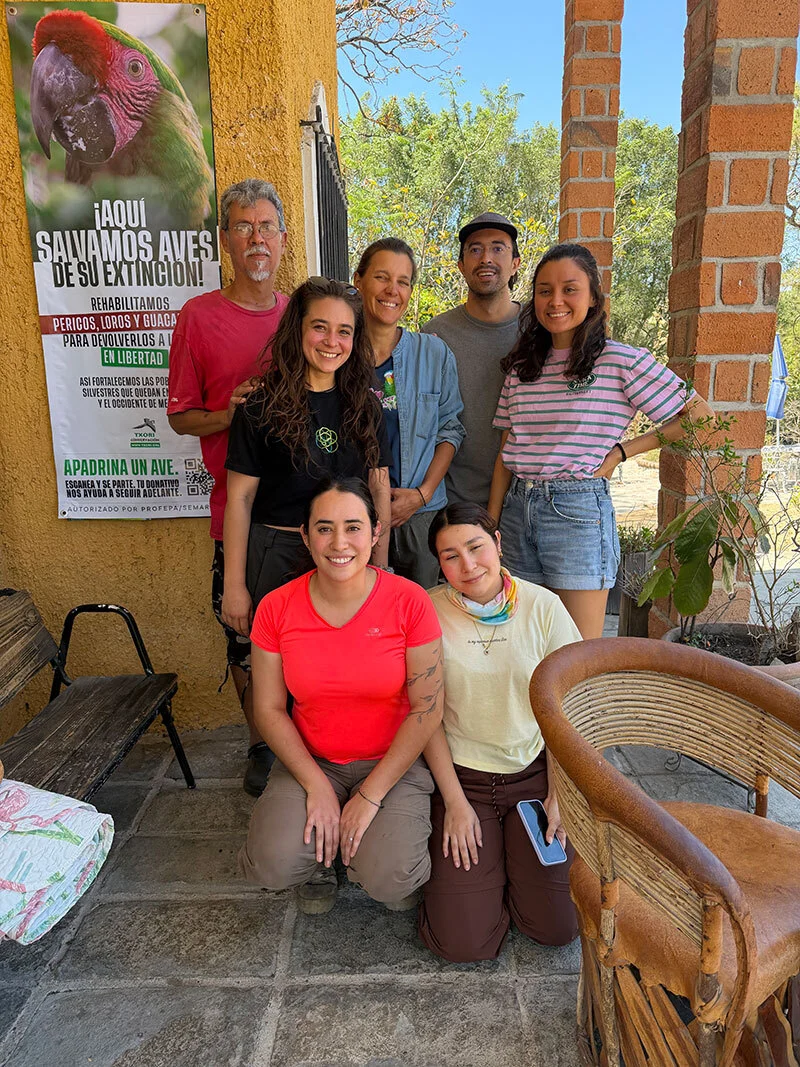
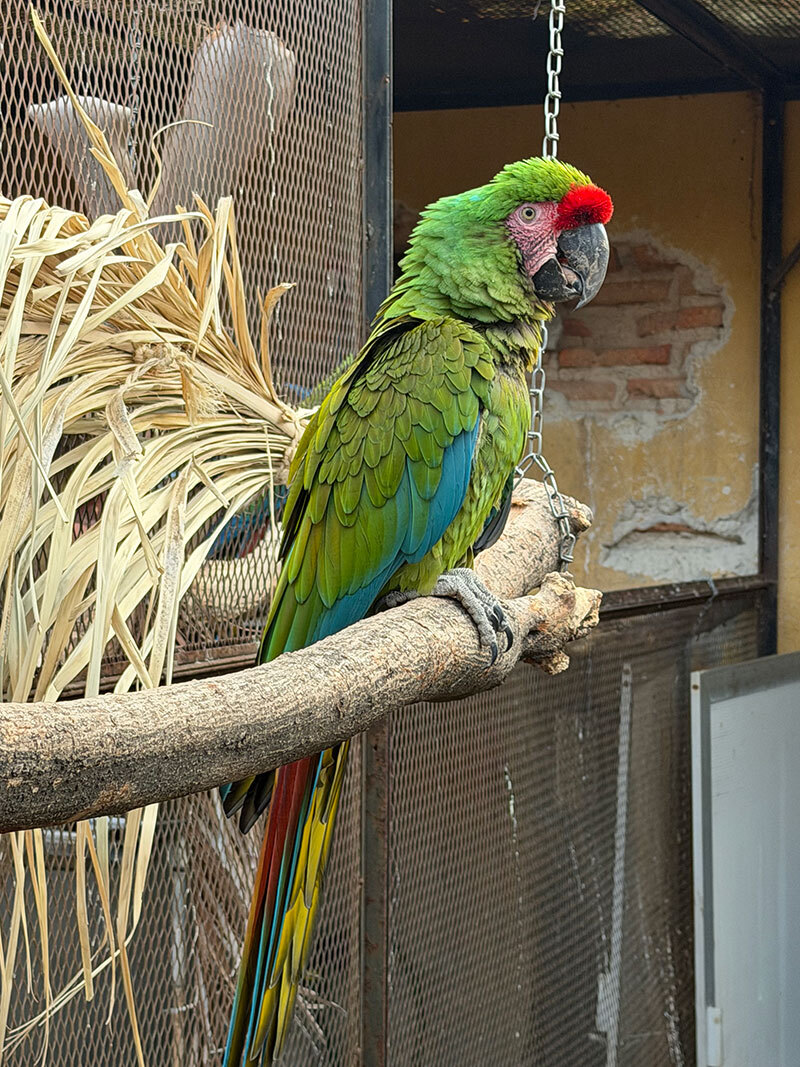
The vibrant emerald canopies and rugged Sierra Madre Occidental mountains of western Mexico once resonated with the cacophonous calls and displayed the iridescent plumage of thriving populations of Military Macaws (Ara militaris). These magnificent psittacines, instantly recognizable by their striking green feathers, crimson forehead, and bright blue wingtips, are not merely beautiful birds; they are keystone species, vital seed dispersers playing an indispensable role in maintaining the ecological health and biodiversity of their native tropical and subtropical dry forests. However, decades of relentless deforestation driven by illegal logging, the relentless encroachment of urban expansion, and the devastating scourge of illegal wildlife trafficking have pushed these once-abundant birds to the precipice, classifying them now as a species at high risk of extinction by the IUCN Red List. The sight of a wild flock, once a common spectacle, has become an exceedingly rare and poignant occurrence. Yet, amidst this dire outlook, a beacon of hope shines brightly from the dedicated efforts of the Txori Foundation, a Mexican conservation organization poised to undertake a monumental reintroduction project.
The Precipitous Decline of Ara militaris
To fully grasp the significance of the Txori Foundation’s ambitious undertaking, it is crucial to understand the severe pressures that have driven the Military Macaw to its current precarious state. Historically, Ara militaris populations spanned a wide, though fragmented, range from Mexico south through parts of Central and South America. In Mexico, their strongholds were traditionally found across the Pacific slope, particularly in the states of Jalisco, Michoacán, Guerrero, and Oaxaca, as well as portions of the Gulf slope. These areas provided the specific ecological niches—dense forests with tall trees for nesting and roosting, and diverse fruit-bearing plants for sustenance—that the macaws require.
However, the latter half of the 20th century and the early 21st century have witnessed an accelerated degradation of these critical habitats. Illegal logging, often driven by demand for timber and agricultural expansion, has systematically decimated vast swathes of Mexico’s old-growth forests. The National Forestry Commission (CONAFOR) has reported significant deforestation rates in Mexico, with tropical dry forests, a key macaw habitat, being particularly vulnerable. This habitat destruction is not just about reducing the physical space; it’s about fragmenting remaining populations, isolating them, and cutting off crucial genetic exchange. When forests are cleared, nesting sites in large, mature trees are lost, and food sources become scarce, directly impacting the macaws’ ability to reproduce and survive.
Simultaneously, rapid urban development and infrastructure projects have consumed natural landscapes, further fragmenting habitats and increasing human-wildlife conflict. Roads, settlements, and agricultural fields act as impermeable barriers for macaws, making it difficult for them to access resources or find mates outside their immediate, shrinking territories. The expansion of human settlements into previously untouched areas not only destroys habitat but also increases disturbance, noise pollution, and the risk of accidental or intentional harm to wildlife.
Perhaps the most insidious threat, however, has been the relentless illegal wildlife trade. Military Macaws, with their striking appearance and ability to mimic sounds, are highly prized in the illicit pet market, both domestically and internationally. Mexico is a biodiversity hotspot, making it a target for wildlife traffickers. Poachers often raid nests, taking chicks before they can fledge, a practice that not only decimates future generations but also often results in the death of parent birds attempting to defend their young. The mortality rate for macaws caught in the illegal trade is staggeringly high, with estimates suggesting that only a fraction of captured birds survive the brutal journey from their natural habitat to potential buyers. These trafficked birds often endure horrific conditions, leading to disease, injury, and severe psychological trauma, making their chances of ever returning to the wild virtually nonexistent without intensive intervention. Military Macaws are listed on CITES Appendix I, which prohibits international commercial trade, yet the black market continues to thrive, fueled by high demand and lucrative profits.
The cumulative effect of these pressures has been a dramatic population crash. While precise historical figures are challenging to ascertain, conservative estimates suggest that Mexican Military Macaw populations have plummeted by over 50% in the last few decades, with some local populations entirely extirpated. This stark reality underscores the urgent need for robust conservation interventions like those spearheaded by the Txori Foundation.
The Txori Foundation: A Legacy Forged in Crisis
The Txori Foundation, established in 1989, emerged from a growing recognition of Mexico’s escalating environmental crises. For over three decades, the Foundation has been at the forefront of wildlife conservation efforts across Mexico. Its inception was a direct response to the alarming rates of deforestation and species loss observed throughout the late 20th century, particularly impacting iconic Mexican fauna. From its early days, Txori adopted a holistic approach, understanding that effective conservation requires not only direct intervention with endangered species but also habitat protection, community engagement, and policy advocacy.
Over the years, the Foundation has undertaken numerous projects, from restoring degraded ecosystems to establishing protected areas and conducting vital research. Their unwavering commitment to scientific rigor and community partnership has earned them a reputation as a pivotal player in Mexican conservation. The current, most critical mission, however, focuses squarely on a precious flock of 16 Military Macaws residing at their state-of-the-art sanctuary. These 16 individuals represent a profound investment of resources, expertise, and hope, as they undergo meticulous preparation for a monumental milestone: a complete release back into the wild.
Preparing for Freedom: The Rigorous Rehabilitation Program
The journey for these 16 macaws from their past lives—often marked by trauma from trafficking or the vulnerability of being orphaned—to their impending freedom is an intensive, scientifically guided process. The Txori Foundation’s rehabilitation program is designed not just to heal physical ailments but to re-instill the complex behavioral repertoire essential for survival in the wild. This demands a specialized, multidisciplinary team, each member contributing critical expertise:
- Avian Veterinarians and Technicians: Responsible for the macaws’ physical health, conducting regular check-ups, administering necessary treatments, and managing disease prevention. Their work ensures that the birds are in peak physical condition, free from parasites, and strong enough to endure the rigors of wild existence. They also conduct pre-release health screenings to prevent the introduction of pathogens into wild populations. Each macaw undergoes a comprehensive health assessment, including blood tests, pathogen screenings, and physical examinations, to certify their fitness for release.
- Avian Behaviorists and Ethologists: These experts meticulously observe and analyze the macaws’ natural behaviors, designing enrichment programs that encourage foraging, problem-solving, and social interaction. They are crucial in helping the birds develop innate predator recognition skills and avoid human interaction, which is paramount for their long-term survival in the wild. This involves creating scenarios that mimic natural challenges, such as identifying edible plants, finding water sources, and recognizing alarm calls from potential threats like raptors or terrestrial predators. Flight training in large, specialized aviaries also helps them build endurance and agility necessary for navigating dense forest canopies.
- Nutritionists: Developing and monitoring species-appropriate diets that mirror the nutritional intake of wild macaws is vital. This prepares their digestive systems for the varied and often challenging food sources they will encounter post-release, ensuring they are strong and healthy. The diet gradually shifts from captive-provided staples to a wider array of native fruits, seeds, and nuts found in their future release environment.
- Field Biologists and Ecologists: These professionals are instrumental in selecting the optimal release sites within the macaws’ historical biological corridors. They conduct extensive surveys of habitat quality, food availability, water sources, potential threats (human and natural predators), and the presence of existing wild macaw populations for potential integration. They will also lead the post-release monitoring efforts, tracking the birds’ movements and adaptation. Site selection involves rigorous analysis of satellite imagery, ground surveys, and consultations with local communities and indigenous groups.
- Animal Care Specialists: The daily caretakers who build trust with the macaws, provide structured environments, and implement the behavioral training programs developed by the behaviorists. They ensure the birds’ welfare and act as the first line of observation for any changes in health or behavior, reporting to the veterinary and behavior teams. Their dedication is critical for the continuous, hands-on care required.
- Community Engagement Specialists: Working with local communities near potential release sites is critical. These specialists build relationships, educate residents about the macaws’ importance, and foster a sense of stewardship, which is vital for preventing future poaching and ensuring the birds’ safety. This includes workshops on the ecological role of macaws, sustainable practices, and the legal ramifications of wildlife trafficking.
The ultimate objective of this massive, coordinated effort is not merely to release birds, but to reintroduce a viable, self-sustaining flock into their original biological corridors. This strategic reintroduction aims to help naturally repopulate the species, infuse new genetic diversity into potentially isolated wild groups, and spark a true recovery for Mexico’s magnificent wild macaw populations. The careful selection of release sites ensures that the macaws have access to abundant natural resources and suitable nesting areas, maximizing their chances of survival and successful breeding.
The Countdown to March 2027: A Race Against Time and Funding
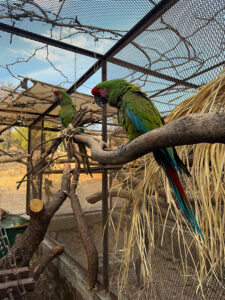
The grand release of these 16 Military Macaws is tentatively scheduled for March 2027, a date that represents both a culmination of years of tireless work and the beginning of a new chapter for the species. This ambitious timeline, however, is contingent upon the Txori Foundation overcoming its most persistent challenge: securing steady financial resources. As a privately funded conservation project, Txori faces the ongoing uphill battle of meeting substantial fundraising goals.
The costs associated with a project of this scale are considerable and non-negotiable, encompassing every stage from initial rescue to long-term post-release monitoring. Before the aviary doors can swing open, the Foundation must ensure complete coverage for a range of essential expenses:
- Aviary Maintenance and Upgrades: Maintaining state-of-the-art enclosures that mimic natural habitats and provide ample space for flight conditioning is crucial. This includes climate control, security measures, and ongoing structural upkeep. The large pre-release aviaries require significant investment to ensure they are predator-proof and offer complex environments for the macaws to practice flight and foraging.
- Specialized Veterinary Care and Medicines: The health of each macaw is paramount. This includes regular veterinary examinations, emergency medical interventions, vaccinations, disease screening, and a stock of specialized avian medications. A single emergency surgery or an unforeseen illness can incur significant costs.
- High-Quality, Species-Appropriate Feed: Providing a diverse and nutritious diet, replicating what they would find in the wild, is essential for their physical health and successful transition to foraging independently. This involves sourcing a wide variety of native fruits, nuts, and seeds, which can be expensive and logistically challenging.
- Salaries for Specialized Staff: The multidisciplinary team of veterinarians, behaviorists, biologists, and animal care specialists are highly trained professionals whose expertise is indispensable. Their salaries represent a significant operational cost, reflecting the specialized nature of their work.
- Field Equipment for Monitoring: Post-release tracking requires advanced equipment such as GPS transmitters (often attached to leg bands or tail feathers), specialized binoculars, drones for aerial observation, and vehicles for accessing remote release sites. These technologies are crucial for understanding the birds’ movements, identifying potential threats, and assessing adaptation success, with individual GPS units costing hundreds to thousands of dollars.
- Anti-Poaching Patrols and Community Outreach Programs: Protecting the macaws once they are released requires proactive measures. This includes funding for local anti-poaching units, educational workshops for communities living near the release sites, and incentives for locals to become conservation allies rather than potential threats. Establishing and maintaining these relationships is an ongoing investment.
- Long-Term Monitoring Expenses: The success of a reintroduction is not measured solely by the release itself but by the long-term survival and reproduction of the released individuals. This requires continuous monitoring for several years, which includes staff time, equipment, and data analysis. This phase is critical to determine the true success and ecological impact of the reintroduction.
- Contingency Funds: Unexpected challenges, such as disease outbreaks, natural disasters, or increased poaching pressure, require readily available funds to ensure rapid response and continued project viability. Environmental variability and human impacts necessitate a robust emergency fund.
- Research and Data Analysis: Ongoing research into macaw behavior, population genetics, and habitat use provides invaluable data for refining conservation strategies and ensuring the long-term success of the project. Publishing findings also contributes to global conservation knowledge.
The Txori Foundation aims to raise a substantial amount by late 2026 to ensure all these critical components are fully funded. Without this financial backing, the March 2027 release, and indeed the entire future of these 16 macaws, hangs in the balance.
Statements from the Frontlines of Conservation
"This reintroduction project is more than just releasing birds; it’s about restoring a piece of Mexico’s natural heritage and correcting past wrongs," states Dr. Elena Ramirez, Lead Avian Biologist for the Txori Foundation. "Each of these 16 macaws represents years of dedicated care, scientific research, and an unwavering belief in their capacity to thrive in the wild. The challenges are immense, from ensuring they have the survival skills to securing the protected habitat

