


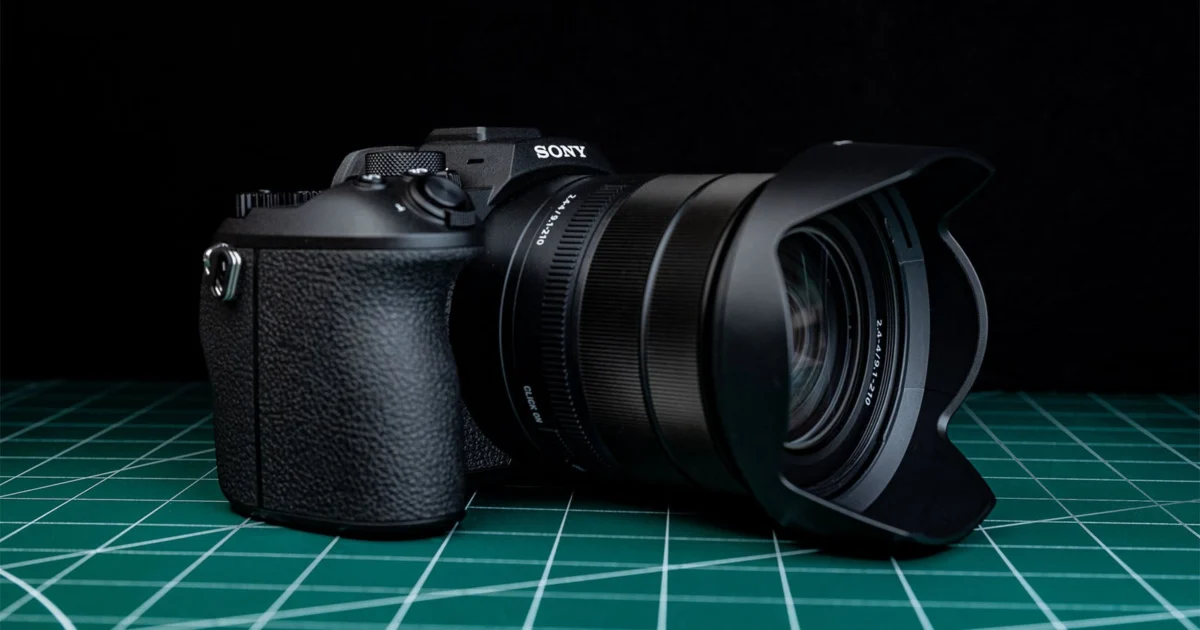
Sony has officially introduced the RX10 V, marking the first update to its high-end bridge camera line since the release of the RX10 IV in late 2017. Priced at $2,299, the RX10 V arrives in a vastly different imaging landscape than its predecessor, facing stiff competition from increasingly capable mirrorless systems and the rapid advancement of smartphone computational photography. The launch has sparked a diverse range of reactions from the photography community, with experts weighing the camera’s unparalleled versatility against its significant price tag and the inherent physical limitations of its one-inch sensor. While the RX10 V is widely regarded as the most capable all-in-one camera currently available, professional consensus remains divided on whether its performance justifies a cost that rivals many full-frame interchangeable lens setups.
A Chronology of the Sony RX10 Series
The RX10 series debuted in 2013, establishing a new category for "bridge" cameras by pairing a relatively large one-inch sensor with a high-quality, fixed zoom lens. Prior to this, bridge cameras typically utilized much smaller sensors found in point-and-shoot models, resulting in poor low-light performance and limited dynamic range.
The series saw rapid iterations in its early years. The RX10 II (2015) introduced a stacked CMOS sensor for faster data readout and 4K video. The RX10 III (2016) dramatically extended the reach of the lens from 200mm to 600mm (equivalent), making it a favorite for wildlife and sports enthusiasts. The RX10 IV (2017) brought Phase Detection Autofocus (PDAF) to the lineup, significantly improving tracking capabilities. However, following the RX10 IV, the line went dormant for nearly nine years. During this hiatus, industry analysts speculated that Sony might abandon the bridge camera format in favor of its Alpha series mirrorless cameras. The 2026 release of the RX10 V confirms Sony’s belief that a niche remains for photographers who demand a "one-lens-does-all" solution without the bulk or complexity of interchangeable systems.
Technical Specifications and Hardware Refinements
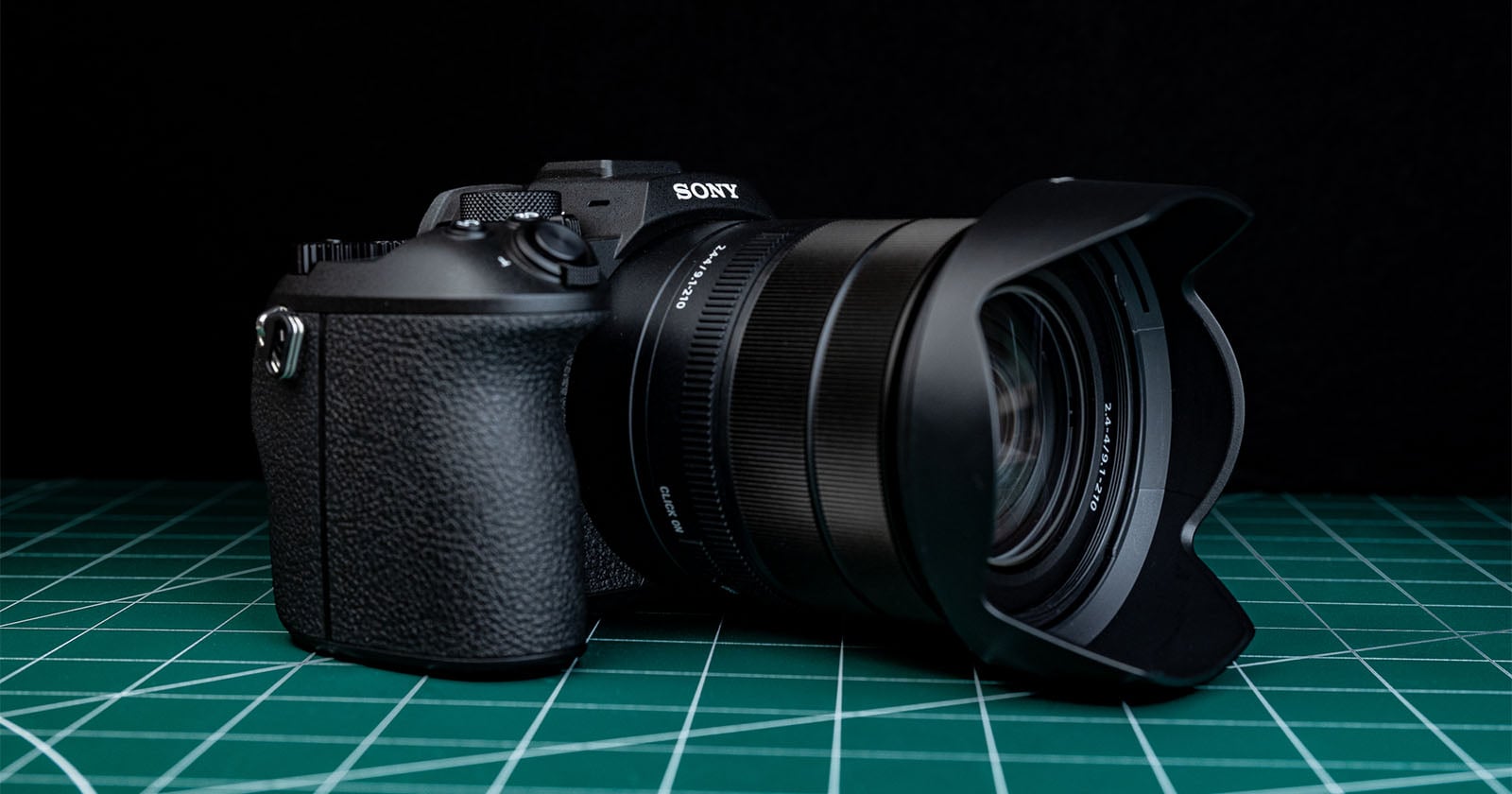
The Sony RX10 V retains the signature Zeiss Vario-Sonnar T* 24-600mm f/2.4-4 lens that defined its predecessors. This optic remains a feat of engineering, providing a 25x optical zoom range that would require multiple heavy lenses to replicate on a full-frame system. Internally, the camera features a new iteration of the 20.1-megapixel stacked CMOS sensor, paired with the latest Bionz XR processing engine and a dedicated AI processing unit—hardware shared with Sony’s high-end Alpha mirrorless cameras.
The body has undergone a significant redesign to improve ergonomics and professional utility. Key hardware features include:
- Enhanced Electronic Viewfinder (EVF): A higher-resolution panel with improved refresh rates for better tracking of fast-moving subjects.
- Improved Buffer Depth: The ability to capture long bursts of images without the camera slowing down, a critical requirement for sports and wildlife.
- Video Upgrades: The inclusion of 10-bit 4:2:2 recording, S-Cinetone color profiles, and improved heat management for extended recording sessions.
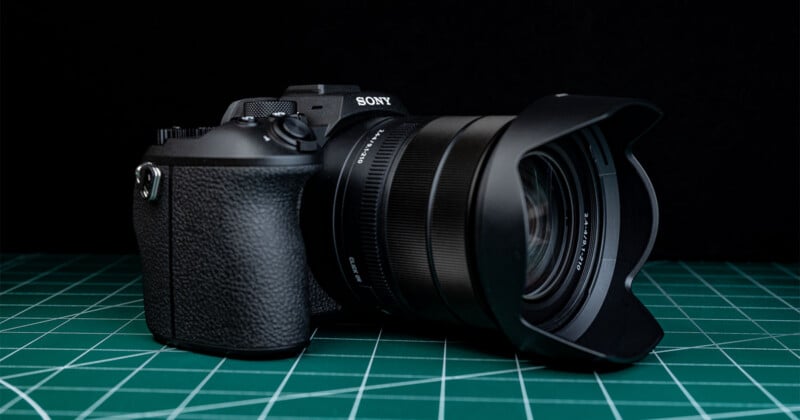
- Physical Interface: A more robust grip and refined button layout designed to mimic the tactile experience of the Sony Alpha 1 and Alpha 7R series.
Professional Perspectives: The Wildlife and Safari Utility
For wildlife photographers, the RX10 V presents a compelling paradox. Steve Perry, a renowned wildlife photographer, initially expressed skepticism regarding the camera’s ability to handle professional-grade tasks. However, after field testing, Perry noted that the RX10 V exceeded expectations in areas of autofocus tracking and buffer capacity. He highlighted the camera’s ability to track small, erratic subjects like blackbirds in flight—a task that typically requires high-end mirrorless bodies.
Perry’s analysis suggests that while the RX10 V cannot replace a professional rig like a Sony a1 II paired with a 600mm f/4 prime lens—a combination costing upwards of $20,000—it serves as an exceptional secondary body or a primary tool for those who cannot justify the weight and expense of a full-scale telephoto kit. The ability to switch from a wide-angle landscape shot at 24mm to a tight bird portrait at 600mm in a matter of seconds is an advantage that interchangeable lens cameras cannot match without a second body.
Gordon Laing of Camera Labs echoed these sentiments, specifically identifying the RX10 V as the "ultimate safari camera." In environments where dust and grit make lens changes risky, an all-in-one sealed unit provides a distinct mechanical advantage. Laing emphasized that for travelers who want to capture a variety of scenes—from wide vistas to distant animals—the RX10 V offers a level of convenience that offsets its sensor-size limitations.
Critical Analysis: Image Quality and Pricing Concerns
Despite the praise for its versatility, the RX10 V faces criticism regarding its value proposition. Industry reviewers Chris Niccolls and Jaron Schneider of PetaPixel conducted independent tests and reached a more cautious conclusion. While acknowledging the camera’s improvements, they noted that the image quality remains tethered to the physics of a one-inch sensor.
Data from their testing indicates that while the RX10 V performs admirably in bright daylight, image quality deteriorates as the ISO sensitivity increases. This "noise" becomes a factor in low-light wildlife photography or indoor sports. Furthermore, the reviewers pointed out several technical omissions that feel "old-fashioned" given the $2,299 price point:
- Lossy RAW Constraint: To utilize the fastest electronic shutter speeds, users are often forced to shoot in lossy RAW formats, which can limit post-processing flexibility.
- Lack of Pre-Capture: Unlike many modern competitors, the RX10 V lacks a "pre-capture" feature that buffers images before the shutter is fully pressed, a tool increasingly considered essential for action photography.
- High ISO Performance: Compared to APS-C or full-frame sensors available at similar price points, the RX10 V struggles to maintain detail in shadows when lighting conditions are less than ideal.
The central tension of the RX10 V lies in its price. At over $2,000, it competes directly with cameras like the Sony a6700 or even the full-frame Sony a7 IV. While those cameras require additional investment in lenses, they offer superior image quality and more advanced features.
Hybrid Performance and Content Creation
In the realm of video, the RX10 V has seen significant progress. Content creator Jason Vong highlighted the camera’s appeal to "hybrid" users who need to jump between high-resolution stills and professional-grade video. The inclusion of modern Sony autofocus algorithms means the camera can reliably track human and animal eyes during video recording, a major leap over the RX10 IV.
Vong identified three primary demographics for the RX10 V:
- The All-in-One Enthusiast: Users who prioritize convenience over absolute pixel-perfect quality.
- The Budget-Conscious Wildlife Hunter: Those who need 600mm of reach but cannot spend $10,000+ on telephoto glass.
- The Smartphone Upgrader: Travelers who find their mobile devices lacking in optical reach and want a "real" camera experience without the complexity of a lens library.
Market Implications and the Future of the Bridge Camera
The release of the RX10 V is a calculated move by Sony to dominate the high-end bridge camera market, a segment where the only other major competitor is the Panasonic Lumix FZ2500, which has not seen a significant update in years. By pricing the RX10 V at a premium, Sony is signaling that this is a specialized tool for a specific type of user rather than a mass-market consumer product.
The implications for the broader industry are twofold. First, it demonstrates that there is still a profitable ceiling for small-sensor cameras if they are paired with extraordinary optics and high-end processing. Second, it highlights the "versatility tax" that consumers are seemingly willing to pay. The RX10 V is not designed for the photographer who wants the best possible image; it is for the photographer who wants to ensure they never miss a shot because they had the wrong lens attached.
Final Assessment: Who Is the RX10 V For?
The Sony RX10 V occupies a unique, if polarizing, position in the 2026 camera market. It is simultaneously the best bridge camera ever made and a device that many photographers may find difficult to justify financially.
For the traveler, the safari-goer, and the outdoor enthusiast who values portability and range above all else, the RX10 V has no equal. It provides a level of reach and speed that was unthinkable in a single-body solution a decade ago. However, for the professional or the enthusiast who demands the highest possible dynamic range, low-light performance, and the latest computational assists like Pre-Capture, the RX10 V may feel like a compromise.
As the imaging world continues to bifurcate into ultra-mobile smartphones and ultra-powerful full-frame systems, the RX10 V stands as a bridge between the two—a sophisticated, albeit expensive, reminder that sometimes the most valuable feature a camera can offer is the ability to be ready for anything.

