


Bringing a parrot into your home is a joyous occasion, marking the start of a unique companionship with one of nature’s most intelligent and charismatic creatures. However, the excitement of selecting the perfect cage and an array of stimulating toys must be tempered with a critical assessment of your living environment. Parrots, while incredibly smart and capable of complex thought, possess an insatiable curiosity and an innate drive to explore their surroundings, instincts that can unfortunately lead them into significant danger within a human-designed habitat. Unlike domestic mammals, birds navigate the world primarily through their beaks and an intense need to investigate, often without any understanding of the inherent risks posed by everyday household items.
The responsibility for safeguarding these feathered family members falls squarely on their owners. Pet parrots, despite their domestication, retain many wild instincts, including chewing to maintain beak health and exploring potential nesting sites. These natural behaviors, when unchecked, can transform a comfortable home into a minefield of hazards. The global rise in exotic pet ownership, particularly parrots, has brought increased attention to the specialized care and environmental modifications required to ensure their well-being. Estimates suggest millions of households worldwide include avian companions, underscoring the widespread need for comprehensive safety guidelines. Avian veterinarians and animal welfare organizations consistently emphasize that proactive "parrot-proofing" is not merely a recommendation but a fundamental aspect of responsible ownership, aiming to prevent common, yet often fatal, accidents.
Understanding Parrot Instincts and Domestic Hazards
Parrots are inherently curious, a trait that makes them engaging companions but also puts them at risk. Their powerful beaks are not just for eating; they are tools for exploration, communication, and environmental modification. In the wild, parrots spend significant time chewing bark, branches, and fruits, behaviors essential for maintaining beak health and creating nesting hollows. In a home environment, this translates to an urge to chew on anything within reach – from wooden furniture to electrical wires. Their highly developed senses allow them to detect subtle changes and stimuli, drawing them towards potentially dangerous objects. Furthermore, their instinct to seek out enclosed spaces, particularly when hormonal or broody, can lead them into tight, perilous spots. Recognizing these core instincts is the first step in effectively mitigating risks.
Key Pillars of Parrot-Proofing: A Comprehensive Guide
To assist current and prospective parrot owners, a detailed checklist of critical safety measures is provided below, designed to transform your home into a secure sanctuary for your avian friend. This guide goes beyond basic awareness, offering practical steps and contextual information to ensure every family member is aligned in prioritizing your parrot’s safety. It is crucial for all household members to be fully aware of these precautions, understand basic parrot emergency care, and have the contact information for an avian veterinarian readily available.
1. Electrical Hazards: The Silent Threat
Parrots’ natural urge to chew makes electrical cords and outlets particularly dangerous. A parrot’s beak can easily strip insulation, exposing live wires and leading to severe burns, cardiac arrest, or electrocution. While some birds may survive an electric shock, the experience is incredibly traumatic and often results in lasting health complications. Common household appliances, entertainment systems, and charging cables often present irresistible targets for a curious beak.
- Protective Measures: All electrical cords in areas accessible to your parrot must be either completely hidden or protected. This can be achieved by routing cables behind heavy furniture, using rigid PVC piping as conduit, or employing specialized cord protectors available at hardware stores. Ensure outlets are covered with child-proof caps, especially low-lying ones. Regular inspections of cords for any signs of chewing are paramount, as even minor damage can pose a risk.
2. Invisible Dangers: Air Quality and Fumes
Parrots possess an incredibly efficient yet highly sensitive respiratory system, making them exceptionally vulnerable to airborne toxins. Their unique anatomy, including nine air sacs that extend throughout their bodies, means they absorb airborne particles and gases much more efficiently than mammals. This sensitivity is famously illustrated by the "canary in the mine" phenomenon, where canaries were used to detect dangerous gases before they could harm human miners.
- Common Airborne Toxins:
- PTFE (Teflon) Fumes: Overheated non-stick cookware, particularly those coated with polytetrafluoroethylene (PTFE), release toxic fumes that are rapidly fatal to birds, a condition often referred to as "Teflon Flu." These fumes are odorless and colorless, making them undetectable to humans until it’s too late.
- Aerosols and Scented Products: Air fresheners, perfumes, hairsprays, deodorants, cleaning sprays, and even scented candles or plug-in diffusers can contain volatile organic compounds (VOCs) that irritate and damage a parrot’s delicate respiratory system.
- Smoke and Combustion Byproducts: Cigarette, cigar, or vape smoke, burned food, fireplace smoke, and fumes from gas heaters or stoves are highly detrimental. Even distant smoke from forest fires can significantly impact indoor air quality to a hazardous degree for birds.
- Chemical Cleaners: Strong chemical cleaners, paints, varnishes, and glues release fumes that are toxic. When cleaning, ensure your parrot is in a separate, well-ventilated room, and ventilate the main area thoroughly before reintroducing your bird.
- Preventative Actions: Strictly avoid using any scented products or aerosols in rooms where your parrot resides or frequents. Ensure adequate ventilation in your home. Install carbon monoxide detectors and smoke detectors, not only for your family’s safety but also as a crucial early warning system for your avian companion. Opt for bird-safe cleaning products, such as vinegar and water solutions.
3. Accidental Ingestion: A Constant Vigilance
Parrots explore with their beaks, and if an item is small enough, they will inevitably attempt to nibble on or even ingest it. Many common household items and foods are highly toxic to birds, leading to severe illness or death.
- Toxic Substances:
- Medications and Recreational Drugs: Pills, liquid medications, cannabis products, and alcohol are extremely poisonous. Always keep them secured and out of reach.
- Toxic Foods: Chocolate (theobromine), avocado (persin), onion and garlic (thiosulphates), apple seeds (cyanide), caffeine, and artificial sweeteners like xylitol are highly toxic. Even seemingly harmless human foods can be dangerous if fed improperly (e.g., high-fat, high-salt, or sugary items).
- Heavy Metals: Zinc and lead are common culprits. Zinc toxicity can arise from galvanized cage wire, cheap metal toys, zippers, coins, and some costume jewelry. Lead can be found in old paint, stained glass, fishing weights, and certain inexpensive toys. Symptoms of heavy metal poisoning can include lethargy, weakness, vomiting, and neurological signs.
- Cosmetics and Cleaning Agents: Soaps, lotions, nail polish, and household cleaners are all highly toxic.
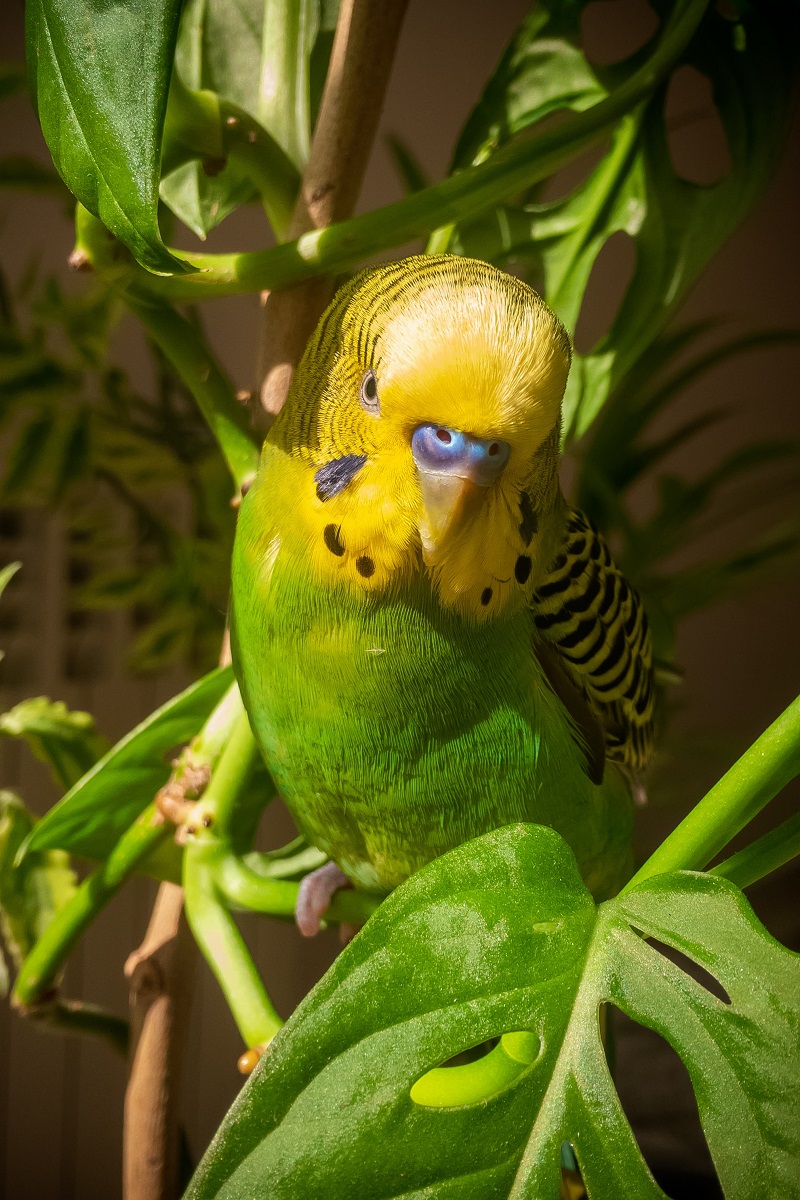
- Toxic Plants: While many houseplants are safe, numerous common varieties are toxic. For example, the Monstera adansonii pictured in the original context is mildly toxic, causing oral irritation. Other highly toxic plants include lilies, azaleas, rhododendrons, philodendrons, and diffenbachia. Owners must research every plant in their home and remove any that pose a risk or place them in completely inaccessible areas. A comprehensive list of parrot-safe houseplants should be consulted and strictly adhered to.
- Strategy: Maintain a strict "no-parrot-access" policy for dangerous items. Regularly scan rooms for dropped pills, small metallic objects, or any other ingestible hazards.
4. Navigating the Home: Doors, Windows, and Reflective Surfaces
The freedom of flight is exhilarating for a parrot, but an open door or window can quickly turn into a terrifying escape scenario. Once outside, a domestic parrot faces numerous dangers, including predators, traffic, starvation, and exposure to the elements. Retrieving an escaped parrot can be incredibly challenging, often requiring extensive searching and specialized techniques.
- Preventing Escapes: Develop a rigid habit of checking your parrot’s location (ideally, ensuring it is securely caged) before opening any exterior doors or windows. For rooms where your parrot frequently flies, consider installing mosquito netting or bird-safe screens on windows, providing an additional layer of security. If guests are present, clearly communicate the "parrot-proofing" rules, perhaps with visual reminders on doors and windows.
- Internal Barriers: Keep interior doors closed to prevent your parrot from accessing unsafe areas of the house (e.g., kitchen, laundry room) and to avoid accidental injuries. Parrots often enjoy perching on door tops, making them vulnerable to crushed toes or lost tail feathers if a door is inadvertently closed.
- Reflective Surfaces: Mirrors, large glass panels, and even highly polished surfaces can pose a significant collision risk. Parrots may perceive their reflection as another bird or a clear path, leading to impact. A common scenario involves a bird flying directly into a mirror, risking concussion, broken bones, or internal injuries. Covering mirrors or applying decorative decals to glass can help birds perceive these surfaces as barriers.
5. The Sanctuary Within: Cage and Toy Safety
A parrot’s cage is its primary sanctuary, yet even this space can harbor dangers if not properly selected and maintained.
- Cage Selection: The bar spacing is critical; bars should be wide enough for the bird to comfortably grip but narrow enough to prevent the bird from fitting its head through, which can lead to strangulation. The cage should be as large as possible to allow for movement and enrichment.
- Material and Maintenance: Cages should be made of non-toxic materials, such as powder-coated steel or stainless steel, avoiding galvanized wire that can cause zinc toxicity. Regular inspections are essential to check for rust, broken welds, or damage caused by chewing, especially with larger parrots that can be destructive. Any compromised parts should be repaired or replaced immediately.
- Toy Safety: Toys are vital for enrichment but must be chosen with extreme care and regularly inspected. As highlighted by Lightfoot and Yeager (2008) in Veterinary Clinics of North America: Exotic Animal Practice, "Zinc toxicity occurs when zinc-containing items are ingested. Common sources of avian zinc toxicity include the coating on galvanized wire cages, galvanized toys, food and water dishes, and hardware…" The authors also reported tragic instances where "toys sold at a bird fair, marketed as bird-safe toys, were responsible for the death of one sun conure and severe illness of another in the authors’ practice."
- Hazardous Materials: Avoid toys made with galvanized metal components, cheap plastic, or easily frayed ropes. Ensure all dyes are food-grade and non-toxic.
- Design Flaws: Toys with small bells (clappers can be ingested), loose threads, small rings, or tight spaces can trap a bird’s beak, foot, or leg, leading to injury or strangulation.
- Wear and Tear: Severely damaged toys should be removed. Ropes can unravel and become entanglement hazards. Wooden toys can splinter. Metal parts can break off. Repurpose unaffected parts into new, safe enrichment items.
6. Furniture and Hidden Spaces: Traps for the Curious
Parrots, especially when hormonal or seeking a dark, enclosed space reminiscent of a tree hollow, are drawn to nooks, crannies, and hidden areas within furniture. These spaces can become dangerous traps.
- Common Traps: Gaps behind and under heavy furniture (e.g., refrigerators, washing machines, entertainment centers), open drawers, closets, recliners, and open fireplaces all present risks. Recliners, in particular, are notorious for crushing incidents if a bird crawls inside the mechanism.
- Mitigation: Block off any accessible gaps behind appliances and furniture. Keep drawers and closet doors closed. Always check underneath and behind furniture before moving it or operating mechanisms like recliners.
7. Water Hazards: Drowning Risks
Even small amounts of open water can pose a significant drowning risk for parrots, particularly smaller species or those with clipped wings who may struggle to escape.
- Sources of Danger: Uncovered toilets are a notorious hazard, as birds can fall in and drown quickly. Other risks include aquariums without secure hoods, large vases, buckets of water, sinks, and bathtubs.
- Prevention: Always keep toilet lids down. Ensure aquariums have tightly fitting lids. Empty buckets of water immediately after use. Never leave a parrot unsupervised in a bathroom with a filled sink or bathtub.
8. Interspecies Interactions: The Perils of Other Pets
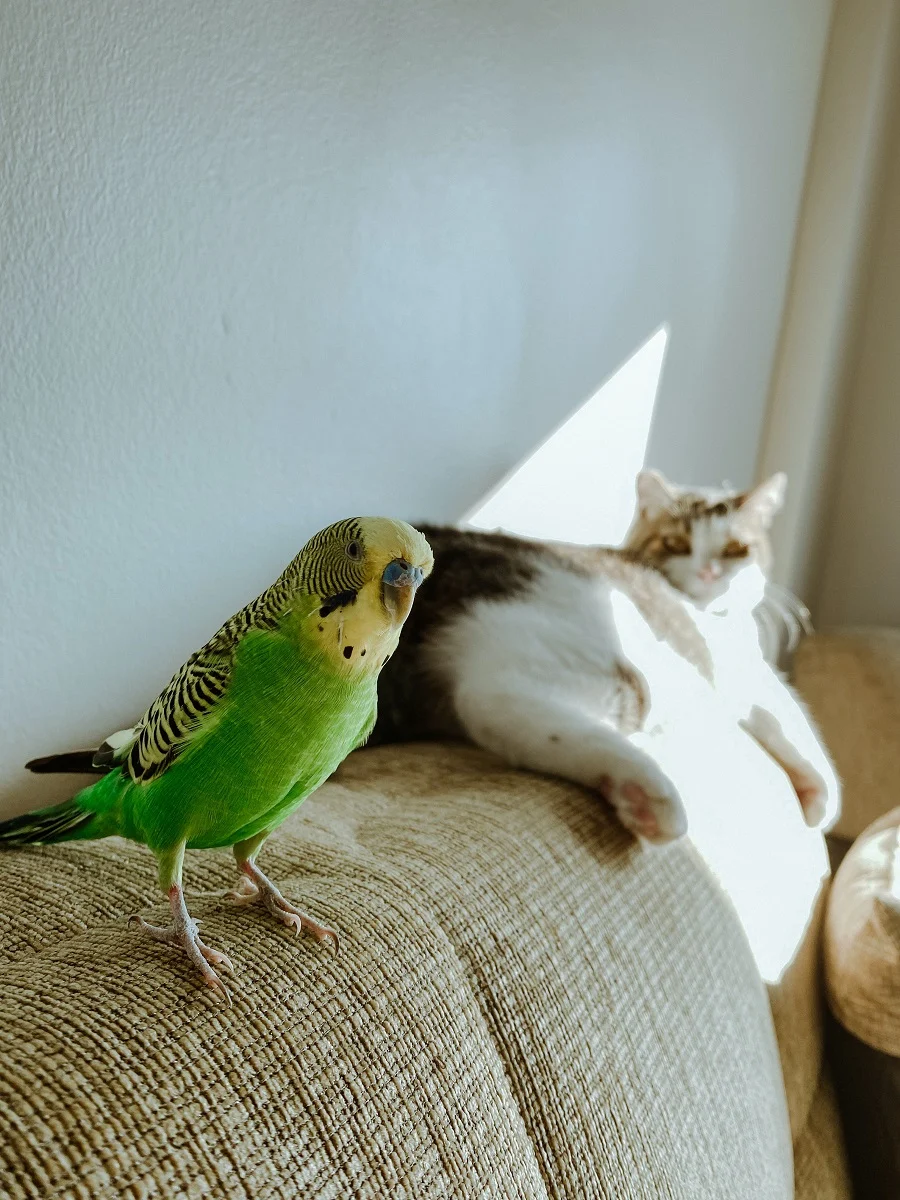
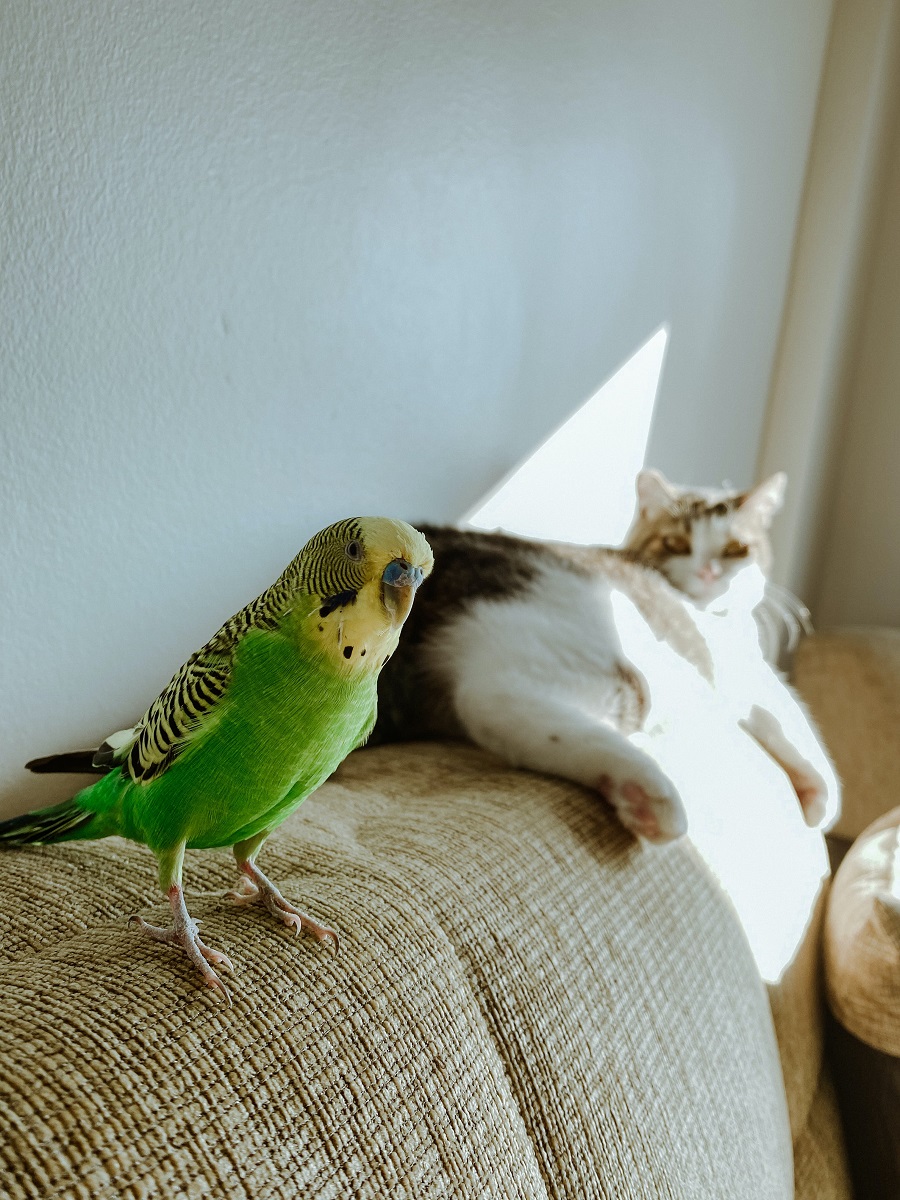
This is perhaps one of the most challenging safety rules for many parrot owners to accept, yet it is critically important: parrots and other household pets, particularly predators like cats and dogs, should never be allowed unsupervised interaction. Even the most well-behaved dog or seemingly gentle cat possesses natural instincts that can prove fatal to a fragile bird.
- Predatory Instincts: A cat’s playful swat, even without claws, can cause severe internal injury or trauma. Cat saliva contains Pasteurella multocida bacteria, which, if introduced through even a minor scratch or bite, can cause a rapidly fatal infection in birds. Dogs, driven by prey instinct, might react violently to a parrot’s sudden movement or squawk.
- Accidental Injury: Even without malicious intent, an accidental step, fall, or sudden movement by a larger animal can crush or severely injure a parrot.
- Expert Consensus: Avian veterinarians universally advise against allowing interaction between parrots and mammalian predators. The potential for a tragic accident, often instantaneous and irreversible, is too high. It is crucial to manage separate spaces for pets and ensure secure barriers are always in place.
Beyond the Checklist: Proactive Measures and Emergency Preparedness
Beyond the specific dangers outlined, responsible parrot ownership extends to general vigilance and preparedness.
- Kitchen Safety: Never leave a parrot unattended on a hot stovetop or near open flames. Ceiling fans pose a significant flight hazard; always turn them off when your parrot is out of its cage.
- Human Food: While sharing some human foods can be beneficial, always ensure they are parrot-safe, unsalted, unseasoned, and served in appropriate portions. Avoid feeding cooked bones, which can splinter, or overly fatty or sugary items.
- Safe Handling: Always handle your parrot gently and securely, especially if it is flighted. Avoid rough play or situations where the bird could fall or be injured.
- Emergency Plan: Knowing basic parrot emergency care (e.g., how to stop bleeding, recognizing signs of shock) is vital. Have a travel carrier ready for urgent vet visits, and ensure your avian vet’s number is easily accessible. Prompt action in an emergency can significantly improve outcomes.
The Broader Implications of Responsible Parrot Ownership
The dedication to parrot-proofing and continuous vigilance reflects a deeper commitment to the welfare of these complex animals. Neglecting safety can lead to profound emotional distress for owners and significant financial burdens from emergency veterinary care, which can be extensive and specialized. More importantly, it undermines the ethical responsibility assumed when bringing an exotic animal into a domestic setting.
Animal welfare organizations and avian advocacy groups continually strive to educate the public on the unique needs of parrots, emphasizing that their intelligence and longevity demand a lifelong commitment to their physical and psychological well-being. By implementing comprehensive safety measures, owners not only protect their beloved companions but also contribute to a broader culture of responsible pet ownership, setting a positive example for others in the exotic pet community. The effort invested in creating a safe environment allows parrots to thrive, express their natural behaviors safely, and live long, healthy lives as cherished members of the family.
By diligently applying these extensive parrot-proofing strategies, owners can significantly reduce the risks associated with domestic environments, ensuring their intelligent and curious companions can explore and interact with their world in the safest possible manner. This commitment transforms a house into a truly safe and stimulating home for a parrot, honoring the trust and companionship they offer.

