


Georgia, a state renowned for its abundant natural beauty and diverse ecosystems, is home to a fascinating array of raptor species. While the term "hawk" is often used broadly, understanding the distinctions within the Accipitridae family—the group that encompasses hawks, eagles, and kites—reveals a more intricate and captivating picture of avian predators. This article aims to demystify these distinctions, shedding light on the various hawk species found in Georgia, their unique characteristics, and their ecological significance within the state’s varied landscapes.
The Peach State’s Geography and Avian Diversity
Georgia’s geography is remarkably varied, contributing to its rich biodiversity. From the rolling Blue Ridge Mountains in the northeast to the Appalachian Plateau in the northwest, and extending to the extensive Okefenokee Swamp and the coastal plain with its barrier islands and estuaries, these diverse habitats provide crucial niches for a wide range of wildlife. This environmental mosaic supports a notable bird population, with Georgia ranking 32nd in the United States for the number of recorded bird species, boasting an impressive 438 species observed. Within this impressive avian catalog, birds of prey, particularly hawks, play vital roles in maintaining ecological balance.

Decoding the Taxonomy: What Exactly is a Hawk?
The classification of birds of prey can indeed be complex, with overlapping families and subfamilies. To understand Georgia’s hawks, it’s essential to navigate this taxonomy. The order Accipitriformes comprises most birds of prey. Within this order lies the family Accipitridae, which is commonly known as the hawks, eagles, and kites. Further refinement leads to the subfamily Accipitrinae, which specifically includes what are often referred to as "true hawks." This subfamily is further divided into several genera, including Accipiter, Microspizias, Erythrotriorchis, Megatriorchis, and Circus.
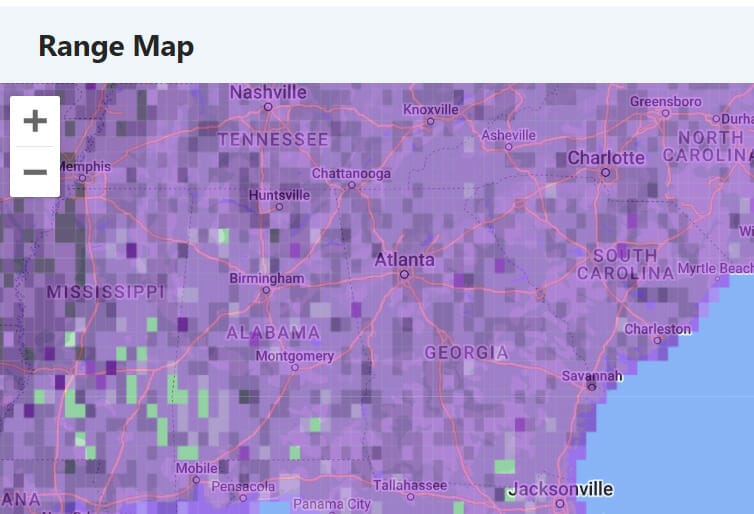
For the purpose of understanding Georgia’s hawk population, ornithologists often broaden the scope to include members of the Buteo genus, commonly known as buzzard-hawks or simply buteos. While not technically "true hawks" in the strictest taxonomic sense, these birds are widely recognized and referred to as hawks, making their inclusion crucial for a comprehensive overview of Georgia’s raptor community. eBird, a popular citizen-science platform for bird observation, lists four members of the Accipitrinae subfamily and several Buteo species as having been sighted in Georgia, providing a valuable dataset for this exploration.
A Closer Look at Georgia’s Hawk Species
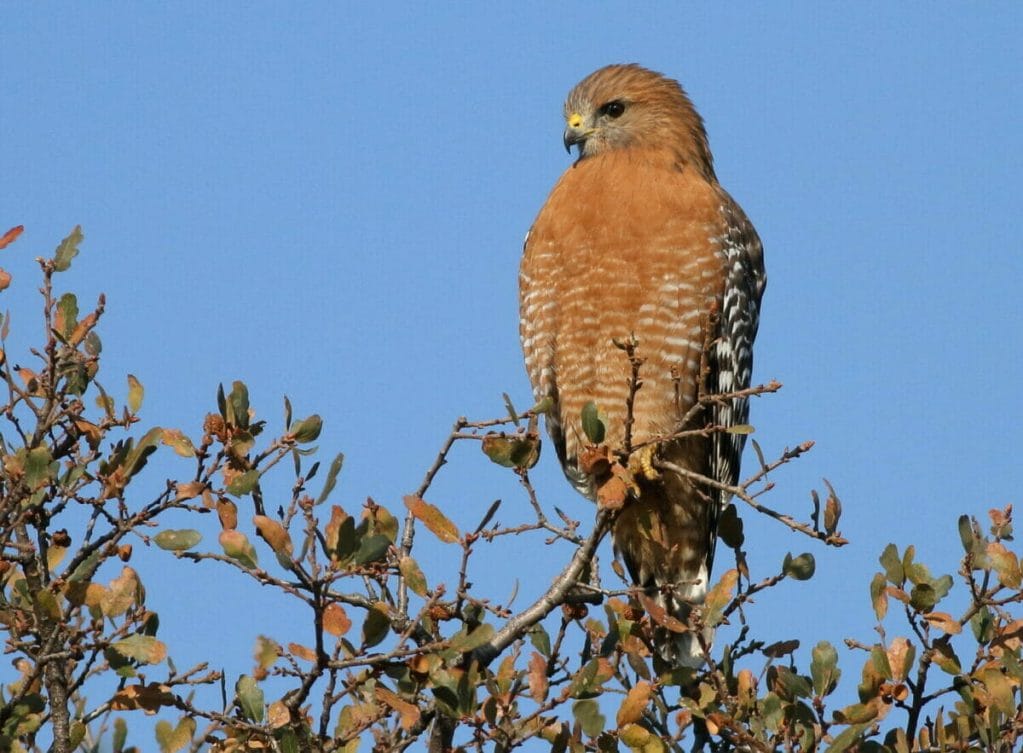
1. Red-shouldered Hawk (Buteo lineatus)
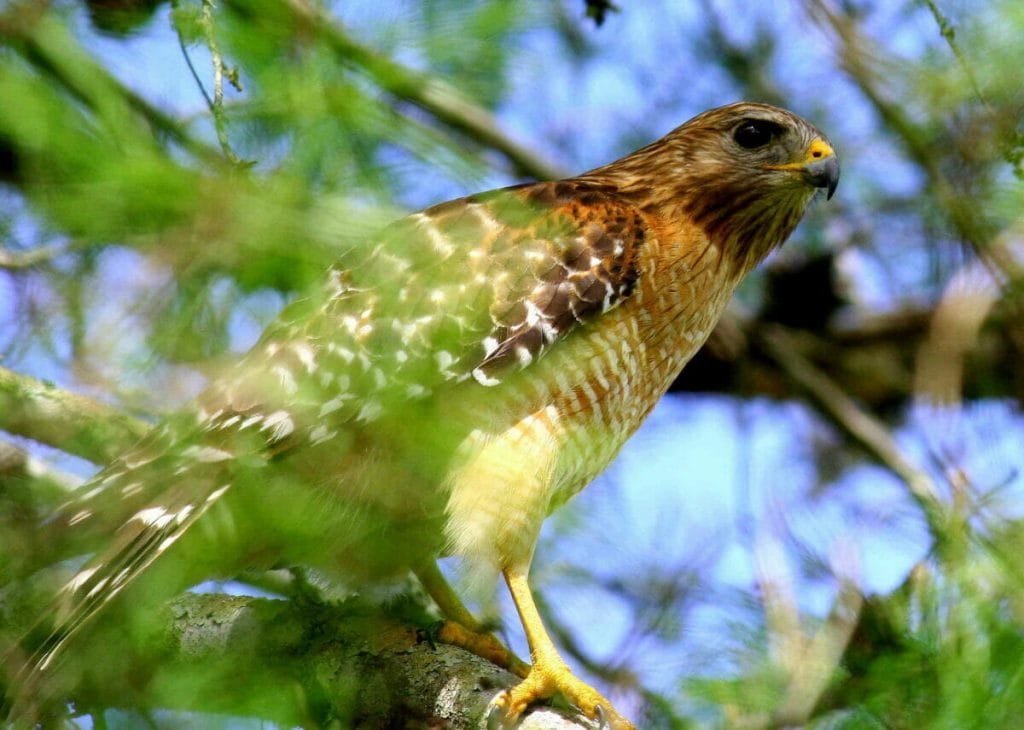
The Red-shouldered Hawk is a resident species in Georgia, gracing the state’s forests and woodlands year-round. Its distinctive appearance, characterized by rufous (reddish-brown) coloring on its breast and shoulders, makes it readily identifiable. The underside of its wings and tail feature striking black and white barring.
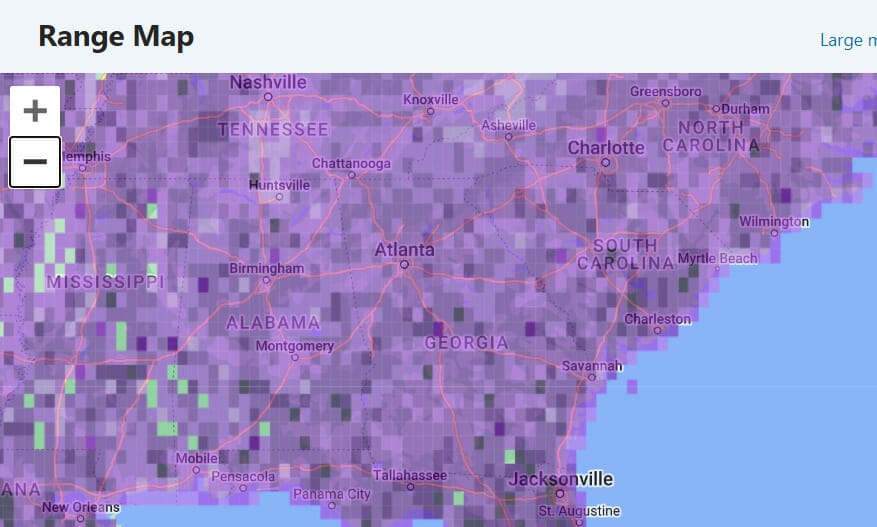
- Size: Adults typically measure between 16.9 to 24.0 inches in length with a wingspan of 37.0 to 43.7 inches. Their weight ranges from 17.1 to 27.3 ounces.
- Distribution: Found throughout Georgia in suitable forest habitats, often near water sources.
- Ecological Role: These hawks are adept hunters, preying on small mammals, reptiles, amphibians, and other small birds. Their presence indicates healthy forest ecosystems.
2. Cooper’s Hawk (Accipiter cooperii)
Cooper’s Hawks are agile predators known for their ability to navigate dense woodlands. In Georgia, they are year-round residents, though their presence can be less conspicuous due to their preference for the forest canopy.
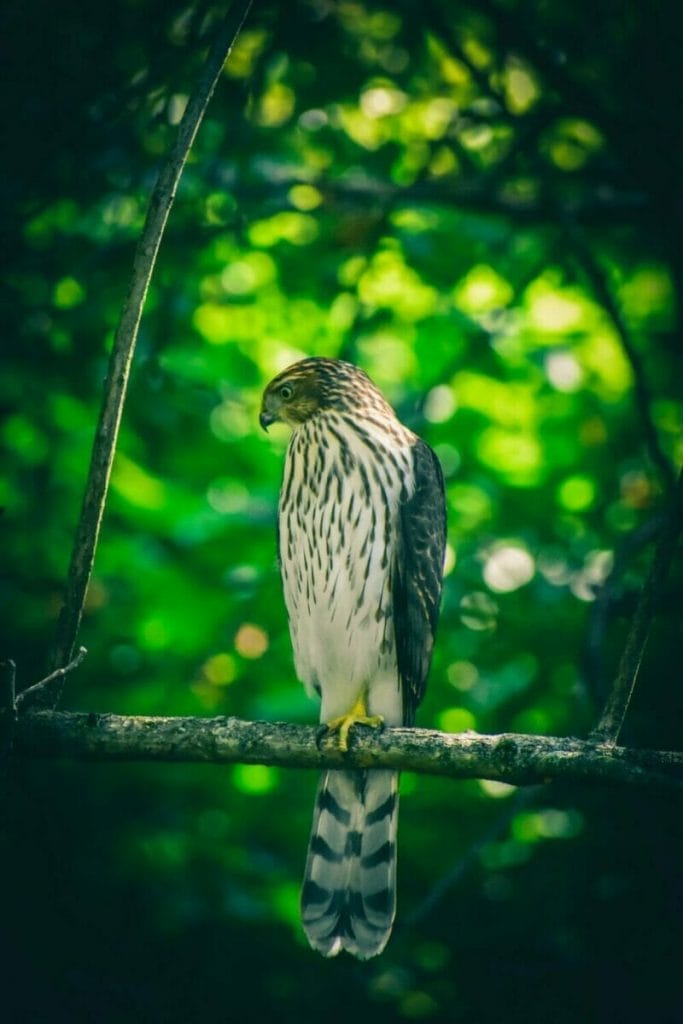
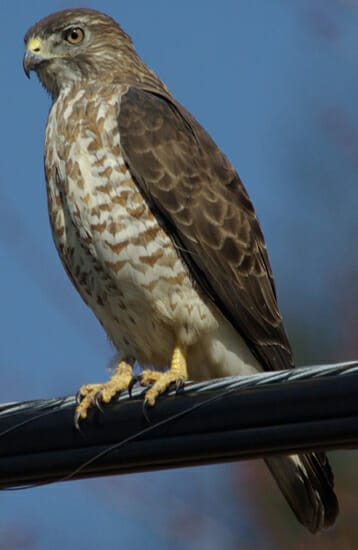
- Identification: Adult Cooper’s Hawks exhibit a dark gray upper body and an orange-barred underside. Juvenile birds are brown with streaky markings. Both sexes are similar in appearance, though females are notably larger. Their eyes are often described as "staring."
- Size: Length ranges from 14.6 to 17.7 inches, with a wingspan of 24.4 to 35.4 inches. Weight typically falls between 7.8 to 24 ounces.
- Hunting Strategy: Cooper’s Hawks are known for their swift and direct hunting style, often ambushing prey. They primarily target medium-sized birds. Their powerful talons are used to capture and subdue prey.
3. Sharp-shinned Hawk (Accipiter striatus)
The Sharp-shinned Hawk is Georgia’s smallest "true hawk" and is a migratory species, spending its non-breeding season in the state before returning north for breeding. While widespread, their preference for dense forests can make them less commonly observed.
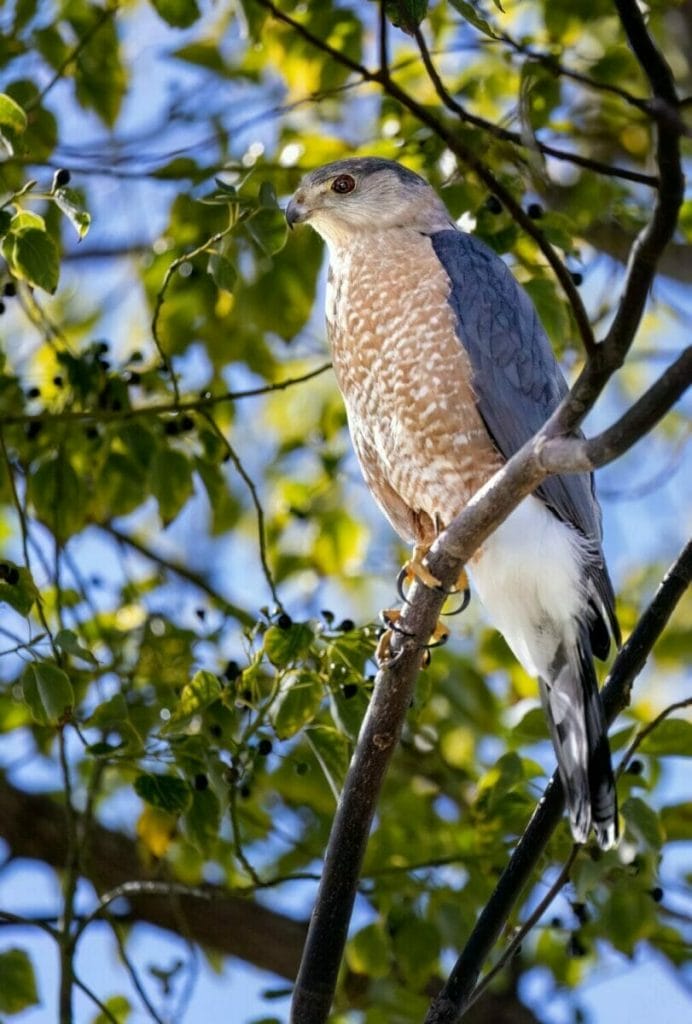
- Distinguishing Features: Superficially similar to Cooper’s Hawks, Sharp-shinned Hawks are significantly smaller and paler on the breast. Females are larger than males.
- Size: Length: 9.4 to 13.4 inches; Wingspan: 16.9 to 22.1 inches; Weight: 3.1 to 7.7 ounces.
- Diet: Primarily feeds on small birds, which they catch with incredible speed and agility.
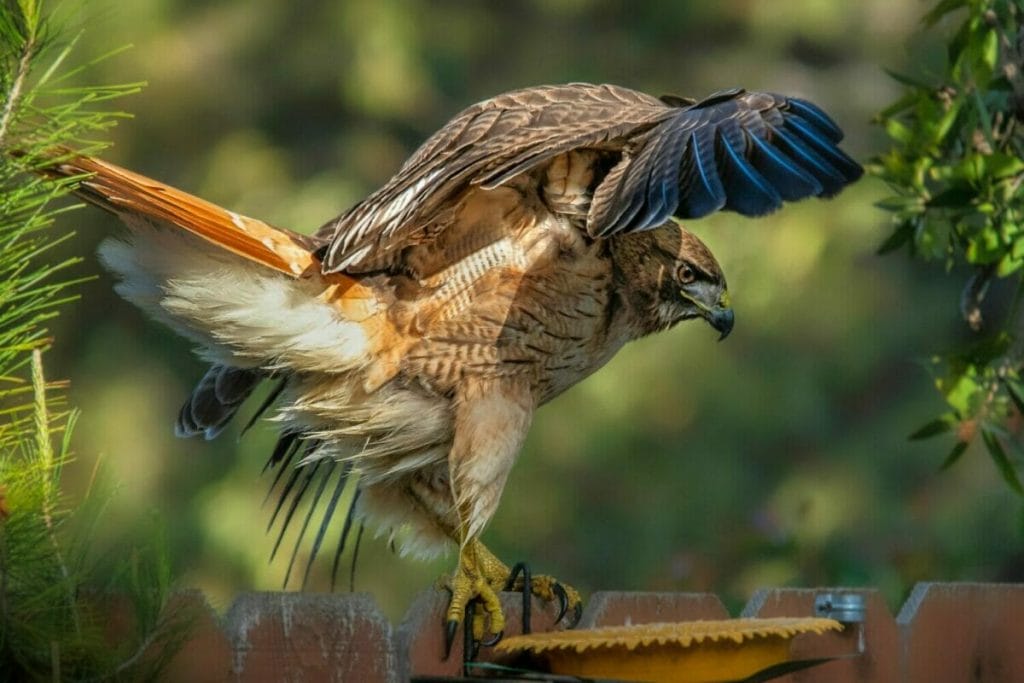
4. Red-tailed Hawk (Buteo jamaicensis)
Arguably the most recognized hawk across North America, the Red-tailed Hawk is a common sight in Georgia, present year-round. Its distinctive red tail, visible in adults, is a key identification feature, though variations in plumage exist.
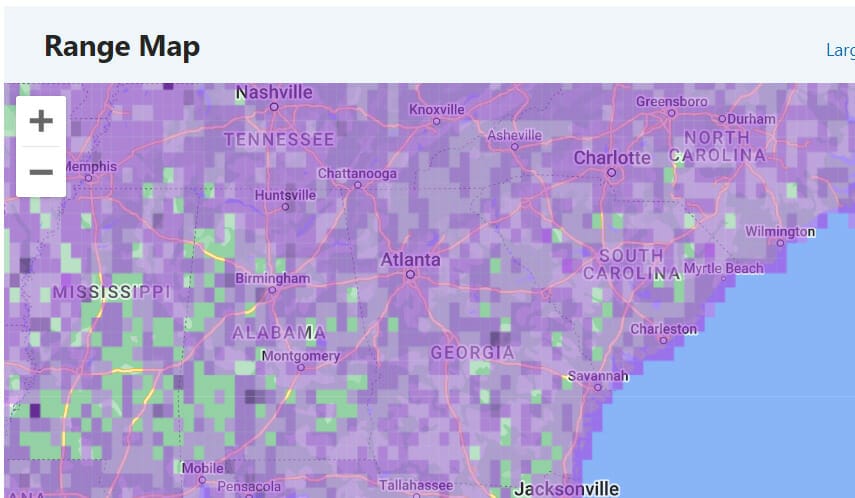
- Appearance: Adults in Georgia typically display a bright red tail, a pale underside with red and brown markings. Juvenile birds have less distinct tail coloration. Males are smaller than females.
- Size: A larger hawk, measuring 17.7 to 25.6 inches in length with a wingspan of 44.9 to 52.4 inches. Weight varies from 24.3 to 51.5 ounces.
- Habitat and Behavior: Red-tailed Hawks are adaptable and can be found in a variety of habitats, from open woodlands to agricultural areas. They are known for their soaring flight. Their shrill call is famously used in Hollywood films to evoke a sense of wildness.
5. Broad-winged Hawk (Buteo platypterus)
This short-bodied hawk with wide wings is a summer visitor to Georgia, breeding within the state’s forests before migrating south for the winter.
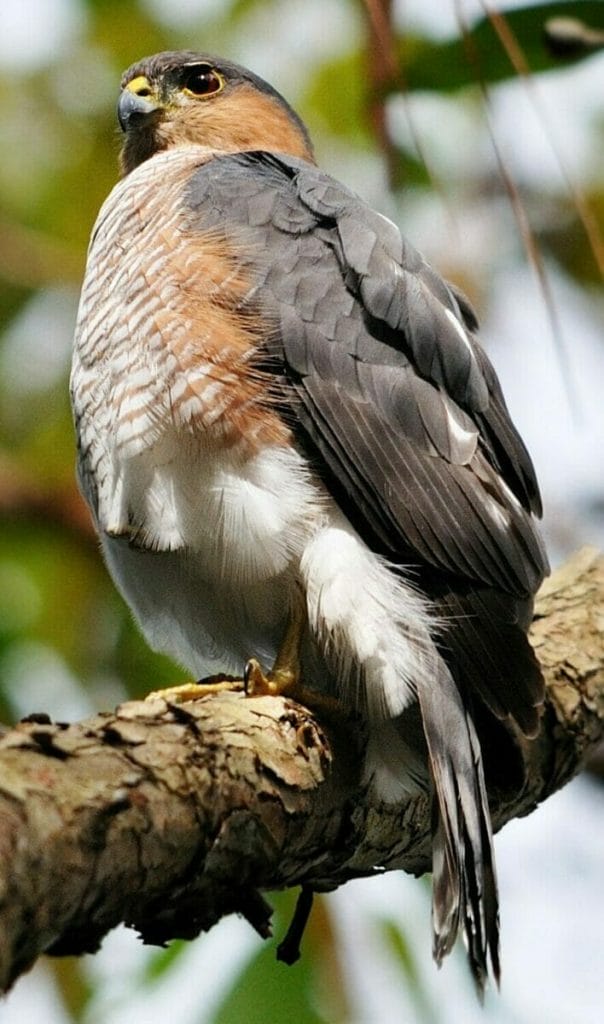
- Identification: Characterized by a brown upper body and barred breast, with rufous coloration towards the shoulders. The wings and tail display black and white banding.
- Size: Length: 13.4 to 17.3 inches; Wingspan: 31.9 to 39.4 inches; Weight: 9.3 to 19.8 ounces.
- Migration Spectacle: A remarkable aspect of the Broad-winged Hawk’s life cycle is its migration. In large numbers, they form spectacular flocks known as "kettles," circling in the sky as they journey south, a natural phenomenon that draws birdwatchers.
6. Short-tailed Hawk (Buteo brachyurus)
The Short-tailed Hawk is a less common visitor to Georgia, with a primary population established in south Florida. While they breed further north, sightings in Georgia are infrequent, making them a rare and exciting find for bird enthusiasts.
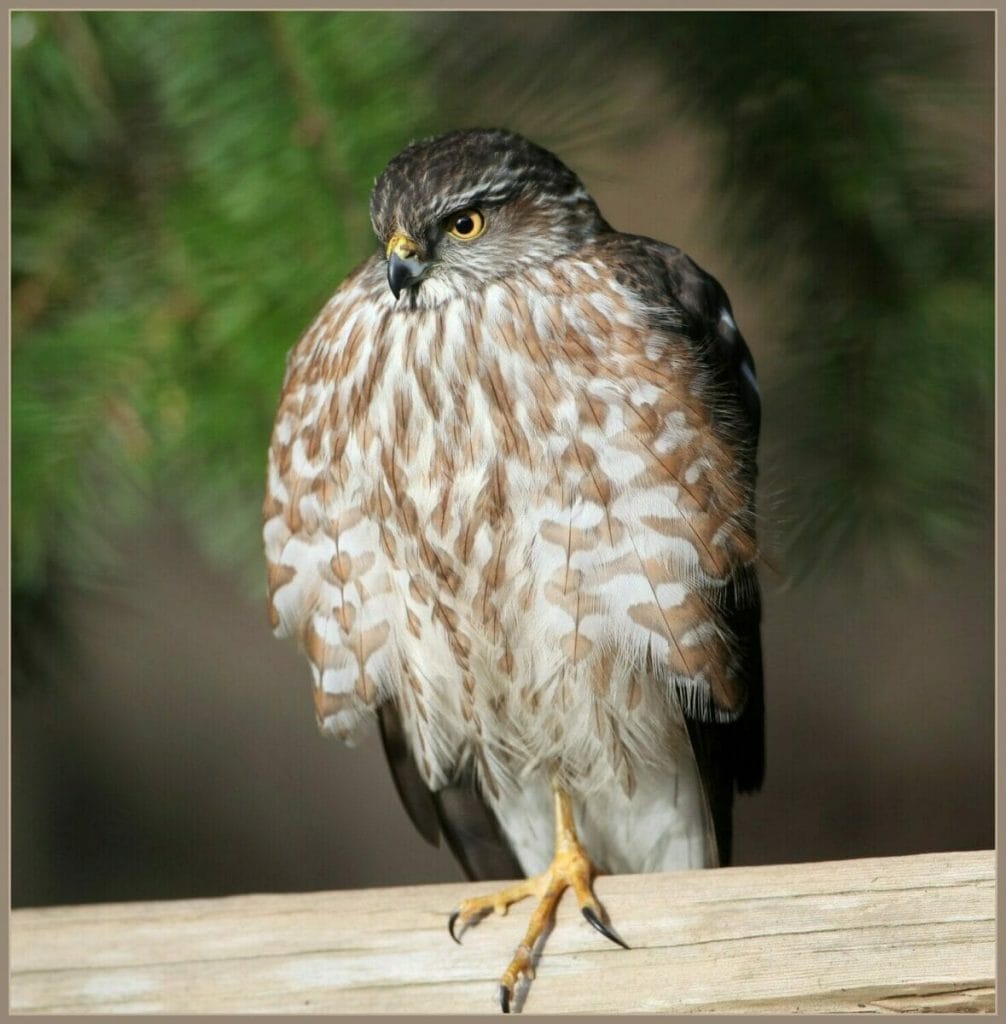
- Morphological Variations: This hawk exhibits distinct dark and light morphs. The dark morph is predominantly blackish with white underwing patches, while the light morph is white underneath with black barring. Both have dark facial markings.
- Size: Length: 15.3 to 17.3 inches; Wingspan: 32.7 to 40.5 inches; Weight: 13.6 to 16.9 ounces.
- Rarity in Georgia: With fewer than 15 reported sightings on eBird, this species represents a special observation for those fortunate enough to spot it.
7. Northern Goshawk (Accipiter gentilis)
The Northern Goshawk, a powerful and striking raptor, is an extremely rare visitor to Georgia. Its typical range extends further north, and only a handful of sightings have been documented in the state, primarily along the northwestern border.
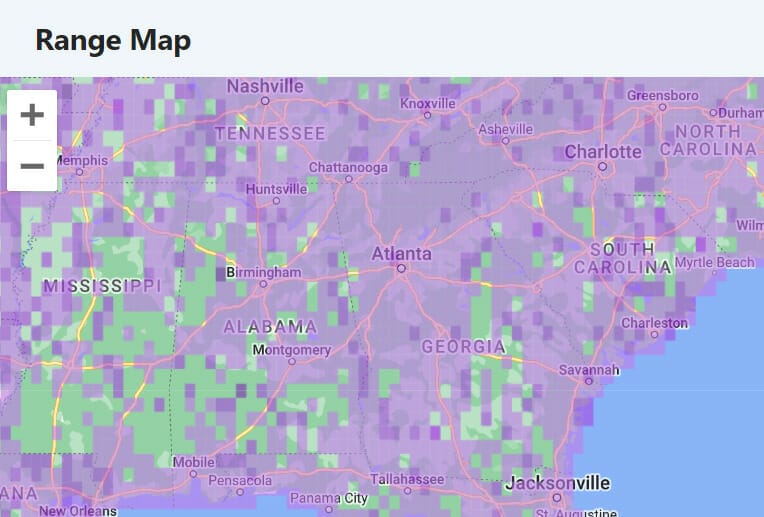
- Distinctive Features: Adults possess dark gray backs, intricately patterned pale fronts, piercing red eyes, and a prominent white brow. Juveniles display varied brown plumage.
- Size: Length: 20.9 to 24.0 inches; Wingspan: 40.5 to 41.1 inches; Weight: 22.3 to 48.1 ounces.
- Nesting Behavior: Known for their extensive territories, Northern Goshawks often maintain multiple nesting sites within their domain, demonstrating a strategic approach to reproduction.
8. Northern Harrier (Circus hudsonius)
The Northern Harrier, a graceful raptor of open country, is present in Georgia during the non-breeding season, gracing the state’s open fields, grasslands, and marshes in spring, autumn, and winter.
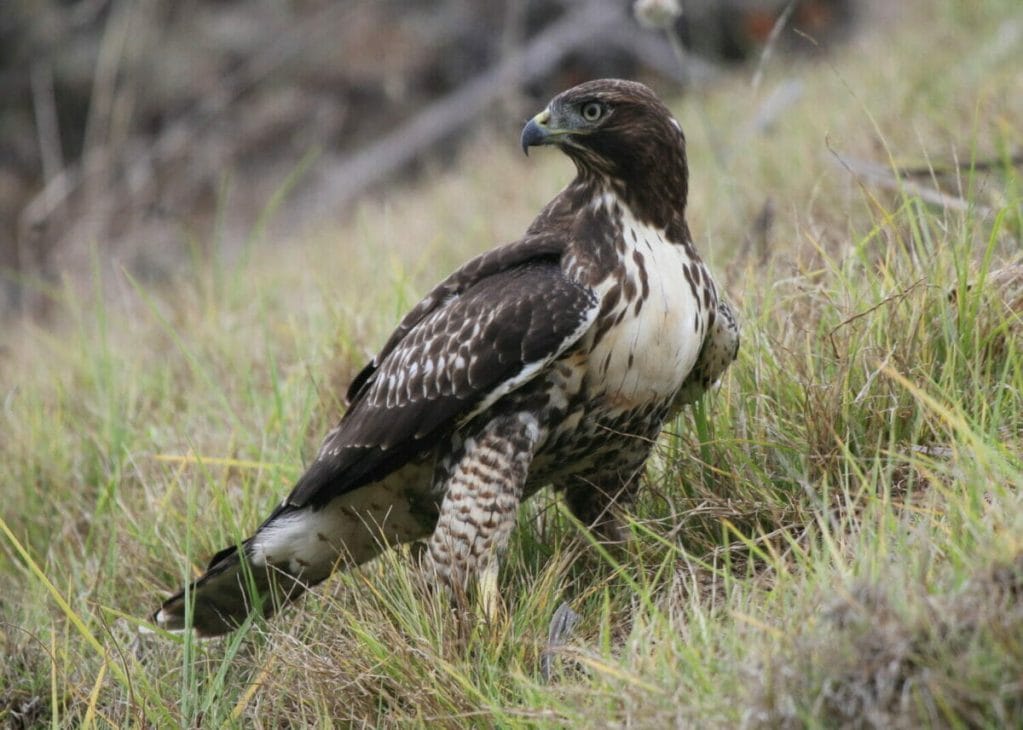
- Elegant Appearance: Characterized by gray upperparts, distinctive facial markings, and strongly barred underwings that emphasize their long wings. They also possess a long tail.
- Size: Length: 18.1 to 19.7 inches; Wingspan: 40.2 to 46.5 inches; Weight: 10.6 to 26.5 ounces.
- Habitat Preference: Their hunting grounds are typically open landscapes where they prey on small mammals.
Analysis of Georgia’s Raptor Population
The presence of these eight distinct "hawk" species—comprising four Buteo species (Red-shouldered, Red-tailed, Broad-winged, and Short-tailed Hawks), three Accipiter species (Cooper’s, Sharp-shinned Hawks, and the Northern Goshawk), and one Circus species (the Northern Harrier)—underscores the ecological significance of Georgia’s diverse habitats. The relative abundance of species like the Red-tailed Hawk and Red-shouldered Hawk indicates healthy ecosystems capable of supporting these apex predators. Conversely, the rarity of species like the Northern Goshawk and Short-tailed Hawk highlights the specialized habitat requirements or migratory patterns that define their presence in the state.
While the focus has been on hawks, it’s noteworthy that Georgia’s skies are also frequented by other impressive birds of prey. The state hosts three eagle species—the Bald Eagle (Haliaeetus leucocephalus), Golden Eagle (Aquila chrysaetos), and Osprey (Pandion haliaetus)—as well as three falcon species: the Peregrine Falcon (Falco peregrinus), American Kestrel (Falco sparverius), and Merlin (Falco columbarius). The presence of these diverse raptors collectively contributes to the ecological health and biodiversity of Georgia.
Distinguishing Hawks from Falcons: A Key Observation
A common point of confusion for birdwatchers is differentiating between hawks and falcons. While both are birds of prey, they belong to different families and exhibit distinct characteristics. Falcons possess a "tomial tooth," a notch on the top of their bill, which aids in dispatching prey. Hawks, in contrast, lack this specialized tooth and typically kill with their talons. Furthermore, falcons are generally smaller, more slender, and renowned for their exceptional speed and agility in flight, often exhibiting a more direct and rapid wingbeat compared to the soaring and gliding typical of many hawks.
The Largest Raptor in Georgia

Among the hawk species discussed, the Red-tailed Hawk stands out as the largest. Its impressive size and wingspan make it a formidable predator. The Northern Harrier is also a substantial bird, closely rivaling the Red-tailed Hawk in size.
Conservation Implications and Future Outlook
The continued presence and health of Georgia’s hawk populations are intrinsically linked to the preservation of their habitats. As human development expands, the fragmentation and degradation of forests, wetlands, and open country can pose significant challenges to these birds. Conservation efforts that focus on protecting diverse ecosystems, managing land use, and mitigating threats such as habitat loss and pollution are crucial for ensuring the long-term survival of these magnificent raptors. The data gathered through citizen-science initiatives like eBird plays a vital role in monitoring population trends, understanding distribution patterns, and informing conservation strategies. By fostering an appreciation for these birds and their ecological roles, Georgia can continue to be a sanctuary for its diverse and captivating hawk populations.

