


The veterinary community has reached a significant milestone in the advancement of specialized medicine with the release of a comprehensive educational initiative focused on the delicate nuances of end-of-life care and analgesia. On February 24, 2026, LafeberVet announced the official launch of the Palliative and Pain Management Strategies for Exotic Animals webinar, a program developed by Jade Kingsley, BA/BSc, BVSc, PgDip, MANZCVS (Avian Health). This initiative arrives at a critical juncture in veterinary medicine, as the population of aging exotic pets continues to grow globally, necessitating more sophisticated approaches to geriatric care and pain alleviation.
The program has been rigorously reviewed and approved by the American Association of Veterinary State Boards (AAVSB) Registry of Approved Continuing Education (RACE). It offers one hour of continuing education (CE) credit for both veterinarians and veterinary technicians across various jurisdictions. This accreditation underscores the clinical depth of the material, which bridges the gap between traditional veterinary practices and the highly specialized needs of non-traditional species, including birds, reptiles, and small mammals.
The Critical Need for Specialized Pain Management
The field of exotic animal medicine has historically faced challenges regarding the standardized assessment of pain. Unlike domestic canines and felines, many exotic species—particularly those classified as "prey species"—have evolved to mask signs of illness and discomfort as a survival mechanism. This biological imperative, often referred to as the "preservation reflex," makes the clinical identification of chronic pain exceptionally difficult for even experienced practitioners.
The webinar led by Dr. Kingsley addresses these diagnostic hurdles by providing a framework for identifying subtle behavioral changes that indicate distress. According to recent veterinary surveys, nearly 40% of practitioners report feeling "less confident" in managing pain in reptiles and birds compared to dogs and cats. By focusing on species-specific markers, the program aims to elevate the standard of care to ensure that these animals do not suffer in silence.
Supporting data from the American Veterinary Medical Association (AVMA) indicates that exotic pet ownership has risen by over 25% in the last decade. As these animals live longer due to better husbandry and nutrition, the prevalence of age-related conditions such as osteoarthritis, renal failure, and neoplasia has surged. Consequently, the demand for palliative care—medical care focused on providing relief from the symptoms and stress of a serious illness—has become a cornerstone of modern exotic practice.
Chronology of Educational Development
The development of this educational module follows a multi-year effort by avian and exotic specialists to formalize palliative protocols.
- Initial Research Phase (2023-2024): Veterinary researchers began compiling longitudinal data on the efficacy of various analgesic agents in non-mammalian species, noting that metabolic rates significantly alter drug half-lives in birds and reptiles.
- Curriculum Design (Early 2025): Dr. Jade Kingsley and the LafeberVet editorial team structured a curriculum that integrated ethical considerations with clinical pharmacology. The goal was to create a holistic approach that included client communication as a primary component.
- AAVSB Review (Late 2025): The program underwent a rigorous audit by the AAVSB RACE committee to ensure the content met the highest standards of evidence-based medicine.
- Official Launch (February 24, 2026): The webinar was made available to the global veterinary community, offering a digital platform for practitioners to earn mandatory CE credits while enhancing their clinical skill sets.
Technical Framework and Clinical Objectives
The core of the Palliative and Pain Management Strategies for Exotic Animals program is built around three pillars: Recognition, Intervention, and Communication.
Recognition of Pain in Prey Species
The webinar explores the ethology of exotic animals, explaining why a rabbit might continue to eat despite severe dental pain or why a parrot might remain perched while suffering from systemic inflammation. Dr. Kingsley emphasizes the use of "grimace scales" and objective behavioral ethograms tailored to specific taxa. For instance, the program details how changes in feather positioning in birds or "eye-bulging" in certain reptiles can serve as early indicators of physiological stress.
Multi-Modal Analgesic Intervention
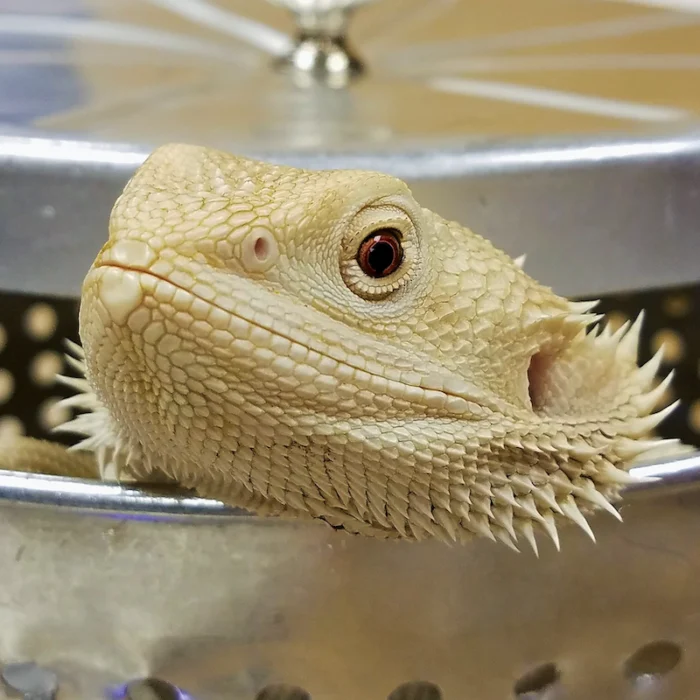
A significant portion of the training is dedicated to the pharmacology of pain relief. In exotic medicine, the "one-size-fits-all" approach is often dangerous. The program provides data on the use of non-steroidal anti-inflammatory drugs (NSAIDs), opioids, and local anesthetics, highlighting the metabolic differences between species. For example, the way a Bearded Dragon processes meloxicam differs vastly from the way a Macaw does, requiring precise dosing adjustments to avoid toxicity while ensuring efficacy.
The Ethics of Palliative Care
As the veterinary industry shifts toward a "Quality of Life" (QoL) focus, the webinar introduces tools like the "HMMM" scale (Hurt, Hunger, Hydration, Hygiene, Happiness, Mobility, and More Good Days than Bad Days), adapted for exotic species. This framework helps veterinarians guide pet owners through the difficult transition from curative treatment to palliative support, and eventually, to the decision of humane euthanasia.
Official Responses and Industry Reception
The release of this CE program has been met with positive feedback from veterinary organizations. Specialists in the field have noted that while exotic medicine has advanced rapidly in terms of surgery and diagnostics, the "softer" side of medicine—palliative care—has often been overlooked.
"The inclusion of ethics and communication in a technical webinar is a vital step forward," noted a spokesperson for the Association of Avian Veterinarians (AAV). "We often focus so much on ‘how’ to treat that we forget to discuss ‘when’ the focus should shift to comfort. Dr. Kingsley’s work provides a roadmap for that transition."
Veterinary technicians, who often serve as the primary point of contact for pet owners, have also lauded the program’s accessibility. The three-attempt post-test structure ensures that the material is not just viewed but mastered, guaranteeing that those who receive the certificate possess a functional understanding of the strategies discussed.
Broader Implications for Veterinary Practice
The implications of standardized palliative training for exotic animals extend beyond the clinic. It reflects a broader societal shift in how "non-traditional" pets are viewed. Parrots, which can live for over 60 years, and tortoises, which can live for over a century, are increasingly viewed as lifelong companions and family members rather than disposable hobbies. This shift places a greater responsibility on the veterinary profession to provide care that spans the entirety of these long lifespans.
Furthermore, the focus on pain management aligns with the "Fear Free" movement in veterinary medicine, which seeks to reduce the anxiety and stress of veterinary visits. By managing chronic pain effectively, veterinarians can ensure that geriatric exotic pets remain more mobile, more engaged with their owners, and less reactive during clinical examinations.
From a regulatory perspective, the RACE approval of this webinar signals that state boards recognize exotic animal medicine as an essential area of professional competency. As more jurisdictions mandate specific hours of CE for licensure renewal, specialized modules like this one provide a necessary avenue for practitioners to diversify their knowledge base.
Conclusion and Future Outlook
The Palliative and Pain Management Strategies for Exotic Animals webinar represents a significant contribution to the LafeberVet library and the wider veterinary field. By combining the expertise of Dr. Jade Kingsley with the rigorous standards of the AAVSB, the program offers a robust solution to one of the most challenging aspects of exotic animal practice.
As the industry moves forward, it is expected that more data-driven modules will emerge, focusing on the intersection of animal welfare and clinical science. For now, this program stands as a primary resource for veterinarians and technicians dedicated to improving the lives of the diverse species under their care. The focus on empathy, precise diagnostics, and ethical communication ensures that the "prey" species of the world receive the same dignity and comfort in their final years as their more traditional counterparts.
The webinar remains accessible through the LafeberVet portal, providing a global audience with the tools necessary to navigate the complexities of exotic pet geriatrics. As the veterinary community continues to evolve, the lessons learned from this program will likely form the foundation for future protocols in the burgeoning field of exotic palliative medicine.

