


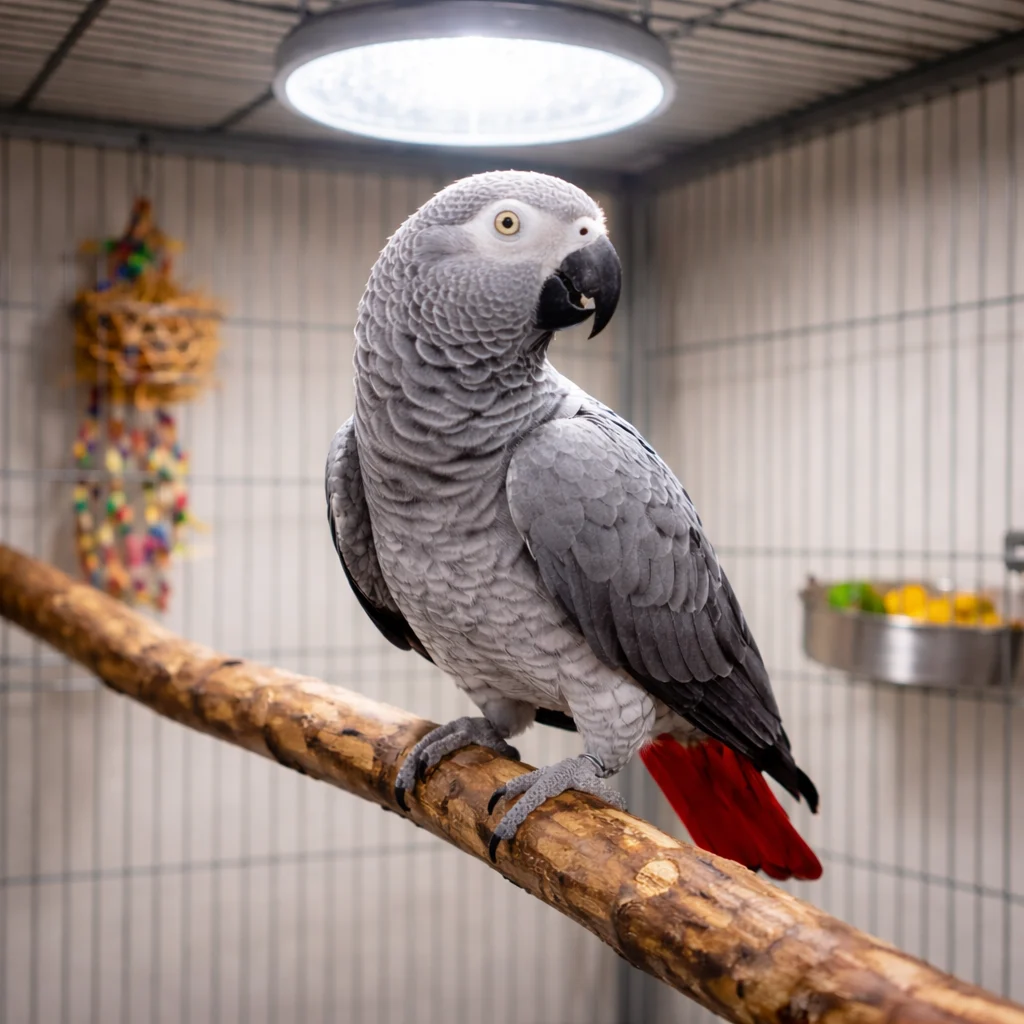
Calcium deficiency, a prevalent and often silently progressing health concern among indoor avian companions during the winter months, poses a significant threat to their overall well-being. This issue, primarily stemming from inadequate exposure to ultraviolet B (UVB) light, can lead to a cascade of physiological and behavioral problems, ranging from subtle changes in perch grip to severe neuromuscular dysfunction and skeletal fragility. While many bird owners diligently provide a balanced diet, the critical role of UVB light in facilitating vitamin D3 synthesis and subsequent calcium absorption is frequently overlooked, transforming winter into a period of heightened risk for pet birds confined indoors.
The Biological Imperative: Vitamin D3 and Calcium Metabolism
The foundation of this winter-related health crisis lies in the intricate interplay between UVB light, vitamin D3, and calcium metabolism. In their natural habitats, birds synthesize vitamin D3 (cholecalciferol) through exposure to direct sunlight. This process primarily occurs in specialized cells within the epidermis and on the preen gland, where UVB radiation converts a precursor molecule into pre-vitamin D3, which then isomerizes to vitamin D3. Once synthesized, vitamin D3 is transported to the liver, where it is hydroxylated into 25-hydroxyvitamin D3, and subsequently to the kidneys, where it is further converted into its active hormonal form, 1,25-dihydroxyvitamin D3, also known as calcitriol.
Calcitriol is the linchpin of calcium homeostasis, acting on several target organs to maintain optimal blood calcium levels. It significantly enhances the absorption of dietary calcium from the intestines, promotes calcium reabsorption in the kidneys, and facilitates the mobilization of calcium from bone when dietary intake is insufficient. Without adequate calcitriol, even a calcium-rich diet proves futile, as the mineral simply passes through the digestive system unabsorbed, failing to contribute to bone density, neuromuscular function, or other vital physiological processes. This crucial biological pathway underscores why the absence of natural UVB light in indoor environments, especially during winter when sunlight hours are reduced and windows filter out essential UV wavelengths, directly precipitates calcium deficiency.
Unmasking the Symptoms: Early Warning Signs and Progressive Decline
The insidious nature of calcium depletion means that early symptoms are often subtle and easily misinterpreted, leading to delayed intervention. Avian veterinarians frequently caution owners that by the time overt signs become apparent, the underlying deficiency may be significant. A critical diagnostic indicator is a weakening of perch grip, manifesting as a bird sliding on perches or struggling to maintain a firm hold. This symptom reflects early neuromuscular impairment and skeletal weakening, as calcium is vital for muscle contraction and nerve signal transmission.
Beyond physical coordination, behavioral changes frequently signal a developing problem. Increased irritability, heightened reactivity, and excessive shredding or feather destructive behaviors can all point to mineral imbalances. Calcium and magnesium play crucial roles in regulating nervous system excitability; an imbalance can lead to increased anxiety and aggression. Furthermore, the quality of a bird’s plumage can deteriorate, with feathers appearing dull, developing stress bars, or molting cycles becoming irregular and prolonged. This is directly linked to the role of vitamin D3 in overall metabolic health, which impacts the integrity of feather follicles and the synthesis of keratin, the primary protein in feathers. A general reduction in activity levels, shorter flights, and overall lower energy are also common indicators, reflecting muscle weakness and systemic malaise.
Beyond the Pellets: The Inadequacy of Diet Without Light
A common misconception among well-meaning bird owners is that providing a high-quality pelleted diet, often labeled as "complete," is sufficient to prevent nutritional deficiencies. While pellets offer a balanced array of macro and micronutrients, they cannot compensate for the absence of UVB light. The calcium present in food, regardless of its quantity, requires active vitamin D3 for efficient absorption. Without the physiological mechanism triggered by UVB exposure, supplemental calcium or calcium-rich foods are largely ineffective. This highlights a fundamental difference between nutritional intake and nutritional utilization.
The reliance on diet alone, without addressing the light component, effectively renders much of the ingested calcium unusable. This leads to a scenario where birds are consuming adequate amounts of calcium but are functionally calcium-deficient at a cellular level. This phenomenon is analogous to humans requiring vitamin D to absorb calcium, emphasizing that D3 is not merely a nutrient but a critical hormone precursor that dictates mineral bioavailability. Therefore, simply increasing calcium through cuttlebone or dietary supplements without rectifying the D3 production pathway is a futile exercise that fails to address the root cause of the problem.
Diagnostic Insights: Identifying a Winter-Induced Calcium Crisis
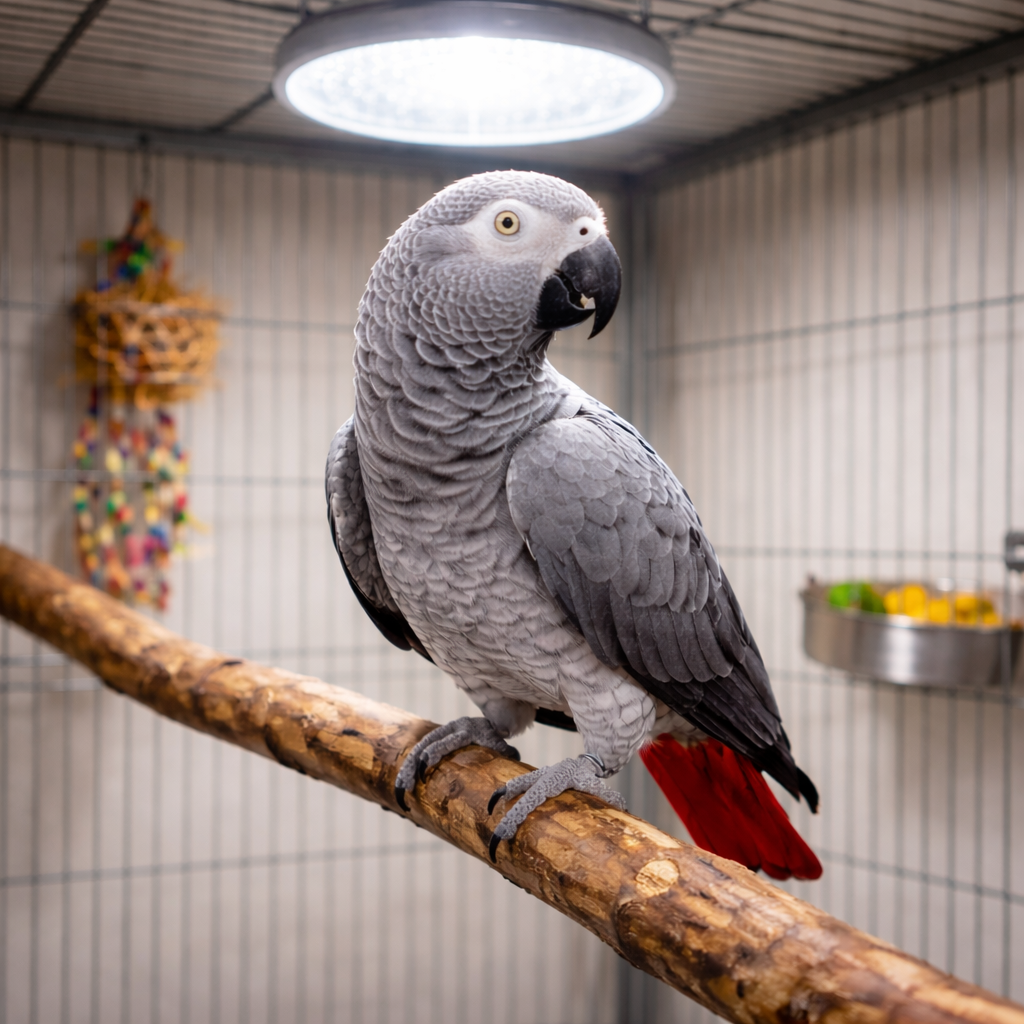
Identifying a winter-induced calcium problem requires a combination of astute owner observation and, often, professional veterinary assessment. The table below, derived from expert consensus, offers a quick diagnostic guide:
| If the bird is… | Expert Verdict |
|---|---|
| Sliding on perches or gripping less firmly | Possible early calcium depletion affecting neuromuscular strength. Evaluate UVB exposure and dietary D3. |
| More irritable, reactive, or shredding excessively | Magnesium and calcium imbalances can heighten nervous system excitability. Assess mineral support. |
| Feathers look dull, stress-barred, or slow to molt | Low vitamin D3 reduces calcium utilization, impacting feather follicle integrity. |
For a definitive diagnosis, avian veterinarians typically recommend a comprehensive approach. This often includes a thorough physical examination, a detailed review of the bird’s housing environment (including lighting setup), and dietary history. Blood tests are crucial for assessing serum calcium levels, ionized calcium (the physiologically active form), and vitamin D3 metabolite levels (specifically 25-hydroxyvitamin D). Radiographs (X-rays) can also reveal early signs of osteopenia (reduced bone density) or other skeletal abnormalities, especially in advanced cases. It is important to note that birds possess a remarkable ability to compensate for declining calcium levels by resorbing it from their bones, meaning that clinical signs may not appear until bone reserves are significantly depleted.
The Critical Intervention: A Three-Step Winter Bone Reset
Correcting a winter-induced calcium deficiency requires a multifaceted approach focused on restoring the natural physiological processes that underpin calcium metabolism. Avian specialists advocate for a "Winter Bone Reset" plan, typically involving three key steps:
-
Optimized UVB Lighting: This is the cornerstone of intervention. Owners must invest in specialized avian-specific UVB-producing fluorescent or LED lights. These are distinct from "full-spectrum" lights, which may provide visible light but lack the critical UVB wavelengths. The light fixture should be placed within the recommended distance from the bird (typically 12-18 inches, depending on bulb wattage and manufacturer guidelines) to ensure effective UVB delivery without causing overheating or eye damage. The light should be on for 10-12 hours daily, mimicking natural daylight cycles, and positioned so that no glass or plastic barrier obstructs the UVB rays, as these materials filter out essential wavelengths. Regular bulb replacement (every 6-12 months, even if still emitting visible light) is crucial, as UVB output diminishes over time.
-
Targeted Dietary Support: While pellets alone are insufficient, a well-rounded diet remains vital. High-quality avian pellets should form the base, supplemented with fresh, calcium-rich vegetables such as dark leafy greens (kale, collard greens, spinach in moderation due to oxalates), broccoli, and bell peppers. For birds showing signs of deficiency, a calcium supplement with vitamin D3 may be recommended by an avian veterinarian. It is crucial to use avian-specific supplements and adhere strictly to dosage instructions, as vitamin D3 can be toxic in excessive amounts. A veterinarian can guide the selection of appropriate forms, such as calcium gluconate or calcium carbonate, and determine the necessary duration of supplementation.
-
Environmental Enrichment and Stress Reduction: While not directly related to calcium absorption, a stress-free environment supports overall avian health and can indirectly aid recovery. Stress can negatively impact nutrient utilization and overall physiological function. Providing ample foraging opportunities, a variety of safe toys for shredding and play, and opportunities for safe flight or exercise can reduce stress levels. Maintaining consistent routines, appropriate cage size, and a stimulating environment contributes to a bird’s psychological well-being, which in turn supports its physical health during recovery.
When to Seek Professional Help: Recognizing Red Flags
The progression of calcium deficiency can escalate rapidly from subtle signs to life-threatening emergencies. Birds are masters of concealing illness, a survival instinct in the wild, which means that visible symptoms often indicate a significantly advanced stage of disease.
Expert Note: Birds will prioritize vital functions like heart and muscle contraction by drawing calcium from their own bones. This compensatory mechanism can continue silently for weeks or months. By the time observable symptoms such as falling, tremors, or seizure-like episodes manifest, bone strength may already be dangerously depleted, and the bird’s life is at immediate risk.
Quick Decision Guide:
- Mild Symptoms (e.g., dull feathers, slightly weaker grip, increased irritability): Implement the 3-step bone reset and schedule a non-emergency veterinary check-up.
- Moderate Symptoms (e.g., noticeable difficulty perching, occasional loss of balance, prolonged lethargy): Seek urgent veterinary consultation within 24-48 hours.
- Severe Symptoms (e.g., falling repeatedly, tremors, seizures, inability to stand, paralysis): This constitutes a medical emergency. Seek immediate veterinary care.
Specific Red Flags to watch for:

- Falling or loss of balance: Indicates severe neuromuscular weakness and potential bone fragility.
- Tremors or twitching: Signs of severe calcium imbalance affecting nerve and muscle function.
- Seizure-like episodes: A critical neurological emergency requiring immediate intervention.
- Inability to perch or stand: Advanced muscle weakness and skeletal pain.
- Egg-binding in laying hens: Calcium deficiency severely impairs muscle contractions needed for egg expulsion, a common and life-threatening issue.
Expert Perspectives: A Call for Proactive Avian Care
Avian veterinarians and wildlife biologists consistently emphasize the ethical imperative of providing captive birds with an environment that closely mimics their natural habitat. Dr. Diane Burroughs, LCSW, a licensed psychotherapist and avian wellness educator, highlights that "a healthy indoor bird should maintain strength, coordination, feather quality, and normal behavior year-round. When these change in winter, it often points to a light-vitamin D3-calcium absorption issue that needs to be corrected." This sentiment is echoed across the avian community, advocating for proactive preventative measures rather than reactive treatment of advanced disease.
The consensus among experts is that education is paramount for pet bird owners. Understanding the nuanced physiological needs of birds, particularly regarding light and mineral metabolism, is critical to ensuring their longevity and quality of life. Regular annual veterinary check-ups, even for seemingly healthy birds, are essential for early detection of subtle health shifts that owners might overlook. These visits provide an opportunity for veterinarians to assess environmental setups, diet, and overall health, offering tailored advice to prevent deficiencies before they become critical.
Broader Implications for Pet Bird Welfare and Management
The issue of winter-induced calcium depletion carries broader implications for pet bird welfare and responsible avian management. A significant percentage of health issues presented to avian veterinarians are linked to nutritional and environmental deficiencies, with calcium and vitamin D3 imbalances being among the most common. Addressing this widespread problem requires a paradigm shift in how pet birds are housed and cared for, moving beyond basic food and water provision to a holistic approach that considers their complex biological needs.
From an economic perspective, preventing calcium deficiency through appropriate lighting and diet is significantly less costly than treating advanced stages of the disease, which may involve expensive veterinary consultations, diagnostics, medications, and potentially emergency procedures. Furthermore, chronic deficiencies reduce a bird’s quality of life, potentially shortening its lifespan and impacting its reproductive capabilities, particularly for breeding birds where calcium is critical for egg formation and chick development.
Preventative Measures and Ongoing Support
Ensuring year-round avian vitality hinges on consistent, informed care. Key preventative measures include:
- Year-Round UVB Exposure: Install and regularly maintain avian-specific UVB lights in your bird’s primary living area, ensuring correct distance and duration.
- Balanced and Varied Diet: Provide a high-quality pelleted diet supplemented with fresh, calcium-rich vegetables and fruits.
- Regular Veterinary Check-ups: Schedule annual health examinations with an avian veterinarian to monitor overall health and detect early signs of deficiencies.
- Diligent Observation: Pay close attention to subtle changes in your bird’s behavior, posture, feather quality, and activity levels, especially during winter months.
- Avoid Self-Diagnosis and Excessive Supplementation: While supplementation might be necessary, it should always be guided by a veterinarian to prevent potential toxicity, especially with fat-soluble vitamins like D3.
Conclusion: Ensuring Year-Round Avian Vitality
The winter months, while a period of cozy indoor living for humans, can pose a silent and serious threat to the health of indoor avian companions due to the critical lack of natural UVB light. The resulting vitamin D3 deficiency and subsequent calcium malabsorption can lead to a spectrum of physiological and behavioral problems, often progressing unnoticed until severe stages. By understanding the biological necessity of UVB light, recognizing early warning signs, and implementing proactive measures such as optimized lighting, targeted dietary support, and regular veterinary oversight, bird owners can safeguard their cherished companions against this preventable crisis. Ensuring year-round vitality for pet birds requires a commitment to informed care that respects their unique biological needs, transforming winter from a period of risk into one of continued health and well-being.

