


The journey to a balanced diet for pet birds, especially the integration of fresh vegetables, often presents a significant challenge for owners. Many guardians face the frustration of their avian companions tossing healthy greens, selectively consuming only seeds, or displaying an exclusive preference for human-plate offerings. This guide addresses these common dilemmas, providing evidence-based strategies to transition birds to a more nutritious, plant-rich diet, emphasizing that refusal is rarely stubbornness but rather a natural instinct awaiting proper guidance. It is designed for owners who have encountered resistance after simply presenting vegetables, recognizing that a bird’s rejection of a broccoli floret may stem from an innate perception of it as an unfamiliar, potentially unsafe item rather than a deliberate slight.
Crucially, this comprehensive approach prioritizes positive reinforcement and safety above all. It strictly advises against forcing dietary changes through hunger, replacing a balanced diet with excessive fruit, or attempting to modify the diet of birds that are sick, underweight, weak, egg-bound, medically fragile, or already exhibiting reduced food intake. In such critical instances, immediate consultation with an avian veterinarian is paramount, as their health requires professional medical intervention before any dietary modifications.
The Foundational Principle: Learning Through Natural Instincts
At its core, teaching a bird to consume vegetables mirrors the natural learning processes observed in wild avian populations: through repetition, inherent curiosity, observation of flock behavior, and safe, consistent exposure. Pet birds, much like their wild counterparts, are deeply influenced by what their trusted companions—in this case, their human caregivers—deem safe and desirable. When a bird observes its owner enthusiastically consuming bird-safe vegetables, displaying interest, and offering tiny, low-pressure choices, this inherent flock mentality can be effectively leveraged to foster acceptance of new foods.
This methodology draws heavily from established principles developed for seed-to-pellet conversion studies, particularly those explored by researchers like Cummings, Hess, Spielvogel, and Kottwitz (2022) concerning methods such as "Birdie’s Choice," "Slow and Steady," and "Tough Love." While these studies focused on converting birds to pelleted diets, the underlying behavioral learning principles—choice, routine, exposure, and modeling—are highly adaptable and equally effective for introducing fresh foods, including vegetables, leafy greens, sprouts, herbs, chop, and appropriate small amounts of fruit.
Understanding Avian Resistance: The Biological Imperative of Food Safety
A fundamental question for many bird owners is: "Why does my bird refuse vegetables?" The answer lies deep within their evolutionary biology. In their natural habitats, parrots encounter an immense diversity of plant-based foods—leaves, various seeds, grasses, fruits, flowers, bark, shoots, nuts, and seasonal plants. However, this abundance does not imply that every plant is edible or safe. Parrots have evolved sophisticated mechanisms to identify safe food sources, primarily through social learning. Young parrots do not haphazardly sample every plant; instead, they meticulously observe what their parents and other flock members consume. This observational learning is a critical survival mechanism, preventing accidental poisoning from toxic plants.
Pet birds retain this inherent wiring. If a bird has spent years on a diet primarily composed of seeds or commercial pellets, novel foods such as kale, carrots, squash, sprouts, herbs, or a mixed vegetable chop do not immediately register as food. To an uninitiated bird, a brightly colored carrot shred or a leafy green may appear alien, suspicious, or even dangerous. Therefore, a bird’s refusal of vegetables should not be misconstrued as stubbornness or defiance. More often, it is a cautious, biologically programmed response, a silent request for proof that this "strange new food" belongs in the "safe to eat" category.
This is precisely where the human caregiver assumes the role of a vital teacher. By consistently eating bird-safe vegetables in front of the bird, expressing genuine interest, offering minute, no-pressure tastes, and repeating this routine calmly and patiently, owners actively utilize the bird’s natural flock mentality to their advantage. This process transforms the unfamiliar into the familiar, gradually building trust and acceptance.
The Owner as Flock Leader: Harnessing Observational Learning
Birds are exceptionally perceptive and keenly attuned to their owners’ behaviors, particularly around food. When an owner uses an excited, happy mealtime voice—a familiar "Chow time!"—they are inadvertently teaching their bird that this specific food is safe, routine, and a positive part of their shared experience. This powerful associative learning can be strategically applied to vegetable introduction.

Owners should replicate this positive energy when presenting vegetables. By visibly showing the food, acting delighted, taking a small bite of a plain, bird-safe piece, and allowing the bird to witness this interaction, the owner communicates that fresh food is an exciting and integral part of the flock’s diet. This "tiny food lesson" is not about coercion but about creating a positive association and sparking curiosity. The process involves:
- Selection: Choose one or two bird-safe vegetables (e.g., a tiny piece of grated carrot, a small broccoli floret).
- Demonstration: Eat a piece yourself with exaggerated positive facial expressions and vocalizations.
- Offer: Gently offer a tiny piece to your bird without pressure.
- Reward: Praise any interaction—looking, touching, shredding, licking, or even a tiny taste—with positive verbal cues.
- Repetition: Repeat this process consistently over days or weeks.
Crafting the Perfect Chop: Texture, Aroma, and Nutritional Boosters
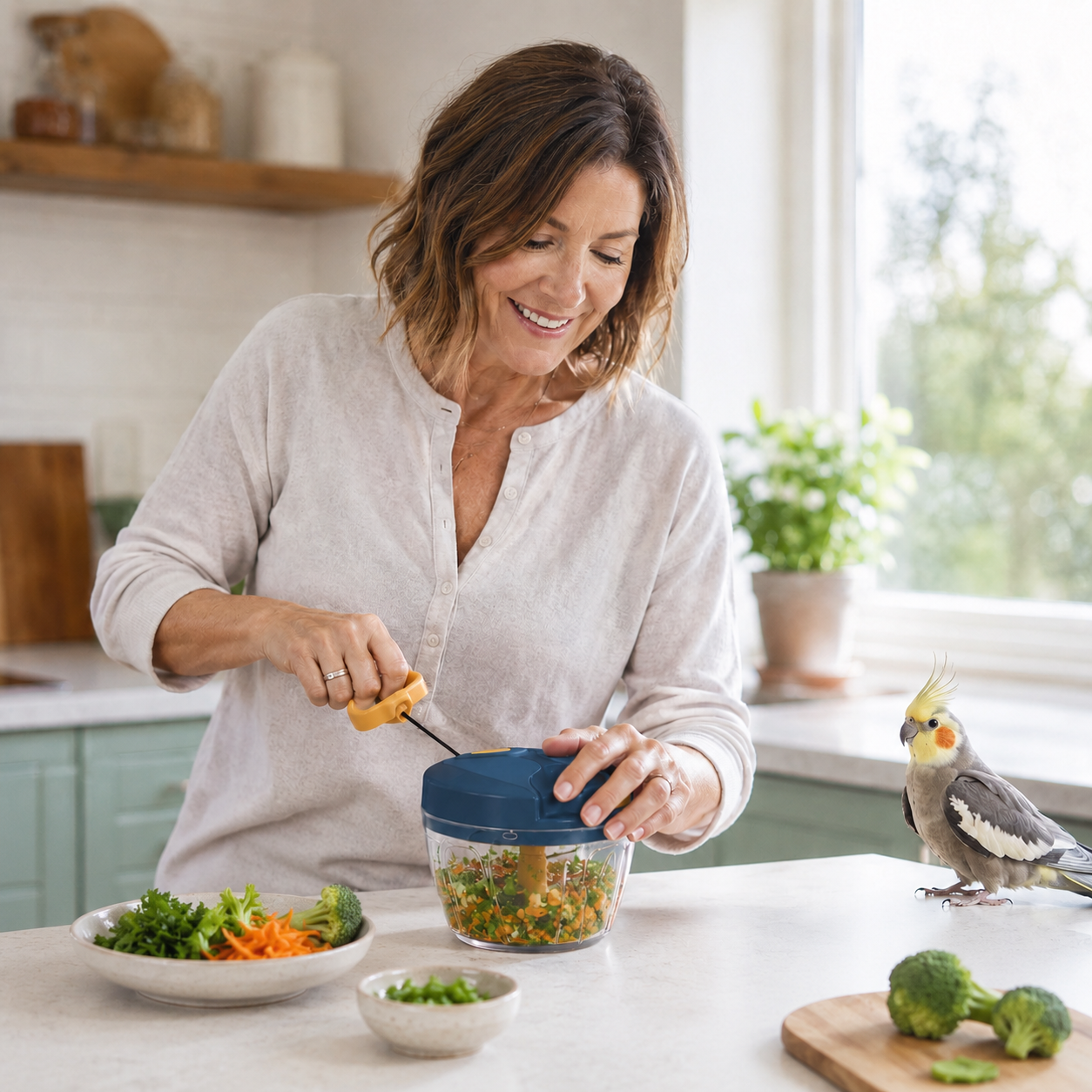
Once a bird begins to show curiosity towards a few individual vegetables or fruits, the next step involves making these foods more accessible and appealing. Small beaks often thrive with finely chopped, bite-sized pieces—ideally rice-grain sized bits, achievable with a handheld manual food chopper. This finely minced mixture of bird-safe vegetables, greens, and a minimal amount of fruit forms the basis of "bird chop."
To further enhance the appeal of chop, strategic additions known as "chop toppers" can be employed. The most effective chop topper is not necessarily the sweetest or fattiest ingredient but one that introduces novel scent, texture, and curiosity, while maintaining the focus on healthy plant-based foods. These should be added in tiny sprinkles, serving to make vegetables more intriguing without transforming the chop into an unhealthy treat bowl. Herbs, sprouts, omega-rich seeds, and finely textured plant-based blends are excellent choices for encouraging investigation.
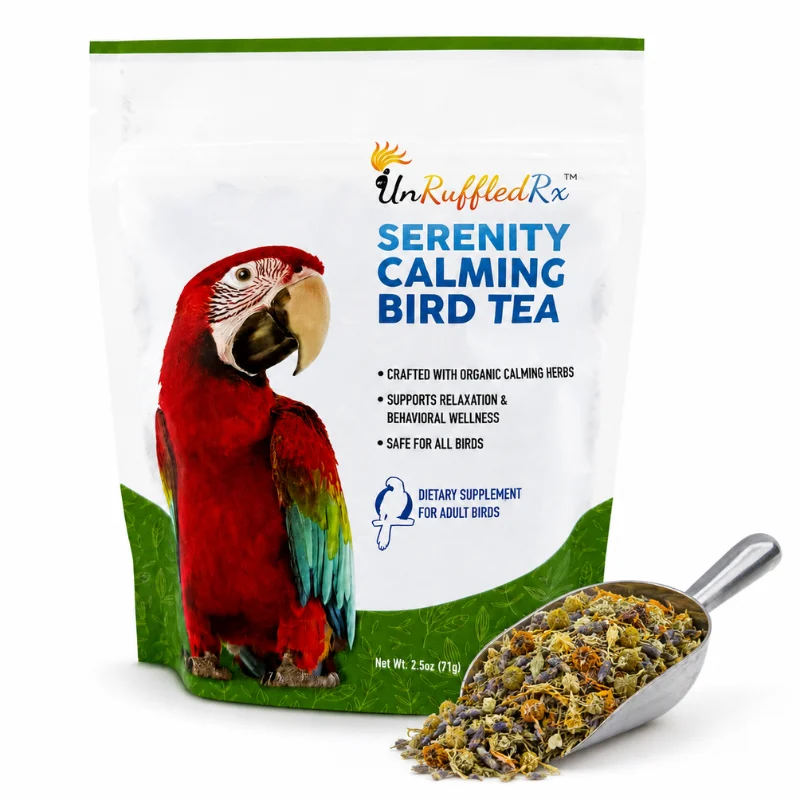
For instance, products like UnRuffledRx OmegaGlow and Serenity offer convenient and beneficial chop-topping options. OmegaGlow, a seed fusion blend of chia, flax, and hemp, introduces a desirable omega-rich texture, providing essential fatty acids, protein, and fiber. Serenity, an herbal blend, adds a gentle, natural aroma and botanical variety, inviting curiosity. Other beneficial additions include:
- Red Palm Oil: A vibrant, plant-based favorite for many birds, rich in Vitamin A (beta-carotene), which is crucial for vision, immune function, and skin health. It should be used sparingly due to its caloric density.
- Bird Sprouting Seeds: These provide fresh crunch, natural foraging texture, and living plant-based variety, mimicking the natural ingestion of germinating seeds found in the wild.
These toppers should be used lightly over fresh chop, vegetables, greens, or sprouts, providing an additional incentive for the bird to explore its new food offerings.

Tailoring Approaches: Addressing Diverse Avian Personalities
Birds, like humans, possess distinct personalities and learning styles. Adapting the teaching approach to suit individual avian temperaments is key to success. The principles derived from pellet conversion methods offer a flexible framework for vegetable introduction:
- Birdie’s Choice (for the curious, attention-seeking bird): If a bird is observant, seeks attention, steps up readily, or frequently tries to eat from your plate, this method is ideal. Offer two to three tiny vegetable choices while you are visibly eating bird-safe vegetables. Reward any positive interaction—even just looking or touching—with enthusiastic praise. This leverages their desire for interaction and their trust in your choices.
- Slow and Steady (for the cautious, routine-driven bird): For birds that are suspicious, cautious, or slow to adapt to new things, consistency is paramount. Offer the same small fresh-food opportunity daily, at the identical time, in the same location. This low-pressure, repetitive exposure allows the new food to become a familiar, non-threatening part of their routine over an extended period. Patience is crucial here; familiarity precedes acceptance.
- Tough Love Adaptation (for the skilled vegetable-avoider): This method is not about restricting calories. Instead, it focuses on maximizing fresh-food exposure in various stimulating ways. For birds that expertly pick out favorites or consistently ignore vegetables in their bowl, owners should introduce clipped greens, vegetable skewers, foraging cups filled with chop, and shallow dishes containing different textures of vegetables in their normal activity areas. The goal is to make vegetables ubiquitous and interesting without making the bird hungry. This increases the likelihood of incidental interaction and curiosity.
It is imperative to reiterate: at no point should hunger be used as a means to force a bird to eat vegetables. Fresh-food training must always be centered on safe exposure, positive modeling, curiosity, and calm repetition. Any sign of reduced eating, weight loss, fewer droppings, or general unwellness warrants an immediate pause in dietary training and an urgent consultation with an avian veterinarian.
The Avian Veterinary Perspective: A Mandate for Balanced Nutrition
Avian veterinarians consistently emphasize the critical role of a balanced diet, rich in fresh vegetables, for the long-term health and well-being of pet birds. Nutritional deficiencies, often stemming from seed-only or predominantly seed-based diets, are a leading cause of illness in captive parrots. Common issues include:
- Vitamin A Deficiency: Seeds are notoriously low in Vitamin A, which is essential for healthy epithelial tissues (skin, mucous membranes, respiratory, digestive, and reproductive tracts), vision, and immune function. Carrots, sweet potatoes, dark leafy greens, and red palm oil are excellent sources.
- Obesity and Liver Disease: High-fat seed diets can lead to obesity, fatty liver disease (hepatic lipidosis), and related metabolic disorders, significantly shortening a bird’s lifespan.
- Calcium Deficiency: Inadequate calcium can cause weak bones, egg-binding in hens, and neurological issues. Leafy greens like kale and broccoli are good sources.
From an official standpoint, major avian veterinary associations and animal welfare organizations advocate for a diet consisting of 70-80% high-quality pellets, 15-20% fresh vegetables and greens, and small amounts of fruits and healthy grains. The methods described in this guide align perfectly with these professional recommendations, providing a humane and effective pathway to achieving these dietary goals. The scientific community, through studies like that by Cummings et al. (2022), supports the application of behavioral learning principles to improve avian nutrition, recognizing the profound impact diet has on health outcomes.

Long-Term Well-being: Broader Implications of a Varied Diet
Successfully transitioning a bird to a vegetable-rich diet extends far beyond mere nutrient intake; it profoundly impacts their overall quality of life. A varied diet contributes to:
- Improved Physical Health: Stronger immune systems, healthier feathers, better bone density, and reduced risk of chronic diseases.
- Enhanced Mental Stimulation: The act of foraging for and consuming different textures, shapes, and flavors of vegetables provides vital mental enrichment, combating boredom and reducing stress-related behaviors like feather plucking.
- Stronger Human-Animal Bond: The positive, interactive process of teaching new foods can strengthen the bond between bird and owner, fostering trust and mutual understanding.
- Reduced Behavioral Issues: Many behavioral problems in birds can be linked to nutritional deficiencies or lack of enrichment. A balanced diet often leads to a calmer, more contented bird.
The process of dietary conversion requires patience, consistency, and an understanding of avian psychology. While some birds may embrace fresh foods within days, others may require weeks or even months of calm, persistent repetition. Success should be measured not just by consumption but by progressive engagement: watching the food, touching it, shredding it, licking it, holding it, or simply moving closer to investigate. Each small step is a victory on the path to a healthier, more enriched life for a cherished avian companion.
References
Cummings, A. M., Hess, L. R., Spielvogel, C. F., & Kottwitz, J. J. (2022). An evaluation of three diet conversion methods in psittacine birds converting from seed-based diets to pelleted diets. Journal of Avian Medicine and Surgery, 36(2), 145–152. https://doi.org/10.1647/21-00025

