


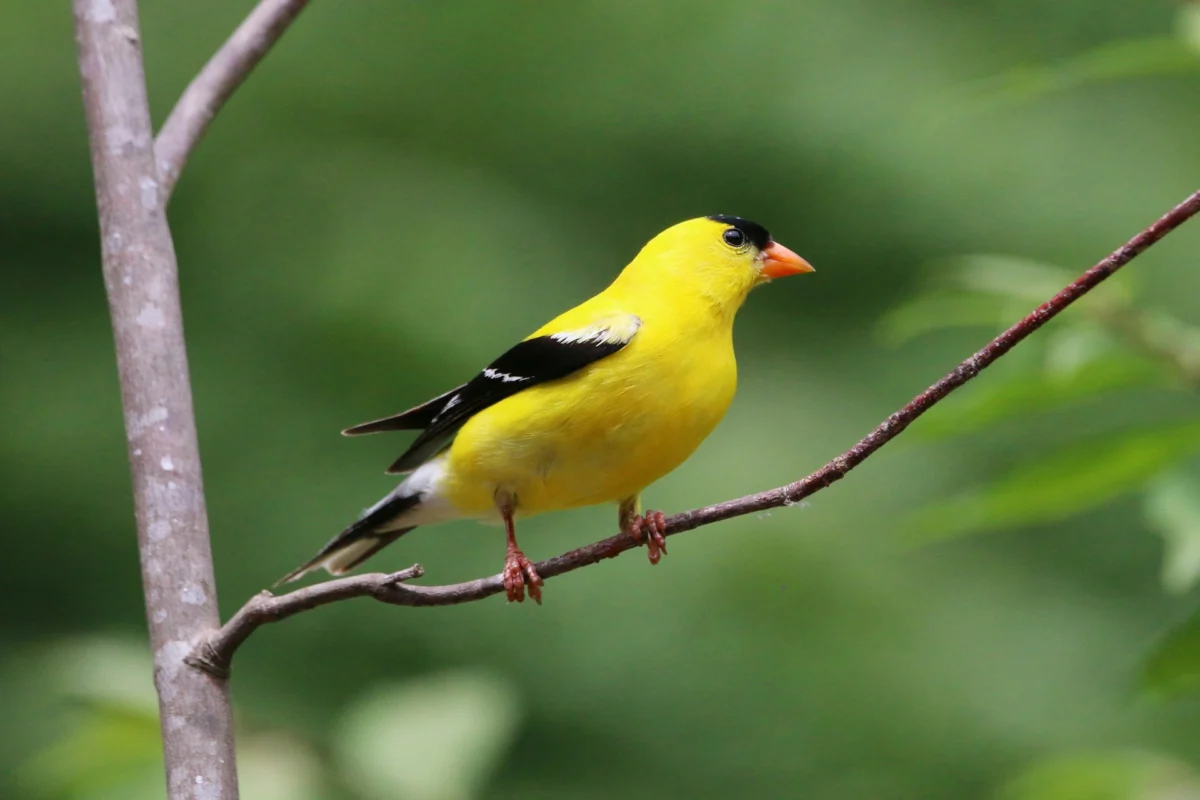
The American Goldfinch, a vibrant splash of sunshine in avian form, is a welcome sight year-round for many residents across North America. Their dazzling yellow plumage, accented by striking black and white wing markings, offers a cheerful contrast to the often-monochromatic winter landscape. The melodious chirping of these songbirds can truly invigorate any outdoor space, transforming a quiet yard into a lively sanctuary. For those fortunate enough to reside within their natural range, particularly in the Northeastern United States where they are year-round residents, the prospect of attracting these delightful finches during the colder months is an achievable and rewarding endeavor. This comprehensive guide delves into the strategies and considerations for creating a welcoming habitat for American Goldfinches throughout the winter, exploring their dietary needs, habitat preferences, and seasonal behaviors.
Understanding the American Goldfinch: A Persistent Presence
The American Goldfinch (Spinus tristis) is a small passerine bird belonging to the finch family, Fringillidae. Renowned for their striking sexual dimorphism, particularly during the breeding season, males transform into brilliant yellow with a distinctive black cap, while females and non-breeding males adopt a more subdued, olive-yellow or brownish hue. This adaptability in coloration plays a crucial role in their survival and social interactions.
A key aspect of their year-round presence in certain regions, such as the Northeastern United States, is their specialized diet. Unlike many bird species that undergo significant migratory journeys to find sustenance, the American Goldfinch’s diet, primarily composed of seeds, allows them to remain in areas where these food sources are accessible, even under a blanket of snow. This dietary resilience makes them an ideal candidate for winter bird feeding initiatives. While some populations migrate south for warmer climates and more abundant food, others, particularly those in the northern reaches of their range, undertake shorter, nomadic movements in search of food, often congregating in areas with plentiful seed-bearing plants.
Cultivating a Goldfinch Haven: Five Essential Steps
Creating an environment conducive to Goldfinch visitation during winter requires a multi-faceted approach, focusing on providing essential resources and ensuring a safe, appealing habitat. The following five steps outline a strategic plan for attracting these energetic birds to your backyard:
Step 1: The Crucial Role of Seed Selection
The foundation of any successful bird-attraction strategy lies in understanding and catering to the specific dietary needs of the target species. American Goldfinches are granivores, meaning their diet consists almost exclusively of seeds. This makes them relatively straightforward to attract compared to insectivorous or omnivorous birds.
Sunflower Seeds: The undisputed favorite among Goldfinches is the black oil sunflower seed. Its high oil content provides essential energy, a critical factor for birds enduring cold weather. Offering these seeds in feeders is the most direct way to draw them in. It is crucial to ensure the sunflower seeds are fresh and dry, as moisture can lead to mold and spoilage, rendering them unappealing and potentially harmful to birds. Regularly inspecting and replenishing feeders is therefore paramount.
Thistle Seed (Nyjer): Another highly prized food source for Goldfinches is thistle seed, also known as nyjer. This tiny, oil-rich seed is particularly effective in attracting smaller finches. While nyjer can be offered in standard tube feeders, many experienced birders opt for specialized thistle socks or feeders designed to dispense these small seeds. These feeders allow finches to hang and delicately extract the seeds from the mesh, a behavior that is not only efficient for the birds but also a delight for observers. Similar to sunflower seeds, keeping nyjer dry and fresh is essential for its appeal.
Seed Maintenance: In winter, humidity levels can increase, posing a challenge to maintaining dry seed. Regularly checking feeders for dampness and replacing any spoiled seed every three to four weeks ensures that the offerings remain attractive and safe. Beyond commercially available seeds, Goldfinches in their natural habitat also supplement their diet by foraging on the bark of young twigs and fresh tree buds, particularly during periods when seed availability is scarce.
Step 2: Selecting the Ideal Bird Feeder
The type of bird feeder employed plays a significant role in its effectiveness for attracting Goldfinches while potentially deterring larger, more aggressive species.
Specialized Feeders: Feeders specifically designed for finches are often smaller in size, featuring small perches and openings that cater to their delicate build and beak size. This selectivity helps ensure that Goldfinches have unimpeded access to their food, reducing competition from larger birds like blue jays or starlings. These specialized feeders can mimic the natural way birds forage for seeds, creating a more familiar and comfortable feeding experience.
Mesh and Tube Feeders: Mesh or tube feeders are particularly well-suited for dispensing nyjer and smaller sunflower seeds. Their design often facilitates airflow, helping to keep the seeds dry and preventing clumping, which is especially important during damp winter months. The construction of these feeders can also encourage the clinging behavior characteristic of finches as they feed.
Strategic Placement: The placement of feeders is also a consideration. While Goldfinches are drawn to a consistent food source, they also appreciate a degree of cover. Placing feeders near shrubs or trees can provide a sense of security, allowing them to quickly retreat if a predator is sighted. However, it is also important to keep feeders at a safe distance from potential perching spots for larger predators like domestic cats.

Step 3: Integrating Natural Vegetation
Beyond artificial feeders, landscaping your yard with plants that naturally attract and provide sustenance for Goldfinches can significantly enhance its appeal as a winter haven.
Seed-Bearing Plants: Several native plants are particularly beneficial for Goldfinches. Sunflowers, as mentioned, are a prime example, producing an abundance of seeds that these birds relish. Their tall stalks can also offer perching opportunities. Other excellent choices include:
- Asters: These late-blooming wildflowers provide a crucial food source as other plants fade.
- Coneflowers (Echinacea): Their seed heads persist through winter, offering a valuable food supply.
- Wild Thistle (Cirsium spp.): Goldfinches are particularly drawn to the fluffy seeds of wild thistles, extracting them with remarkable dexterity. This is a natural food source that mirrors the appeal of nyjer seed.
Nesting Materials: While nesting typically occurs in warmer months, the presence of plants that provide nesting material can still contribute to a Goldfinch’s comfort and perceived security in the yard. Cattails, dandelions, and milkweed offer downy seeds and fibers that are valuable for nest construction.
Plants to Avoid: It is equally important to be aware of plants that could pose a hazard. Burdock, with its prickly burrs, can entangle small birds, making escape difficult and potentially leading to injury or death.
Step 4: Establishing a Safe and Secure Environment
Attracting Goldfinches is not solely about providing food and shelter; it also involves creating an environment where they feel secure and unthreatened.
Predator Awareness: Goldfinches are small and prey to a variety of predators, including larger birds of prey, domestic cats, and even some larger songbirds that can be territorial. While they are generally comfortable in mixed flocks of similar-sized birds, aggressive species like Blue Jays can intimidate and drive them away.
Feeder Management for Species Diversity: To mitigate competition and aggression, consider offering a variety of feeders. Smaller feeders with perches sized for finches can deter larger birds. This strategy ensures that Goldfinches have a dedicated space to feed without undue stress.
Water Sources: A reliable water source is as crucial as food, especially in winter. While open water sources can freeze, maintaining a birdbath, particularly one with a heater to prevent freezing, can be a significant draw. Birds need water for drinking, but also for maintaining the cleanliness and insulation of their plumage, which is vital for surviving cold temperatures.
Step 5: The Importance of Warm Water
Providing a source of unfrozen water is a critical, yet often overlooked, aspect of winter bird feeding.
Hydration and Hygiene: Birds, including Goldfinches, rely on water for essential bodily functions and hygiene. In freezing temperatures, natural water sources become inaccessible, making supplemental water a lifesaver.
Heated Birdbaths: A heated birdbath or a shallow dish with a submersible heater can keep water from freezing, providing a vital resource for drinking and bathing. The act of bathing helps birds maintain their feathers, which are crucial for thermoregulation. A clean birdbath, regularly refreshed, will be a magnet for Goldfinches and other winter birds.
Frequency of Replenishment: During harsh winter conditions, water can be depleted quickly. Checking and refilling water sources daily, if possible, ensures that it remains available and unfrozen.
The Migratory Patterns of the American Goldfinch
The migratory behavior of American Goldfinches is not uniform across their vast range, adding another layer of complexity for enthusiasts.

Year-Round Residents: In the Northeastern United States, for instance, Goldfinches are considered permanent residents. Their abundant seed food sources and the availability of bird feeders allow them to thrive throughout the winter. This stability means that efforts to attract them in winter are likely to be met with consistent success in these regions.
Partial Migration: In other areas, Goldfinch populations exhibit partial migration. This means that some individuals within a population may migrate, while others remain. These nomadic movements are often dictated by local food availability. When seeds become scarce in their breeding grounds due to harsh weather or overconsumption, Goldfinches will move to areas where food is more plentiful.
Southern Migrations: Populations further north, and those in more continental climates, may undertake more significant migrations, traveling south to warmer regions where food sources remain accessible throughout the winter. Some individuals have been observed migrating as far south as Mexico.
Northern Summering Grounds: Conversely, during the summer months, some Goldfinches may travel northward, even into mid-Canada, seeking cooler temperatures and the availability of abundant nesting sites and food.
Seasonal Appearance: A Tale of Two Plumages
The visual appeal of the American Goldfinch undergoes a dramatic transformation between the breeding season and the non-breeding winter months, impacting their visibility and recognition.
Summer Males: During the spring and summer, breeding males are unmistakable with their brilliant, almost luminous yellow bodies, a stark black cap on their heads, and bold black and white wing markings. This vibrant coloration is thought to play a role in mate selection and territorial defense.
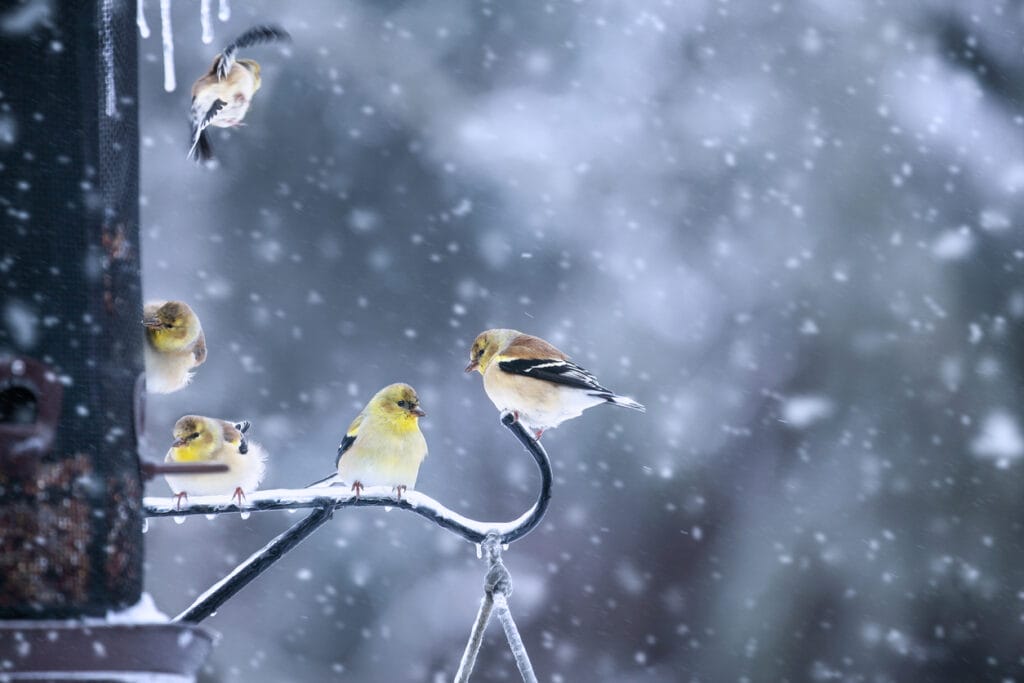
Winter Plumage: As autumn approaches and the breeding season concludes, males begin to molt into a duller, more camouflaged plumage. Their vibrant yellow fades to a more muted, brownish-yellow or olive-green, and the striking black cap often disappears or becomes less prominent. This change helps them blend into the winter landscape, providing camouflage from predators.
Females and Juveniles: Females and young birds are generally less brightly colored than breeding males. They typically exhibit a more subdued yellow or olive-brown coloration year-round, with less distinct markings. In winter, their plumage becomes even more muted, making them harder to distinguish from the non-breeding males. The transition period, when birds are molting from one plumage to another, can result in a patchwork of colors, making identification even more challenging.
Understanding Goldfinch Behavior
Observing Goldfinches provides insights into their social dynamics and feeding habits.
Wariness and Sociability: American Goldfinches are known for their cautious nature. They can be somewhat nervous around humans and larger, more dominant bird species. However, their attraction to reliable food sources often overrides this wariness. They are generally quite comfortable interacting with other Goldfinches and birds of similar size and temperament.
Flocking Behavior: Goldfinches often exhibit flocking behavior, especially outside the breeding season. It is not uncommon to see small groups of these energetic birds congregating at feeders. These flocks can provide safety in numbers, as more eyes are scanning for potential threats. While flocking is common throughout the year, it tends to be less pronounced during the late summer breeding period when pairs are focused on nesting and raising young.
Foraging Techniques: Their small size and specialized beaks are perfectly adapted for extracting small seeds from cones, flower heads, and feeders. Their agility allows them to cling to branches and feeders in various orientations while they feed.
The Melodious Voice of the Goldfinch
The vocalizations of the American Goldfinch are as distinctive as their appearance.
Songs and Calls: Goldfinches possess a varied repertoire of songs and calls. Their most frequently heard song is a lively, complex series of chirps, trills, and whistles that can sound almost melodic and sometimes described as "per-chick-o-ree" or a cascading "po-ta-to-chip." These songs are used for communication, courtship, and territorial establishment.
Nervous Tweeting: When approaching a new or potentially risky food source, Goldfinches may exhibit nervous tweeting. They might hover around the feeder for a period, assessing the situation before committing to landing and feeding. This cautious behavior is a survival instinct.
In-Flight Chatter: During flight, especially when traveling in flocks, Goldfinches often engage in chattering calls. This audible communication helps the flock stay together and can be one of the first indicators of their presence in an area. The cheerful sounds of a visiting flock can be a delightful auditory experience for any backyard observer.
Conclusion: A Rewarding Winter Endeavor
Attracting American Goldfinches to your yard during the winter is a highly achievable and immensely rewarding endeavor for any bird enthusiast. By understanding their dietary preferences, providing appropriate feeders, incorporating native vegetation, and ensuring a safe and water-rich environment, you can transform your outdoor space into a vibrant sanctuary for these delightful songbirds. The effort invested in maintaining dry, fresh seed, offering specialized feeders, and providing unfrozen water will undoubtedly be rewarded with the cheerful presence and melodious calls of the American Goldfinch, adding a splash of color and life to even the bleakest winter days.
Frequently Asked Questions About American Goldfinches
What is the difference between a yellow finch and a goldfinch?
In North America, there isn’t a distinct species officially named "yellow finch" in the same way as the American Goldfinch. However, the term might be used colloquially. The Yellow Warbler (Setophaga petechia) is a small, entirely yellow bird, sometimes with reddish streaks on its breast, and is a different species from the American Goldfinch. The American Goldfinch, particularly the male during breeding season, is a brilliant yellow with a characteristic black cap and black and white wing markings, making it visually distinct.
What is the lifespan of a goldfinch bird?
The lifespan of an American Goldfinch in the wild typically ranges from 3 to 6 years. However, with consistent access to food sources, protection from predators, and favorable environmental conditions, some individuals may live longer. Factors such as predation, disease, and severe weather conditions can influence their survival rates.
Are goldfinches always gold?
No, American Goldfinches are not always gold. Their plumage color varies significantly with the seasons and between sexes. Breeding males are renowned for their striking, bright yellow plumage during the spring and summer months, often accompanied by a black cap. However, during the non-breeding season (fall and winter), both males and females, as well as juvenile birds, adopt a duller, more muted coloration, typically a brownish-yellow or olive-green. This seasonal change in coloration is an adaptation for camouflage and thermoregulation.

