


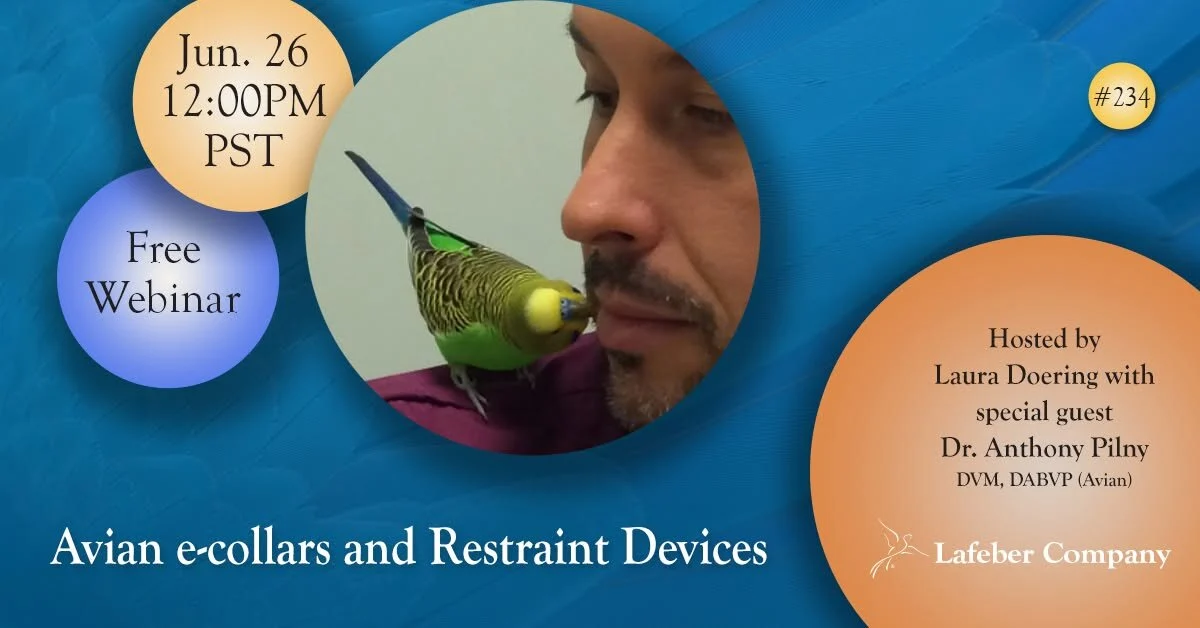
The global avian veterinary community is set to convene virtually on Friday, June 26, 2026, for a comprehensive webinar focusing on the crucial topic of avian e-collars and restraint devices. Scheduled for 12:00 p.m. Pacific Daylight Time (PDT), with participants advised to consult a time zone converter for local timings, the event will feature Dr. Anthony A. Pilny, DVM, DABVP, a distinguished expert in avian medicine. This educational initiative aims to equip veterinary professionals and dedicated bird owners with in-depth knowledge regarding the appropriate application and management of these essential tools, which are vital for preventing self-trauma, aiding recovery from injuries, and safeguarding surgical sites in avian patients. The webinar underscores the ongoing commitment within the veterinary field to advancing humane and effective care for birds, addressing both the medical and behavioral challenges inherent in avian practice.
The Critical Role of Avian Restraint in Modern Veterinary Practice
Avian medicine presents a unique set of challenges compared to companion animal care involving mammals. Birds, by their very nature, are often prey animals, which means they are masters at concealing illness or injury. When they do exhibit signs of distress or pain, they may resort to self-mutilation, feather plucking, or interfering with wounds and surgical sites, significantly hindering their recovery process. This inherent behavioral response necessitates specialized intervention tools, among which e-collars and various restraint devices are paramount. These devices are not merely about control; they are therapeutic instruments designed to protect the bird from exacerbating its own condition, thereby facilitating healing and improving overall welfare. The application of such devices requires a delicate balance of efficacy and minimal stress, a nuance that Dr. Pilny is expected to explore extensively during his presentation. Understanding the different types available, their specific indications, and the best practices for their implementation is fundamental for any practitioner or owner committed to optimal avian health outcomes.
Understanding Avian e-Collars and Restraint Devices: Types and Applications
Avian e-collars, often referred to as Elizabethan collars, are designed to prevent a bird from accessing parts of its body with its beak. Unlike their mammalian counterparts, avian e-collars must be lightweight, durable, and specifically tailored to the unique anatomy and flight capabilities (or lack thereof, post-application) of birds. The materials range from clear plastic, which allows for some visibility, to softer fabric options, which may be more comfortable for long-term wear. Beyond the traditional cone shape, innovations include flat collars that restrict head movement, body wraps that cover larger areas, and even specialized vests designed to protect the torso while allowing some limb mobility.
The primary applications for these devices include:
- Post-Surgical Protection: Preventing birds from picking at sutures or surgical incisions, which is a common and serious complication.
- Wound Management: Protecting open wounds, burns, or dermatological lesions from further trauma or infection caused by the bird’s beak.
- Feather Destructive Behavior (FDB): While FDB often has underlying medical or behavioral causes, e-collars can be a temporary measure to break the cycle of plucking or mutilation while primary causes are investigated and treated.
- Self-Mutilation: Addressing severe cases where birds are causing significant harm to themselves, often due to pain, stress, or neurological issues.
- Assisting with Medication Application: In some instances, a collar may be used temporarily to ensure topical medications remain on the skin or wound without being ingested.
Each type of device carries its own advantages and potential drawbacks. For example, rigid plastic collars offer maximum protection but can impede feeding, perching, and overall mobility. Softer fabric collars might be more comfortable but offer less resistance to determined birds. The selection of the appropriate device is a critical decision that hinges on the bird’s species, size, temperament, the specific injury or condition, and the expected duration of use. Dr. Pilny’s expertise will undoubtedly provide invaluable guidance on making these nuanced decisions.
Addressing Self-Trauma and Injury in Avian Patients: Causes and Consequences
Self-trauma in birds, particularly feather destructive behavior (FDB) and direct wound interference, is a pervasive and often perplexing problem in avian medicine. While sometimes purely behavioral, triggered by stress, boredom, or anxiety in captive environments, it can also be a symptom of underlying medical conditions. These can range from parasitic infestations (mites, lice), bacterial or fungal infections of the skin, allergies, nutritional deficiencies, systemic diseases, organomegaly (enlarged organs), chronic pain, or even reproductive issues. The act of preening, which is natural and essential for feather maintenance, can escalate into over-preening, plucking, and ultimately, self-mutilation when birds are under duress or experiencing discomfort.
The consequences of self-trauma are severe and multifaceted. Beyond the immediate physical damage, such as skin lacerations, bruising, and feather loss, there is a high risk of secondary bacterial or fungal infections, which can spread rapidly in the warm, moist environment of a bird’s skin. Chronic self-mutilation can lead to scarring, permanent feather follicle damage, and even systemic infections requiring aggressive medical intervention. Psychologically, birds experiencing chronic pain or stress often develop deeper behavioral pathologies, becoming more withdrawn, aggressive, or prone to stereotypic behaviors. In such scenarios, restraint devices serve as a crucial temporary shield, allowing the underlying medical or behavioral issues to be diagnosed and addressed without the constant threat of the bird undoing any progress. The webinar will likely delve into case studies and practical scenarios, illustrating how a multi-modal approach, integrating appropriate restraint with comprehensive diagnostic work-up and environmental enrichment, leads to better patient outcomes.
Best Practices for Effective and Humane Application
The successful use of avian e-collars and restraint devices extends far beyond merely putting them on a bird. It encompasses a holistic approach that prioritizes the bird’s comfort, safety, and psychological well-being throughout the recovery process. Key best practices include:
- Accurate Sizing and Fit: The device must be snug enough to prevent removal or manipulation by the bird but loose enough to allow comfortable breathing, eating, and drinking. Improper fit can lead to chafing, pressure sores, or even strangulation.
- Material Selection: Choosing a material that is non-toxic, lightweight, easy to clean, and appropriate for the bird’s environment is crucial. Some materials may be better for short-term use, while others are designed for longer durations.
- Initial Adaptation and Monitoring: Birds often react negatively to new restraint devices. Gradual introduction, positive reinforcement, and close monitoring for signs of extreme stress, inability to eat/drink, or respiratory distress are vital. Initial supervision is critical.
- Environmental Adjustments: The bird’s cage environment may need modifications. Perches might need to be lowered or changed to platforms, food and water dishes made more accessible, and cage accessories simplified to prevent entanglement.
- Hygiene and Maintenance: Regular cleaning of the device and the skin beneath it is essential to prevent skin irritation, dermatitis, and infection.
- Owner Education and Compliance: Bird owners play a pivotal role in the success of restraint therapy. They must be thoroughly educated on how to monitor their bird, identify complications, assist with feeding/drinking if necessary, and ensure the device remains properly fitted and clean. Clear communication from the veterinary team is paramount.
- Veterinary Oversight: Regular follow-up appointments are necessary to assess the bird’s progress, adjust the device if needed, and re-evaluate the primary condition that necessitated the restraint. This ongoing assessment ensures the device is removed as soon as it is safe to do so.
Dr. Pilny’s practical insights into these best practices will be invaluable, offering attendees actionable strategies to optimize the therapeutic benefits of these devices while minimizing potential distress to the avian patient.
The Expert Behind the Presentation: Dr. Anthony A. Pilny, DVM, DABVP
The selection of Dr. Anthony A. Pilny as the featured speaker for this significant webinar underscores his standing as a leading authority in avian veterinary medicine. Dr. Pilny is a Diplomate of the American Board of Veterinary Practitioners (DABVP) specializing in avian practice, a rigorous certification that signifies a high level of expertise and commitment to advanced patient care in a specific species group. His academic background, extensive clinical experience, and dedication to research and education have positioned him at the forefront of exotic animal veterinary care.
Dr. Pilny’s work often involves complex avian cases, from advanced diagnostics and surgical interventions to long-term management of chronic conditions and behavioral issues. His practical approach, combined with a deep scientific understanding, makes him uniquely qualified to address the nuances of avian e-collars and restraint devices. He not only understands the mechanics and medical indications but also the profound impact these devices can have on a bird’s psychological state. His ability to blend evidence-based medicine with compassionate patient care will provide attendees with a balanced and highly informative perspective. This webinar represents an opportunity to learn directly from an individual who has contributed significantly to the advancement of avian veterinary techniques and welfare.
Lafeber’s Commitment to Avian Health Education
While not explicitly stated as the organizer, the provided URL structure suggests Lafeber Company’s involvement, a reputable name synonymous with avian health and nutrition. Lafeber has a long-standing history of supporting educational initiatives within the veterinary and pet owner communities, demonstrating a commitment that extends beyond commercial products. By sponsoring or facilitating webinars such as this, Lafeber contributes significantly to the dissemination of crucial knowledge, empowering professionals and enthusiasts alike to provide better care for birds. This type of industry support is vital for the continuous professional development of veterinarians and technicians, ensuring they remain abreast of the latest techniques, research, and best practices in a rapidly evolving field like avian medicine. Such collaborations foster a stronger, more informed community dedicated to the well-being of avian companions.
Broader Implications for Avian Veterinary Medicine
The focus on avian e-collars and restraint devices, while seemingly specific, has broader implications for the trajectory of avian veterinary medicine. It highlights the ongoing evolution of specialized tools and techniques tailored to the unique physiological and behavioral needs of birds. As scientific understanding of avian species deepens, there is a continuous push for more refined, less invasive, and more humane methods of treatment and care. The discussion around restraint devices naturally leads to considerations of animal welfare, ethics in veterinary practice, and the importance of minimizing stress in hospitalized or recovering birds.
Furthermore, this webinar contributes to the broader trend of increasing specialization within veterinary medicine. The complexity of exotic animal care, including avian species, demands practitioners with dedicated knowledge and skills. Educational events like this play a critical role in elevating the standard of care across the globe, promoting a consistent application of best practices, and ultimately, improving the health and longevity of avian patients. It also underscores the importance of client education, transforming bird owners into active, informed partners in their pets’ healthcare journey.
Webinar Logistics and Registration
The "Avian e-Collars & Restraint Devices" webinar featuring Dr. Anthony A. Pilny is scheduled for Friday, June 26, 2026, at 12:00 p.m. PDT. Prospective attendees from various time zones are strongly encouraged to use the provided time zone converter link (https://www.timeanddate.com/worldclock/converter.html) to ensure they join at the correct local time. Registration is now open and can be completed via the dedicated Zoom link: https://us02web.zoom.us/webinar/register/WN_NxlQCguSRf69v_AsUrBoCw. Early registration is recommended to secure participation and receive any pre-webinar materials or reminders. The virtual format allows for widespread accessibility, enabling veterinary professionals, technicians, and even experienced bird owners from around the world to benefit from Dr. Pilny’s expertise without geographical barriers. Attendees can expect an engaging presentation, potentially followed by a question-and-answer session, offering a direct opportunity to interact with a leading expert in the field. This event is poised to be a pivotal educational experience for anyone involved in the care and welfare of avian species.
In conclusion, the upcoming webinar on avian e-collars and restraint devices is more than just an informational session; it is a critical educational event poised to significantly enhance the skills and knowledge of avian care providers. By focusing on a topic vital for patient safety and recovery, and by featuring an expert of Dr. Pilny’s caliber, the event reinforces the commitment to humane and effective avian veterinary medicine. It represents a valuable opportunity for professional development and contributes to the ongoing advancement of care for our feathered companions.

