


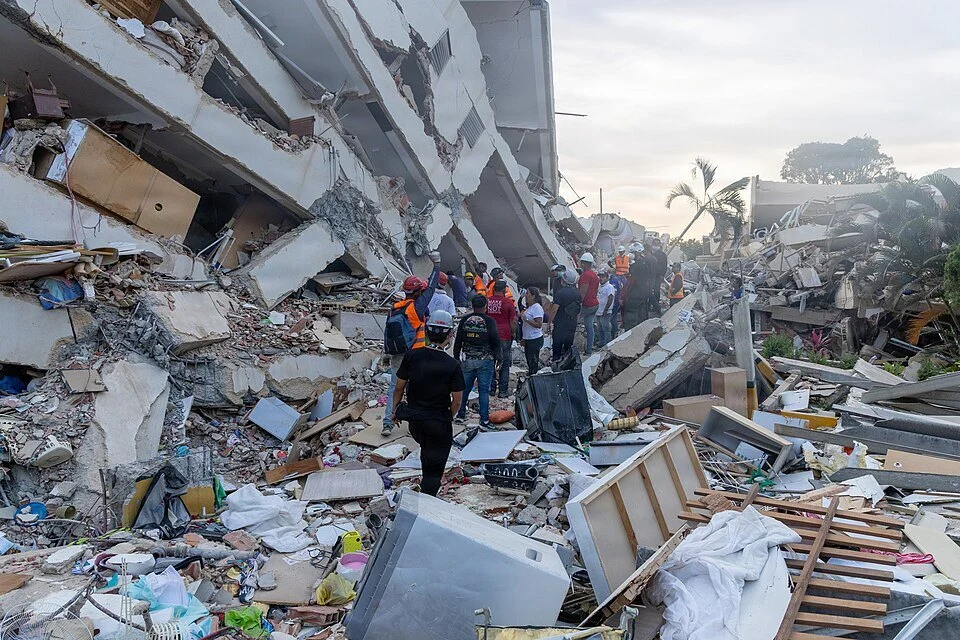
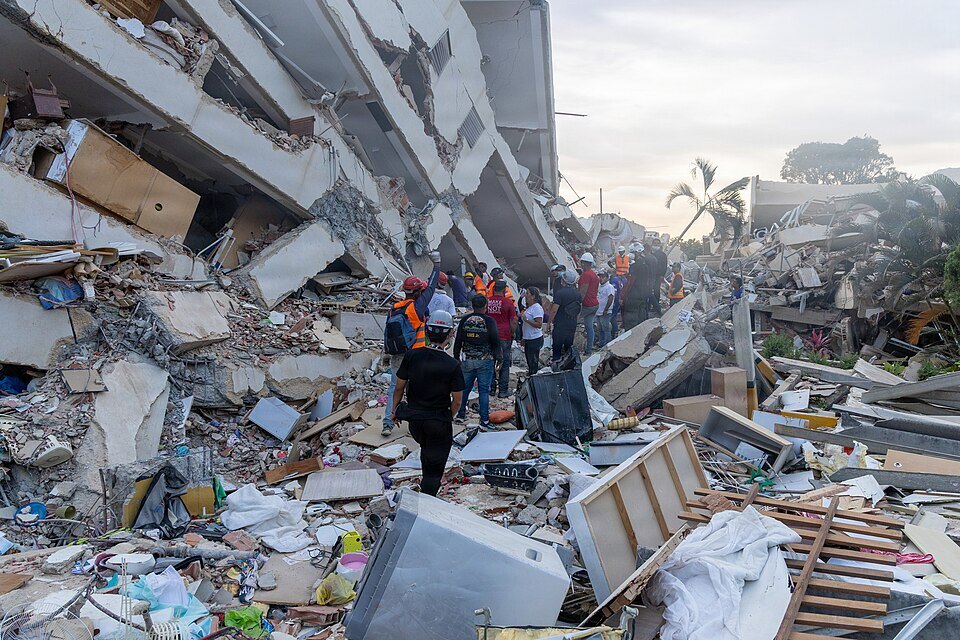
The nation of Venezuela was plunged into profound sorrow and chaos on June 28, 2026, when two catastrophic earthquakes, registering magnitudes of 7.2 and 7.5 respectively, struck with brutal force. Originating off the coast and shaking the very foundations of the country, these powerful seismic events unleashed widespread devastation across the La Guaira region and several other states, leaving an indelible scar on the landscape and the collective psyche of its people. The immediate aftermath revealed a tragedy of immense proportions, with preliminary reports indicating a staggering 4,734 fatalities and over 17,000 injured. Beyond these grim statistics, an estimated 6.8 million individuals found their lives irrevocably altered, grappling with the loss of homes, livelihoods, and, for many, loved ones. The sheer scale of the disaster quickly overwhelmed local resources, necessitating a massive mobilization of emergency teams and an outpouring of international solidarity. Even as days turned into a week, the tireless search for survivors continued around the clock amidst the perilous rubble, a testament to the unwavering hope that every buried life might yet be saved.
The Dual Catastrophe Strikes Venezuela
The geological instability of the Caribbean Plate, which borders the South American Plate, makes Venezuela particularly susceptible to seismic activity. On that fateful day in late June, the accumulated tectonic stresses released with devastating intensity. The first quake, a magnitude 7.2 event, struck initially, causing significant damage. However, it was swiftly followed by an even more powerful magnitude 7.5 tremor, exacerbating the destruction and collapsing structures already weakened by the initial jolt. The coastal state of La Guaira, with its dense population and infrastructure, bore the brunt of the impact. Multi-story buildings crumbled into dust, roads fractured, and essential services like electricity and water were severed across vast areas. Beyond La Guaira, states such as Miranda, Carabobo, and Aragua also reported extensive damage and casualties, indicating the broad reach of the seismic waves.
The immediate hours post-earthquake were characterized by a desperate scramble for survival and a nascent, yet resolute, response. Hospitals, many of which sustained damage themselves, were inundated with the injured, their staff working under extreme pressure. Communication networks were severely disrupted, hampering early assessment efforts and coordination. The Venezuelan government declared a state of emergency, appealing for international assistance as the true scope of the disaster began to unfold. Initial aerial surveys painted a grim picture of widespread destruction, with entire neighborhoods reduced to heaps of concrete and twisted metal. The emotional toll on the population was immediate and profound, as survivors recounted harrowing escapes and the agony of searching for missing family members and friends.
A Week of Desperate Search and Rescue Operations
In the days following the twin quakes, an extraordinary humanitarian effort was launched. Thousands of dedicated first responders, including firefighters, civil protection personnel, military units, and civilian volunteers, converged on the affected zones. They were joined by international search and rescue (SAR) teams from countries like Mexico, Colombia, and the United States, bringing specialized equipment, K9 units, and invaluable expertise in urban search and rescue. These teams worked in shifts, often forgoing rest, navigating treacherous debris fields under the ever-present threat of aftershocks and structural collapse. The air was thick with the dust of destruction and the cacophony of heavy machinery, generators, and the calls of rescuers.
The challenges faced by these teams were immense. The unstable rubble posed a constant danger, requiring meticulous planning and execution for every extraction. The tropical climate, with its high humidity and heat, further complicated efforts, increasing the risk of dehydration and exhaustion among rescuers and potential survivors. Access to some of the hardest-hit areas was severely restricted due to damaged infrastructure, necessitating the use of helicopters and specialized off-road vehicles. Despite these formidable obstacles, the spirit of human resilience and determination shone brightly. Each successful rescue, however small, ignited a flicker of hope that resonated throughout the devastated communities and across the nation. The international community responded swiftly, with aid agencies mobilizing to provide food, water, medical supplies, and temporary shelter to the millions displaced.
Victoria’s Miraculous Discovery: A Glimmer of Hope
Seven agonizing days after the earthquakes struck, amidst the grim routine of sifting through debris in a particularly devastated sector of La Guaira, a moment of profound, unexpected hope emerged. A team of Miranda firefighters, meticulously working through the remnants of a collapsed apartment building, made a discovery that would soon capture the hearts of millions worldwide. Buried deep within the rubble, clinging steadfastly to the body of its deceased owner, they found a parrot.
The scene was emotionally charged. The parrot, visibly distressed yet remarkably alive, demonstrated an unwavering loyalty that moved the seasoned rescue workers to tears. Initially, the bird was affectionately named Panchito by its rescuers, a spontaneous gesture reflecting the joy and relief of finding a living creature amidst so much death. The moment of its extraction was captured on video, quickly disseminating across social media platforms and news outlets globally. In the widely shared footage, the voice of one firefighter, choked with emotion, can be heard exclaiming, "My boy, you survived! You’re alive, Panchito!" This simple declaration encapsulated the raw emotion of the moment – a testament to life’s tenacity and the profound bond between humans and animals.
Later, as news of the parrot’s rescue spread, individuals who knew the deceased owner came forward, identifying the parrot by its rightful name: Victoria. This identity soon replaced the initial nickname in news cycles, cementing her place in the public consciousness. Victoria’s refusal to leave her owner’s side, even in death, spoke volumes. She had been found tightly clutched to his chest, suggesting that in his final moments, the owner had instinctively attempted to shield his beloved pet from the crushing impact. Victoria was the sole survivor from their apartment, a poignant testament to both her owner’s final act of love and her own extraordinary will to live.
The Battle for Survival and a Nation’s Grief
Upon rescue, Victoria was immediately rushed to a local veterinary facility, where she received urgent and specialized care. Her condition was critical; she was dehydrated, traumatized, and likely suffering from internal injuries consistent with severe blunt force trauma. A team of dedicated veterinarians and support staff worked tirelessly, administering fluids, pain relief, and close monitoring. The global attention on Victoria’s story meant that updates on her health were eagerly awaited, transforming her into a symbol of resilience for a nation struggling to cope with immense loss.
For several days, Victoria showed promising signs of improvement. She began to accept food and water, and her initial fear slowly gave way to a fragile sense of security in the care of the veterinary team. The public, following her journey with bated breath, clung to every positive report, seeing in her struggle a reflection of their own hope for recovery. Her story offered a crucial emotional outlet, a small but significant source of light in the overwhelming darkness of the disaster.
However, the severe trauma she had endured proved to be too great. On July 5th, despite the "utmost possible care" administered by the veterinary staff, Victoria sadly succumbed to her injuries. The news of her passing sent a wave of renewed grief across Venezuela and among the international audience that had become invested in her survival. The initial joy of her rescue was now tempered by sorrow, yet her story continued to resonate. A spokesperson for the veterinary clinic released a statement expressing profound sadness, "We did everything humanly possible for Victoria. Her fight for life was an inspiration, and her passing reminds us of the fragility of life and the immense challenges faced by all survivors, human and animal, in the wake of such a catastrophe."
Broader Humanitarian Efforts and Animal Welfare
Victoria’s story, while singular in its poignant detail, was part of a much larger narrative of resilience and compassion emerging from the Venezuelan earthquakes. While the focus of search and rescue operations is primarily on human life, the commitment shown to Victoria underscored a broader humanitarian principle: that all living things matter. This sentiment was echoed in other animal rescues that occurred concurrently. Two dogs, for instance, were also successfully pulled from the rubble in separate incidents, both alive and recovering at the time of this writing. These successful animal rescues, often facilitated by dedicated animal welfare organizations working alongside official SAR teams, provided a crucial morale boost to rescuers and affected communities.
Animal welfare groups, both local and international, played a vital role in the aftermath of the quakes. They established temporary shelters for displaced pets, provided emergency veterinary care for injured animals, and worked to reunite lost animals with their owners. The psychological impact of losing a pet can be profound, especially for individuals who have already lost so much. The ability to save or reunite a beloved animal can be a significant step in the emotional recovery process for survivors. This holistic approach to disaster response, acknowledging the importance of companion animals, highlights an evolving understanding of humanitarian aid.
The Symbolism of Resilience and Humanity
Victoria (Panchito), the parrot whose brief journey from rubble to recovery and eventual passing, became far more than just a news story. She transformed into a powerful symbol for the Venezuelan people and for observers worldwide. Her tenacity to survive, clinging to life against unimaginable odds, mirrored the human spirit in the face of adversity. Her unwavering loyalty to her owner, even in death, spoke to the profound bonds that exist between species, reminding humanity of its shared capacity for love and devotion.
Her story resonated deeply because it offered a tangible moment of hope amidst overwhelming despair. In a disaster of such magnitude, where statistics often dehumanize the suffering, Victoria’s individual struggle and rescue provided a focal point for collective emotion. It was a reminder that even in the darkest hours, acts of compassion and the discovery of life can ignite a sense of shared humanity. The commitment of the rescue teams, who extended their tireless efforts to an animal, demonstrated a quality of empathy and care that many found deeply moving. It underscored the belief that all life holds value, and that in striving to save one, they affirmed the worth of all.
For many, Victoria’s story was a moment of catharsis, allowing for the release of pent-up emotions of grief and helplessness. It provided a narrative arc—despair, discovery, hope, and ultimately, sorrow—that mirrored the larger experience of the disaster. Her passing, though tragic, did not diminish her impact; rather, it cemented her legacy as a poignant reminder of the fragility and preciousness of life, and the enduring power of compassion.
Challenges in Post-Disaster Recovery
As Venezuela slowly transitions from immediate emergency response to the long and arduous process of recovery, the challenges remain immense. Rebuilding infrastructure, providing sustainable housing for millions of displaced individuals, restoring essential services, and addressing the long-term psychological trauma of survivors will require sustained national and international effort. The economic impact of the earthquakes will be felt for years, potentially exacerbating existing socio-economic difficulties in the country.
The lessons learned from the search and rescue phase, including the importance of integrating animal welfare into disaster planning, will be crucial for future preparedness. The collaborative spirit demonstrated by national and international teams during this crisis offers a template for effective disaster response. As Venezuela begins the monumental task of reconstruction, the memory of Victoria, the loyal parrot, will likely serve as a quiet, yet powerful, reminder of the resilience of life and the boundless capacity for empathy that defines the human spirit even in the face of unimaginable loss. Her story, though tinged with sadness, ultimately celebrates the unwavering commitment of those who seek to save, and the enduring hope that can be found in even the smallest sparks of life.

