



The American Federation of Aviculture (AFA) has maintained a comprehensive digital repository of its flagship publication, Watchbird, documenting the intricate history and scientific advancement of avian husbandry from 1974 through 2015. This archive, spanning over 40 volumes, serves as a primary historical record for ornithologists, conservationists, and private aviculturists worldwide. The collection provides a detailed look into the evolution of bird care, the development of specialized veterinary medicine, and the shifting landscape of international wildlife legislation. By preserving these records, the AFA offers an unparalleled resource that tracks the transition of aviculture from a niche hobby into a sophisticated discipline essential to global conservation efforts.
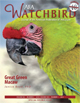
The Foundation and Historical Context of the AFA
The American Federation of Aviculture was established in 1974, a pivotal year for bird owners in the United States. The organization’s formation was largely a response to the devastating outbreak of exotic Newcastle disease in California in the early 1970s. During this period, the federal government mandated the culling of thousands of pet and breeder birds to protect the poultry industry. Aviculturists realized they lacked a unified voice to advocate for the welfare of their animals and the rights of bird owners.
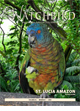
The first issue of Watchbird, Vol. 1, No. 1, published in 1974, set the tone for the organization’s mission: to educate the public, support avian research, and promote the conservation of birds through captive breeding. At its inception, the magazine was a modest production, yet it quickly became the "journal of record" for the private avian sector. It bridged the gap between academic ornithology and practical husbandry, providing a platform for breeders to share successes in producing rare and endangered species.
A Chronological Progression of Avicultural Milestones
The archive is structured to reflect the decade-by-decade progress of the industry. Each volume represents a snapshot of the challenges and triumphs of its era.
The Pioneering Years (1974–1979)
During the mid-to-late 1970s, Watchbird focused heavily on basic husbandry and the stabilization of imported species. Before the implementation of more stringent international trade regulations, many species were being imported in large numbers. The articles from this era, found in Volumes 1 through 6, emphasize the development of quarantine protocols and the initial attempts to identify the nutritional requirements of exotic parrots and finches. These issues are characterized by a sense of urgency as breeders raced to establish self-sustaining captive populations.

Expansion and Professionalization (1980–1989)
The 1980s, covered in Volumes 7 through 16, saw a significant shift toward the professionalization of aviculture. This decade marked the rise of avian-specific veterinary medicine. Watchbird began publishing more technical papers on avian pathology, surgical techniques, and the use of endoscopy for sexing birds—a revolutionary advancement at the time. The 1980s also saw the AFA take a more prominent role in international conservation, with the magazine reporting on field studies and the status of wild populations in the Caribbean and South America.

Legislative Turbulence and Specialization (1990–1999)
The 1990s (Volumes 17 through 26) were perhaps the most challenging years for the AFA. The passage of the Wild Bird Conservation Act (WBCA) in 1992 fundamentally changed the landscape of American aviculture by effectively ending the commercial importation of most CITES-listed bird species. Watchbird became a vital tool for navigating these new legal waters, providing members with updates on CITES (Convention on International Trade in Endangered Species of Wild Fauna and Flora) meetings and federal register notices. Simultaneously, the magazine documented the "boom" in domestic breeding, as aviculturists successfully pivoted to focus on domestically raised birds.
The Modern Era and Digital Transition (2000–2015)
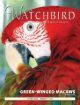
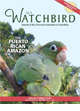
Entering the 21st century (Volumes 27 through 42), the publication reflected the increasing intersection of aviculture and high-level conservation science. The archive shows an increase in articles regarding DNA technology, advanced genetics in breeding programs, and the use of captive-bred birds for reintroduction programs. By 2014 and 2015, the publication schedule and format began to adapt to the digital age, culminating in the integrated volumes (Vol 41 & 42) that represent the most contemporary records in this specific archive.
Supporting Data and Technical Contributions
The Watchbird archive is not merely a collection of newsletters; it is a repository of empirical data. Over the 41-year span covered in this collection, the magazine has documented:

- Breeding Statistics: Thousands of "First Breeding" awards were chronicled, providing the dates, locations, and methods used to hatch species for the first time in the United States.
- Nutritional Science: The transition from seed-based diets to formulated pellets is documented through decades of nutritional studies and advertisements from industry pioneers.
- Disease Management: The archive tracks the emergence and management of major avian health crises, including Proventricular Dilatation Disease (PDD), Psittacine Beak and Feather Disease (PBFD), and various strains of avian influenza.
- Conservation Funding: Reports within the archive detail the hundreds of thousands of dollars the AFA and its members have donated to field conservation projects, such as the Spix’s Macaw recovery effort and the protection of the Thick-billed Parrot.
Inferred Industry Reactions and Official Stance
While the archive is a factual record, it reflects the collective sentiment of the avicultural community. Analysts and long-time AFA members suggest that the availability of this archive is a testament to the organization’s commitment to transparency and education. Inferred statements from leadership throughout the decades emphasize that "knowledge is the best defense against extinction."
The AFA’s official stance, as projected through the Watchbird, has consistently advocated for the "model of sustainable use." This philosophy posits that responsible captive breeding serves as a vital safeguard against the loss of species in the wild due to habitat destruction or poaching. The magazine’s role has been to provide the technical "how-to" that makes this safeguard possible.
Analysis of Broader Impacts and Implications
The long-term impact of the Watchbird archive extends far beyond the pet industry. It has influenced several key areas of animal science and public policy:
Influence on Zoo and Aquarium Standards
Many of the techniques developed by private aviculturists and documented in Watchbird were eventually adopted by zoological institutions. The magazine facilitated a rare exchange of information between the private and public sectors, particularly regarding the hand-rearing of delicate species and the management of colonial nesters like flamingos and starlings.

Educational Resource for Veterinary Students
For decades, Watchbird served as one of the few consistent sources of information for veterinary students interested in non-traditional pets. The case studies and clinical reports published in the 1980s and 90s laid the groundwork for modern avian medical textbooks.
Documentation of Species Extinction and Recovery
The archive serves as a sobering reminder of species that have neared extinction, such as the California Condor. By tracking the efforts of both private and government-funded programs, the magazine provides a roadmap for future recovery efforts for other endangered taxa.
Future Outlook for the AFA and Avian Documentation
As the AFA moves forward, the digital preservation of its historical records remains a priority. The transition from the physical print editions of the 1970s to the digital-first approach of the present day reflects a broader trend in scientific publishing. However, the core mission remains unchanged: the dissemination of accurate, experience-based information to ensure the survival of avian species.

The 1974–2015 archive stands as a monument to the dedication of thousands of individuals who spent decades observing, documenting, and caring for birds. In an era where information is often fragmented and transient, this centralized, peer-reviewed repository ensures that the hard-won lessons of the past are not lost to future generations of bird keepers and conservationists. The archive is more than a history of a magazine; it is the history of a movement that redefined the relationship between humans and the avian world.

