


The Global Stage: Football and Feathers
The FIFA World Cup, a quadrennial international men’s football championship, brings together nations from every continent, uniting cultures under the banner of sport. While the focus remains squarely on athletic prowess and strategic gameplay, the event inadvertently shines a spotlight on the natural heritage of its host countries. For bird enthusiasts and conservationists, the tournament provides an opportune moment to appreciate the avian wonders, particularly parrots, that inhabit these diverse landscapes. Parrots, with their striking plumage, complex social structures, and often astonishing intelligence, are not merely aesthetic marvels; they are crucial indicators of ecosystem health and vital components of biodiversity. Their presence in these World Cup nations underscores the urgent need for global conservation efforts, reminding us that the natural world, much like sport, transcends borders and requires collective stewardship.
Biodiversity Hotspots: A Continent-by-Continent Tour of Parrot Power
The participating and host nations of the FIFA World Cup represent some of the planet’s most significant biodiversity hotspots. A closer look reveals a fascinating array of parrot species, each uniquely adapted to its environment.
South American Giants: Brazil, Paraguay, Argentina, and Colombia
Brazil: Parrot Powerhouse
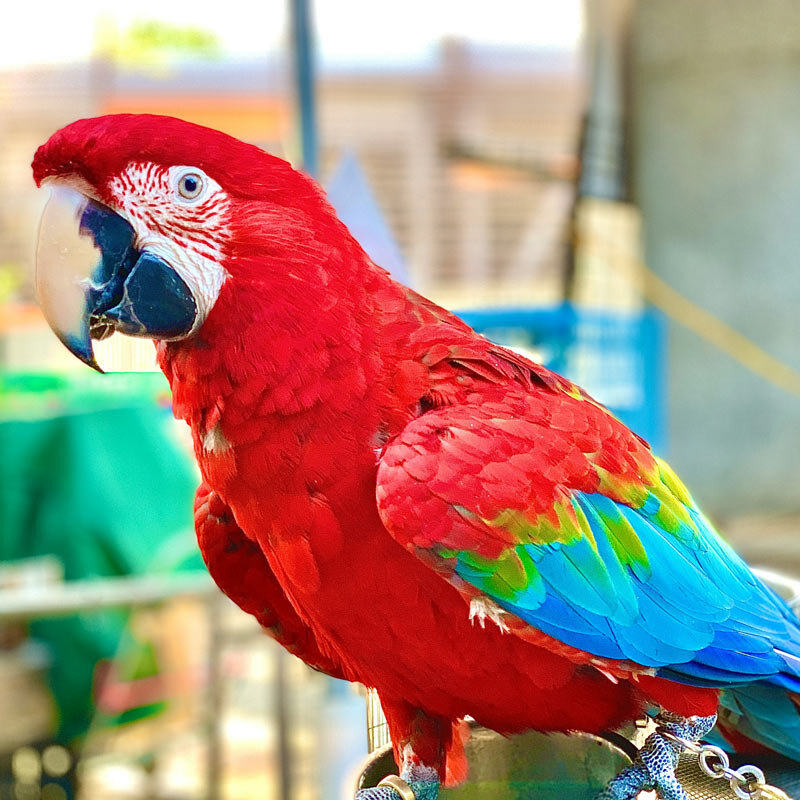
If there were a World Cup for parrots, Brazil would undoubtedly be a perennial champion. This South American giant, renowned for its immense Amazon rainforest, Pantanal wetlands, and Atlantic Forest, is home to an astonishing variety of avian life. Brazil boasts more than 80 distinct parrot species, making it a global epicenter for psittacine diversity. Among its feathered residents are the magnificent Hyacinth Macaw (Anodorhynchus hyacinthinus), the largest flying parrot species, characterized by its striking cobalt-blue feathers and powerful beak. These gentle giants, primarily found in the Pantanal and Amazon basin, feed almost exclusively on hard palm nuts, demonstrating remarkable adaptability. Brazil also hosts other iconic macaws, including the vibrant Blue-and-Gold Macaw (Ara ararauna) and the majestic Green-winged Macaw (Ara chloropterus). The latter is so deeply intertwined with Brazil’s national identity that it appears prominently on the reverse side of the Brazilian 10-real banknote, a rare honor that solidifies its status as a national symbol and makes Brazil one of the few countries globally to feature a parrot on its currency. Beyond macaws, Brazil’s aviary includes a multitude of mini-macaws, Amazon parrots, conures, and smaller parakeet species, each contributing to the country’s unparalleled avian richness. Conservation efforts in Brazil are critical, as many of these species face threats from habitat destruction, deforestation, and the illegal pet trade. Organizations work tirelessly to protect vital habitats and raise awareness about the plight of these intelligent birds, ensuring that Brazil remains a powerhouse of parrot diversity for generations to come.
Mexico: Land of Macaws & Amazons
As one of the co-hosts for the upcoming FIFA World Cup 2026, Mexico offers a captivating blend of ancient cultures, modern cities, and breathtaking natural landscapes. Its rich variety of habitats, ranging from tropical rainforests and cloud forests to arid deserts and coastal mangroves, makes it a significant hotspot for parrots. Over 20 native parrot and parakeet species have been recorded throughout the country, many of which are endemic, meaning they are found nowhere else on Earth. Notable endemic species include the tiny Mexican Parrotlet (Forpus cyanopygius) and the critically endangered Maroon-fronted Conure (Aratinga rubrolarvata), both of which highlight Mexico’s unique evolutionary heritage. The skies above Mexico are also graced by the impressive Military Macaw (Ara militaris), an endangered species known for its striking green plumage and powerful flight, often found nesting in cliff faces. Furthermore, Mexico is a stronghold for numerous species of Amazon parrots, celebrated for their intelligence and mimicry abilities. These include the iconic Double-yellow-headed Amazon (Amazona oratrix) and the Yellow-naped Amazon (Amazona auropalliata), both of which are highly sought after in the illegal pet trade, leading to their critically endangered status in the wild. For football fans attending the World Cup matches in Mexican cities like Mexico City, Guadalajara, or Monterrey, the sight and sound of wild parrots soaring overhead can be an especially exciting and unexpected natural encounter, adding another dimension to their travel experience.
Paraguay: Small Country, Big Parrot Diversity
Often referred to as the "Heart of South America" due to its central location on the continent, Paraguay may be landlocked but it is far from lacking in biodiversity. For parrot enthusiasts and conservationists, Paraguay is a country of significant interest, hosting 24 recorded parrot species within its borders. This remarkable diversity includes a spectrum of colorful parakeets and conures, such as the popular Green-cheeked Conure (Pyrrhura molinae), alongside larger, more majestic parrots like various macaws and Amazon species. Despite its relatively smaller size compared to its neighbors, Paraguay’s diverse ecosystems—encompassing the vast Chaco plains, the humid Atlantic Forest remnants, and the Pantanal wetlands—provide crucial habitats for these birds. This makes Paraguay an important stronghold for many South American parrot species, serving as a vital corridor for avian migration and a refuge for populations facing habitat loss elsewhere. The ongoing efforts by local and international conservation groups in Paraguay are essential for protecting these vibrant populations, ensuring that this "Heart of South America" continues to beat with the rhythm of its diverse parrot life.

Argentina: Cliff-Nesting Parrots
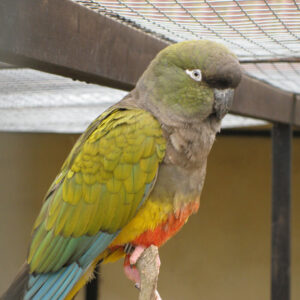
While soccer fans globally recognize Argentina for its unparalleled World Cup success and legendary players like Maradona and Messi, bird enthusiasts appreciate the nation for its unique avian residents. Argentina is famously home to the highly adaptable Monk Parakeet (Myiopsitta monachus), also known as the Quaker Parrot, a species known for building large, communal stick nests and establishing feral populations in urban areas worldwide. However, perhaps its most spectacular parrot inhabitant is the majestic Patagonian Conure (Cyanoliseus patagonus), often referred to as the Burrowing Parrot. These striking birds are renowned for their extraordinary nesting behavior, excavating extensive burrows in massive cliffside colonies across Patagonia. The largest known parrot breeding colony in the world is located in Argentina’s coastal cliffs, a breathtaking spectacle of avian life that underscores the country’s ecological significance. With their vibrant colors and impressive social structures, Argentina’s parrots showcase an impressive diversity that rivals the nation’s passion for soccer, offering a profound connection to its wild heartland. Conservation efforts focus on protecting these unique nesting sites and mitigating human-wildlife conflicts, particularly with agricultural interests.
Colombia: Macaws & More
Colombia, a nation celebrated for its vibrant culture, stunning landscapes, and growing prowess in international football, is also a global biodiversity hotspot, boasting the highest number of bird species on Earth. For World Cup visitors, Colombia’s parrots serve as a vivid reminder that the country’s natural treasures are just as impressive as its athletic talent. Among Colombia’s spectacular parrot fauna are the iconic Scarlet Macaw (Ara macao), the brilliant Blue-and-Gold Macaw (Ara ararauna), and the powerful Military Macaw (Ara militaris). Beyond these well-known species, Colombia holds a particularly compelling conservation story: the Indigo-winged Parrot (Hapalopsittaca fuertesi), a critically endangered species once thought extinct before its dramatic rediscovery in the cloud forests of the Colombian Andes. This rediscovery ignited intensive conservation efforts to protect its remaining fragile populations. The country’s incredibly diverse habitats—from the Andean mountains to the Amazon basin, and its Caribbean and Pacific coastlines—also support several species of Amazon parrots, colorful conures, energetic parakeets, and unique Pionus parrots. These birds thrive in Colombia’s rich ecosystems, highlighting the urgent need for habitat preservation and the fight against illegal wildlife trade to safeguard this unparalleled avian heritage.
Oceania’s Unique Avifauna: Australia and New Zealand

Australia: Cockatoo & Cockatiel Central
Australia, a continent synonymous with kangaroos and koalas, is equally, if not more, significant as one of the world’s great parrot nations. Its long geological isolation has fostered the evolution of an extraordinary array of endemic parrot species, many of which are beloved by pet bird enthusiasts worldwide. The skies of Australia are frequently filled with the raucous calls and striking white crests of Sulphur-crested Cockatoos (Cacatua galerita), highly intelligent birds known for their adaptability to urban environments. The equally iconic Galah (Eolophus roseicapilla), with its distinctive pink and grey plumage, is a common sight across much of the continent. Australia is the ancestral home of the popular Cockatiel (Nymphicus hollandicus), a small, crested parrot that has charmed millions as a companion animal, and the ubiquitous Budgerigar (Melopsittacus undulatus), arguably the most popular pet bird globally, which roams in vast, wild flocks across Australia’s arid interior. Other notable Australian parrots include the striking Eclectus Parrot (Eclectus roratus), known for its extreme sexual dimorphism, and the brilliantly colored Rainbow Lorikeet (Trichoglossus moluccanus), a nectar-feeding species that brings a splash of vibrant hues to urban gardens and forests. Australia’s contribution to global parrot diversity is immense, making it a must-watch nation not only for soccer fans but also for anyone fascinated by the evolutionary wonders of avian life. Conservation efforts in Australia focus on protecting habitats from bushfires and development, as well as managing populations in urban areas.
New Zealand: Home of the Mischievous Kea
New Zealand, with its dramatic landscapes of mountains, fiords, and lush forests, is an island nation whose isolation has led to the evolution of a truly unique and often flightless avifauna. Among its most distinctive inhabitants are its parrots, which are unlike any others found globally. The mountain-dwelling Kea (Nestor notabilis) stands out as the world’s only alpine parrot, famed for its extraordinary intelligence, insatiable curiosity, and often mischievous habit of investigating anything left unattended by humans—from car windshield wipers to backpack zippers. This highly social bird is an iconic symbol of New Zealand’s Southern Alps. The country is also home to the Kākā (Nestor meridionalis), a large forest parrot known for its rich green and brown plumage and loud calls, playing a vital role in forest regeneration. Most famously, New Zealand is the last refuge of the critically endangered Kākāpō (Strigops habroptilus), the world’s only flightless, nocturnal, and heaviest parrot. With fewer than 250 individuals, the Kākāpō is the subject of an intensive, highly successful conservation program that has brought it back from the brink of extinction, making it a beacon of hope for critically endangered species worldwide. New Zealand’s parrots represent a fascinating chapter in avian evolution, underscoring the importance of protecting isolated island ecosystems.
Africa’s Iconic Voices: The Democratic Republic of the Congo

The Democratic Republic of the Congo: Land of the Grey Parrot
The Democratic Republic of the Congo (DRC), a vast nation in Central Africa known for its immense biodiversity and the second-largest rainforest in the world—the Congo Basin—is perhaps best known among bird lovers as the primary home of the iconic Congo African Grey Parrot (Psittacus erithacus). Celebrated globally for its extraordinary intelligence, unparalleled mimicry abilities, and capacity for complex communication, the African Grey is one of the world’s most recognized and celebrated parrot species. Its critically endangered status, primarily due to rampant habitat loss and the unsustainable illegal pet trade, makes its presence in the DRC a poignant reminder of conservation challenges. The country’s vast forests also support other remarkable African parrots, including the colorful Red-fronted Parrot (Poicephalus gulielmi), the smaller Meyer’s Parrot (Poicephalus meyeri), and several species of vibrant lovebirds (Agapornis spp.). As a significant part of the Congo Basin, the DRC provides vital habitat for these iconic African parrots, whose survival is inextricably linked to the health of this globally crucial ecosystem. For bird-loving soccer fans, the DRC’s World Cup appearance offers a chance to celebrate both its talented athletes and the remarkable birds that call its forests home, while also drawing attention to critical conservation needs.
North America’s Unexpected Aviary: Mexico, United States, and Canada
United States: Urban Parrot Flock Flyovers
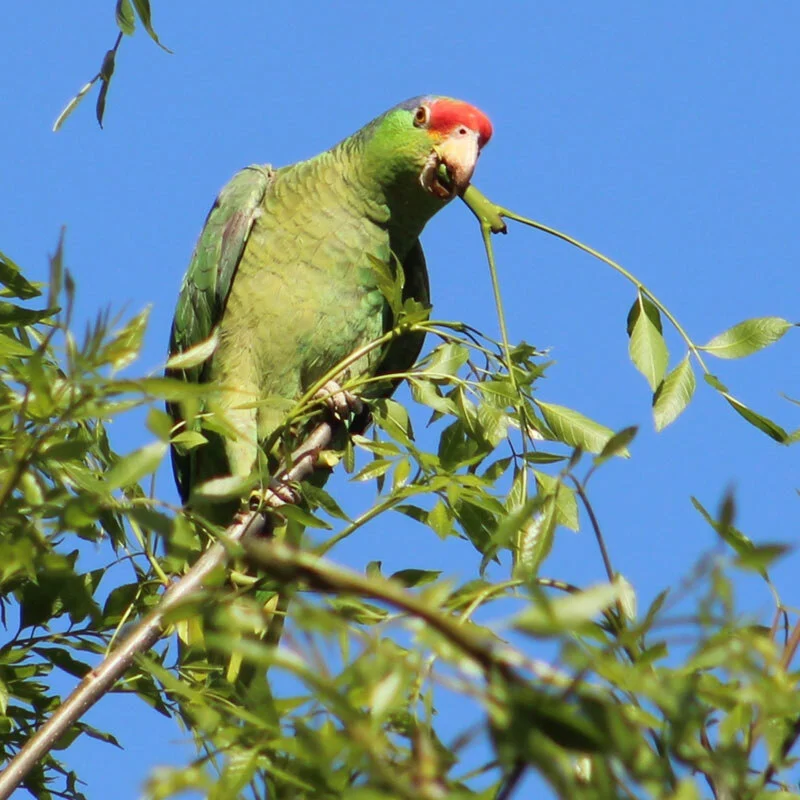
As a co-host of the FIFA World Cup 2026, the United States offers a unique and unexpected avian experience for international visitors. While native parrot species like the Carolina Parakeet are tragically extinct, decades of escaped and released pet birds have led to the establishment of thriving wild parrot populations in urban areas across the country. These feral flocks have become a familiar, if surprising, sight and sound, particularly in sunny states like California, Texas, and Florida. Species such as the resilient Monk Parakeet (Myiopsitta monachus), the vibrant Red-crowned Amazon (Amazona viridigenalis, endangered in its native Mexico but thriving in US cities), the striking Nanday Conure (Aratinga nenday), and the large Mitred Conure (Psittacara mitrata) can often be seen and heard flying over parks, neighborhoods, and even major sporting venues like SoFi Stadium in Southern California. While these parrots are not native residents, their successful adaptation to urban environments has made them a familiar and beloved part of the local landscape, offering World Cup visitors an unexpected glimpse of tropical birds during their travels and highlighting the adaptability of these intelligent creatures.
Canada, Too?!
The northernmost co-host of the FIFA World Cup 2026, Canada, might seem an unlikely place for wild parrots, yet it too has a fascinating connection to these tropical birds. Similar to the United States, small feral populations of Monk Parakeets (Myiopsitta monachus) have managed to take root and even breed in unexpected colder climates. Historical records indicate that Monk Parakeets were first recorded breeding in Canada in 1987 in Montreal, a testament to their remarkable hardiness and adaptability to varying climates. While not widespread native populations, these small, localized flocks represent a curious phenomenon of avian urbanization and highlight how human activity, particularly the pet trade, can inadvertently reshape urban ecosystems. For World Cup attendees visiting Canadian cities like Vancouver, Toronto, or Montreal, keeping an eye out for these unexpected feathered residents adds another layer of intrigue to their experience, demonstrating that the global reach of parrots extends far beyond their traditional tropical domains.
Beyond the Pitch: The Deeper Significance of Parrot Conservation
The connection between the FIFA World Cup and the diverse world of parrots extends beyond mere coincidence. It serves as a powerful reminder of the planet’s rich biodiversity and the pressing need for conservation. Many of the parrot species highlighted in these World Cup nations face significant threats, including habitat destruction due to deforestation and agricultural expansion, the illegal pet trade, and the impacts of climate change. For instance, the critically endangered status of the Hyacinth Macaw, Double-yellow-headed Amazon, Military Macaw, Kea, Kākāpō, and African Grey Parrot underscores the fragility of these populations.

The global spotlight cast by the World Cup offers a unique opportunity to raise awareness about these challenges. As millions travel to host countries and billions watch from afar, the vibrant presence of wild parrots can inspire a deeper appreciation for nature and catalyze support for conservation initiatives. Ecotourism, where visitors seek out natural wonders like parrot colonies, can also provide economic incentives for local communities to protect these birds and their habitats. Moreover, the phenomenon of urban parrot flocks in North America sparks discussions about non-native species, urban ecology, and responsible pet ownership.
In conclusion, the FIFA World Cup is more than just a contest of athletic prowess; it is a global phenomenon that draws attention to the intricate connections between human culture and the natural world. The stunning diversity of parrots found in many participating and host nations offers a colorful and compelling narrative, celebrating not only the spirit of competition but also the invaluable natural heritage that we all share. As the cheers for goals echo across stadiums, let the vibrant calls of parrots remind us of the beauty and fragility of our planet’s wild inhabitants, inspiring a renewed commitment to their protection for future generations.

