


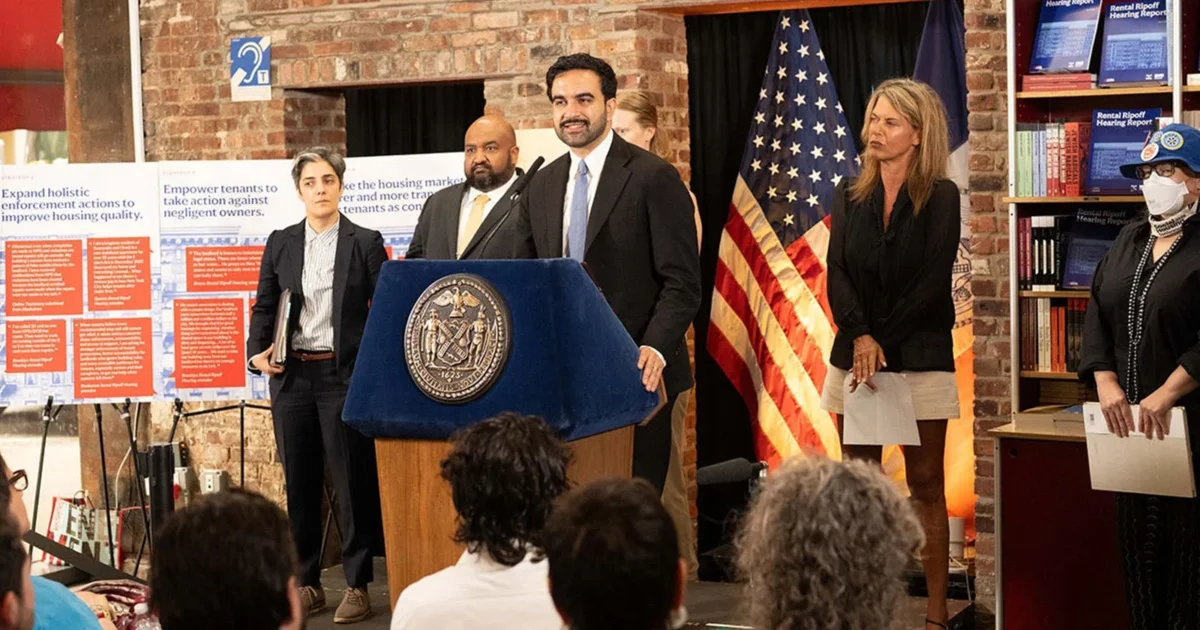
Mayor Zohran Mamdani has unveiled a comprehensive strategy to combat what his administration describes as "deceptive landlord practices," centering on the increasingly prevalent use of artificial intelligence to misrepresent rental properties. The initiative, headlined by the release of the "Rental Ripoff Report," marks a significant escalation in the city’s efforts to regulate the intersection of emerging technology and consumer protection within the housing market. The report outlines a series of legislative and regulatory recommendations, most notably a requirement for landlords and real estate brokers to provide explicit disclosures when artificial intelligence or digital manipulation tools have been used to alter listing photographs or descriptions.
This announcement follows an exceptionally active period for the Mamdani administration. Just twenty-four hours prior to the release of the housing report, the Mayor introduced a "click-to-cancel" rule aimed at simplifying the subscription termination process, specifically targeting software giants like Adobe. The dual focus on digital transparency and consumer rights suggests a broader administrative philosophy aimed at modernizing the city’s regulatory framework to address 21st-century technological challenges.
The Evolution of the Rental Ripoff Report
The "Rental Ripoff Report" is the culmination of an extensive "listening tour" conducted across New York City’s five boroughs. Upon taking office, Mayor Mamdani established the Rental Ripoff Hearings as a priority for his first week. Over the subsequent months, the administration engaged with approximately 2,400 residents, documenting a wide array of grievances ranging from structural neglect to financial exploitation.
The findings of these hearings painted a grim picture of the city’s rental landscape. Tenants reported persistent issues with mold, untreated pest infestations, and a lack of basic maintenance. However, a significant portion of the testimony focused on the digital front of the housing crisis: the discrepancy between online advertisements and physical reality. Many New Yorkers expressed frustration over arriving at viewings only to find that the "sun-drenched" or "recently renovated" apartments they saw online were the product of sophisticated digital editing or entirely AI-generated imagery.
The report serves as a policy roadmap based on these lived experiences. By transitioning from public testimony to concrete policy proposals, the Mamdani administration aims to bridge the gap between tenant advocacy and executive action.
Addressing the Rise of AI in Real Estate
The use of AI in real estate is not a new phenomenon, but its sophistication has increased dramatically in recent years. Traditionally, realtors used "virtual staging" to place digital furniture into empty rooms to help prospective buyers visualize the space. However, the technology has moved beyond mere decoration. Current tools allow for the digital removal of structural damage, the artificial brightening of dark basements, and the "painting" of walls that are, in reality, covered in peeling lead paint or mold.
In some extreme cases, listings have utilized fully synthetic images that do not correspond to any physical location. The "Rental Ripoff Report" identifies these practices as a form of consumer fraud. For tenants who are forced to sign leases remotely—often due to relocating for employment or education—these deceptive images can lead to catastrophic financial and personal consequences.
The proposed disclosure mandate would require any listing that has undergone significant digital alteration to carry a clear watermark or text disclosure. This includes "generative AI" used to create elements of the room, as well as "AI-enhanced" photos that significantly alter the lighting, textures, or structural appearance of the property.
Chronology of the Mamdani Housing Initiative
The rollout of the housing transparency measures follows a specific timeline of administrative actions designed to build momentum for tenant rights:
- January 2026: Mayor Mamdani assumes office and immediately announces the formation of the Rental Ripoff Hearings.
- February – May 2026: The Mayor’s Office to Protect Tenants conducts a series of town halls in the Bronx, Brooklyn, Manhattan, Queens, and Staten Island, gathering data from 2,400 participants.
- June 2026: Data synthesis and drafting of the "Rental Ripoff Report" begin, incorporating feedback from housing advocates and legal experts.
- July 15, 2026: The administration announces the "click-to-cancel" rule, establishing a precedent for aggressive consumer protection against digital-era corporate practices.
- July 16, 2026: The official release of the "Rental Ripoff Report" and the announcement of the AI disclosure requirements.
Supporting Data and the Impact on New York Tenants
The necessity for these regulations is underscored by data regarding the New York City rental market. With a vacancy rate hovering below 1.5% for several years, the competition for housing is fierce. This scarcity creates an environment where tenants feel pressured to make quick decisions, often relying solely on digital listings to secure a home before it is taken by another applicant.
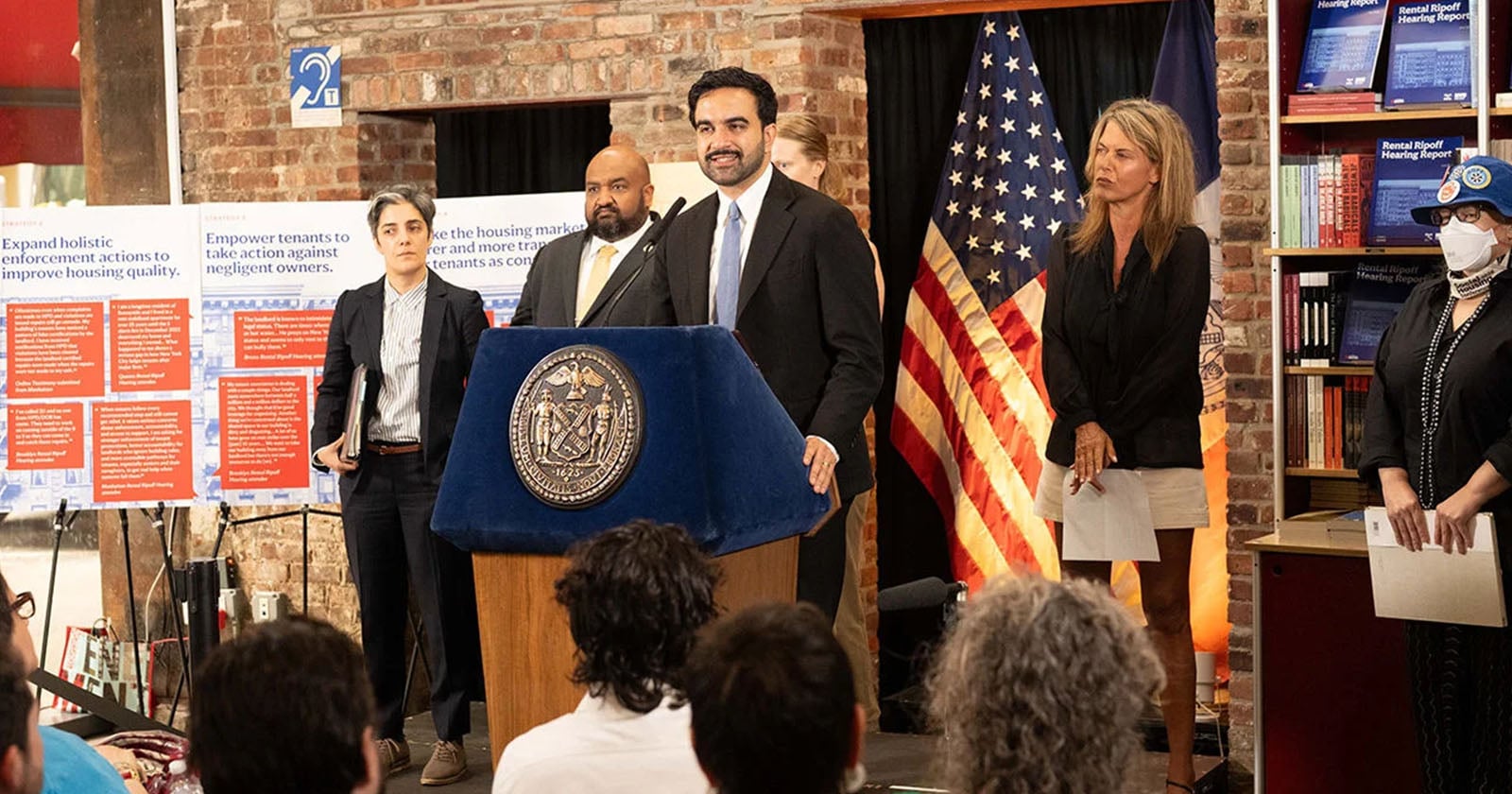
According to data cited by housing advocacy groups, approximately 30% of new renters in New York City sign leases without a physical walkthrough, a number that rose significantly during the post-pandemic shift toward remote work and digital-first relocation. Furthermore, reports of "bait-and-switch" tactics involving digital imagery have risen by an estimated 45% over the last two years, as AI tools became more accessible and affordable for smaller-scale landlords and independent brokers.
The "Rental Ripoff Report" posits that by mandating disclosure, the city will reduce the number of housing court cases predicated on misrepresentation, thereby easing the burden on a judicial system that is currently backlogged with thousands of tenant-landlord disputes.
Official Statements and Administrative Perspective
In a statement accompanying the report’s release, Mayor Mamdani emphasized the human element of these policy shifts. "At Rental Ripoff Hearings across the five boroughs, we heard from thousands of New Yorkers living with mold that was never treated, pests that were never addressed, and fees that were never explained," Mamdani stated. "Listening was only the first step. This report turns those stories into concrete action. From requiring disclosure of AI-altered listings to bringing our code enforcement systems into the 21st century and finally recognizing tenant unions, we are making it clear that every New Yorker deserves a safe home—and every landlord who refuses to provide one will be held accountable."
Leila Bozorg, Deputy Mayor for Housing and Planning, reinforced the administration’s commitment to evidence-based policy. "These policies are rooted in real experiences and address real concerns," Bozorg noted, highlighting that the move to regulate AI is a proactive measure to prevent future abuses as technology continues to evolve.
Cea Weaver, Director of the Mayor’s Office to Protect Tenants, framed the report as a shift in the power dynamic of the city. "The Rental Ripoff Hearings and today’s report are writing a new chapter in tenant power in New York City," Weaver said. "Governing is a partnership. By bringing tenants’ voices directly into policy and taking unprecedented steps to facilitate tenant organizing across the city, we are showing what governing with New Yorkers looks like."
Broader Implications for the Real Estate Industry
The proposed regulations are expected to have a ripple effect across several industries. For the real estate photography sector, the mandate may lead to a resurgence in demand for authentic, high-quality architectural photography that does not rely on deceptive "post-production" tricks. Conversely, software companies that develop AI-staging tools may need to integrate "disclosure metadata" or watermarking features directly into their platforms to help users comply with the new New York City standards.
Legal experts suggest that the "Rental Ripoff Report" could serve as a model for other major metropolitan areas facing similar housing crises. As cities like London, San Francisco, and Toronto grapple with the implications of AI in advertising, New York’s move toward mandatory disclosure sets a legal precedent for defining where "marketing" ends and "deception" begins.
Furthermore, the report’s focus on tenant unions and bargaining rights represents a significant shift in labor-adjacent housing policy. By recognizing these unions, the city is effectively legitimizing collective bargaining for residents, which could fundamentally change how large-scale property management companies negotiate rent increases and maintenance schedules.
Conclusion and Next Steps
The release of the "Rental Ripoff Report" is the first step in a legislative process. The Mamdani administration is expected to work closely with the City Council to codify these recommendations into local law. The proposed AI disclosure requirements will likely face scrutiny from real estate lobby groups, who may argue that such measures place an undue burden on small landlords or infringe on commercial speech.
However, the administration appears prepared for a protracted fight, buoyed by the extensive public record created during the Rental Ripoff Hearings. As New York City continues to navigate a complex housing market, the focus on digital transparency and the regulation of AI serves as a reminder that even the most modern technologies are subject to the foundational principles of consumer protection and housing justice. For the millions of New Yorkers currently navigating the rental market, these measures offer a glimmer of hope that the home they see on their screen will finally match the one they walk into on move-in day.

