


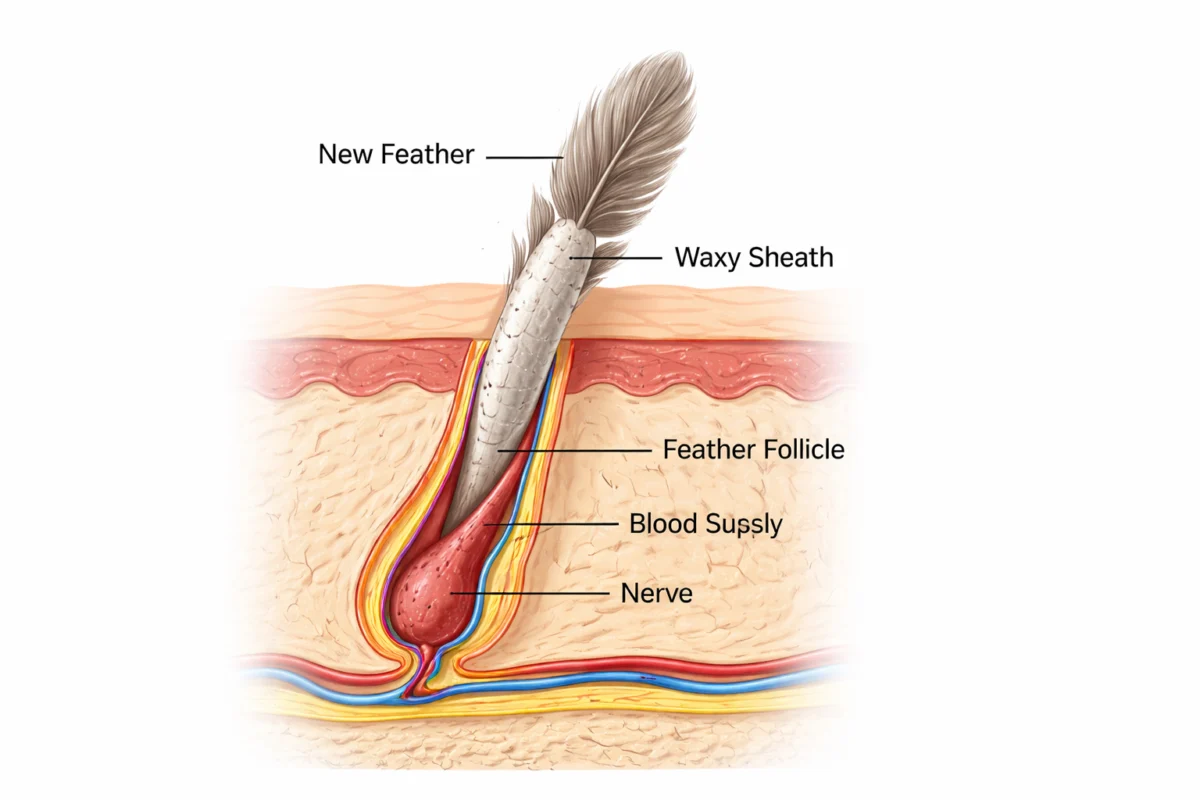
The natural process of molting is an essential physiological event for all birds, ensuring the replacement of worn-out feathers with new, healthy ones. A common and often misunderstood aspect of this cycle is the emergence of pin feathers, which are newly developing feathers encased in a protective keratin sheath. While a normal part of avian life, their appearance can cause concern for owners dueating to their spiky appearance and the potential for discomfort. This guide aims to demystify pin feathers, provide a detailed understanding of their development, differentiate them from more serious conditions like blood feathers, and offer practical, expert-backed strategies for supporting a bird’s comfort and well-being during this critical period.
Understanding the Avian Molt and Pin Feather Genesis
Feathers are not merely aesthetic; they are vital for flight, insulation, waterproofing, and display. Over time, feathers endure significant wear and tear from daily activities, environmental exposure, and preening. To maintain their integrity and functionality, birds undergo a cyclical process known as molting, during which old feathers are shed and replaced. This complex biological event is energy-intensive and meticulously orchestrated by hormonal cues, often influenced by seasonal changes, daylight hours, and nutritional status.
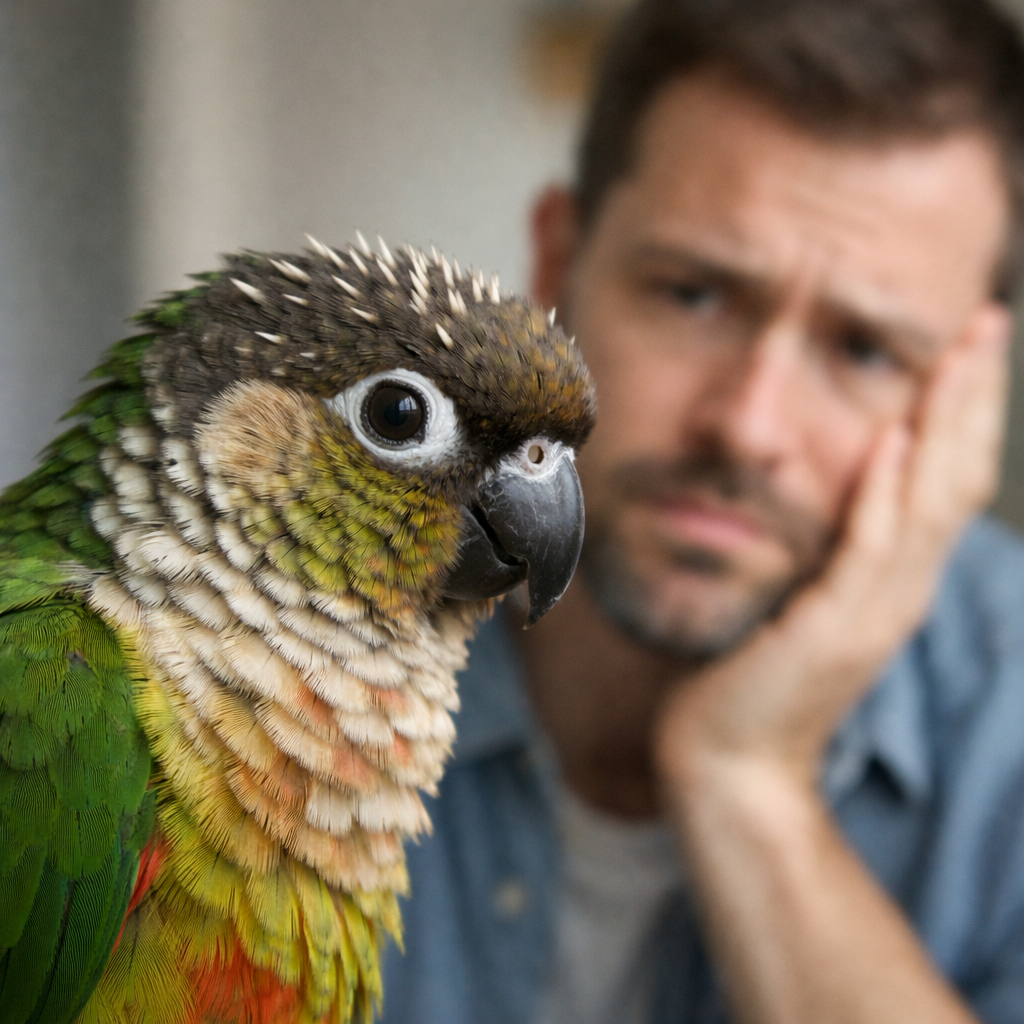
Pin feathers represent the initial stage of new feather growth. Each new feather emerges from a follicle in the skin, similar to hair growth in mammals. As it pushes through the skin, it is enveloped in a waxy, tubular keratin sheath. This sheath serves a crucial protective role, safeguarding the delicate, developing feather structure and its underlying blood supply from damage. Visually, these sheathed feathers appear as stiff, pale or whitish "spikes" protruding from the bird’s skin, particularly noticeable on areas like the head, neck, and chest where feathers are shorter and more easily observed. The appearance of multiple pin feathers in clusters is common during a heavy molt, leading to a temporarily unkempt or "spiky" look. It is important to note that these unopened pin feathers are not "stuck"; rather, they are simply not yet ready to unfurl.
The synchronous emergence of pin feathers is a characteristic feature of molting. Avian physiology dictates that feather follicles activate in groups, often within the same anatomical regions. This coordinated growth ensures an efficient replacement process, minimizing periods of vulnerability where a bird might lack adequate feather coverage. Consequently, owners may observe a sudden proliferation of pin feathers, creating an impression that they have appeared "all at once." This rapid onset of growth can make the skin feel busy and potentially irritated, even when the process is proceeding entirely normally. Understanding this natural chronology helps owners distinguish typical molting discomfort from more concerning dermatological issues.
The Chronology of Feather Renewal: From Tender Spikes to Full Plume
The development of a pin feather is a dynamic process characterized by distinct stages, each associated with varying levels of sensation for the bird. Recognizing these stages can help owners tailor their supportive interventions appropriately.
-
Early Growth: The Tender Phase
In its nascent stage, each pin feather remains connected to a small, active blood supply, which provides the necessary nutrients for growth. During this period, the surrounding skin and the feather follicle itself are highly sensitive. Any direct pressure, squeezing, or rough handling of these early-stage pin feathers can cause discomfort, pain, or even lead to bleeding if the sheath is broken prematurely. This sensitivity is a crucial reason why handling a bird during a heavy molt requires particular gentleness and awareness.- Observable Signs: The pin feathers appear short, often with a slightly translucent or dark base indicating the blood supply. The bird may react negatively to touch in affected areas, show signs of mild withdrawal, or exhibit very gentle, careful preening.
- Supportive Measures: At this tender stage, the primary goal is to avoid causing pain or stress. Owners should refrain from attempting to "help" by touching or manipulating these feathers. Instead, focus on providing a calm environment and ensuring access to a balanced diet rich in essential nutrients.
-
The Itchy Phase: Peak Discomfort
As the pin feather matures, the keratin sheath begins to dry and become brittle. This desiccation often triggers an intense itching sensation for the bird. This stage is perhaps the most noticeable for owners, as birds frequently escalate their self-grooming behaviors. The itchiness is a natural signal for the bird to begin breaking down the sheath, allowing the feather to unfurl.- Observable Signs: Increased scratching, rubbing against perches or cage bars, and focused, sometimes vigorous, preening are hallmarks of this phase. Birds may appear restless or agitated. The skin underneath might show mild redness due to increased blood flow or irritation from scratching. This behavior, while intense, is generally a physical response to irritation rather than a behavioral problem.
- Supportive Measures: This is where bathing and increased humidity become invaluable. Regular misting or supervised baths help soften the keratin sheath, making it easier for the bird to remove through preening. Adequate environmental humidity also prevents the sheath from becoming excessively dry and brittle, which can exacerbate itching. Nutritional support, particularly with omega fatty acids and vitamins, can aid skin health.
-
The Release Phase: Unfurling and Relief
Once the pin feather is fully developed within its sheath and the sheath has sufficiently dried and flaked, the feather is ready to unfurl. Through preening, scratching, and general movement, the bird meticulously breaks down and removes the remaining keratin. This process gradually releases the new feather, allowing it to expand and settle into its final position.- Observable Signs: Fine white flakes, resembling dandruff, become visible as the keratin sheaths are shed. The bird’s preening efforts become more effective, and the general appearance of the plumage begins to smooth out. As feathers open, the bird’s comfort level typically improves significantly.
- Supportive Measures: Continued bathing and humidity remain beneficial, assisting in the final removal of sheath remnants. While most birds manage this stage independently, some may appreciate gentle, appropriate assistance with hard-to-reach areas, as detailed later. Nutritional support continues to be critical for the quality of the new feather.
Distinguishing Critical Feather Concerns: Pin Feathers vs. Blood Feathers
While all pin feathers initially contain a blood supply, the term "blood feather" typically refers to larger, developing feathers—most commonly flight feathers in the wings or tail—that retain a significant, active blood supply for a longer duration due to their size and complex structure. Understanding the distinction and associated risks is paramount for bird owners.
- Pin Feathers: These are all new feathers in their early growth stage, encased in keratin. They do have a blood supply, which diminishes as the feather matures. Breaking a small body pin feather might cause minor bleeding that typically clots quickly.
- Blood Feathers: These are essentially large pin feathers still actively growing and heavily vascularized. Because these feathers are thicker and have a more substantial blood supply, a broken blood feather can lead to significant, profuse bleeding. In smaller birds, uncontrolled hemorrhage can quickly become a life-threatening emergency, potentially leading to hypovolemic shock if not addressed promptly.
What to Do If a Blood Feather Breaks:
Immediate action is crucial.
- Apply Direct Pressure: Use a clean cloth or gauze to apply firm, consistent pressure to the base of the bleeding feather for at least 5-10 minutes.
- Utilize a Clotting Agent: If bleeding persists, apply a commercial avian styptic powder (e.g., Kwik Stop) or cornstarch directly to the bleeding site.
- Monitor Closely: Once bleeding appears to stop, continue to monitor the bird for 30-60 minutes. Reapply pressure or clotting agent if minor bleeding restarts.
- Seek Veterinary Care: If bleeding is heavy, continues for more than 10-15 minutes despite intervention, or if you are uncertain about controlling it, contact an avian or exotics veterinarian immediately. They may need to remove the broken feather to prevent further bleeding or damage to the follicle.
Crucially, never attempt to pull a blood feather yourself. Removal is extremely painful, can exacerbate bleeding, and risks permanent damage to the feather follicle, potentially preventing future feather growth in that spot. This procedure should only be performed by a qualified avian veterinarian or a trained professional under sterile conditions.
Navigating Discomfort: Expert Strategies for Supporting Your Bird
The primary goal during molting is to alleviate skin irritation, prevent excessive scratching from becoming a habitual fixation, and protect the delicate new feathers. Avian experts, including licensed psychotherapist and bird behavior specialist Diane Burroughs, emphasize a holistic approach focused on environmental enrichment, nutrition, and gentle physical support.
-
Enhance Bathing Opportunities and Humidity:
- Mechanism: Water and humidity soften the keratin sheaths, making them more pliable and easier for the bird to remove during preening. This reduces the effort required and minimizes discomfort.
- Application: Offer daily opportunities for bathing, whether through a shallow dish, a bird bath, or gentle misting with a clean spray bottle. Ensure the water is lukewarm. For indoor birds, consider using a humidifier in their living area, especially during dry seasons or in climates with low natural humidity. Studies (e.g., by Chen et al., 2020) highlight the importance of environmental factors in feather health.
-
Optimize Nutrition:
- Mechanism: Molting is a metabolically demanding process. Feathers are composed primarily of protein (keratin), requiring a robust supply of amino acids, vitamins, and minerals. Deficiencies can lead to prolonged molts, poor feather quality, and increased discomfort. Vitamin A, Vitamin E, and Omega fatty acids are particularly crucial for skin health and feather structure.
- Application: Ensure your bird receives a high-quality, balanced diet, typically a pelleted formulation supplemented with fresh fruits, vegetables, and a small amount of healthy seeds. During molt, consider supplementing with avian-specific vitamins and omega fatty acid products, such as those recommended by avian experts like Diane Burroughs. Avoid excessive seed-only diets, which are often deficient in key nutrients required for healthy feather growth.
-
Provide Enrichment and Reduce Stress:
- Mechanism: A bored or stressed bird may exacerbate minor discomfort through over-preening or developing self-mutilation behaviors. Mental stimulation and a calm environment can distract from itchiness.
- Application: Offer a variety of foraging toys, safe chew items, and opportunities for interaction. Ensure a consistent daily routine and minimize sudden changes to the environment. Adequate sleep in a dark, quiet area is also vital for recovery and regeneration.
-
Consider Gentle, Appropriate Assistance (Optional and Cautionary):
- Mechanism: While most birds manage independently, some may struggle with hard-to-reach pin feathers, particularly on the head and neck. Gentle assistance can provide relief.
- Application: Only offer help if your bird is comfortable with being handled and shows clear signs of enjoying the interaction. Use clean fingers (not nails) to gently roll or crush only fully dried, flaky sheaths that are visibly white and easily crumble. Never pull, squeeze, or force open pin feathers that still appear dark, translucent, or resist gentle pressure. These are likely still actively growing and painful. If unsure, err on the side of caution and rely on bathing and humidity. Many experienced owners choose not to assist at all, recognizing the bird’s natural ability.
Recognizing Red Flags: When to Seek Veterinary Intervention
While pin feather discomfort is a normal part of molting, certain signs indicate that the situation may be escalating beyond routine irritation and requires professional veterinary attention. Early intervention can prevent minor issues from becoming chronic problems.
- Open Skin, Active Bleeding, or Rapidly Expanding Bald Areas: These are immediate red flags. Normal molting does not involve open wounds or uncontrolled bleeding (beyond a minor, quickly clotting broken pin feather). Rapid baldness suggests feather destruction or an underlying skin condition.
- Obvious Feather Destruction or Plucking: While increased preening is normal, obsessive plucking, chewing, or tearing out feathers indicates significant distress or a medical problem. This can quickly lead to self-mutilation and secondary infections.
- Signs of Illness: Weakness, lethargy, loss of appetite, changes in droppings, or any other general signs of illness combined with molting discomfort are critical indicators that something is medically amiss. Molting itself is energy-intensive, and an underlying illness can severely compromise a bird’s ability to cope.
- Persistent or Escalating Itchiness: While some itchiness is normal, if it appears to worsen over days, becomes constant, or leads to visible skin irritation (beyond mild redness), it warrants investigation.
- Fixation on a Specific Area: If the bird is obsessively grooming or attacking one particular spot, it could indicate localized pain, infection, or a parasitic issue.
- Lack of Improvement with Home Support: If attempts to provide comfort through bathing, humidity, and dietary adjustments yield no noticeable improvement, or if the bird’s condition seems to deteriorate, professional evaluation is necessary.
These symptoms suggest an underlying condition that is not part of normal feather growth and requires prompt examination by an avian or exotics veterinarian. Conditions such as parasitic infestations, fungal infections, bacterial dermatitis, nutritional deficiencies, or even systemic diseases can manifest with feather-related symptoms.
The Broader Implications of Molting Health
The molting process is a powerful indicator of a bird’s overall health and the quality of its husbandry. A bird that molts efficiently, with minimal discomfort and healthy new feather growth, is generally a well-cared-for bird. Conversely, prolonged, abnormal, or excessively painful molts can have significant long-term implications for a bird’s well-being.
- Chronic Stress and Behavioral Issues: Persistent discomfort and irritation during molt can be a significant stressor. If not adequately managed, this stress can contribute to the development of chronic feather destructive behaviors, such as plucking, even after the molting period has passed. This is a common pathway to complex behavioral problems that are challenging to resolve.
- Compromised Immunity: The high energy demand of molting can temporarily suppress a bird’s immune system. If a bird is already compromised by poor nutrition or environmental stressors, an intense molt can make it more susceptible to illness.
- Poor Feather Quality: Inadequate nutrition or chronic stress during molt can result in "stress bars" (lines of weakness) on new feathers, abnormal feather coloration, or brittle feathers that break easily. These feathers are less effective for flight and insulation, potentially impacting the bird’s physical capabilities and thermal regulation.
- Owner-Pet Bond: An owner’s ability to recognize and alleviate their bird’s discomfort during molting strengthens the bond and builds trust. Conversely, failing to address obvious signs of distress can lead to increased fear or avoidance behaviors in the bird.
In conclusion, understanding pin feathers as a normal, albeit sometimes uncomfortable, part of the avian molt is fundamental to responsible bird ownership. By recognizing the stages of feather growth, distinguishing pin feathers from critical blood feather injuries, and implementing proactive supportive measures—such as optimal nutrition, regular bathing, environmental humidity, and judicious, gentle assistance—owners can significantly enhance their bird’s comfort and ensure healthy feather renewal. Crucially, maintaining vigilance for signs that deviate from normal molting discomfort and promptly seeking expert avian veterinary care for any concerning symptoms will safeguard the long-term health and well-being of feathered companions.

