


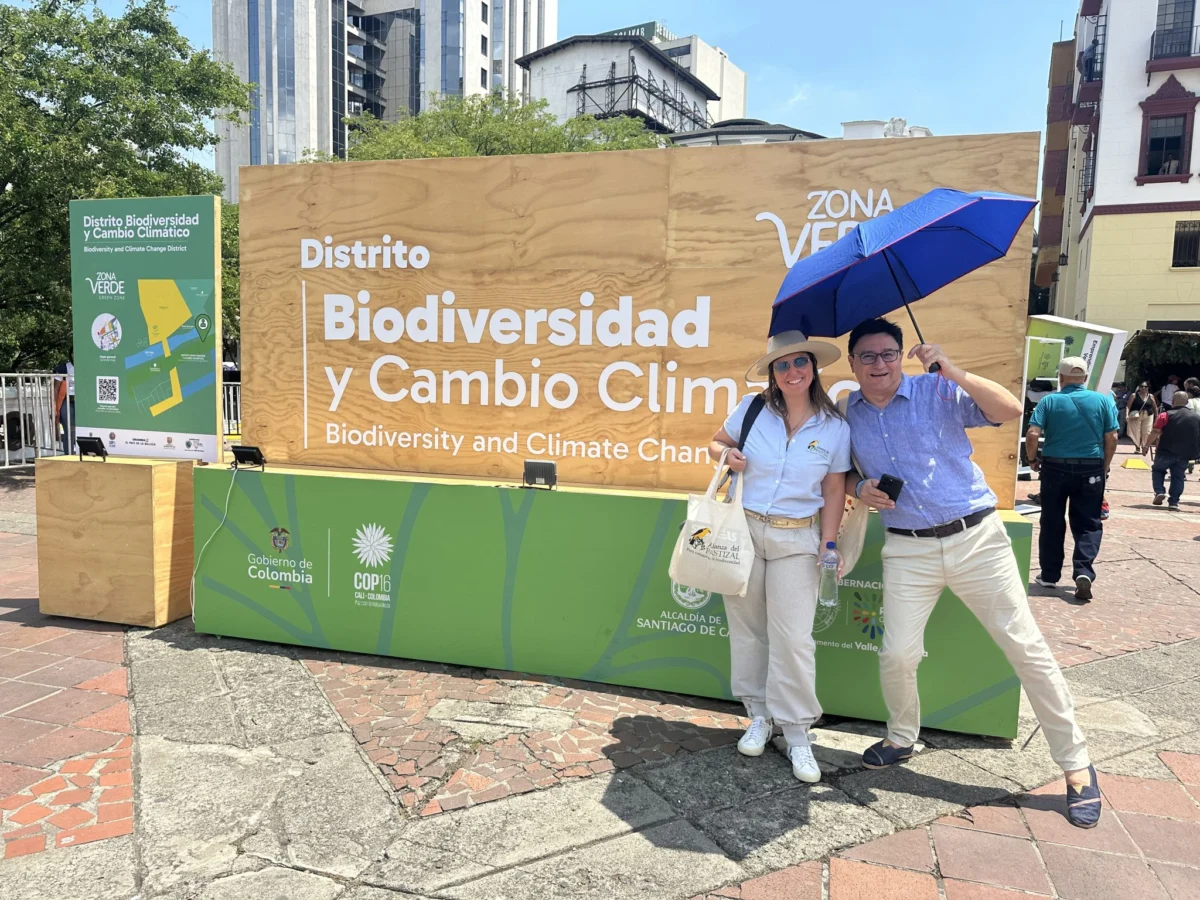
The absence of Adrián Stagi, who passed away a few weeks ago at the age of 57 following a serious infection, continues to resonate profoundly throughout the conservation community and the rural landscapes he so passionately championed. His influence is palpable in ongoing conversations, across the familiar country roads that now feel subtly altered, and in gatherings where his incisive observations and that signature, brilliant sarcastic humor are invariably recalled. Stagi’s ability to forge deep connections, even through brief encounters, underscores the significant void left by his departure.
A Life Dedicated to Connecting Worlds
Adrián Stagi was more than a biologist by training; he was a pivotal figure in avian conservation in Uruguay, serving as the executive director of Aves Uruguay and a driving force behind the Alianza del Pastizal (Grassland Alliance). His life’s work was a testament to his singular vision: to intricately weave together people, species, production, and conservation into a cohesive and actionable framework. His commitment extended beyond institutional roles, notably through his work in departmental public administration in Río Negro, where his environmental initiatives transcended mere bureaucratic functions. Uruguayan media consistently recognized him as a leading voice in biodiversity conservation, the promotion of birding tourism, and the critical protection of natural grasslands.

The Alianza del Pastizal: A Collaborative Endeavor
The Alianza del Pastizal, an initiative that unites organizations and stakeholders from Argentina, Brazil, Uruguay, and Paraguay, stands as a prime example of Stagi’s collaborative spirit. This alliance focuses on the conservation of natural grasslands, recognizing their immense ecological, economic, and cultural value. Grasslands, often perceived solely through the lens of agriculture or biodiversity, were understood by Stagi as complex ecosystems deeply intertwined with local cultures, economies, and ways of life. He consistently advocated for a holistic approach, emphasizing that sustainable production and conservation are not mutually exclusive but rather can be mutually reinforcing.
A Personal Journey Through the Uruguayan Countryside
One poignant illustration of Stagi’s dedication came during a visit to Uruguay last year. He personally dedicated several days to accompanying the author on a tour of farms associated with the Alianza del Pastizal. This was no small undertaking, reflecting his profound commitment to sharing his understanding and fostering connections. During these excursions, amidst the winding rural roads, extended conversations, and frequent stops to observe birds and the surrounding landscapes, a clear picture of Stagi’s unique approach emerged. He possessed not only an encyclopedic knowledge of grasslands but also an innate ability to inhabit, explain, and facilitate others’ connection with these vital ecosystems.
Driving through familiar terrain, he effortlessly identified distant bird species, speaking with the ease of someone deeply conversant with their environment. His conversations seamlessly integrated topics of farmers, conservation policies, avian life, political currents, culinary traditions, local history, and the management of the natural countryside. He did not present himself as a visitor to these landscapes but as an integral part of the intricate relationships that define them. This deep embeddedness likely explains the widespread affection and respect he commanded across diverse professional and personal circles.

Bridging Worlds: The Ambassador of the Countryside
Stagi’s ability to connect with people from all walks of life was remarkable. He moved with natural fluidity between governmental bodies, private enterprises, agricultural producers, scientific researchers, international tourists, dedicated birdwatchers, and local communities. In Uruguay, a nation known for its close-knit human connections, this attribute was particularly evident. He was not merely tolerated but welcomed as a friend, capable of entering a home and participating in conversations with the warmth of a long-standing acquaintance. He discussed complex environmental issues with the same ease as he would engage in discussions about daily life, a fine wine, national challenges, or the inherent tensions in sustaining conservation efforts across Latin America.
A Foundation of Trust and Shared Vision
His immediate family, including his mother and brother, provided a foundational network of support. However, over the years, Stagi cultivated an expansive chosen family—a constellation of friends, colleagues, producers, and fellow travelers whose lives were significantly touched by his presence. Daniela Schossler, coordinator of the Alianza del Pastizal in Uruguay, was one such close confidante who offered unwavering support, both professionally and during challenging times. This deeply human dimension is crucial to understanding the profound impact of his loss, felt not only as an institutional void but also as a deeply personal and human one.
Conservation initiatives, particularly those undertaken by smaller, localized organizations operating with limited resources, often hinge on the personal dedication of their proponents. Within the expansive network of BirdLife International, which encompasses a broad spectrum from large international bodies to grassroots groups, Stagi exemplified the essence of conservation built on proximity, perseverance, good humor, and enduring human relationships.

Impact Beyond Metrics
The true measure of impact often transcends quantifiable metrics like agreements, projects, or programs. It is frequently found in the intangible qualities of trust, the willingness of farmers to open their doors, the spark of curiosity in children learning about birds, the emergence of budding naturalists exploring new ecosystems, and the growing understanding of landscapes beyond immediate productivity. Stagi excelled in both dimensions. His visible contributions included his leadership at Aves Uruguay, his instrumental role in the Pastizal Alliance’s cross-border collaborations, his advocacy for birdwatching tourism, his partnerships with farmers, and his involvement in numerous technical working groups and conservation projects.
Equally significant, though harder to quantify, was his profound ability to unite disparate individuals around a shared table, fostering common ground, often infused with a characteristic touch of humor. Those who collaborated closely with him invariably recall his exceptional capacity for building bridges. His attentive listening, his readiness to collaborate when a shared purpose was evident, and his unwavering conviction that grasslands could not be viewed solely through the lens of biodiversity but must also encompass the perspectives of the people who inhabit, work in, and protect them, were hallmarks of his approach.
The Essence of Presence
Beyond his professional accomplishments, colleagues remember Stagi’s palpable presence. His binoculars were a constant companion, and his genuine enthusiasm for a newly spotted bird, a breathtaking landscape, or an unexpected, witty exchange was infectious. He possessed a rare blend of quiet observation and profoundly insightful, often humorous, remarks. His constant good humor and the underlying sense that every field excursion held the potential for deeper discovery and understanding characterized his approach to life and work.

A Life Lived Fully in the Field
Stagi’s death, at 57, serves as a poignant reminder that certain professional lives cannot be lived from a distance. Field conservation demands a total immersion of one’s being—experienced through long hours on trails, early mornings, challenging meetings, physical exhaustion, unpredictable weather, muddy terrains, difficult decisions, and constant exposure to the very elements one seeks to understand and protect. For Adrián Stagi, this intensity was not a performance; it was his fundamental way of engaging with the world, his world.
This profound connection is why his absence is so acutely felt within the international alliance and the broader conservation community of the Southern Cone. Stagi embodied a particular ethos of engagement: one where conservation is deeply rooted in human connection, the collective sharing of knowledge, and the patient cultivation of trust.
A Legacy for the Future
As the Alianza del Pastizal approaches its 20th anniversary, Stagi’s legacy takes on amplified significance. While anniversaries are typically occasions for celebration, they also offer vital moments for reflection and acknowledgment of those who were instrumental in transforming an idea into a robust network, a practical methodology, a vibrant conversation, a lasting legacy, and a shared culture. Adrián Stagi was an integral part of this narrative, not as a distant historical figure but as an enduring influence whose vision continues to shape how many people perceive the intrinsic value of natural grasslands today.

Networks endure because of individuals who leave behind more than immediate results. They are shaped by those who inspire others to see the world differently, who nurture new generations of environmental stewards, who bridge divides between stakeholders who might otherwise remain unheard, and who transform a nascent vision into a living culture.
A quote often displayed on a desktop background—"One day, when you’re gone, you’ll be what you did"—aptly encapsulates a significant facet of Adrián Stagi’s legacy. It resides in the continued passion for birdwatching he ignited in others, in the enduring exploration of the fields he traversed, in the vital conversations he initiated, in the strong bonds he helped forge, and in the profound understanding he fostered of grasslands not merely as ecosystems but as dynamic networks of human, cultural, and ecological relationships worthy of preservation. His life offers a quiet certainty that some individuals, even after their physical departure, continue to illuminate our understanding of the world.

