


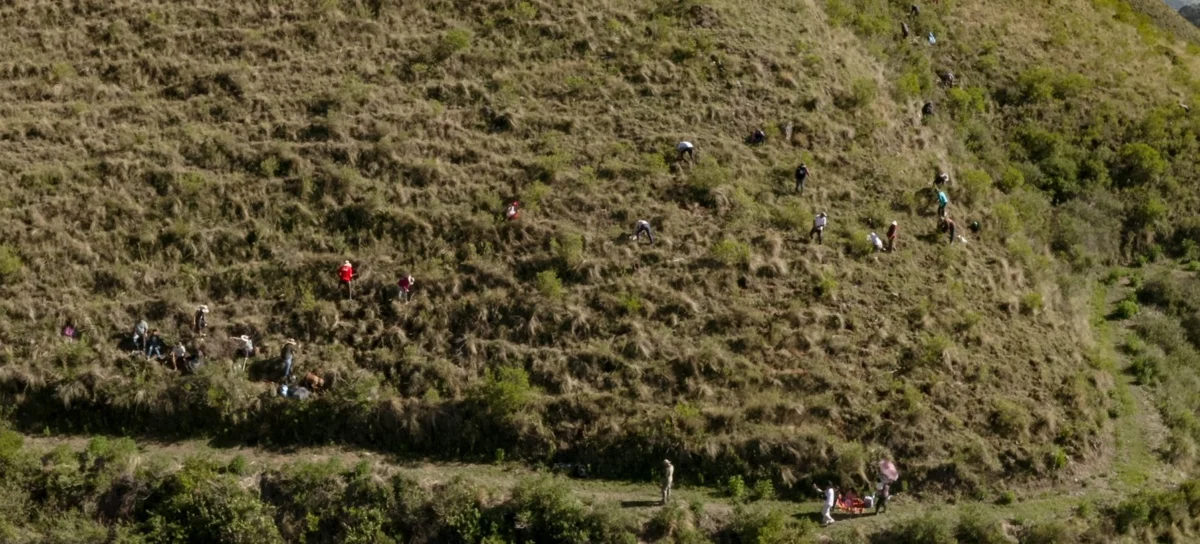
Asociación Armonía, a key conservation partner in Bolivia, is spearheading a groundbreaking initiative to establish long-term sustainable financing for the vital Tunari National Park. This pioneering effort aims to secure the future of the park’s fragile ecosystems and ensure the continued provision of essential water resources for over a million people in the Cochabamba metropolitan region. The project, supported by the Forest Impact Accelerator, is developing a Payment for Ecosystem Services (PES) mechanism that promises to revolutionize watershed management and conservation financing.
The Fragile Jewel of the Andes: Tunari National Park’s Ecological and Social Significance
Nestled high on the southern slopes of the Andes, Tunari National Park is a sanctuary of immense ecological importance. It is home to more than 80% of Bolivia’s remaining ancient Kewiña forests, a unique and resilient ecosystem that thrives on steep Andean ridges. These high-altitude forests are not merely picturesque landscapes; they are critical natural infrastructure. They play a pivotal role in stabilizing the notoriously steep slopes of the region, mitigating the risk of landslides and erosion. Furthermore, they act as natural regulators of water flow, ensuring a consistent and clean supply to the downstream urban centers.
The biodiversity of Tunari is equally remarkable. The park harbors unique endemic wildlife, species found nowhere else on Earth. Among these is the Near Threatened Cochabamba Mountain-finch (Poospiza garleppi), a testament to the park’s irreplaceable role in global conservation efforts. The survival of this and many other species is intrinsically linked to the health and integrity of the Kewiña forests.

Beyond its ecological value, Tunari National Park is a crucial water source. The watershed it protects supplies the Cochabamba metropolitan region, a rapidly growing urban area home to more than a million inhabitants. The quality and quantity of water available to these communities are directly dependent on the health of the park’s forests and their ability to regulate water cycles.
Decades of Pressure and a Turning Tide: From Conflict to Collaboration
For decades, Tunari National Park has faced relentless pressure from a combination of human activities. Frequent fires, often exacerbated by dry conditions and human negligence, have devastated large swathes of forest. Deforestation, driven by agricultural expansion and logging, has chipped away at the park’s boundaries. The relentless march of urban expansion has also encroached upon protected areas, leading to habitat fragmentation and increased human-wildlife conflict.
Historically, the relationship between the communities living within and around the park and the managing authorities has been strained. This tension, often stemming from competing land-use interests and a lack of meaningful community involvement, has made sustained conservation efforts challenging. Without the active participation and support of local populations, long-term ecological preservation remains an elusive goal.
However, a significant shift in this dynamic is now underway. The current initiatives signal a move towards a more collaborative and community-driven approach to conservation. Restoration efforts are gaining momentum, and local communities are increasingly taking on leadership roles in the management and protection of their natural resources. This paradigm shift is creating fertile ground for innovative solutions, such as the proposed Payment for Ecosystem Services (PES) mechanism.

The Vision for Sustainable Finance: A Payment for Ecosystem Services (PES) Mechanism
The core of this transformative initiative lies in the development of a robust PES mechanism. This innovative financial model aims to bridge the gap between the long-term needs of forest restoration and watershed protection and the often short-term nature of traditional conservation funding.
The concept behind PES is elegantly simple yet profoundly effective: those who benefit from the essential services provided by healthy ecosystems contribute financially to their upkeep and restoration. In the context of Tunari National Park, this means that downstream users of water – urban residents, businesses, and industries in the Cochabamba metropolitan region – would contribute to the conservation efforts undertaken by the upstream communities and organizations that protect and restore the forest.
Asociación Armonía: A Driving Force for Conservation
The monumental task of designing and implementing this ambitious PES mechanism is being led by Asociación Armonía, a highly respected and experienced conservation organization operating in Bolivia. With a proven track record of success in biodiversity conservation and community engagement, Armonía is uniquely positioned to navigate the complex social, economic, and ecological challenges involved.

Their work in Tunari is supported by the Forest Impact Accelerator, a program dedicated to catalyzing investment in forest conservation. This partnership provides not only technical expertise but also crucial financial backing and strategic guidance, enabling Armonía to explore and develop innovative financing solutions that can deliver lasting conservation outcomes.
A History of Restoration: Milestones Achieved by Armonía and Local Communities
The groundwork for the current PES initiative has been laid over several years of dedicated work by Asociación Armonía and the local communities. Their collaborative efforts have yielded significant achievements:
- Massive Tree Planting: To date, an impressive 1.25 million trees have been planted within the Tunari protected area, with a substantial portion of these efforts concentrated in the Tiquipaya municipality. This reforestation work is crucial for restoring degraded areas, enhancing biodiversity, and improving watershed functions.
- Strengthened Community Resilience: Community wildfire brigades have been significantly bolstered, equipping local residents with the skills and resources to combat fires effectively. This proactive approach is vital in a region prone to wildfires, which pose a constant threat to the forest.
- Water Security Measures: The construction of reservoirs has been undertaken to enhance water storage capacity and ensure greater water security for communities. These infrastructure projects are essential for managing water resources, especially during dry seasons.
- Community-Led Watershed Management: New systems have been established to foster active community participation in watershed management. This empowers local residents to become stewards of their water resources, fostering a sense of ownership and responsibility.
- Empowering Governance Structures: A pivotal achievement has been the strengthening of the Organismo de Gestión de Cuencas (OGC), the watershed governance body. This organization plays a crucial role in coordinating restoration activities, designing sustainable development strategies for communities within the park, and rebuilding trust among communities, park authorities, and conservation organizations.
- Promoting Gender Equality: Women leaders have emerged as influential figures in shaping these conservation efforts, bringing valuable perspectives and driving inclusive decision-making processes.
The Challenge of Long-Term Funding: A Persistent Hurdle
Despite these remarkable successes, a fundamental challenge has consistently emerged: the inherent disparity between the long timeframes required for ecological restoration and the typically short-term nature of most conservation funding. Restoration is a process that unfolds over decades, with benefits accruing gradually. However, conservation projects are often funded through grants and initiatives that have defined end dates, leading to a precarious situation where hard-won gains are at risk of being lost once external funding ceases. This reliance on intermittent project-based funding creates a significant barrier to achieving truly sustainable conservation outcomes.

How the PES Mechanism Will Work: A Transparent and Equitable System
The proposed PES mechanism is designed to overcome this funding challenge by establishing a stable, predictable, and transparent financial flow. The core components of this system are:
- Contribution Collection: Small, regular contributions will be collected from downstream users who benefit from the ecosystem services provided by Tunari National Park. This could include contributions from municipal water tariffs, businesses, or even voluntary donations from environmentally conscious citizens.
- Transparent Trust Fund: All collected funds will be channeled into a transparent trust fund. This fund will operate with independent governance, ensuring accountability and efficient allocation of resources.
- Strategic Investment: Resources from the trust fund will be strategically invested in three key areas:
- Forest Restoration and Reforestation: Continued planting of native species, maintenance of existing restored areas, and implementation of silvicultural practices to enhance forest health and resilience.
- Watershed Protection and Management: Activities aimed at conserving water sources, preventing pollution, improving water quality, and ensuring sustainable water use within the watershed.
- Community Livelihood Support and Sustainable Development: Investing in projects that provide alternative income opportunities for local communities, reduce their reliance on extractive activities, and promote sustainable land-use practices. This could include ecotourism initiatives, sustainable agriculture, or value-added processing of forest products.
The Benefits for All Stakeholders
The PES mechanism offers a multifaceted approach to conservation that benefits all involved parties:
- For Communities: The system formally recognizes and rewards the role of local communities as custodians of the watershed. By providing a sustainable income stream, it incentivizes them to continue their vital stewardship of the natural environment.
- For Urban Residents: It offers a practical and direct way for urban dwellers to contribute to the preservation of the ecosystems that provide their essential water supply. This fosters a sense of shared responsibility and connection to the natural world.
- For Public and Private Partners: It creates a transparent, accountable, and predictable structure for long-term investment in landscape restoration and watershed protection. This can attract a wider range of funding sources, including corporate social responsibility initiatives and public sector investments.
Projected Financial Impact: A Significant Investment in the Future

Once fully implemented, this innovative PES mechanism is projected to generate an estimated £3 million per year for watershed protection and restoration activities in the Tunari region. This substantial and sustained financial inflow represents a transformative opportunity to secure the long-term health of the park and the well-being of the communities it serves.
Designing the Mechanism: A Collaborative Process
The development of the PES mechanism has been a rigorous and inclusive process. Over the past two years, Asociación Armonía has engaged extensively with municipalities, local communities, and regional institutions across the Cochabamba metropolitan area’s seven municipalities. This collaborative approach has been crucial in building consensus and ensuring that the mechanism is tailored to the specific needs and context of the region.
Extensive studies and assessments have been conducted to understand the flow of ecosystem services, identify potential contributors and beneficiaries, and determine appropriate contribution levels. Consultations with residents have revealed a widespread recognition of the direct link between forest protection and water security, providing a strong foundation of public support for the initiative.
Building Strong Institutions: The Foundation for Success

Recognizing that a financial mechanism alone is insufficient, Armonía and its partners are also investing heavily in strengthening the institutional framework that underpins the PES initiative. This includes:
- Developing Sustainable Development Strategies: With support from the Forest Impact Accelerator, Armonía is assisting communities in developing ten-year sustainable development plans. These plans identify key restoration priorities, outline potential income-generating opportunities, and ensure that conservation efforts are integrated with broader community development goals.
- Establishing a Multi-Stakeholder Platform: A dedicated platform involving representatives from government agencies, local communities, civil society organizations, and the private sector is being established. This platform will serve as the governing body for the PES initiative, guiding decision-making, overseeing fund allocation, and ensuring transparency and accountability.
- Enhancing Park Administration Capacity: Support is being provided to the park administration to strengthen its monitoring capabilities, improve wildfire prevention strategies, and enhance coordination with local communities and other stakeholders.
A New Paradigm for Watershed Protection
The work underway in Tunari National Park is far more than just a tree-planting initiative. It represents a fundamental shift in how we approach watershed protection and conservation financing. By forging a durable link between ecological restoration, empowered community leadership, and long-term financial sustainability, the PES mechanism offers a powerful model for the future.
Upon its full operationalization, this system has the potential to profoundly transform the management of the Tunari watershed. It promises to move away from the unreliable cycle of intermittent projects towards a locally supported, financially robust system that rewards environmental stewardship and ensures the enduring protection of the invaluable Kewiña forests that have sustained life in the Andes for millennia.
Key Donors and Partners Fueling the Initiative

The success of this groundbreaking initiative would not be possible without the dedicated support of numerous donors and partners. Since the project’s inception in 2020, critical funding has been provided by:
- Accion Andina
- Darwin Initiative (both direct funding and through the Accelerator)
- Trillion Trees – BirdLife International
- FFBT (Flanders State of the Art – Agency Nature & Forest)
The Forest Impact Accelerator, which has operated for five successful years, has been instrumental in mobilizing significant resources. Its work has been made possible by the generous support of:
- The Hempel Foundation
- The Waterloo Foundation
- The King Charles III Charitable Fund
Furthermore, the Accelerator has facilitated the sourcing of an additional £6 million in funding in collaboration with its partners. This comprehensive support has allowed the initiative to benefit an estimated 38,000 local people, improve protection for 400 threatened species, and positively impact over 1 million hectares of vital ecosystems.
A Prestigious Grant for Scaled Impact
Further underscoring the significance and potential of this work, the initiative has received a substantial Darwin Initiative Extra grant through the UK government’s Biodiversity Challenge Awards. This award of £4,978,335 is a testament to the program’s alignment with global biodiversity conservation goals, poverty reduction strategies, and climate change mitigation efforts. The grant will enable the expansion and scaling of these achievements, aiming to secure 1 million hectares of Key Biodiversity Areas while simultaneously generating significant economic benefits for 200,000 local people. The Darwin Initiative, alongside the UK government’s commitment to global conservation, plays a crucial role in fostering such impactful projects.

