


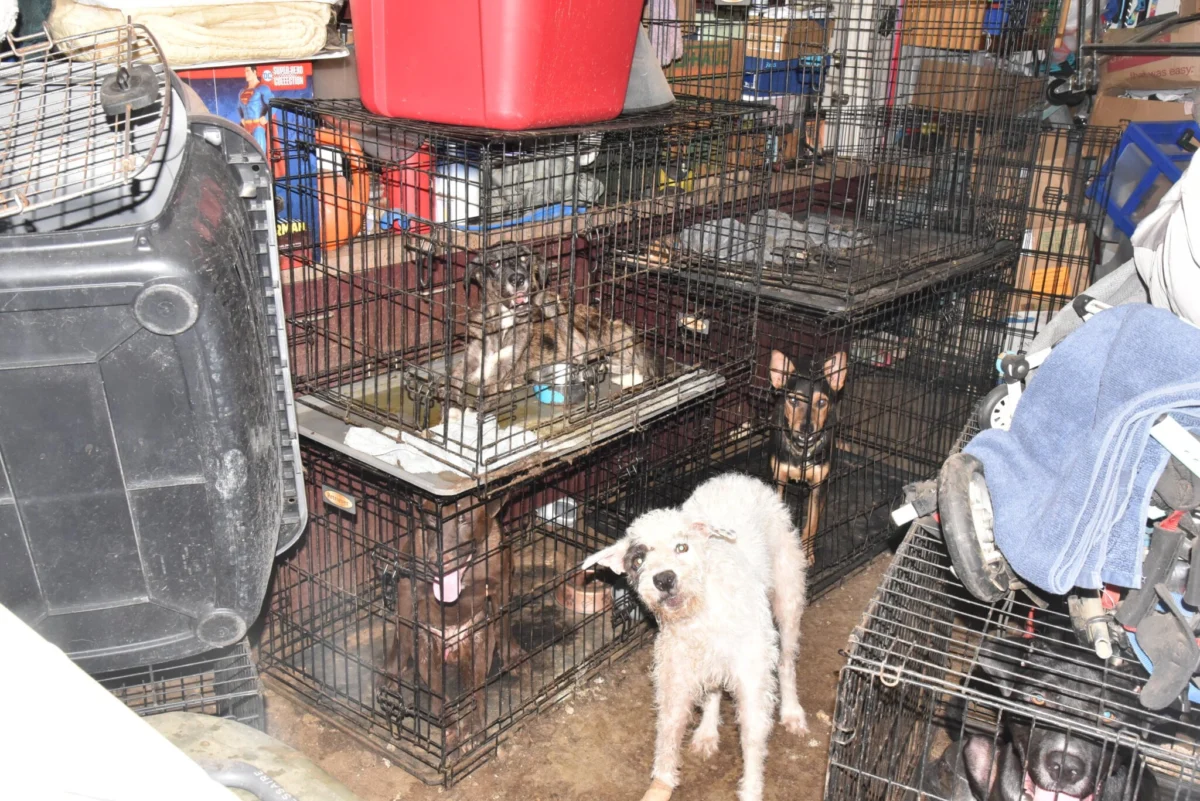
A multi-state investigation into the practices of private animal sanctuaries has exposed a harrowing reality behind the "no-kill" movement, revealing a systemic failure that has led to the torture, neglect, and summary execution of thousands of companion animals. What began as a welfare check at a California rescue operation has spiraled into a national conversation regarding the lack of oversight in the animal sheltering industry and the unintended consequences of prioritizing "live-release" statistics over the actual well-being of animals. At the center of this controversy is Miranda’s Rescue, a facility in Fortuna, California, where investigators discovered a gruesome scene that challenges the integrity of the state’s taxpayer-funded shelter system.
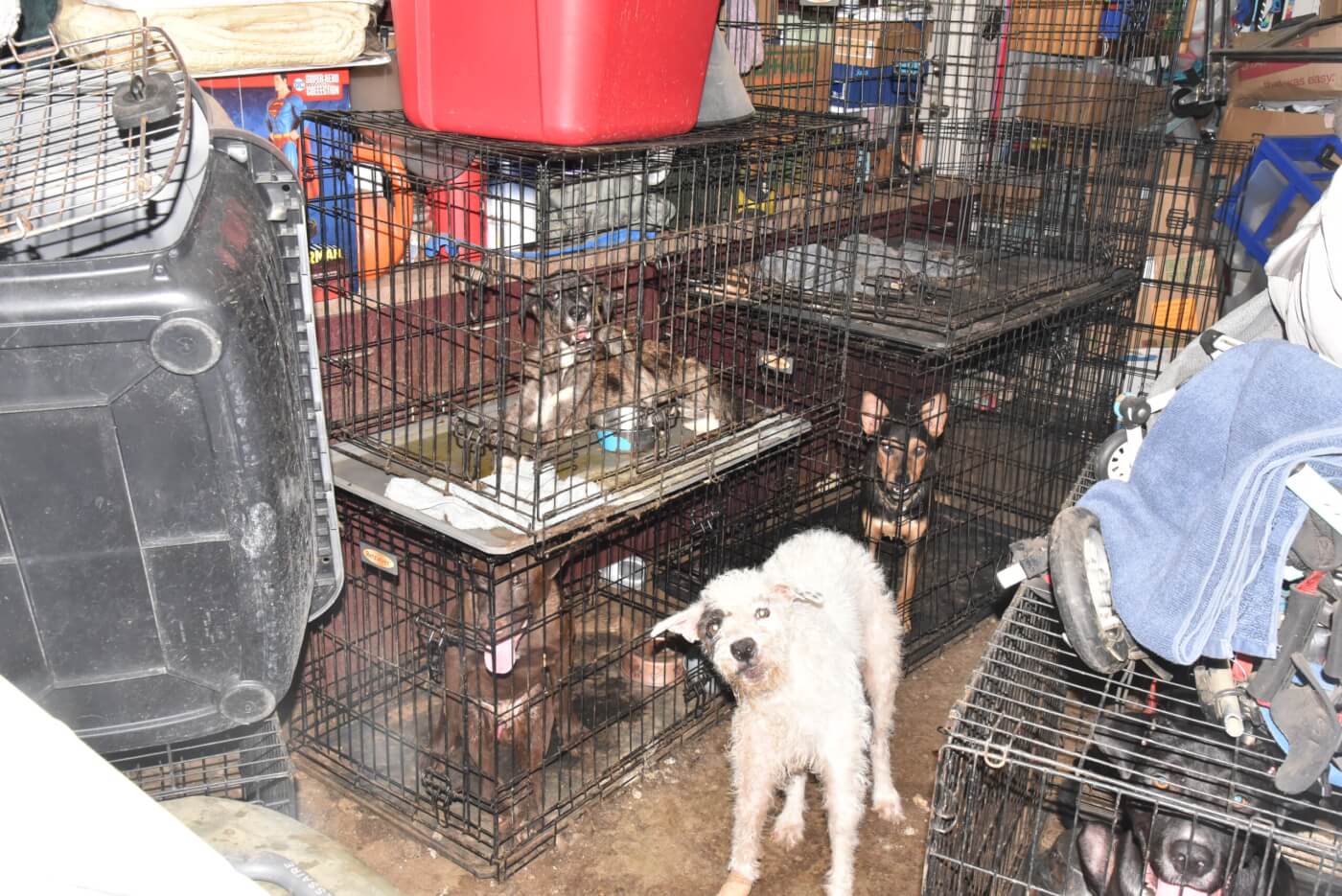
The investigation into Miranda’s Rescue was launched following reports of extreme neglect, but the findings far exceeded the initial concerns of local authorities. Among the most chilling discoveries was the body of Zora, a dog originally transferred from Oakland Animal Services. Zora was found in a mass grave on the property, and a forensic veterinary examination confirmed she had died from a single gunshot wound to the skull. As the search of the property expanded, investigators unearthed the remains of more than 100 other dogs. Many of these animals showed similar evidence of being shot to death. Officials also identified what they described as a "killing site," characterized by significant blood spatter, suggesting that the executions were a routine method of population control at the facility.
The scale of the operation at Miranda’s Rescue indicates a lucrative, state-sanctioned pipeline of animal disposal. Records obtained by investigators show that between January 2025 and April 2026, more than 900 dogs were transferred to the facility by various municipal shelters across California. These shelters, funded by taxpayers and under immense pressure to maintain "no-kill" status, paid owner Shannon Miranda approximately $510,000 in "pull fees" to take the animals off their hands. By transferring the dogs to a private rescue, the originating shelters were able to record these animals as "live releases" in their annual reports, effectively inflating their success metrics while the animals were sent to a facility that functioned as a clandestine slaughterhouse.
The Statistical Pressure of the No-Kill Movement
The tragedy at Miranda’s Rescue is not an isolated incident but rather a symptom of a broader crisis within the American animal sheltering system. The "no-kill" movement generally defines success as maintaining a 90% live-release rate. While the goal of reducing euthanasia is widely supported by the public, critics and animal welfare experts argue that the metric-driven approach creates a perverse incentive for shelters to offload "difficult" or "unadoptable" animals to any private entity willing to take them, often without performing basic due diligence.
When municipal shelters become overcrowded, they face a choice: perform humane euthanasia on-site—which counts against their live-release statistics and can result in public outcry or loss of funding—or transfer the animals to private "rescues." Because many private rescues are 501(c)(3) nonprofits with little to no state or federal oversight, they become a "black hole" for animals. In the case of Shannon Miranda, investigators suspect that the financial incentive of the $510,000 in fees drove the operation to accept more animals than it could possibly house, leading to the use of firearms as a cheap and rapid method of "clearing inventory" to make room for the next paid shipment.
Case Studies in National Neglect
Beyond California, similar horrors have been documented in Michigan, Arizona, and Texas, illustrating that the breakdown in shelter oversight is a national phenomenon. Each case follows a strikingly similar pattern: municipal shelters ship animals to unverified private individuals to protect their internal metrics, only for those animals to be found months later in states of extreme suffering.
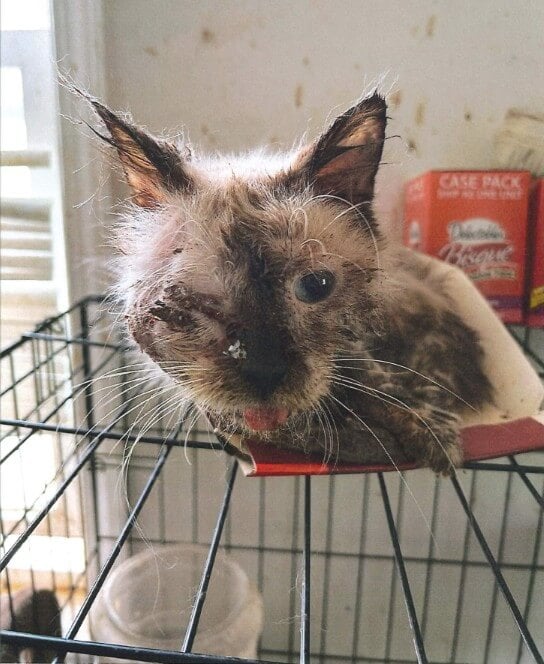
In Pontiac, Michigan, a welfare check at Tri-County Dog Rescue revealed a hoarding situation of catastrophic proportions. Authorities removed 29 dogs and cats from a residence that was filled with garbage, tattered blankets, and layers of animal excrement. Dogs were found trapped in basement pens without access to clean water or bedding. One cat was discovered with a facial deformity so severe—caused by an untreated tumor—that her eye had swollen shut and her skull had begun to shift. Despite these conditions, records showed that Laredo Animal Care Services in Texas, along with two other "no-kill" organizations, had been shipping animals across state lines to this facility without ever verifying the living conditions.
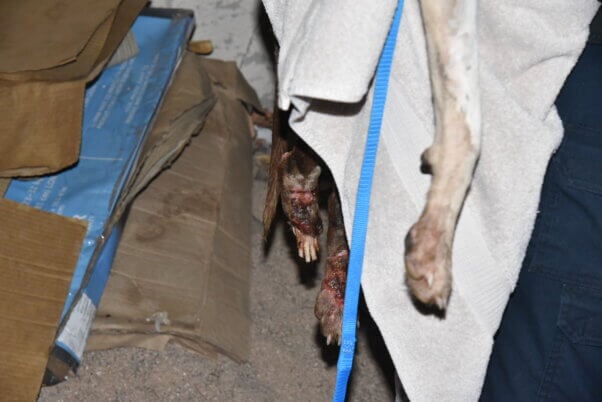
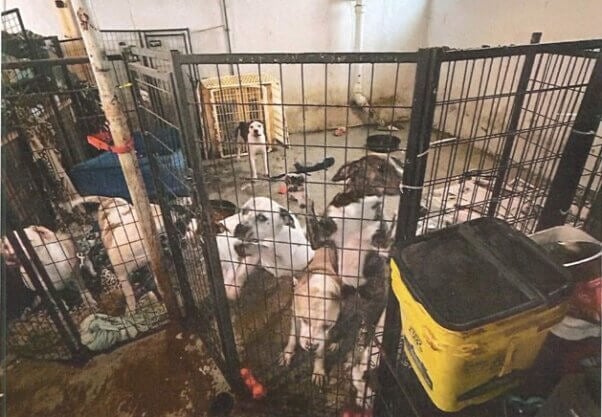
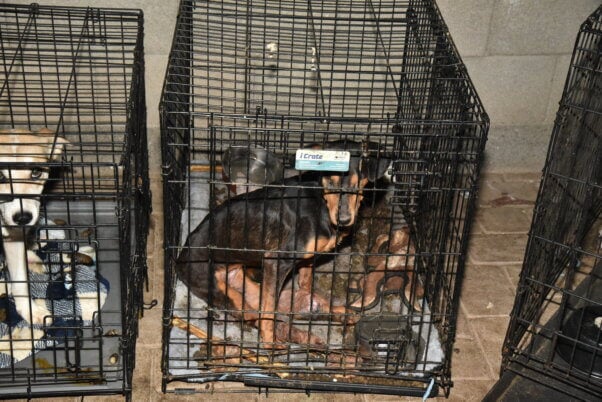
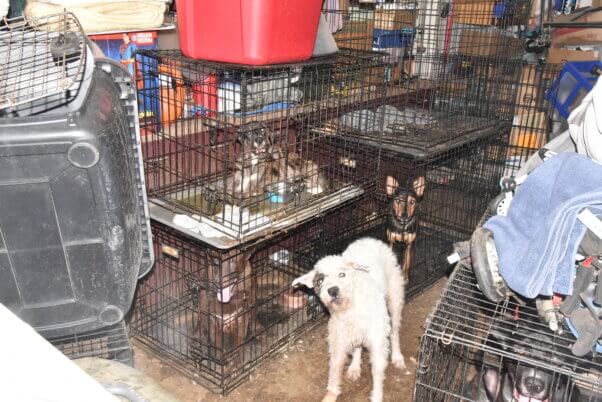
In Chandler, Arizona, the Special Needs Animal Welfare League became the subject of a criminal investigation when neighbors reported a pervasive smell of rot and ammonia emanating from the property. When responders entered the home, they were forced to wear hazmat suits due to the toxic levels of waste. They found paralyzed animals dragging themselves through their own urine, resulting in festering open sores. Dogs were stacked in crates, many without water, living in total darkness. The owner, April McLaughlin, had reportedly been paid $1,500 per animal by other rescues to take in "special needs" cases. McLaughlin was eventually convicted on 110 counts of animal cruelty and neglect, receiving a sentence of five and a half years for fraud and cruelty.
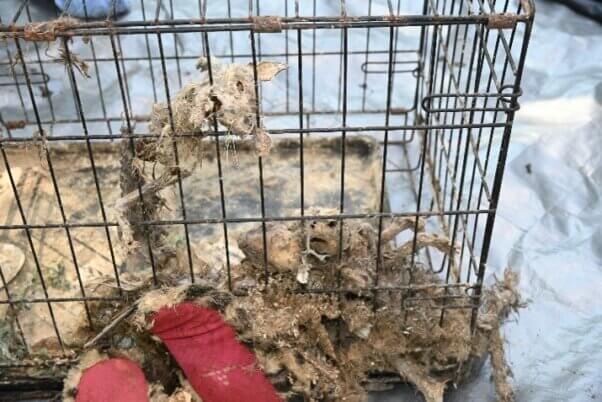
In Texas, the failure of oversight was highlighted by the case of Julia Szebehely, who operated under the guise of a Trap-Neuter-Return (TNR) program. Authorities discovered the decomposing remains of approximately 60 animals on her property. Most were found locked in cages, their skeletons tangled with empty cat food cans, suggesting they had starved to death in confinement. A reporter on the scene described the sound of cat bones "crunching" underfoot while walking through the house.
The Regulatory Vacuum and Lack of Accountability
One of the primary reasons these tragedies continue to occur is the total lack of regulation governing who can call themselves an animal "rescue" or "sanctuary." Unlike municipal shelters, which are often subject to health department inspections and public records requests, private rescues operate with a level of autonomy that invites abuse. In many states, any individual can start a non-profit rescue, solicit donations, and accept animals from government agencies without ever undergoing a background check or a facility inspection.
Furthermore, the "pull fees" paid by municipal shelters to these rescues are often poorly tracked. In the Miranda’s Rescue case, the $510,000 paid by shelters represented a significant transfer of taxpayer wealth to a private individual for services that were never rendered. This "bounty" system incentivizes high-volume intake over quality of care. When a rescue is paid per head to take an animal, the financial logic encourages taking in as many as possible, regardless of the facility’s capacity.
Expert Analysis and Potential Solutions
Animal welfare advocates, including representatives from PETA and various open-admission shelter directors, are increasingly calling for a shift in how the public evaluates animal shelters. They argue that the focus must move away from "live-release" percentages and toward "standard of care" metrics.
"The public has been sold a version of ‘no-kill’ that doesn’t exist," says one veteran shelter administrator. "When we refuse to euthanize a suffering or dangerous animal and instead send it to an unregulated hoarders’ basement, we haven’t ‘saved’ that life. We have simply outsourced its suffering so it doesn’t show up on our ledger."
To combat this crisis, several legislative solutions have been proposed:
- Mandatory Due Diligence: Legislation requiring any shelter receiving public funds to perform on-site inspections of any rescue facility they transfer animals to.
- Standardized Licensing: Requiring all private rescues and sanctuaries to be licensed and inspected by state agricultural or veterinary boards, similar to commercial kennels.
- Transparent Reporting: Mandating that "live-release" statistics include a secondary metric showing where the animals were sent and requiring follow-up reports on their status six months after transfer.
- Cap on Intake: Limiting the number of animals a private rescue can house based on square footage and staffing ratios to prevent hoarding.
The Argument for Open-Admission Shelters
The investigation into these mass-casualty events has revitalized support for the "open-admission" sheltering model. Open-admission shelters are those that accept every animal that comes through their doors, regardless of age, health, temperament, or breed. Because they do not turn animals away, they often face the difficult reality of having to perform euthanasia when resources are thin or when an animal is too sick or aggressive to be safely rehomed.
However, proponents argue that this model is the only one that ensures an animal never ends up in a mass grave or a hoarding house. In an open-admission facility, euthanasia is performed by trained professionals using approved medical protocols, providing a "peaceful release" rather than the terrifying death by gunshot or starvation found at unregulated rescues. By supporting open-admission shelters, communities can ensure that their tax dollars are going toward facilities that operate with transparency and provide a genuine safety net for animals in need.
As the legal proceedings against Shannon Miranda and others continue, the animal welfare community remains at a crossroads. The discovery of Zora and the hundreds of other victims in California serves as a grim reminder that in the world of animal rescue, things are not always what they seem on paper. Without systemic reform and a move away from misleading statistics, the cycle of "killing for profit" under the banner of "no-kill" is likely to continue, leaving thousands more animals to suffer in the shadows of a broken system.

