


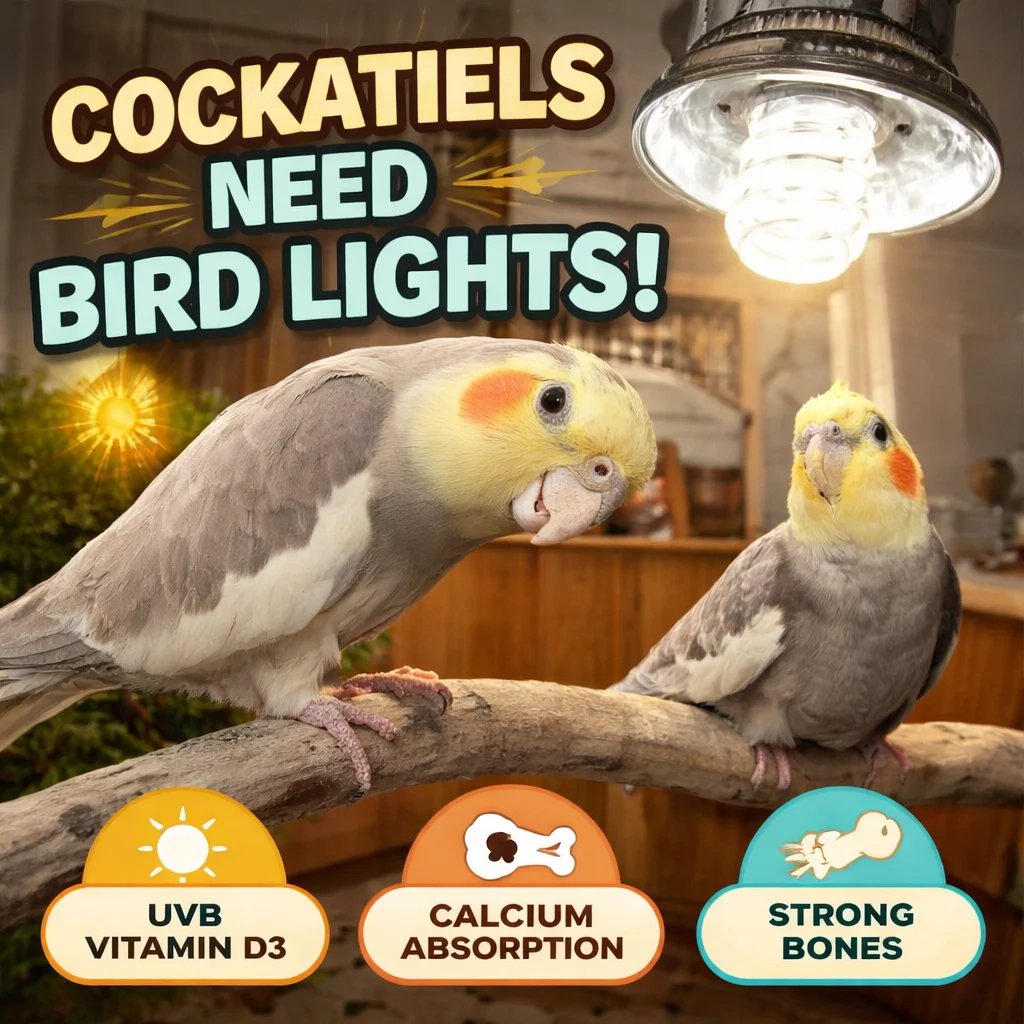
The often-overlooked necessity of proper avian lighting for pet birds residing indoors is a critical subject gaining increasing attention among veterinarians and responsible bird owners. While many assume that a bright room or proximity to a window provides adequate light, scientific consensus and clinical evidence firmly establish that standard indoor environments fall dramatically short of meeting the specific photobiological needs of avian species, particularly concerning ultraviolet B (UVB) radiation. This deficiency can lead to a cascade of serious health issues, underscoring the imperative for targeted UVB supplementation in captive bird care.
The Scientific Imperative: Understanding UVB and Vitamin D3 Synthesis
At the heart of the matter lies the intricate biological process of vitamin D3 synthesis. Unlike humans, many avian species possess specialized receptors in their skin that, upon exposure to specific wavelengths of UVB light (typically between 290-315 nanometers), convert a precursor molecule, 7-dehydrocholesterol, into pre-vitamin D3. This pre-vitamin then undergoes thermal isomerization to become vitamin D3 (cholecalciferol). Subsequently, the liver and kidneys further metabolize cholecalciferol into its active hormonal form, calcitriol (1,25-dihydroxyvitamin D3).
Calcitriol is a potent hormone essential for numerous physiological functions. Its primary role is in calcium and phosphorus homeostasis. It facilitates the absorption of dietary calcium from the gut, regulates calcium levels in the blood, and plays a crucial part in bone mineralization and remodeling. Without adequate calcitriol, even a diet rich in calcium cannot be effectively utilized, leading to metabolic bone diseases. Beyond bone health, calcitriol is also recognized for its vital contributions to immune system function, cell differentiation and growth, reproductive success, and the proper functioning of the nervous and muscular systems. Furthermore, the broader spectrum of ultraviolet A (UVA) light (320-400 nm), often emitted by full-spectrum bird lights, is crucial for avian vision, allowing birds to perceive colors in the UV spectrum invisible to humans, which influences mate selection, foraging, and social interactions.
The Indoor Conundrum: Why Natural Light Isn’t Enough
The misconception that a well-lit indoor space suffices for avian light requirements is pervasive. However, the reality is that common window glass, even clear panes, effectively blocks virtually all beneficial UVB radiation. A study published in the Journal of Avian Medicine and Surgery highlighted that typical window glass transmits less than 0.5% of incident UVB, rendering it practically useless for vitamin D3 synthesis. This means that a bird sitting by a sunny window, while enjoying visible light and warmth, is largely deprived of the crucial UVB spectrum. Similarly, standard incandescent, fluorescent, and LED household lighting, while providing visible illumination, do not emit the necessary UVB wavelengths. Even "full-spectrum" human-intended lights often lack the specific UVB output required for avian physiology. This environmental discrepancy creates a silent health crisis for many indoor birds, slowly depleting their vitamin D3 reserves and compromising their overall health.
Diagnostic Indicators: Recognizing the Silent Deficiency
The insidious nature of vitamin D3 and calcium deficiency in birds is that symptoms often manifest subtly at first, making early detection challenging for even vigilant owners. Birds, as prey animals, instinctively hide weakness and illness until conditions become severe, masking underlying health issues for extended periods.
- Early/Subtle Indicators: Owners might observe a gradual decline in the bird’s overall vitality. This can include dullness in plumage, less vibrant feather coloration, reduced activity levels, decreased vocalizations, or subtle shifts in mood suchabilities or lethargy. Minor changes in grip strength or coordination might also occur but are often attributed to age or general malaise. A bird that seems to thrive on a strong diet but still shows these signs is a prime candidate for light-dependent vitamin D3 activation deficiency.
- Advanced/Severe Manifestations: As the deficiency progresses, more overt and debilitating symptoms emerge. These can include:
- Metabolic Bone Disease (MBD) or Nutritional Secondary Hyperparathyroidism: This is a common and severe consequence. Bones become weak, brittle, and prone to fractures. Symptoms can include lameness, difficulty perching, splayed legs in young birds, or pathological fractures. In severe cases, the parathyroid glands become overactive in an attempt to raise blood calcium levels, further exacerbating bone demineralization.
- Hypocalcemia: Critically low blood calcium levels can lead to muscle tremors, seizures, and neurological dysfunction.
- Egg-binding: Female birds, especially those in breeding condition, require substantial calcium for eggshell formation. Without adequate vitamin D3, calcium absorption is impaired, leading to thin-shelled or soft-shelled eggs, or the inability to pass an egg (egg-binding), which is a life-threatening emergency.
- Immunosuppression: Vitamin D3 plays a critical role in immune modulation. Deficiency can weaken the immune system, making birds more susceptible to infections and prolonging recovery times.
- Feather Abnormalities: Chronic stress and nutritional deficiencies, including those related to calcium and D3, can manifest as poor feather quality, such as stress bars (transverse lines on feathers), dullness, or abnormal feather growth.
- Behavioral Issues: Chronic discomfort or physiological imbalance can lead to behavioral problems like increased irritability, aggression, feather plucking, or self-mutilation.
Avian veterinarians emphasize that by the time severe symptoms like falling, tremors, or egg-binding are observed, the deficiency has likely been developing for months, if not years. Therefore, proactive provision of appropriate lighting is a preventive measure, not merely a reactive treatment.
Addressing Safety Concerns: Dispelling Myths and Ensuring Proper Use
A common concern among bird owners is the safety of UVB lighting, particularly regarding potential harm from overexposure, including skin or eye damage or even cancer. While it is true that any intense UV source, if used improperly, can be harmful, bird-safe UVB lights are specifically designed to mimic the short, controlled, and beneficial exposure birds would receive in their natural habitats. The key to safe and effective use lies in understanding and adhering to critical parameters: distance, duration, and proper fixture type.
- Distance: The intensity of UVB radiation diminishes rapidly with distance, following the inverse square law. Most compact fluorescent UVB bulbs are effective within a range of 6-12 inches (15-30 cm) from the bird. Linear fluorescent tubes might be effective at slightly greater distances, typically 10-24 inches (25-60 cm), depending on their wattage and specific UVB output. It is crucial to consult the manufacturer’s recommendations for each specific bulb. Placing the light too close can cause burns or eye damage, while too far renders it ineffective.
- Duration: Unlike outdoor birds that receive hours of natural sunlight, indoor birds typically require shorter, controlled daily sessions. Most avian experts recommend 1-3 hours of direct UVB exposure per day, although some species or individual birds may benefit from up to 4-6 hours. This duration allows for sufficient vitamin D3 synthesis without risking overexposure. The use of an automatic timer is highly recommended to ensure consistency and prevent accidental prolonged exposure.
- Fixture Type: The fixture holding the UVB bulb must not have a plastic or glass shield that blocks UVB rays. Many standard light fixtures or terrarium hoods for reptiles come with such shields, which must be removed or avoided. A simple clamp lamp with a ceramic socket and an aluminum reflector is often suitable, as the reflector helps direct the light towards the bird.
- Bulb Replacement: Critically, UVB output from fluorescent bulbs degrades significantly over time, often before the visible light fails. Most avian UVB bulbs need to be replaced every 6 to 12 months, even if they still appear to be working. Failure to replace bulbs regularly means the bird is likely receiving inadequate UVB, despite the owner’s best intentions. Owners should note the installation date and schedule replacements accordingly.
- Eye Protection: Birds’ eyes are naturally adapted to ambient UV light. However, direct, prolonged staring into a high-intensity UV source should be avoided. Proper placement allows the bird to move away from the light if desired.
Implementing a Photoperiod Strategy: The 3-Step Light Reset
For bird owners seeking to correct potential light deficiencies or establish a healthy lighting regimen, a structured approach is essential.
-
Select the Right Equipment:
- UVB Bulbs: Choose bulbs specifically marketed for birds, or certain reptile UVB bulbs (e.g., 5.0 or 6% UVB output for most parrots; higher output like 10.0 or 12% might be suitable for sun-loving species or those at greater distances, but always with caution and expert advice). Common types include compact fluorescent bulbs (CFLs) or linear fluorescent tubes. Mercury vapor bulbs (MVBs) provide both heat and UVB and are suitable for larger enclosures or aviaries but require careful distance management due to higher intensity.
- Fixture: Opt for a fixture with an appropriate ceramic socket that can handle the bulb’s wattage and, crucially, one that does not have a UV-filtering plastic or glass shield. A reflective hood is beneficial for directing light.
- Timer: An automatic timer is non-negotiable for consistent and safe daily exposure.
-
Optimal Placement and Duration:
- Position the UVB light above or slightly to the side of the bird’s primary perching area, ensuring it can receive direct, unfiltered light.
- Maintain the manufacturer-recommended distance from the bird to the bulb.
- Create a "UVB gradient" by allowing the bird space to move away from the direct light if it chooses, mimicking natural sun exposure where birds can seek shade.
- Start with shorter exposure times (e.g., 1-2 hours daily) and gradually increase if needed, up to 3-4 hours, always monitoring the bird’s response.
-
Establish a Consistent Schedule:
- Implement a daily photoperiod that mimics natural day-night cycles. For most pet birds, 10-12 hours of visible light (which can include ambient room light during the day) followed by 12-14 hours of complete darkness is ideal.
- The UVB session should occur during the "daylight" portion of this cycle. Consistency in light and dark cycles is vital for regulating a bird’s circadian rhythm, which profoundly impacts hormonal balance, mood, and reproductive health. Disruptions can lead to stress, aggression, and hormonal imbalances.
Monitoring Progress: Signs of Gradual Improvement
Owners should understand that improvements in a bird’s health due to UVB supplementation are not instantaneous. Physiological changes take time, as the body gradually rebuilds its vitamin D3 reserves and re-establishes proper calcium metabolism. Patience and consistent application are key.
Observable improvements, typically noted over several weeks to months, may include:
- Increased Activity and Energy Levels: A more playful, inquisitive, and active bird.
- Improved Feather Quality and Vibrancy: Brighter, smoother plumage with reduced stress bars.
- Stronger Grip and Coordination: Reduced instances of clumsiness or difficulty perching.
- More Stable Mood and Behavior: Less irritability, reduced aggression, and a generally calmer disposition.
- Enhanced Vocalizations: Increased singing, talking, or natural calls.
- Better Appetite and Digestion: A healthier digestive system supported by proper nutrient absorption.
- Potential for Improved Breeding Success: Healthier eggs, better hatch rates, and stronger chicks for breeding pairs.
These positive changes reflect a bird whose underlying physiology is now properly supported, leading to enhanced overall well-being.
Broader Implications and Expert Consensus
The scientific understanding of avian photobiology has evolved significantly, moving the provision of UVB lighting from an optional accessory to a fundamental component of responsible avian husbandry. Leading avian veterinary organizations, such as the Association of Avian Veterinarians (AAV), and zoological institutions worldwide advocate for the routine use of appropriate UVB lighting for captive birds. These experts consistently emphasize that mimicking natural environmental conditions, including light spectrum, is crucial for preventing a myriad of health issues that were once poorly understood or attributed solely to diet.
The economic implications for owners are also significant. While there is an initial investment in quality UVB bulbs and fixtures, this cost is often negligible compared to potential veterinary bills associated with treating advanced metabolic bone disease, egg-binding, or chronic infections stemming from D3 deficiency. Proactive light provision is a cost-effective preventive measure that contributes to a bird’s longevity and quality of life. As avian medicine continues to advance, the role of environmental enrichment, with specialized lighting being a cornerstone, is increasingly recognized as paramount to holistic bird care.
In conclusion, the question of whether a bird light is necessary for an indoor avian companion is unequivocally answered by scientific evidence and veterinary consensus: Yes. Indoor brightness from windows or standard household lights simply does not provide the essential UVB radiation required for vitamin D3 synthesis. By understanding the biological necessity, adhering to safe usage protocols, and committing to consistent application, bird owners can provide a critical element of care that profoundly impacts their feathered friends’ physical health, mental well-being, and overall quality of life. This shift in understanding and practice marks a significant step forward in ensuring optimal care for pet birds.

