


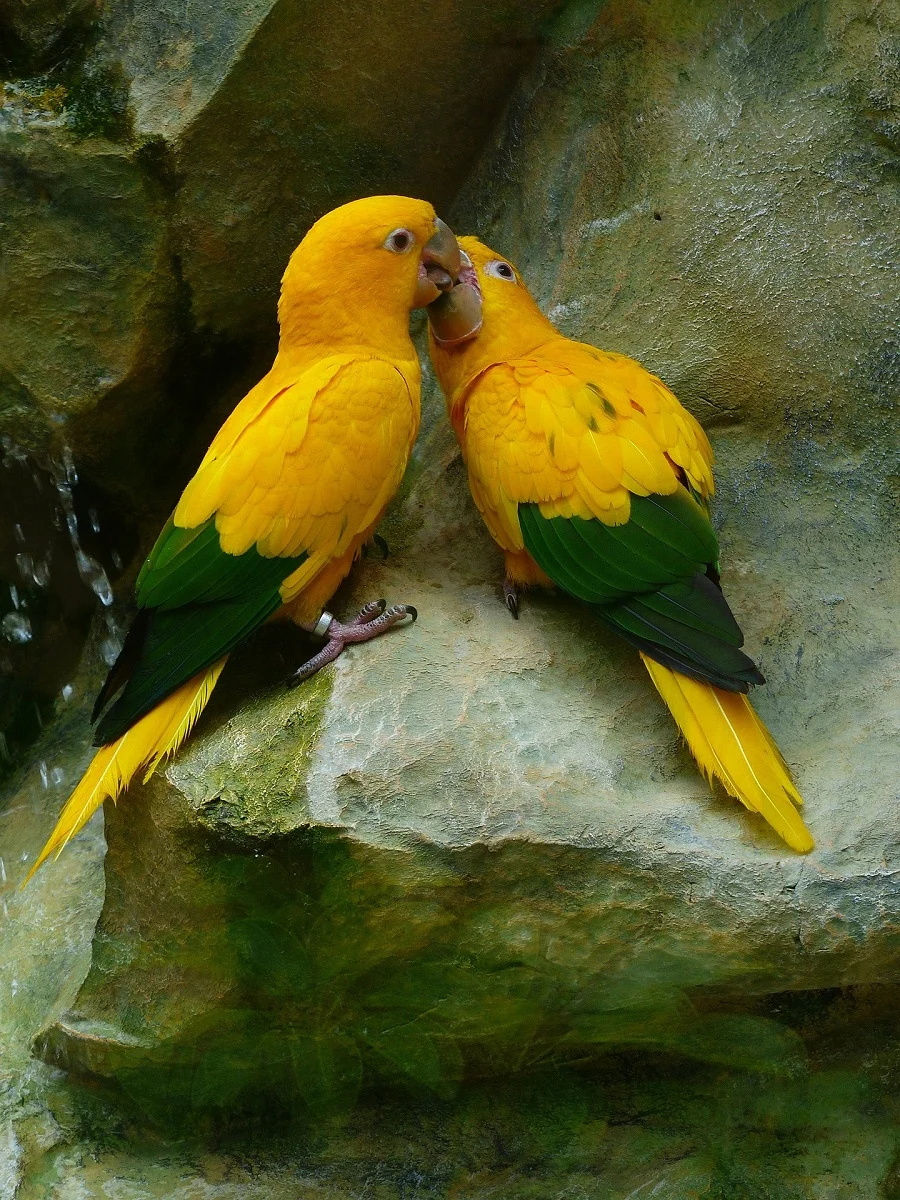
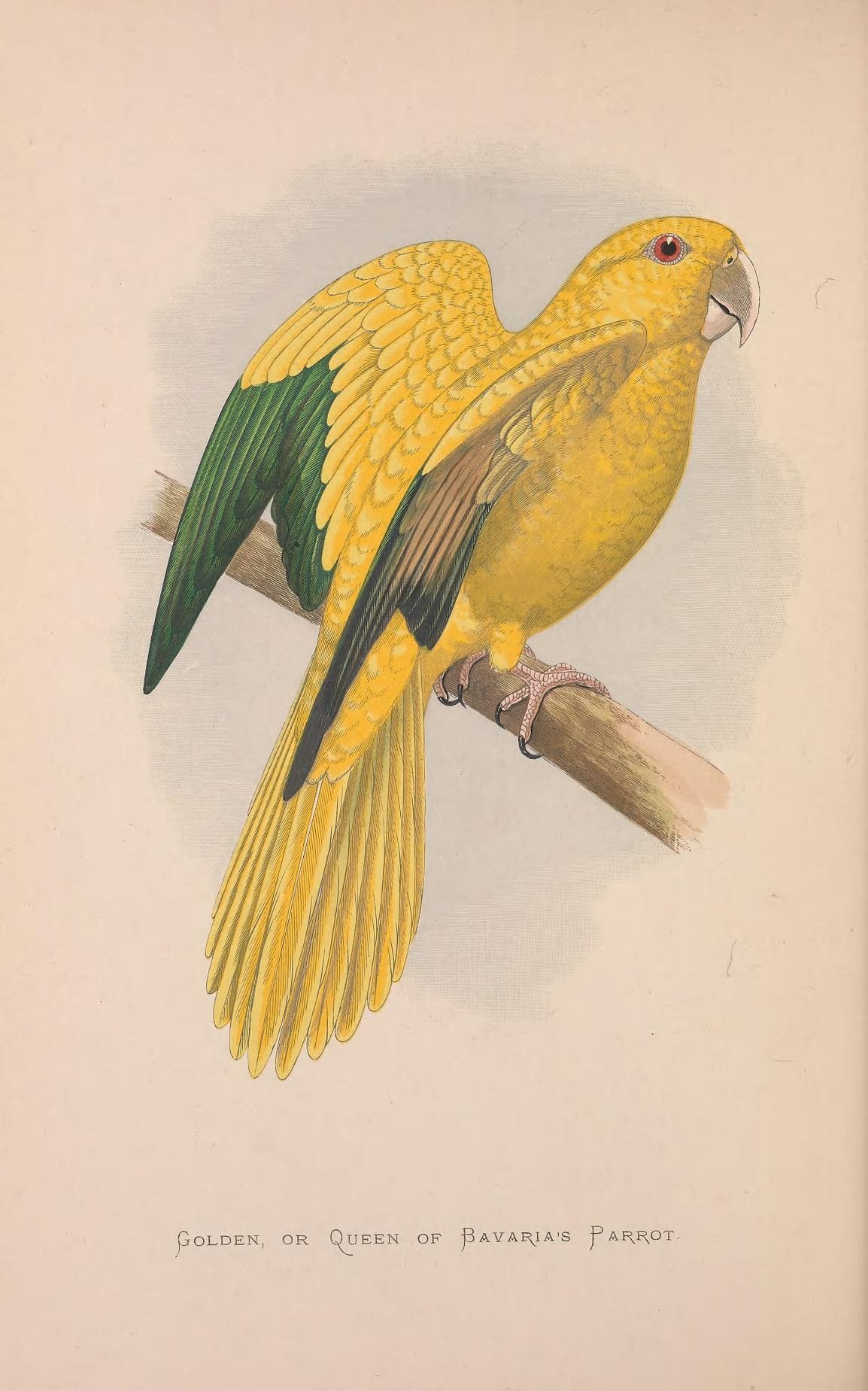
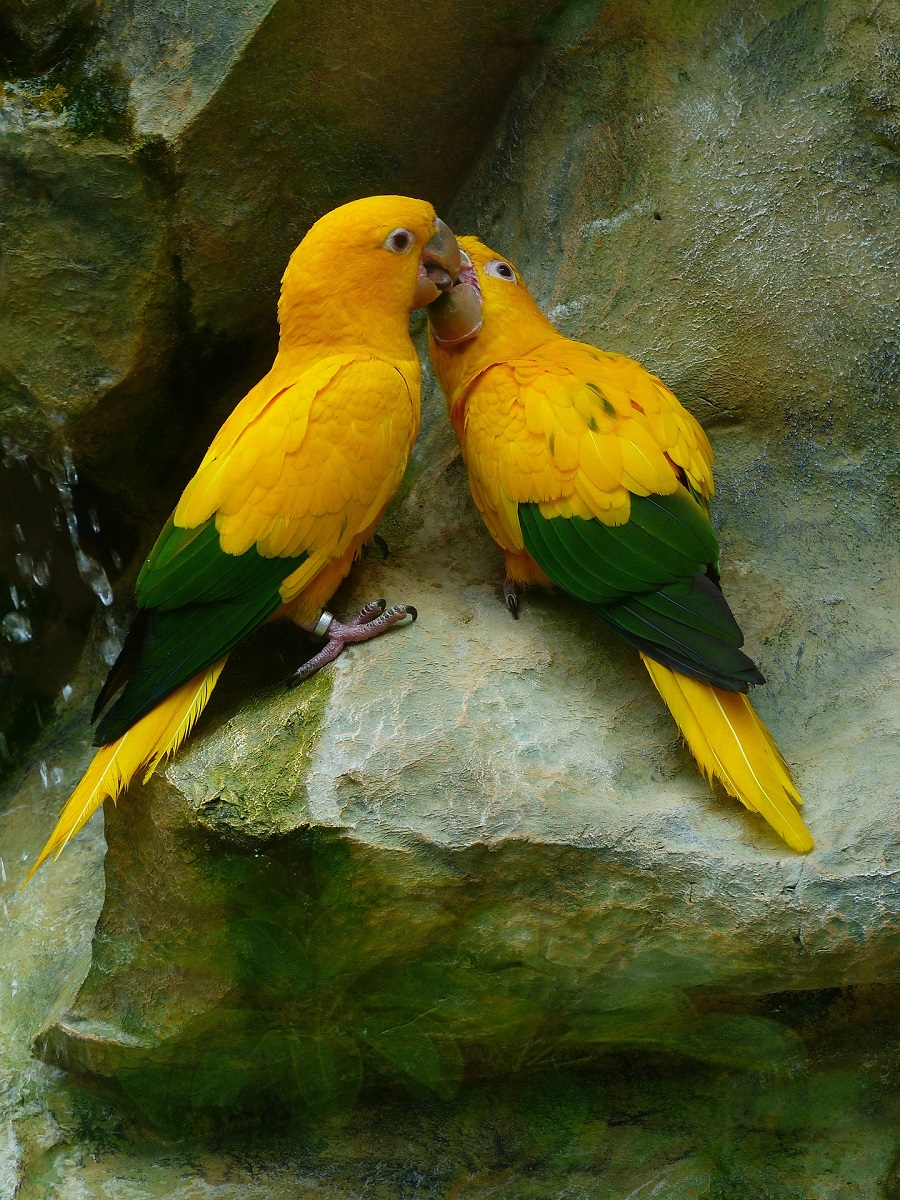
For those captivated by the avian world, the Golden Conure, often hailed as the "Queen of Bavaria Conure" or "Golden Parakeet," stands out as one of the most strikingly beautiful members of the parrot family. Its unique, vibrant golden plumage makes it an irresistible sight, leading many aspiring bird owners to consider it as a companion. However, beyond its undeniable charm, lies a complex creature with specific needs, a fascinating evolutionary history, and a precarious existence in its native habitat. Understanding these facets is crucial for anyone considering welcoming this magnificent bird into their home, as well as for appreciating its broader ecological significance.
Physical Characteristics and Distinctive Appearance
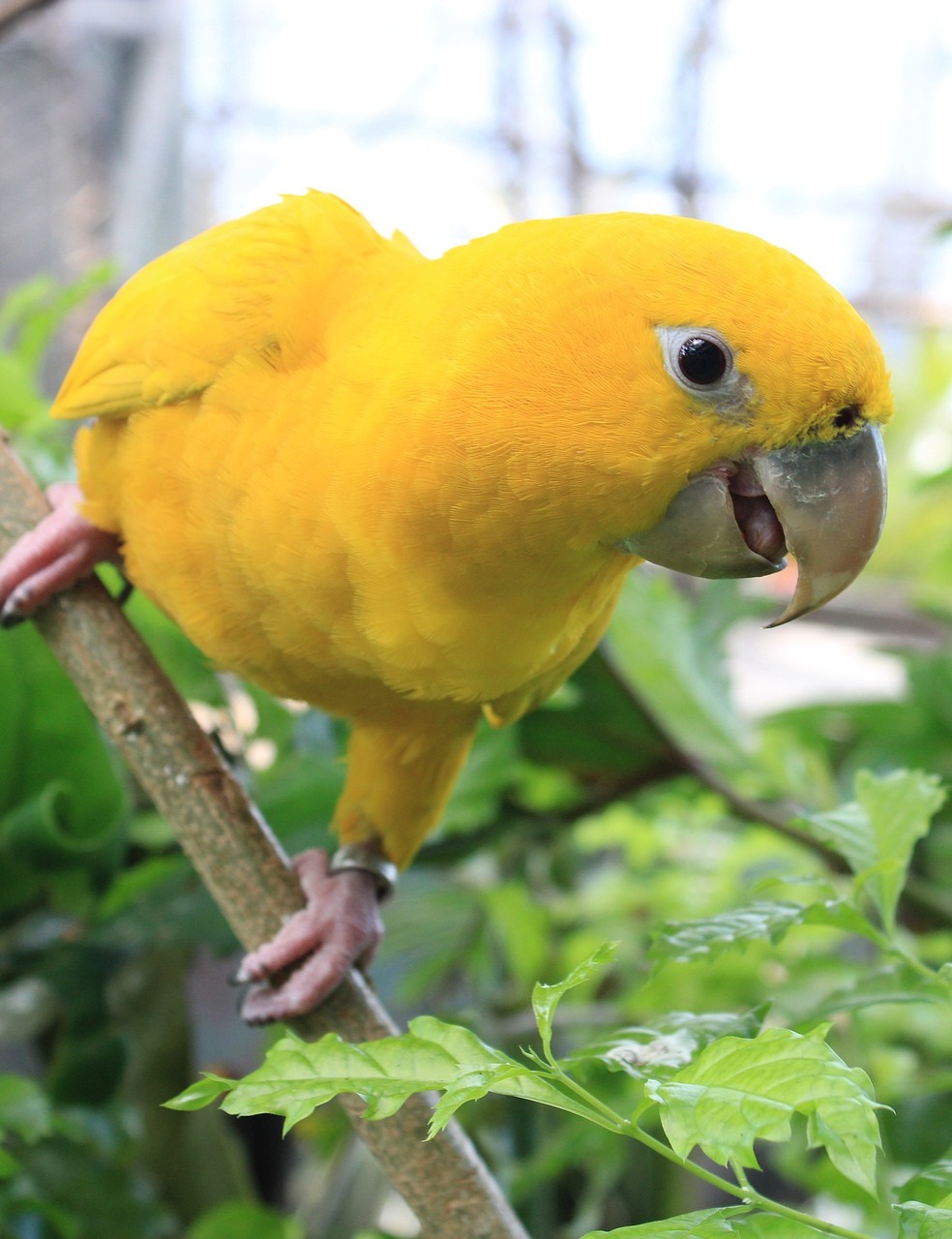
The Golden Conure (scientific name: Guaruba guarouba) is a medium-sized parrot, typically reaching up to 14 inches (35 cm) in length and weighing around 250 grams. What immediately distinguishes it is its almost entirely uniform golden-yellow plumage, a rare and dazzling spectacle among parrots. The only significant contrast comes from the dark green tips of its primary flight feathers, which are noticeable when the wings are spread. This brilliant coloration is present across its body, giving it a regal and almost incandescent appearance, particularly under natural light.
Its head is proportionally large, crowned with the same intense golden feathers, and it possesses a robust, horn-colored beak, perfectly adapted for cracking seeds, nuts, and manipulating fruits in its natural environment. The eyes are dark and expressive, often encircled by a pale, fleshy eye-ring. Interestingly, visual sexing of Golden Conures is not possible; males and females are monomorphic, meaning they look identical. To determine the sex of an individual bird, a DNA test is required.
Juvenile Golden Conures present a slightly different plumage, showcasing more green feathers, especially on their wings, and often with green speckles scattered across their back and head. This juvenile coloration gradually transitions to the adult’s pure golden hue as the birds mature, usually within their first year of life. This developmental change is a natural part of their growth, reflecting the stages of maturity in many bird species.
The Intricate Journey of Taxonomic Classification
The scientific naming of species, particularly within diverse groups like parrots, is a dynamic field, often undergoing revisions as new genetic and morphological data emerge. The Golden Conure’s taxonomic history is a prime example of this scientific evolution, marked by several reclassifications that reflect a deeper understanding of its evolutionary relationships.
Initially, the species was classified under the genus Conurus, a broad grouping that once encompassed many conure species. Over time, as ornithological research advanced, it was moved to Eupsittula, and then, for a significant period, it was recognized as Aratinga guarouba. The genus Aratinga is well-known for housing a variety of colorful conures, but even then, scientists suspected that the Golden Conure possessed unique characteristics that set it apart.
The most significant reclassification occurred when ornithologist Joseph Forshaw, in his authoritative 2006 guide "Parrots of the World," listed it as Guaruba guarouba. This designation placed it in its own monotypic genus, Guaruba, emphasizing its distinct evolutionary lineage. Subsequent phylogenetic studies, which analyze genetic material to map evolutionary relationships, have strongly supported this move. A notable 2006 article in Systematic Biology, for instance, demonstrated that Guaruba is more closely related to the red-shouldered macaws of the genus Diopsittaca than to the Aratinga conures. This discovery underscores the Golden Conure’s unique position within the Psittacidae family, highlighting its singularity and the importance of its conservation. The journey through these scientific names reflects a continuous effort to accurately categorize and understand the biodiversity of our planet.
Natural Habitat and Geographic Range
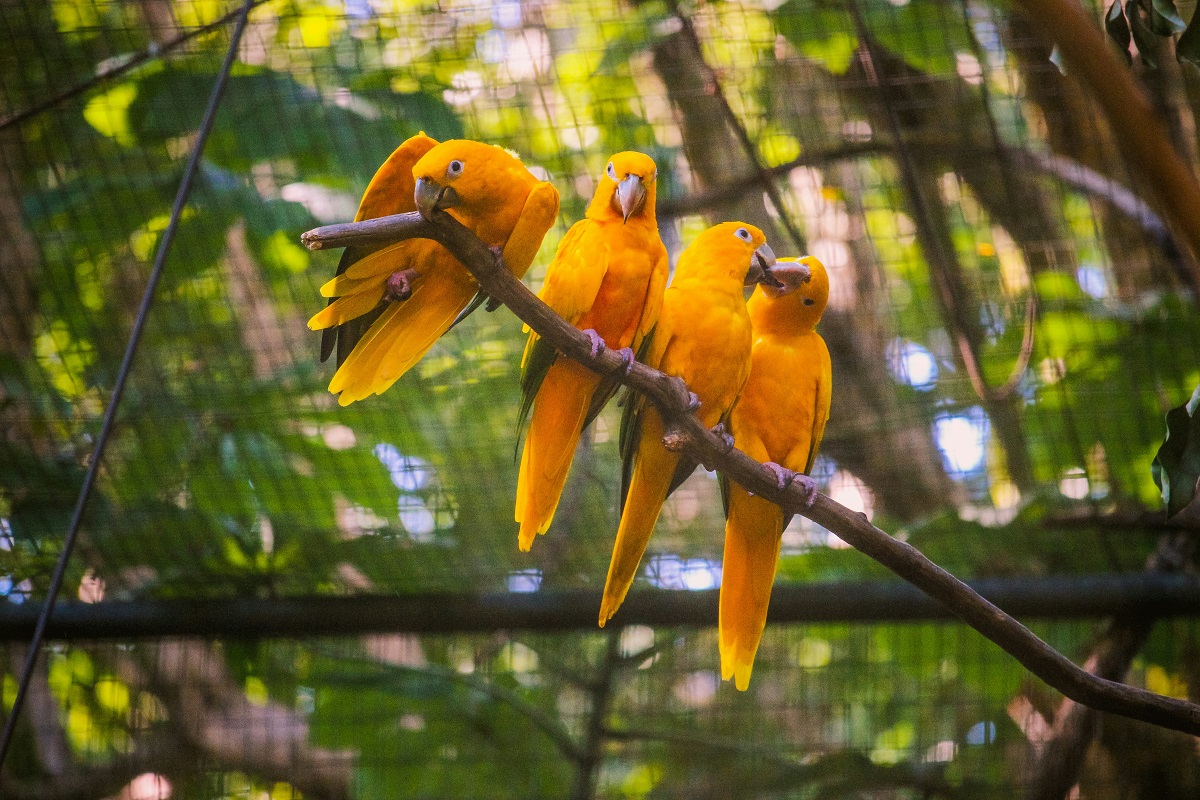
The Golden Conure is endemic to a specific region within the vast and biologically rich Brazilian Amazon Basin. Its natural range is primarily confined to the state of Pará, with potential extensions into neighboring Maranhão. This limited distribution makes the species particularly vulnerable to localized environmental disturbances.
Within this Amazonian domain, Golden Conures exhibit a preference for certain types of forested areas. They predominantly inhabit dry lowland (terra firme) forests, which are characterized by stable, non-flooding land. However, they are also observed venturing into seasonally flooded areas known as várzea forests, especially when foraging for food or seeking nesting sites. This adaptability to different forest types suggests a flexible foraging strategy tied to seasonal resource availability.
The species is known for its nomadic behavior, particularly outside the breeding season. Observations indicate that these birds will often move from denser jungle areas to less dense zones, likely in pursuit of fruiting trees and other food sources. This mobility is a crucial survival strategy in a dynamic ecosystem where food availability can fluctuate.
Nesting habits of the Golden Conure are particularly interesting. They typically construct their nests in relatively isolated hollow trees, sometimes enlarging cavities previously used by other species. What stands out is their propensity for communal breeding. Often, multiple female Golden Conures will lay their eggs within the same nest, resulting in remarkably large clutches that can contain ten or more eggs. This communal nesting behavior suggests a complex social structure and cooperative breeding strategy, which is relatively uncommon among parrot species.
Conservation Status: A Vulnerable Species on the Brink
The stunning beauty and unique characteristics of the Golden Conure belie its precarious status in the wild. The International Union for Conservation of Nature (IUCN) Red List currently classifies Guaruba guarouba as a "Vulnerable" species. This designation signifies that the species faces a high risk of extinction in the wild in the medium-term future if the threats to its survival persist.
The primary drivers of its decline are habitat fragmentation and destruction. The Brazilian Amazon, while vast, is under immense pressure from human activities. Extensive deforestation for logging, agricultural expansion (particularly for soy and cattle ranching), hydroelectric dam projects, and mining operations continuously erode the Golden Conure’s forested habitat. These activities not only reduce the overall area available to the birds but also fragment remaining patches of forest, isolating populations and hindering their ability to find mates and food.
Historically, the trapping of Golden Conures for the illegal animal trade was a significant threat, driven by their popularity as pets. While trapping for this purpose is reportedly less common now compared to previous decades due to increased awareness and enforcement, it has not been entirely eradicated and remains a concern. The species’ high market value contributes to persistent poaching efforts.
Adding another layer of complexity is the species’ cultural significance to local indigenous populations in Brazil. Locally known as "Ararajuba," meaning "yellow macaw" or "yellow parrot," its golden feathers have long been prized for ceremonial and decorative purposes. While this traditional use is distinct from commercial trade, historical accounts mention instances where other conure species were dyed yellow and sold at higher prices in local animal markets, capitalizing on the Golden Conure’s esteemed appearance. This historical context highlights the long-standing human interaction with and appreciation for this bird, which unfortunately has sometimes translated into exploitation.
Conservation efforts for the Golden Conure involve a multi-pronged approach. Protecting existing forested areas, establishing and enforcing protected reserves, and combating illegal deforestation are paramount. Captive breeding programs in zoos and specialized aviaries also play a crucial role in maintaining a healthy genetic reservoir and potentially supporting future reintroduction efforts. However, the sheer scale of deforestation in the Amazon means that the battle for the Golden Conure’s survival is an ongoing and challenging one.
Diet and Foraging Behavior: From Wild Bounty to Captive Care
In its natural Amazonian habitat, the Golden Conure benefits from a diverse and abundant diet, reflecting the rich biodiversity of the rainforest. Scientific studies on their feeding ecology indicate that their diet primarily consists of fruits. Favorite fruits include those from the açaí and bacaba palms, which are staples in the Amazonian ecosystem, as well as fruits from cashew, ice cream bean (Inga edulis), nance (Byrsonima crassifolia), and locustberry trees. This varied fruit consumption provides essential vitamins, minerals, and carbohydrates. Beyond fruits, the birds also consume flowers and flower buds, indicating a broader foraging strategy.
Like many opportunistic parrot species, Golden Conures are known to occasionally raid local farmers’ crops. They have been observed feasting on corn and mango, which can lead to conflicts with human settlements and agricultural interests. This behavior highlights the overlap between human activity and the birds’ foraging needs, especially as their natural habitat diminishes.
In a captive setting, replicating the nutritional diversity of a wild diet is crucial for the health and longevity of a Golden Conure. The cornerstone of a healthy captive diet should be high-quality parrot pellets. These commercially formulated pellets are designed to provide a balanced array of nutrients, vitamins, and minerals, and are generally lower in fat than traditional seed mixes. While seeds can be offered as treats, they should not form the bulk of the diet due to their high fat content and often incomplete nutritional profile.
To ensure variety and optimal health, pellets should be supplemented daily with a wide range of fresh foods. This includes:
- Fresh Fruits: Apples, berries, melon, mango, papaya, kiwi, grapes (in moderation). Always remove pits and seeds from fruits like apples and cherries, as they can be toxic.
- Vegetables: Dark leafy greens (kale, spinach, romaine lettuce), broccoli, carrots, bell peppers, sweet potatoes, peas, green beans.
- Sprouts: Various sprouted seeds offer excellent nutritional value.
- Cooked Grains and Legumes: Cooked brown rice, quinoa, lentils, and beans (never raw) can provide additional protein and complex carbohydrates.
- Safe Nuts: Almonds, walnuts, and pecans can be offered sparingly as treats due to their high fat content.
Foods to strictly avoid include avocado, chocolate, caffeine, alcohol, processed human foods high in sugar or salt, and fruit pits/seeds (except those safe for parrots). A healthy diet, coupled with proper exercise, is a primary determinant of a Golden Conure’s lifespan, which can extend up to 30 years in captivity. Presenting food in foraging toys is an excellent way to combine mealtime with mental stimulation, mimicking their natural behavior of searching for food and preventing boredom.
Housing and Environmental Enrichment in Captivity
Given their medium size and active nature, Golden Conures require substantial living space. A standard small birdcage is entirely inadequate for these birds. If the bird will spend the majority of its time in its enclosure, a full-sized indoor aviary is recommended. For birds that are regularly let out for several hours a day, an enclosure with a minimum width of 40 inches (1 meter) is generally considered acceptable, but larger is always better. The cage bars should be appropriately spaced to prevent escape or injury.
The cage environment must be stimulating and safe. It should be furnished with a variety of natural wood perches of varying diameters, which helps keep their feet healthy and prevents pressure sores. Platforms and ladders also add to the complexity of their environment, encouraging movement and exploration.
Golden Conures are highly intelligent and playful birds that bore easily. A lack of mental and physical stimulation can lead to stress, feather plucking, excessive screaming, or even aggression. Therefore, a rich assortment of parrot toys is essential. These should include:
- Chewing Toys: Made from safe woods, ropes, or cardboard, to satisfy their natural urge to chew and keep their beaks trimmed.
- Shredding Toys: Paper, cardboard, or natural fibers that they can dismantle.
- Preening Toys: To encourage healthy preening behavior and reduce over-preening of their own feathers.
- Puzzle and Foraging Toys: To challenge their minds and make them work for treats.
Toys should be rotated regularly to maintain novelty and interest. Additionally, providing opportunities for out-of-cage activity is vital. A cage-top playground with additional perches and toys or a dedicated parrot tree can offer a safe and engaging space for the bird to interact with its surroundings and human companions.
Golden Conure Enrichment: Fostering a Fulfilling Life
Enrichment is not merely an optional extra for a Golden Conure; it is a fundamental requirement for its psychological and physical well-being. These parrots are accustomed to a life in the wild that involves constant interaction with their flock, complex foraging challenges, and extensive physical activity. Replicating aspects of this natural lifestyle in captivity is crucial.
Insufficient enrichment can lead to a range of undesirable behaviors stemming from stress and boredom. These include persistent screaming, self-mutilation through feather plucking, and even increased aggression towards owners or other birds. To prevent such issues and ensure a happy, well-adjusted Golden Conure, a comprehensive enrichment program is necessary:
- Social Interaction: Golden Conures are highly social animals. Daily, dedicated interaction with their human family is paramount. This includes talking, playing, and simply spending time together. They thrive on attention and will bond deeply with multiple family members.
- Foraging Opportunities: As mentioned, presenting food in foraging toys forces the bird to "work" for its meals, mimicking natural behaviors and providing significant mental stimulation. This can range from simple paper-wrapped treats to complex puzzle feeders.
- Variety in Toys: Regularly rotate a wide array of toys to keep the environment fresh and engaging. Introduce new textures, colors, and challenges.
- Bathing: Provide opportunities for bathing, either through a shallow water dish or gentle misting with a spray bottle. This promotes healthy feather condition and is a natural behavior.
- Training: Positive reinforcement training can be highly enriching, teaching the bird new behaviors, strengthening the bond with its owner, and providing mental exercise. Simple commands, step-up training, or even teaching tricks can be very rewarding.
- Safe Flight Opportunities: If possible, allow supervised free-flight time in a designated, parrot-proofed room. This provides essential physical exercise and mental stimulation that a cage simply cannot offer.
Before allowing a Golden Conure unsupervised access to any room, it is imperative to "parrot-proof" the area. This involves identifying and removing potential hazards such as electrical cords, toxic household plants, open windows or doors, chemicals, small ingestible objects, and other household dangers. The bird’s innate curiosity can easily lead it into dangerous situations.
A significant benefit of robust enrichment is the prevention of obesity, a primary cause of death for many pet parrots. By encouraging activity and mental engagement, enrichment strategies naturally promote a healthier, more active lifestyle for the Golden Conure.
Temperament and Social Dynamics
The Golden Conure’s personality is often described as being as vibrant and captivating as its plumage. While individual personalities can vary based on genetics, early socialization, and upbringing, most Golden Conures are known for their friendly, affectionate, and outgoing temperaments. Unlike some parrot species that may bond exclusively with a single person, Golden Conures tend to be "multi-person" birds, readily forming affectionate relationships with various family members.
These birds are energetic and playful, relishing opportunities for interaction and playtime. They enjoy climbing, exploring, and engaging with toys, but also appreciate quieter moments spent perched on a shoulder, receiving gentle head scratches or cuddles. Their sociable nature means they thrive on attention and interaction; they are not suited for individuals seeking a low-maintenance pet. Owners must be prepared to dedicate significant time to their Golden Conure’s social needs. They are generally even-tempered and are not typically known for aggression, though like all parrots, they can deliver a strong bite if provoked or scared. Their social complexity in the wild, including communal nesting, further supports their highly interactive and community-oriented nature.
Vocalization and Communication
While the Golden Conure is a joy to behold, it is important for prospective owners to understand that these are not quiet birds. While their screams may not reach the piercing intensity of some Aratinga conures, such as the Sun Conure, they possess powerful voices commensurate with their size. Their vocalizations include a range of calls, chirps, and squawks, which can be quite loud, especially during dawn and dusk, or when seeking attention or expressing excitement.
The noise level is a crucial factor to consider before acquiring a Golden Conure. Living with a parrot’s natural vocalizations requires tolerance and understanding from all household members and potentially neighbors. Visiting a breeder or a friend who owns a Golden Conure can provide a realistic impression of their typical noise level, allowing individuals to assess whether they can comfortably accommodate such a vocal companion. Online resources like xeno-canto, which hosts recordings of wild bird calls, also offer a glimpse into their natural soundscape.
Regarding their ability to mimic human speech, Golden Conures are not typically recognized as "champion talkers" like African Greys or Amazon parrots. While most parrots possess the inherent ability to learn and imitate sounds from their environment, the Golden Conure’s capacity for clear articulation of words and phrases is limited. Owners can expect them to pick up simple words, their own name, short phrases, easy tunes, and various household sounds. However, their voices are often not very clear, and their vocabulary tends to be smaller compared to more renowned talking species. The primary mode of communication for a Golden Conure will always be its natural vocalizations and body language.
Ethical Considerations and Responsible Ownership
Owning a Golden Conure is a significant, long-term commitment that extends far beyond appreciating its beauty. Given its "Vulnerable" status in the wild, responsible ownership takes on an even greater ethical dimension. Prospective owners must source their birds from reputable breeders who adhere to ethical breeding practices and do not contribute to the illegal wildlife trade.
The lifespan of a Golden Conure, up to 30 years or more, means that acquiring one is a commitment for several decades. This requires a profound understanding of their needs, including the financial implications for high-quality food, regular veterinary care, spacious housing, and a constant supply of enrichment items. Crucially, it also demands a substantial time commitment for daily interaction, socialization, and maintenance of their complex psychological and physical well-being.
The Golden Conure is a magnificent species, a testament to the incredible biodiversity of the Amazon rainforest. Its vibrant presence in the wild is increasingly threatened, making the role of responsible aviculture and informed ownership more critical than ever. By understanding and meeting the comprehensive needs of these intelligent and social birds, owners can ensure a fulfilling life for their feathered companions while indirectly contributing to the broader appreciation and conservation of this remarkable "Queen of Bavaria."

